

Bruxism at Night: Causes, Symptoms, and Treatment Options

Bruxism at night can cause tooth wear, jaw pain, headaches, and disturbed sleep. Stress, sleep disorders, bite problems, and certain lifestyle factors may contribute.
Key Takeaways
- Bruxism at night can cause tooth wear, jaw pain, headaches, and disturbed sleep.
- Stress, sleep disorders, bite problems, and certain lifestyle factors may contribute.
- Diagnosis usually involves a dental exam and sometimes evaluation for sleep-related conditions.
- Treatment may include a custom night guard, stress management, and addressing related sleep or dental problems.
- Early care can help prevent long-term damage to teeth, restorations, and the jaw joint.
Bruxism at night, also called sleep bruxism, is the involuntary clenching or grinding of teeth during sleep. It is common and often manageable, especially when the underlying causes are identified and treatment protects the teeth and jaw.
Overview of Bruxism at Night
Bruxism at night is the repeated clenching, grinding, or tightening of the teeth and jaw muscles during sleep. Many people do not realize it is happening until a partner hears the grinding sound or a dentist notices signs of tooth wear. Because it occurs during sleep, it is often called sleep bruxism.
Sleep bruxism is considered a sleep-related movement activity. In some people, it happens occasionally and causes little harm. In others, it is frequent enough to lead to tooth damage, jaw discomfort, morning headaches, or poor sleep quality. The severity can vary over time, and symptoms may come and go.
Nighttime grinding is not always caused by the same issue in every person. Emotional stress, anxiety, sleep disturbances, jaw alignment problems, and certain medications or substances may all play a role. A careful evaluation helps identify likely triggers and guides treatment.
Although the sound and symptoms can be concerning, bruxism at night is often manageable. Protecting the teeth and reducing strain on the jaw are important first steps, and many people improve with a combination of dental care, lifestyle measures, and treatment of related conditions. Patients who need a fuller dental assessment may benefit from general dentistry evaluation or a focused bruxism assessment.
Symptoms and Possible Complications
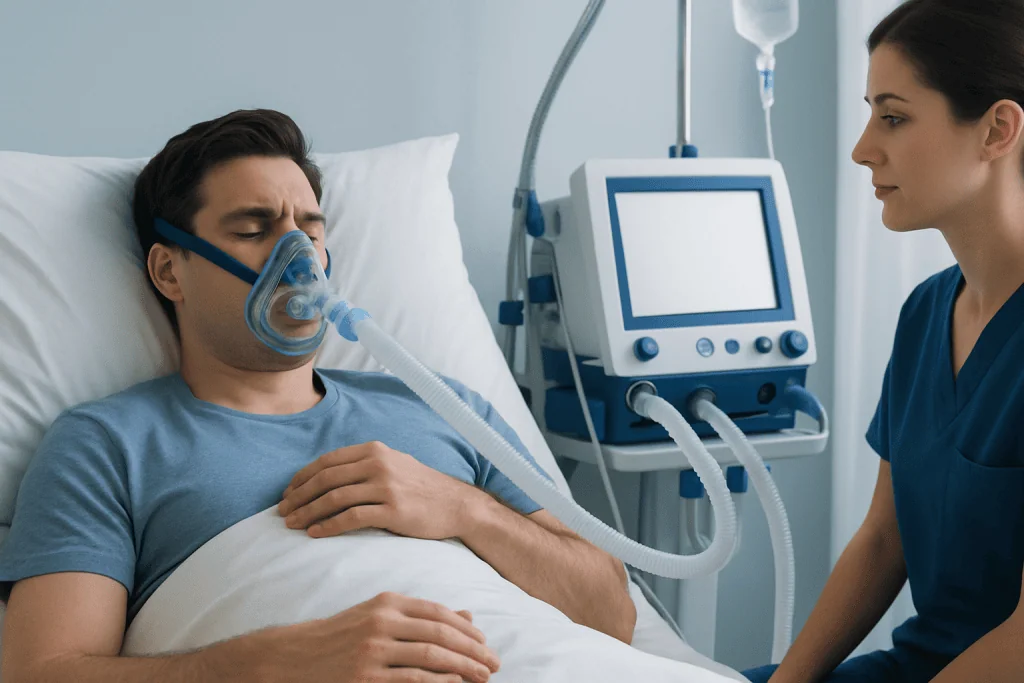
The symptoms of bruxism at night are often most noticeable after waking. A person may feel jaw tightness, facial muscle fatigue, tooth sensitivity, or a dull headache around the temples. Some also report ear discomfort, even when there is no ear infection, because the jaw muscles and temporomandibular joint are located close to the ears.
Teeth grinding can gradually wear down the enamel, flatten the biting surfaces, and make teeth more sensitive to hot, cold, or sweet foods. Fillings, crowns, veneers, and implants may also be placed under extra stress. In more advanced cases, teeth can chip, crack, or loosen over time.
The jaw joint, known as the temporomandibular joint or TMJ, can also be affected. Ongoing clenching may contribute to clicking, stiffness, or pain when chewing or opening the mouth. Some people develop symptoms that overlap with gum recession or other dental concerns because excessive grinding can worsen pressure on the supporting structures of the teeth.
- Grinding sounds during sleep
- Morning jaw soreness or tightness
- Headaches, especially at the temples
- Worn, flattened, chipped, or sensitive teeth
- Disturbed sleep for the person or bed partner
- Jaw clicking or discomfort with chewing
Causes and Risk Factors

There is rarely a single cause of bruxism at night. Instead, it is usually linked to a combination of physical, psychological, and sleep-related factors. Stress and anxiety are commonly associated with clenching and grinding, and symptoms may become worse during periods of emotional strain.
Sleep issues can also play an important role. Sleep bruxism may occur alongside snoring, fragmented sleep, and obstructive sleep apnea in some people. When breathing is briefly disrupted during sleep, the body may react with muscle activity, including jaw clenching. This does not mean everyone with bruxism has a sleep disorder, but the possibility is worth considering when symptoms are persistent.
Other possible contributors include caffeine, alcohol, tobacco, certain recreational substances, and some medications, particularly those that affect the nervous system. Misaligned teeth or an uneven bite may not be the only cause, but they can sometimes increase strain on the jaw. Children can also grind their teeth at night, often temporarily, especially during phases of growth or stress.
Risk factors for more significant problems include frequent grinding, untreated stress, existing TMJ symptoms, and dental restorations that are already under pressure. People with heavy tooth wear or repeated fractures of fillings or crowns may need closer assessment, sometimes using tools from digital dentistry to document tooth surfaces and bite changes over time.
How Bruxism at Night Is Diagnosed
Diagnosis usually begins with a dental and medical history. A dentist may ask about jaw pain, headaches, poor sleep, tooth sensitivity, stress levels, and whether a partner has heard grinding noises during the night. Because many people are unaware of the habit, these outside observations can be very helpful.
A dental examination looks for signs such as worn enamel, flattened tooth edges, fractured restorations, cheek biting, tongue indentations, and tenderness in the jaw muscles. The dentist may also assess how the teeth fit together and whether there are signs of temporomandibular joint strain.
If symptoms suggest a sleep-related cause, further evaluation may be recommended. This is especially important if the person snores loudly, wakes unrefreshed, feels very sleepy during the day, or has pauses in breathing during sleep observed by a partner. In such cases, a physician or sleep specialist may assess for sleep apnea or related disorders, and a dental team with experience in dental sleep medicine may also be involved.
Special tests are not needed for everyone, but they can be useful in selected cases. Sleep studies, dental imaging, or bite analysis may help when symptoms are severe, when there is significant tooth damage, or when treatment has not been effective.
Treatment Options
Treatment for bruxism at night aims to protect the teeth, reduce pain, and address contributing factors. One of the most common approaches is a custom-made night guard or occlusal splint. This appliance does not always stop the grinding itself, but it creates a protective barrier that helps reduce tooth wear and lowers strain on the jaw muscles and joints.
Dental treatment may also be needed if grinding has already damaged the teeth. Chipped teeth, broken fillings, or worn restorations may need repair. If significant wear has changed the bite or weakened the teeth, the dentist may recommend restorative care such as dental crowns to rebuild and protect affected teeth. Treatment plans are individualized based on symptoms, the amount of tooth wear, and overall oral health.
When stress or anxiety is a major trigger, supportive measures can be very helpful. These may include relaxation training, counseling, mindfulness practices, improving sleep habits, and reducing stimulants such as caffeine late in the day. If a medication appears to be contributing, the prescribing doctor may review alternatives, but medications should never be stopped without medical guidance.
In some cases, treating a related condition improves bruxism. For example, managing sleep apnea, correcting a poorly fitting restoration, or addressing TMJ problems may reduce nightly clenching. Muscle-focused treatments are sometimes used in selected patients, but the best approach depends on the individual. The goal is not only symptom relief, but also prevention of long-term dental and jaw complications.
Prevention and Self-Care
It is not always possible to prevent bruxism at night completely, but simple self-care steps can reduce its impact. Establishing a regular sleep routine, limiting screen time before bed, and creating a calm sleeping environment may support better sleep quality. Good sleep habits can be especially useful when grinding is linked to fatigue or restless sleep.
Reducing substances that may trigger clenching can also help. Many clinicians advise limiting caffeine in the afternoon and evening, reducing alcohol close to bedtime, and avoiding tobacco if possible. Paying attention to daytime jaw tension is equally important, because people who clench while awake may be more likely to grind at night as well.
Gentle jaw relaxation practices may be useful for some people. This can include keeping the lips together but the teeth slightly apart during the day, avoiding chewing gum, choosing softer foods when the jaw feels sore, and using warm compresses on tight jaw muscles. A dentist or physiotherapist may suggest specific jaw exercises if appropriate.
Routine dental care remains important. Regular checkups can identify early tooth wear before it becomes severe, and daily oral hygiene helps protect teeth that may already be under stress. If a night guard has been prescribed, wearing it consistently and keeping it clean are key parts of self-care.
When to See a Doctor or Dentist
A person should consider professional evaluation if they wake with frequent jaw pain, headaches, or tooth sensitivity, or if a bed partner reports regular grinding sounds. Care is also important if teeth appear shorter, flatter, chipped, or cracked, or if dental restorations seem to be failing repeatedly.
Medical attention may be especially helpful when bruxism is accompanied by loud snoring, choking or gasping during sleep, daytime sleepiness, or poor concentration. These symptoms can suggest an underlying sleep disorder that deserves assessment. Addressing the sleep problem may improve both overall health and nighttime grinding.
Prompt dental care is advisable when there is sudden tooth pain, a broken tooth, difficulty opening the mouth, or severe jaw locking. Early treatment can help prevent more extensive dental repair later. If advanced care is needed, Acibadem International’s multidisciplinary specialists and JCI-accredited hospitals evaluate and treat bruxism and related dental concerns for international patients.
Because bruxism can affect the teeth, jaw joints, sleep, and quality of life, an individualized approach is often best. A dentist, physician, or sleep specialist can help determine the cause and recommend the most suitable next steps.
Frequently asked questions
Is bruxism at night the same as clenching during the day?
They are related but not exactly the same. Daytime clenching usually happens when a person is awake and may be linked to concentration, stress, or habit, while sleep bruxism occurs during sleep and may involve grinding, clenching, or both. Some people have both patterns.
Can bruxism at night go away on its own?
In some people, especially children or those with temporary stress, it may improve over time. However, persistent symptoms should not be ignored because ongoing grinding can damage teeth and strain the jaw. A dental evaluation can help determine whether monitoring or treatment is needed.
Does a night guard cure bruxism?
A night guard usually protects the teeth and may reduce pressure on the jaw, but it does not always eliminate the grinding behavior itself. It is best understood as part of a broader treatment plan. If triggers such as stress or sleep apnea are also addressed, symptoms may improve more fully.
Can stress really cause nighttime teeth grinding?
Stress and anxiety are common contributing factors, and many people notice their symptoms worsen during tense periods. Still, bruxism is not caused by stress alone in every case. Sleep issues, medications, and dental factors may also contribute.
Is bruxism at night harmful to dental work?
Yes, repeated grinding can place extra force on fillings, crowns, veneers, bridges, and implants. Over time, this may lead to wear, fractures, loosening, or discomfort. Protective treatment and regular follow-up can help reduce these risks.
When should someone be checked for sleep apnea if they grind their teeth?
Evaluation is worth considering if grinding occurs along with loud snoring, pauses in breathing, choking at night, morning fatigue, or excessive daytime sleepiness. Not everyone with bruxism has sleep apnea, but the two can occur together. A doctor or sleep specialist can decide whether further testing is appropriate.
References
- American Dental Association
- National Institute of Dental and Craniofacial Research
- American Academy of Sleep Medicine
- Mayo Clinic
- National Health Service
This article is for general information only and is not a substitute for professional medical advice. Please consult a qualified doctor about your individual situation.
Bruxism in Turkey — costs, top hospitals & a free quote
JCI-accredited · board-certified surgeons · reply within 24h
Add us as a Preferred Source to see more of our trusted health content across Google Search, AI Overviews and Discover.

Dental & Oral Health
Full-scope dental care from implants and aesthetics to oral and maxillofacial surgery.
158 specialists in this unitRelated Treatments
More from the Health Library



Related Specialists

Assoc. Prof. Dr. Ferit Bayram
Oral & Dental Health
Assoc. Prof. Dr. Yeliz Çavuşoğlu Yüce
Oral & Dental Health
Assoc. Prof. Dr. Mutlu Keskin
Oral & Dental Health
Prof. Dr. Ülkü Noyan
Oral & Dental Health