Bruxism — Explained by Medical Evidence, Not Myths

Bruxism means grinding the teeth or clenching the jaw, either during sleep or while awake. Common signs include tooth wear, jaw soreness, headaches, and disturbed sleep.
Key Takeaways
- Bruxism means grinding the teeth or clenching the jaw, either during sleep or while awake.
- Common signs include tooth wear, jaw soreness, headaches, and disturbed sleep.
- Stress, sleep disorders, certain medications, and dental alignment issues can all play a role.
- Treatment depends on the cause and may include a night guard, stress reduction, dental care, or sleep evaluation.
- Persistent pain, damaged teeth, or loud nighttime grinding should be assessed by a qualified clinician.
Bruxism is repeated teeth grinding or jaw clenching, usually during sleep but sometimes while awake. It is common, often linked to stress, sleep disruption, or bite-related factors, and it can usually be managed with the right diagnosis and treatment plan.
What bruxism is and why it matters
Bruxism is the medical term for repeated teeth grinding or jaw clenching. It can happen while a person is awake or asleep. Many people do not realize they have it until a partner hears grinding at night, a dentist notices worn teeth, or symptoms such as jaw pain and morning headaches begin to appear.
Medical evidence shows that bruxism is not simply a harmless habit or only a sign of stress. It is a behavior with several possible triggers, including emotional tension, sleep-related problems, certain medications, and dental or jaw factors. In some people it is mild and occasional, while in others it becomes frequent enough to affect the teeth, jaw joints, facial muscles, and sleep quality.
Understanding bruxism clearly helps separate myths from facts. It does not always mean a person has a serious disease, but it should not be ignored when it causes pain, broken dental work, tooth sensitivity, or disturbed rest. Early assessment can prevent complications and guide practical treatment.
How bruxism feels: common symptoms and signs
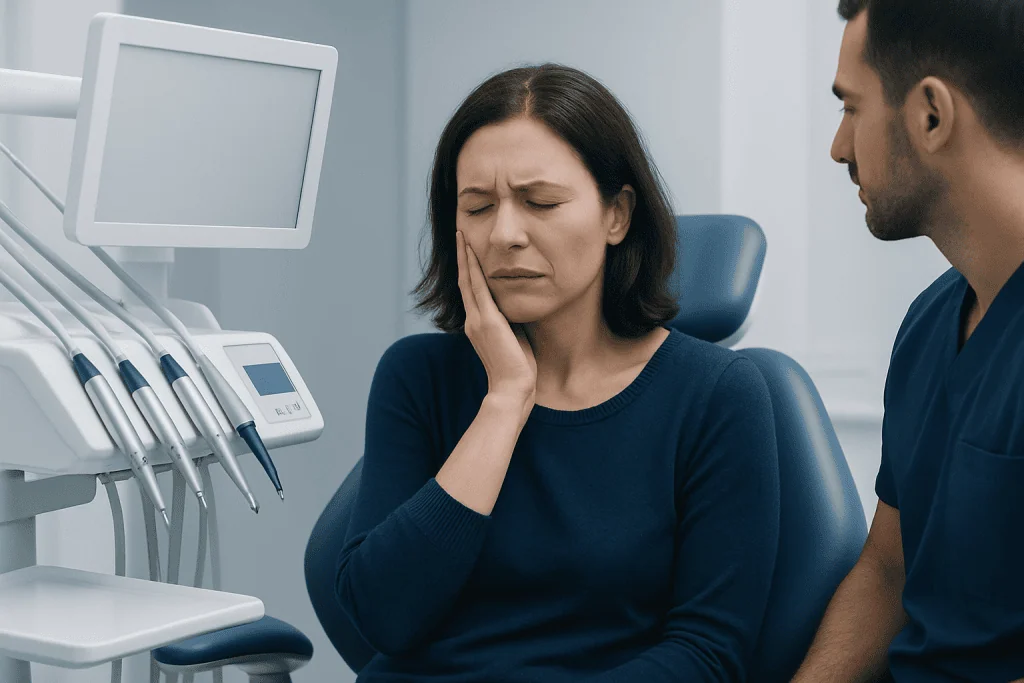
The symptoms of bruxism vary. Some people have no obvious discomfort, while others notice a combination of dental, muscular, and sleep-related complaints. Symptoms may be stronger in the morning in sleep bruxism, or they may build during the day in awake bruxism.
Common symptoms and signs include:
- Grinding sounds during sleep
- Jaw clenching, especially during concentration or stress
- Jaw pain, tightness, or fatigue
- Morning headaches or facial soreness
- Tooth sensitivity
- Flattened, chipped, cracked, or loose teeth
- Damage to fillings, crowns, or other dental work
- Clicking or discomfort in the jaw joint
- Poor sleep for the person or bed partner
Not every jaw symptom is caused by bruxism, and not every person who grinds develops severe damage. However, ongoing pressure on the teeth and jaw can contribute to problems related to the temporomandibular joint, often discussed under TMJ disorders. This is one reason a careful assessment matters rather than relying on assumptions.
Why bruxism happens: causes and risk factors

Bruxism does not have one single cause. Current evidence suggests it often results from a mix of physical, psychological, and sleep-related factors. Awake bruxism is more often associated with stress, concentration, anxiety, or learned jaw tension. Sleep bruxism is considered a sleep-related movement behavior and may be linked with brief arousals from sleep.
Risk factors can include emotional stress, poor sleep, obstructive sleep apnea, smoking, high caffeine intake, alcohol use, and some stimulant or antidepressant medications. In children, bruxism can occur during normal development and may improve with time, although persistent symptoms still deserve attention. In adults, symptoms may become more noticeable during periods of strain or disrupted routine.
Jaw alignment, missing teeth, or an uneven bite may contribute in some patients, but these factors do not explain all cases. This is important because older ideas sometimes overstated the role of dental alignment alone. A modern evaluation usually considers the teeth, jaw muscles, joints, stress levels, and sleep quality together. When sleep-related breathing problems are suspected, clinicians may also consider evaluation for sleep apnea.
How doctors and dentists diagnose bruxism
Bruxism is usually diagnosed through a combination of symptoms, dental findings, and a clinical examination. A dentist or doctor may ask about jaw pain, headaches, tooth sensitivity, sleep quality, snoring, stress, and whether anyone has heard nighttime grinding. During the exam, they may look for enamel wear, cracks, cheek biting, tongue impressions, enlarged jaw muscles, or tenderness over the jaw joints.
In some cases, diagnosis is straightforward. In others, clinicians may need to distinguish bruxism from other causes of facial pain, dental pain, or headache. Conditions involving the jaw joint, sinus area, ear region, or nerve-related pain can sometimes mimic it. The aim is to identify whether grinding is truly the main issue and whether there is already damage that needs treatment.
Tests are not always necessary, but they may be helpful when symptoms are significant or sleep disorders are suspected. A dentist may use imaging to assess teeth or jaw structures, and a sleep specialist may recommend further evaluation if nighttime grinding occurs alongside loud snoring, choking during sleep, daytime sleepiness, or witnessed breathing pauses.
Treatment options based on the cause
There is no one-size-fits-all treatment for bruxism. The best approach depends on whether it happens during sleep or while awake, how severe it is, and whether there are complications such as tooth wear, jaw pain, or a related sleep disorder. Treatment often focuses on protecting the teeth, reducing muscle strain, and addressing triggers.
A custom dental night guard is one of the most common tools for sleep bruxism. It does not necessarily stop the behavior itself, but it can help reduce damage to the teeth and dental restorations. If teeth are already cracked, worn, or sensitive, a dentist may recommend restorative care alongside dental treatment to protect oral function and comfort.
For awake bruxism, awareness training can be very helpful. People may be taught to notice when their jaw is tensing and to return it to a relaxed position, with the lips together, teeth apart, and tongue resting gently. Stress management, sleep improvement, limiting caffeine late in the day, and reducing alcohol or tobacco can also make a meaningful difference. If symptoms suggest a sleep-related breathing problem, clinicians may advise sleep study evaluation and appropriate treatment of the underlying disorder.
Some patients benefit from physical therapy, jaw exercises, or carefully selected medications for associated pain or muscle spasm, though medicines are not a universal long-term answer. In more complex cases, input from dentistry, sleep medicine, ear-nose-throat specialists, or neurology may be useful. At Acibadem International, multidisciplinary specialists in JCI-accredited hospitals diagnose and treat bruxism and related conditions for international patients.
What helps at home: prevention and self-care
Self-care cannot replace professional diagnosis when teeth are being damaged, but it can support treatment and reduce strain on the jaw. Small daily habits are often important, especially for awake bruxism. The goal is to lower muscle tension and protect the teeth from repeated pressure.
Helpful measures include:
- Practicing jaw relaxation during the day
- Using reminders to avoid clenching when stressed or focused
- Limiting gum chewing and very hard foods if the jaw is sore
- Reducing caffeine, especially later in the day
- Avoiding tobacco and moderating alcohol
- Following a regular sleep schedule
- Using stress-management techniques such as breathing exercises or mindfulness
- Applying a warm compress to tight jaw muscles if advised by a clinician
People should avoid self-diagnosing based only on online advice or trying unproven devices without guidance. If a night guard is needed, a professionally fitted device is usually safer and more effective than a generic one, especially if there is tooth damage, bite change, or jaw-joint pain.
When to seek medical care
Medical or dental advice is appropriate when bruxism is frequent, painful, or affecting sleep and oral health. Prompt assessment is especially important if there are broken teeth, loose teeth, severe tooth sensitivity, a locked jaw, persistent headaches, or pain that spreads to the ear, temple, or neck.
A person should also seek evaluation if a bed partner reports loud grinding together with snoring, gasping, or pauses in breathing during sleep. These symptoms may point to an underlying sleep problem that needs separate treatment. Children with ongoing grinding, facial pain, or dental wear should also be assessed rather than simply waiting for it to pass.
If symptoms continue despite self-care, a clinician may recommend a more detailed dental review, assessment for temporomandibular joint disorder treatment, or evaluation by a sleep specialist. Early care can help protect the teeth, reduce discomfort, and improve daily well-being.
Frequently asked questions
Is bruxism serious?
Bruxism is often manageable, but it can become serious if it leads to tooth damage, jaw pain, headaches, or sleep disruption. The main concern is not the label itself, but whether it is causing harm or pointing to another problem such as a sleep disorder.
What is the difference between awake bruxism and sleep bruxism?
Awake bruxism usually involves clenching or tightening the jaw during the day, often during stress, concentration, or anxiety. Sleep bruxism happens during sleep and may be noticed because of grinding sounds, morning jaw fatigue, or tooth wear.
Can stress cause bruxism?
Stress can be an important trigger, especially for awake bruxism. However, it is not the only cause, and many people with sleep bruxism also have sleep-related, lifestyle, or medication-related contributing factors.
Does a night guard cure bruxism?
A night guard usually protects the teeth rather than curing the underlying behavior. It can be very useful for preventing wear and reducing strain, but the long-term plan may also need to address stress, sleep quality, jaw function, or related medical issues.
Can bruxism be related to sleep apnea?
Yes, in some people bruxism can occur alongside obstructive sleep apnea. If grinding is combined with loud snoring, breathing pauses, choking during sleep, or daytime sleepiness, a sleep evaluation may be recommended.
Can children have bruxism?
Yes, children can grind their teeth, especially during sleep. It may improve as they grow, but a dentist or doctor should assess it if there is pain, significant wear, poor sleep, or concern about breathing during sleep.
References
- American Dental Association
- National Institute of Dental and Craniofacial Research
- American Academy of Sleep Medicine
- National Health Service
- Mayo Clinic
This article is for general information only and is not a substitute for professional medical advice. Please consult a qualified doctor about your individual situation.
Bruxism in Turkey — costs, top hospitals & a free quote
JCI-accredited · board-certified surgeons · reply within 24h
Add us as a Preferred Source to see more of our trusted health content across Google Search, AI Overviews and Discover.