Can Anxiety Cause Involuntary Movements? Understanding the Mind-Body Link

Anxiety can trigger or worsen shaking, trembling, muscle twitching, and other involuntary movements. The body’s stress response can increase muscle tension, adrenaline release, and awareness of physical sensations.
Key Takeaways
- Anxiety can trigger or worsen shaking, trembling, muscle twitching, and other involuntary movements.
- The body’s stress response can increase muscle tension, adrenaline release, and awareness of physical sensations.
- Not all involuntary movements are caused by anxiety, so ongoing or concerning symptoms deserve medical evaluation.
- Diagnosis often involves a careful history, neurological examination, and sometimes tests to exclude other conditions.
- Treatment may include stress management, psychological support, sleep improvement, and care for any underlying neurological or medical issue.
Anxiety can sometimes contribute to involuntary movements such as trembling, muscle twitching, shaking, or tension-related jerks. These symptoms are often linked to the body’s stress response, but persistent or unusual movements should still be assessed by a qualified doctor to rule out other causes.
Overview: The Mind-Body Link
The answer is yes: anxiety can cause or worsen involuntary movements in some people. These movements may include trembling, shaking, muscle twitching, jaw tension, fidgeting, or brief jerks. They are often related to the body’s natural stress response, which prepares a person to react to perceived danger by increasing alertness, muscle readiness, and adrenaline levels.
When anxiety becomes intense or long-lasting, the nervous system may stay in a heightened state. This can make muscles feel tight, restless, or unsteady. It can also make normal body sensations more noticeable, so small twitches or tremors may feel more pronounced and distressing than usual.
At the same time, involuntary movements are not always explained by anxiety alone. Tremor, tics, spasms, and jerking movements can also occur with neurological, metabolic, medication-related, or sleep-related conditions. For that reason, a person should not assume anxiety is the only cause, especially if symptoms are new, severe, or progressive.
What Involuntary Movements Can Anxiety Be Associated With?
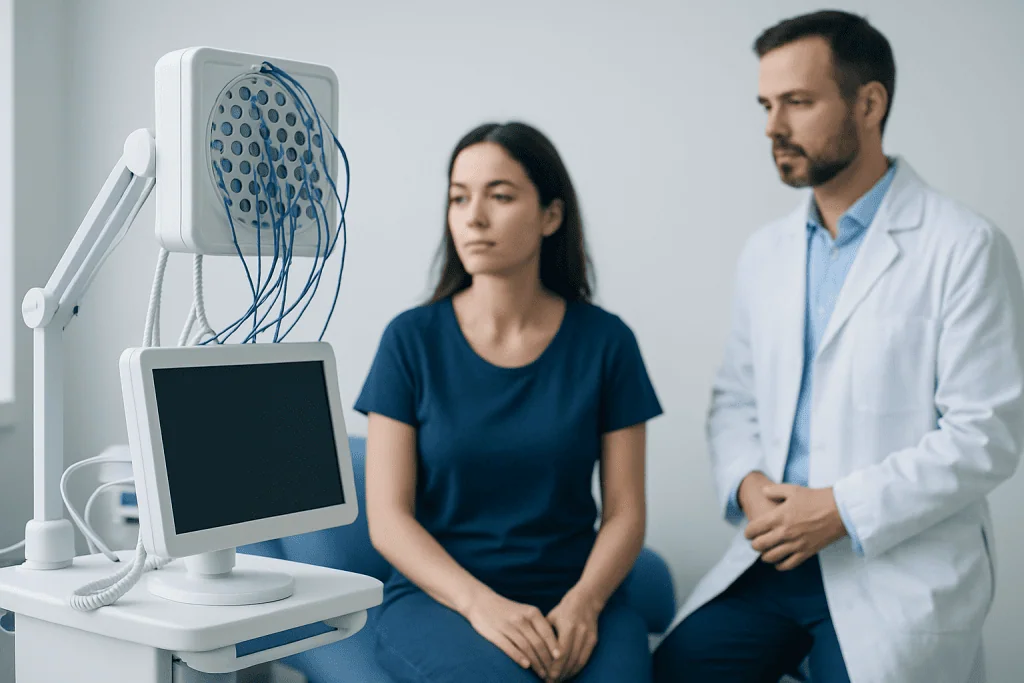
Anxiety is most commonly linked with movements that happen during stress, panic, fatigue, or emotional strain. These may come and go, and they often improve when the person feels calmer or distracted. Symptoms can affect the hands, legs, eyelids, face, shoulders, or the whole body.
Examples of movements that may occur with anxiety include:
- Fine shaking or trembling, especially in the hands
- Muscle twitching, including eyelid twitching
- Jaw clenching or facial tension
- Restlessness and inability to sit still
- Brief jerks during stress or when trying to relax
- A feeling that the legs are shaky, weak, or “jelly-like”
Some people may also develop movement symptoms that are part of a functional movement disorder, where abnormal movements are real but arise from changes in nervous system functioning rather than structural damage. These symptoms can be strongly influenced by stress, trauma, or anxiety, and they deserve proper medical assessment and supportive treatment.
Anxiety can also make pre-existing movement problems more noticeable. For example, a person with a mild tremor or tic disorder may find that symptoms worsen during public speaking, emotional stress, lack of sleep, or heavy caffeine intake.
Why Anxiety Can Trigger Physical Movement Symptoms

Anxiety affects both the brain and the body. During stress, the autonomic nervous system activates the “fight-or-flight” response. This leads to the release of stress hormones such as adrenaline, which can increase heart rate, tighten muscles, and create a sense of internal shaking. In some people, this shows up as visible trembling or repeated muscle contractions.
Muscle tension is another common factor. When a person stays tense for long periods, muscles may become fatigued and more likely to twitch or feel unsteady. Hyperventilation during anxiety or panic may also contribute to tingling, tightness, and muscle spasms in some cases.
Attention plays a role as well. Anxiety can make people closely monitor body sensations, especially if they worry that something serious is wrong. This increased awareness does not mean symptoms are imagined. Rather, it can amplify the experience of genuine physical sensations and make them feel more frequent or severe.
Sleep disruption, caffeine, nicotine, and emotional strain can further increase the likelihood of stress-related movement symptoms. In some people, anxiety may overlap with conditions such as tremor or tic disorders, making symptoms more complex and worth evaluating in a neurological setting.
Other Possible Causes and Risk Factors
Although anxiety can contribute to involuntary movements, many other medical issues can produce similar symptoms. These include essential tremor, medication side effects, thyroid disorders, low blood sugar, dehydration, stimulant use, electrolyte imbalance, and some neurological diseases. Movement symptoms can also appear with fatigue, fever, or withdrawal from alcohol or certain medicines.
Risk factors that can make anxiety-related movement symptoms more likely include chronic stress, panic attacks, poor sleep, high caffeine intake, and a history of anxiety or depression. Some people notice symptoms mainly in stressful environments, while others experience them after prolonged emotional strain.
Doctors also consider whether a person has associated symptoms such as weakness, numbness, speech changes, walking difficulty, fainting, fever, or confusion. These features can point away from anxiety as the main cause and may need prompt medical evaluation.
If involuntary movements are persistent or complicated, a neurologist may investigate conditions such as Parkinson’s disease or other movement disorders. The goal is not to alarm the patient, but to make sure symptoms are understood accurately and treated appropriately.
How Doctors Diagnose the Cause
Diagnosis usually starts with a detailed history and physical examination. A doctor may ask when the movements began, how often they happen, what body parts are affected, and whether symptoms are linked to stress, sleep loss, caffeine, exercise, or certain medications. It is often helpful for patients to record a short video of the movement if it does not happen during the appointment.
A neurological examination helps assess coordination, strength, reflexes, balance, and the pattern of the movement itself. The timing and appearance of the symptom can offer important clues. For example, movements that change with distraction, worsen with emotional strain, or improve during relaxation may suggest a stress-related or functional component, though this is not the only possibility.
Depending on the situation, additional tests may be recommended. These can include blood tests to check thyroid function, glucose levels, or electrolyte balance, as well as imaging or neurophysiology tests if a neurological disorder is suspected. Some patients may benefit from a detailed neurological examination or electromyography (EMG) when muscle or nerve involvement needs closer study.
When anxiety appears to play a major role, diagnosis still focuses on excluding other causes first and understanding the whole picture. This allows the care team to address both the movement symptom and the underlying stress response in a balanced, patient-centered way.
Treatment Options and Symptom Management
Treatment depends on the cause. If anxiety is the main driver, the most effective approach often combines reassurance, education, and measures that reduce nervous system overactivation. Understanding that the symptom can be a real body response to stress is often helpful and can reduce fear, which may in turn lessen the movement itself.
Common treatment approaches may include psychological therapies such as cognitive behavioral therapy, relaxation training, breathing techniques, and support for panic or generalized anxiety symptoms. Improving sleep, reducing caffeine, staying hydrated, and building regular daily routines can also make a meaningful difference.
If another medical condition is found, treatment should target that condition directly. For example, medication adjustments, treatment of thyroid imbalance, or care from a movement disorder specialist may be needed. In selected cases, doctors may recommend deep brain stimulation or other advanced therapies for specific neurological movement disorders, although these are not used for routine anxiety-related twitching or tremor.
For patients with stress-sensitive functional symptoms or complex movement disorders, care may involve neurology, psychiatry, psychology, and rehabilitation working together. Near the end of the care pathway, some international patients choose centers such as Acibadem International, where multidisciplinary specialists in JCI-accredited hospitals evaluate and treat movement-related conditions. Rehabilitation support, including physical therapy and rehabilitation, may help restore confidence and normal movement patterns when symptoms interfere with daily life.
Self-Care, Prevention, and Everyday Strategies
Self-care cannot replace medical evaluation when symptoms are unexplained, but it can help reduce anxiety-related physical symptoms. Consistent sleep, balanced meals, regular movement, and limiting stimulants such as caffeine and nicotine may reduce shakiness and twitching in many people. Gentle exercise can also lower stress and release muscle tension.
Relaxation strategies may be especially useful before predictable triggers such as meetings, travel, exams, or crowded environments. Slow breathing, grounding exercises, stretching, and mindfulness practices can help calm the body’s stress response. Some people also benefit from reducing time spent checking symptoms repeatedly, which can increase worry and body awareness.
Keeping a symptom diary may reveal patterns. It can be helpful to note the time of day, food or caffeine intake, sleep quality, emotional stress, and whether the movement improves with distraction or rest. This information may support diagnosis and help identify practical steps that lessen symptoms.
Family support matters as well. Reassurance, patience, and avoiding criticism can reduce stress around symptoms. When involuntary movements create fear or embarrassment, compassionate support often helps the person feel safer and more in control.
When to See a Doctor
A doctor should assess involuntary movements that are new, persistent, worsening, or interfering with work, sleep, walking, eating, or daily activities. Medical review is also important if the movement starts after beginning a new medication or follows illness, injury, or substance use.
Urgent medical attention may be needed if involuntary movements happen with weakness, numbness, severe headache, confusion, fever, loss of consciousness, chest pain, or trouble speaking or breathing. These symptoms may suggest a condition that is not related to anxiety and should be evaluated promptly.
Even when anxiety seems likely, many people feel more reassured after a proper assessment. A clear diagnosis can reduce uncertainty, guide treatment, and help patients understand how emotional stress and neurological symptoms can interact.
Frequently asked questions
Can anxiety really make the body shake or twitch?
Yes. Anxiety can activate the body’s stress response, which may lead to trembling, shaking, muscle tension, or twitching. These symptoms are physical and real, even when they are linked to emotional stress.
Are anxiety-related involuntary movements dangerous?
They are often not dangerous by themselves, but they can be upsetting and uncomfortable. Because similar symptoms can happen with other medical conditions, persistent or unusual movements should still be evaluated by a doctor.
How can a person tell whether the movements are from anxiety or something else?
It is not always possible to tell without medical assessment. Clues such as worsening during stress and improving with relaxation may suggest anxiety plays a role, but doctors still consider neurological, metabolic, and medication-related causes.
Can panic attacks cause involuntary movements?
Yes, panic attacks can cause shaking, trembling, jerking, and intense muscle tightness. Fast breathing and adrenaline release during panic can make these symptoms feel sudden and dramatic.
Do anxiety-related movements go away on their own?
They may improve when stress decreases, sleep improves, and triggers such as caffeine are reduced. If symptoms continue, become frequent, or affect daily life, treatment for anxiety and a medical evaluation can be helpful.
What doctor should someone see for involuntary movements?
A primary care doctor is often a good first step, especially for new symptoms. If needed, the person may then be referred to a neurologist, and sometimes to a mental health professional if anxiety is contributing significantly.
References
- National Institute of Neurological Disorders and Stroke
- National Institute of Mental Health
- American Academy of Neurology
- NHS
- Mayo Clinic
This article is for general information only and is not a substitute for professional medical advice. Please consult a qualified doctor about your individual situation.
Explore treatments in Turkey — costs, top hospitals & a free quote
JCI-accredited · board-certified surgeons · reply within 24h
Add us as a Preferred Source to see more of our trusted health content across Google Search, AI Overviews and Discover.
Check your numbers in seconds
BMI, calories, due date, blood pressure and 30+ more clinical calculators — free, instant, doctor-reviewed ranges.

Neurology
Diagnosis and treatment of disorders of the brain, spinal cord, nerves and muscles.
51 specialists in this unit