

Can Breathlessness Be Caused by Anxiety? Causes, Explanations, and Next Steps

Anxiety may create a genuine sensation of air hunger, chest tightness or difficulty taking a satisfying breath. Rapid or shallow breathing can lower carbon dioxide levels and cause tingling, light-headedness and further breathlessness.
Key Takeaways
- Anxiety may create a genuine sensation of air hunger, chest tightness or difficulty taking a satisfying breath.
- Rapid or shallow breathing can lower carbon dioxide levels and cause tingling, light-headedness and further breathlessness.
- Breathlessness can also result from heart, lung, blood, infection or other health conditions, so self-diagnosis is not reliable.
- Sudden severe breathlessness, chest pain, fainting, blue lips or confusion require urgent medical attention.
- Slow breathing, grounding and addressing anxiety can help, while recurrent symptoms benefit from a clinician’s assessment.
Can breathlessness be caused by anxiety? Yes. Anxiety can cause a real feeling of shortness of breath through changes in breathing, muscle tension and the body’s stress response; it is often not dangerous, but breathlessness should not automatically be attributed to anxiety without considering other causes. New, severe, recurring or unexplained symptoms deserve medical review, particularly when warning signs are present.
Overview: anxiety and the feeling of breathlessness
Yes, anxiety can cause breathlessness. During stress, worry, panic or fear, the body activates its normal “fight-or-flight” response. Breathing may become faster, shallower or more effortful, and a person may feel unable to get enough air even when oxygen levels are normal.
This experience is real and can be frightening. For many people, it settles as the stressful situation passes or with calming techniques. However, breathlessness has many possible causes, including respiratory and heart conditions, infections, anemia and medication effects. A symptom that is new, persistent, worsening or different from usual should be assessed rather than assumed to be anxiety.
Anxiety-related breathlessness often occurs alongside racing thoughts, a fast heartbeat, trembling, sweating, chest tightness, tingling or a sense of impending danger. It may happen during a panic attack, before a stressful event or while resting and focusing closely on breathing. Still, these features do not rule out a physical cause, especially in someone with known heart or lung disease.
Why anxiety can make breathing feel difficult
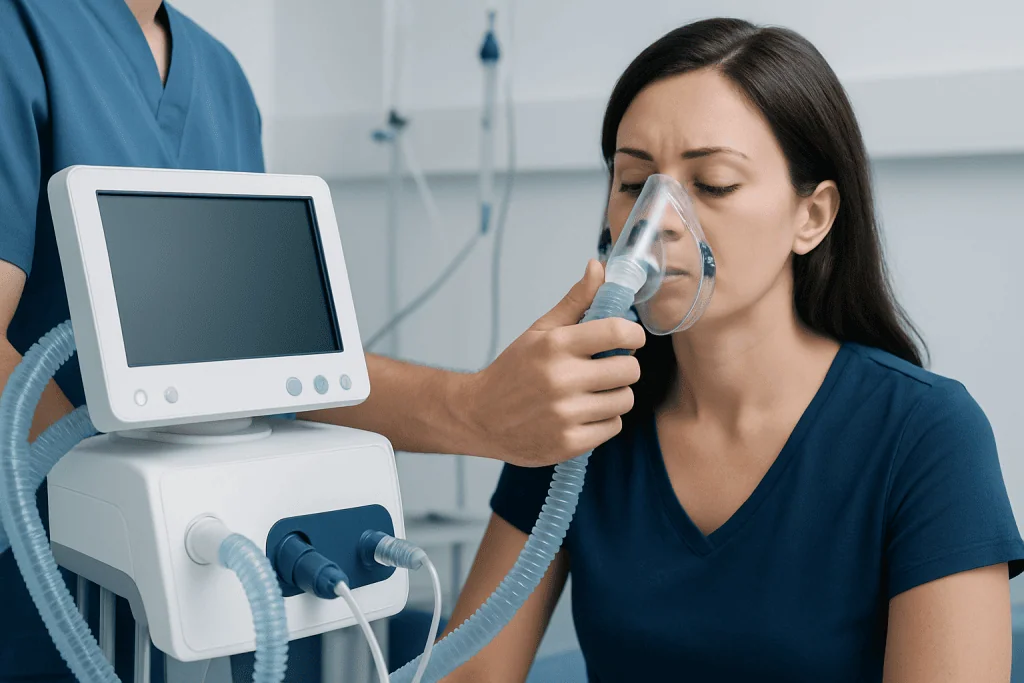
When the brain detects a threat, whether external or emotional, it prepares the body for action. Adrenaline can increase heart rate, tighten chest and neck muscles, and change the rate and depth of breathing. These normal changes can make breathing feel labored, tight or unsatisfying.
Some people begin to overbreathe, also called hyperventilation. This does not always mean visibly dramatic or very rapid breathing; even subtle shallow breathing can remove carbon dioxide from the blood faster than the body produces it. Lower carbon dioxide levels may lead to dizziness, tingling around the mouth or in the hands, numbness, chest discomfort and a sense that more air is needed. The resulting worry can then intensify the breathing pattern.
People may also repeatedly sigh, yawn or try to take deep breaths to “test” whether they can fill their lungs. Although understandable, this can maintain attention on bodily sensations and reinforce the cycle. Anxiety-related symptoms are often variable, may improve with distraction or reassurance, and can fluctuate over minutes to hours. These patterns can provide useful clues, but they are not a substitute for clinical evaluation.
How anxiety-related breathlessness may feel

Breathlessness describes an uncomfortable awareness of breathing rather than one single symptom. A person may describe air hunger, an inability to take a full breath, tightness in the chest or throat, a need to sigh frequently, or feeling winded without a clear physical reason. Symptoms may come on quickly and peak during periods of intense anxiety.
Other anxiety symptoms can occur at the same time. These may include palpitations, sweating, shaking, nausea, dry mouth, dizziness, tingling, difficulty concentrating and fear of losing control. A panic attack can be intense, but it generally reaches a peak within minutes and then begins to ease. Repeated panic attacks or ongoing fear of another episode can affect daily life and are treatable.
In contrast, breathlessness caused by exertion, a respiratory infection or an underlying heart or lung problem may be more consistently linked to activity, lying flat, coughing, fever, wheezing or swelling in the legs. There can be overlap, and anxiety can coexist with asthma, chronic obstructive pulmonary disease, heart disease or other conditions. This is why it is important not to dismiss symptoms simply because a person also feels anxious.
Other causes a doctor may consider
Common physical causes of breathlessness include asthma, respiratory infections, allergies, pneumonia, chronic lung disease and blood clots in the lungs. Heart-related causes can include heart rhythm disturbances, heart failure or reduced blood flow to the heart. Low red blood cell levels (anemia), thyroid disorders, obesity, reduced fitness, reflux, pregnancy and some medicines may also contribute.
A clinician will consider the person’s age, medical history, medications, smoking or vaping exposure, recent travel or surgery, pregnancy status, family history and the exact timing of symptoms. They may ask whether breathlessness occurs at rest, during exercise, at night, after meals, or in particular places or situations. Associated symptoms such as cough, wheeze, fever, leg swelling, palpitations, pain or weight change also help guide the assessment.
Anxiety can be both a cause and a consequence of breathlessness. For example, someone with asthma may become understandably anxious when symptoms begin, and anxiety may then make the episode feel worse. Managing both the underlying physical condition and the emotional response usually provides the best support.
When to seek medical care
Urgent medical care is needed for sudden or severe breathlessness, especially if it occurs with chest pressure or pain, fainting, confusion, blue or gray lips or face, coughing up blood, severe wheezing, a very fast or irregular heartbeat, or one-sided leg pain or swelling. Emergency assessment is also important when breathlessness follows a serious allergic reaction, injury, recent surgery or prolonged immobility.
A prompt, non-emergency medical appointment is appropriate for new or recurrent breathlessness, symptoms that are getting worse, breathlessness that wakes someone from sleep, reduced ability to manage normal activities, or symptoms accompanied by fever, persistent cough, unexplained fatigue or swelling. People with known heart or lung conditions should follow their established care plan and seek advice if symptoms change.
Even when anxiety seems likely, speaking with a qualified clinician can be reassuring and useful. It can help identify treatable physical contributors, clarify whether panic or generalized anxiety may be involved, and create a plan for managing future episodes safely.
What happens during medical assessment
A doctor will begin by listening carefully to the history of the symptom and performing a physical examination. This commonly includes checking breathing rate, pulse, blood pressure, temperature and oxygen saturation, as well as listening to the heart and lungs. The assessment is tailored to the individual; not everyone needs extensive testing.
Depending on the symptoms and risk factors, tests may include an electrocardiogram to assess heart rhythm, blood tests such as a full blood count, chest imaging, lung function testing or tests for infection. These investigations can help identify or exclude conditions such as anemia, asthma, infection or heart-related problems. In some situations, urgent tests are necessary to rule out a blood clot or acute heart condition.
If no physical cause is found and the pattern is consistent with anxiety, the clinician may ask about stress, sleep, mood, panic symptoms, avoidance and the effect on daily activities. This does not mean the symptom is “all in the mind.” It means the physical sensations may be arising from a nervous-system response that can be understood and treated.
Managing anxiety-related breathlessness
During a mild episode, it can help to pause, sit upright with the shoulders relaxed, and gently slow the breath. Rather than forcing a large breath in, a person can aim for a comfortable, unhurried inhale followed by a slightly longer exhale. Breathing into a paper bag is not recommended, because it can be unsafe if the cause is not anxiety or if oxygen levels are low.
Grounding techniques may reduce the body’s alarm response. Examples include naming things that can be seen or heard, placing both feet firmly on the floor, relaxing the jaw and shoulders, or focusing attention on a neutral activity. Limiting stimulants such as excess caffeine, maintaining regular sleep, eating regularly and engaging in gradual physical activity when medically appropriate can also support anxiety management.
For recurrent symptoms, talking therapies such as cognitive behavioral therapy can help people recognize the cycle between anxious thoughts, body sensations and breathing behaviors. A doctor or mental health professional may discuss additional treatment when anxiety significantly affects work, relationships, sleep or daily functioning. Acibadem International’s multidisciplinary specialists and JCI-accredited hospitals can assess breathlessness and coordinate care for international patients when needed.
Frequently asked questions
Can anxiety cause shortness of breath even when oxygen levels are normal?
Yes. Anxiety can change breathing patterns and increase awareness of normal breathing sensations, creating a strong feeling of air hunger or chest tightness. In many anxiety-related episodes, oxygen levels remain normal, but only an appropriate clinical assessment can determine whether another cause is present.
How long can anxiety-related breathlessness last?
A brief panic-related episode often peaks within minutes and gradually eases, although milder breathing discomfort can last longer if stress or hyperventilation continues. Recurrent or persistent symptoms should be discussed with a clinician, particularly if they affect activity or occur without an obvious anxiety trigger.
How can someone tell whether breathlessness is anxiety or a heart or lung problem?
It is not always possible to tell based on symptoms alone. Anxiety is more likely when symptoms occur with fear, tingling, trembling or a clear stress trigger, but heart and lung conditions may coexist. New, severe, exertional or persistent breathlessness needs medical evaluation.
Can a panic attack cause chest tightness and a racing heart?
Yes. A panic attack can cause chest tightness, palpitations, sweating, shaking, dizziness and breathlessness through activation of the stress response. Because similar symptoms can occur with urgent medical conditions, first-time, severe or unusual episodes should be assessed promptly.
What breathing technique is safest during anxiety?
A gentle, slower breathing pattern is generally helpful: relax the shoulders, breathe in comfortably, and allow the exhale to be a little longer than the inhale. Avoid forcing deep breaths or using a paper bag. If breathlessness is severe or accompanied by warning signs, seek urgent care instead of trying to manage it alone.
Should someone see a doctor for breathlessness that improves with relaxation?
It is still sensible to discuss recurrent or new symptoms with a doctor, even if relaxation helps. Improvement with calming measures can suggest anxiety is involved, but it does not reliably exclude asthma, anemia, heart rhythm problems or other medical causes.
References
- American Lung Association
- American Heart Association
- National Institute of Mental Health
- National Health Service
- Mayo Clinic
This article is for general information only and is not a substitute for professional medical advice. Please consult a qualified doctor about your individual situation.
Explore treatments in Turkey — costs, top hospitals & a free quote
JCI-accredited · board-certified surgeons · reply within 24h
Add us as a Preferred Source to see more of our trusted health content across Google Search, AI Overviews and Discover.
Check your numbers in seconds
BMI, calories, due date, blood pressure and 30+ more clinical calculators — free, instant, doctor-reviewed ranges.

More from the Health Library


Related Specialists

Dr. M. Tanzer Ölçer
Internal Medicine
Dr. Funda Kılıç
Clinical Laboratory
Dr. Abdullah Derin
Internal Medicine
Dr. Ayşe İrem İskenderoğlu
Aesthetic Plastic & Reconstructive Surgery