Can Endometriosis Kill You? A Doctor-Reviewed Answer

Endometriosis is not usually life-threatening, but its complications can sometimes require urgent care. Severe pelvic pain, fainting, very heavy bleeding, bowel blockage symptoms, or trouble passing urine should not be ignored.
Key Takeaways
- Endometriosis is not usually life-threatening, but its complications can sometimes require urgent care.
- Severe pelvic pain, fainting, very heavy bleeding, bowel blockage symptoms, or trouble passing urine should not be ignored.
- Doctors diagnose endometriosis using medical history, pelvic examination, imaging, and sometimes laparoscopy.
- Treatment focuses on symptom control, protecting fertility when relevant, and managing complications.
- Early medical review can improve quality of life and help prevent prolonged pain and organ damage.
Can endometriosis kill you? In most cases, no. Endometriosis is usually a chronic, non-cancerous condition, but it can cause severe pain, fertility problems, organ-related complications, and symptoms that should be assessed promptly by a doctor.
Overview: the short answer
For most people, the answer to “can endometriosis kill you” is no. Endometriosis is usually not a fatal condition, and many people live with it for years without life-threatening complications. However, that does not mean it should be dismissed, because it can cause significant pain, fatigue, fertility problems, and, in some cases, complications that need urgent medical attention.
Endometriosis happens when tissue similar to the lining of the uterus grows outside the uterus, often on the ovaries, fallopian tubes, pelvic lining, bowel, bladder, or deeper pelvic structures. This tissue can respond to monthly hormonal changes, leading to inflammation, scarring, and adhesions. Over time, these changes can affect daily life, work, relationships, sleep, and emotional well-being.
The most important point is reassurance with realism: endometriosis itself is rarely deadly, but symptoms such as sudden severe pain, fainting, signs of heavy internal or external bleeding, vomiting with abdominal swelling, or difficulty urinating may signal a serious problem. These situations deserve medical review right away rather than waiting to see if they pass.
Why endometriosis is usually not life-threatening
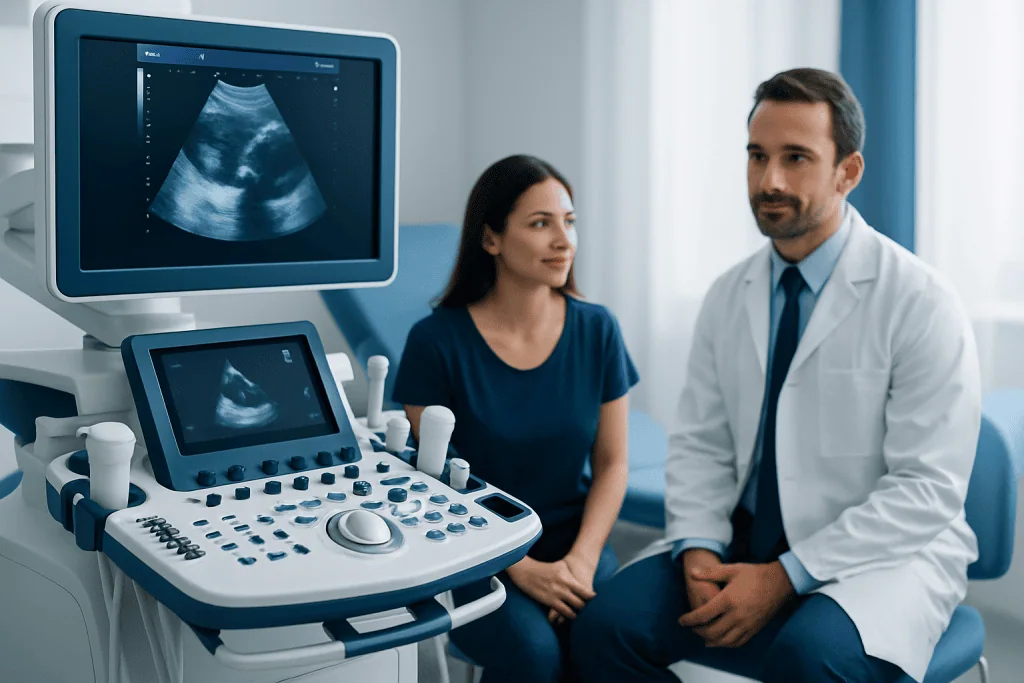
Endometriosis is considered a benign gynecologic condition, which means it is not the same as cancer and does not usually threaten life directly. Its main effects are chronic inflammation, pain, scar tissue formation, and involvement of nearby organs. For many patients, the condition is long-term and distressing, but it remains medically manageable.
That said, “not usually life-threatening” is different from “harmless.” Severe menstrual pain, pain during sex, pain with bowel movements, or persistent pelvic pain can become disabling. Some people also develop ovarian cysts called endometriomas, fertility difficulties, bowel or bladder symptoms, and ongoing fatigue. These problems can be substantial even when they are not dangerous.
In rare situations, complications may become serious. Examples include bowel obstruction, ureter blockage affecting kidney function, significant bleeding, rupture of an ovarian cyst, or severe infection after a related event. A doctor’s role is to separate the common but manageable symptoms from the uncommon red flags that need urgent care.
Symptoms and red flags that should not be ignored
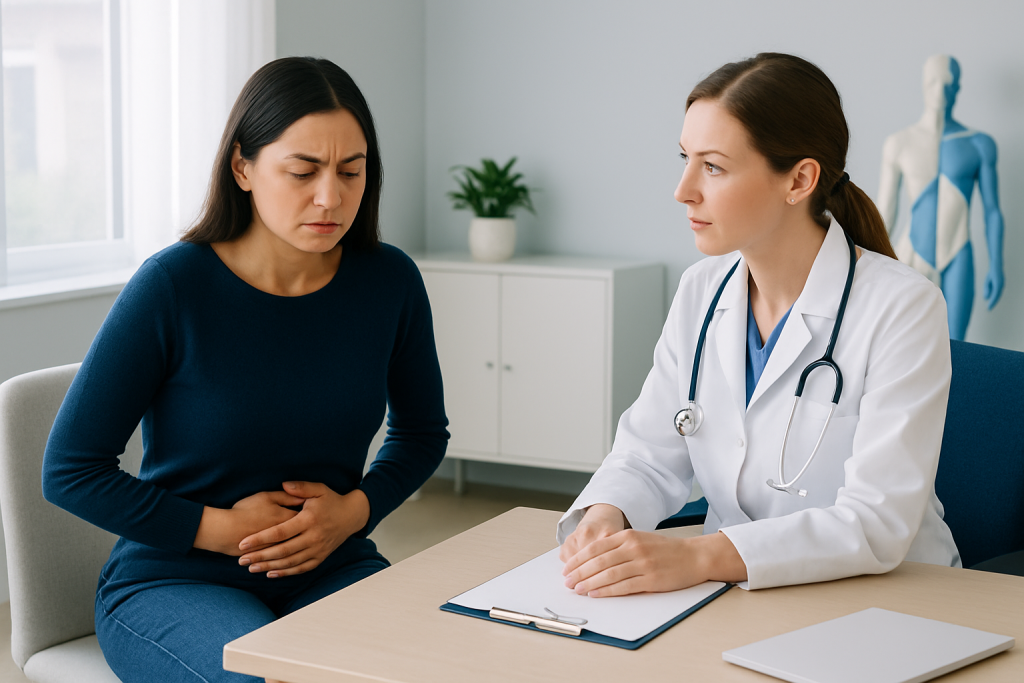
Common symptoms of endometriosis include painful periods, chronic pelvic pain, pain during or after sex, pain with urination or bowel movements, bloating, fatigue, and difficulty becoming pregnant. Symptoms often worsen around menstruation, but some people have daily pain or symptoms that vary from month to month. Others have extensive endometriosis with surprisingly mild symptoms, which is one reason the condition can be difficult to recognize early.
Most symptoms are not dangerous in the moment, but certain warning signs deserve more prompt assessment. These include sudden, intense pelvic or abdominal pain unlike the person’s usual pattern; severe nausea or vomiting with abdominal swelling; inability to pass stool or gas; blood in the urine or stool; difficulty passing urine; fainting; chest pain or shortness of breath during the menstrual period; or extremely heavy bleeding causing weakness or dizziness.
It is also important to seek medical advice if pain is escalating, if over-the-counter pain relief is no longer helping, or if symptoms are interfering with school, work, sleep, or fertility goals. Endometriosis can overlap with conditions such as ovarian cysts, fibroids, pelvic inflammatory disease, or digestive disorders, so a proper assessment helps identify the true cause.
- Seek urgent care for severe sudden pain, collapse, heavy bleeding, or bowel or urinary blockage symptoms.
- Arrange a medical review for ongoing pelvic pain, painful periods, pain with sex, or fertility concerns.
- Do not assume all pelvic pain is “normal,” even if it happens every month.
Can endometriosis cause serious complications?
Although uncommon, endometriosis can contribute to complications that become medically significant. Scar tissue and adhesions may pull organs out of their usual position. Deep endometriosis can affect the bowel, bladder, or ureters, the tubes that carry urine from the kidneys to the bladder. If a ureter becomes blocked, pressure can build up in the kidney over time and gradually impair kidney function, sometimes without obvious early symptoms.
Bowel involvement may cause constipation, painful bowel movements, rectal bleeding during periods, or, more rarely, bowel narrowing or obstruction. An endometrioma on the ovary may sometimes leak or rupture and cause sudden severe pain. Endometriosis is also linked with fertility problems, not because it is fatal, but because inflammation and scarring can interfere with normal reproductive function.
There is also a small association between endometriosis and certain ovarian cancers, but endometriosis does not mean a person will develop cancer. The overall risk remains low, and most patients with endometriosis never develop ovarian cancer. A doctor may recommend evaluation if there is a persistent ovarian mass, symptoms changing after menopause, unexplained weight loss, or other concerning features.
Because symptoms can overlap, doctors may also consider related pelvic conditions such as endometriosis itself, ovarian cysts, fibroids, or digestive disease. Careful assessment helps identify whether symptoms reflect uncomplicated disease or a complication that needs faster treatment.
How doctors evaluate possible endometriosis and its risks
Doctors begin with a detailed history. They ask when the pain occurs, whether it is linked to menstruation, where it is felt, how severe it is, and whether there are bowel, bladder, sexual, or fertility symptoms. They also ask about prior surgeries, family history, menstrual bleeding patterns, and medicines already tried. This step is especially helpful because symptoms alone do not always match the extent of disease.
A pelvic examination may identify tenderness, nodules, limited organ movement, or an enlarged ovary. Imaging is often the next step. Pelvic ultrasound can help detect ovarian endometriomas and rule out other causes of pain. In some cases, MRI is used to map deeper disease and assess how close it is to the bowel, bladder, or ureters. If pain, urinary symptoms, or bowel symptoms suggest wider involvement, further tests may be recommended.
The only way to confirm endometriosis with certainty is usually by surgery, most commonly laparoscopy, where a surgeon looks inside the pelvis and may take a tissue sample. However, many patients are treated based on symptoms and imaging without immediate surgery. The goal is not simply to name the condition, but to understand severity, exclude emergencies, and create a plan that fits the person’s symptoms and reproductive goals.
When imaging or specialist review is needed, doctors may use approaches similar to those involved in MRI scanning and laparoscopy to clarify the diagnosis and assess complications safely.
Treatment options and what they are meant to prevent
Treatment aims to reduce pain, limit inflammation, preserve organ function, and support fertility when relevant. The right plan depends on age, symptom severity, whether pregnancy is desired, how extensive the disease appears, and whether bowel, bladder, or ovarian structures are affected. Some people do well with medical treatment alone, while others benefit from surgery.
Common non-surgical approaches include pain relief medicines and hormonal treatments that reduce or suppress menstrual cycling. These options may help shrink symptoms, although they do not cure endometriosis permanently. They can be useful for long-term symptom control and may help prevent repeated inflammatory flares.
Surgery may be considered if there is severe pain, an ovarian cyst that needs evaluation, infertility linked to endometriosis, or suspected bowel or urinary tract involvement. Depending on the findings, treatment may include removal of endometriosis deposits, release of adhesions, or management of associated ovarian cysts. For selected patients, endometriosis surgery can improve symptoms and address complications more directly.
If fertility is a major concern, a gynecologist or fertility specialist may discuss timing, ovarian reserve, and options such as IVF treatment when appropriate. Near the end of the care pathway, some international patients choose centers such as Acibadem International, where multidisciplinary specialists in JCI-accredited hospitals diagnose and treat endometriosis and related pelvic conditions.
When to seek medical care
Medical review is advisable whenever pelvic pain is persistent, worsening, or affecting normal life. Even if symptoms have been present for years, a doctor should reassess if they become more intense, stop responding to usual medicines, or are accompanied by new bowel, urinary, or fertility problems. A planned appointment is also sensible for very painful periods, pain during sex, or repeated missed work or school because of symptoms.
Urgent care is important for sudden severe abdominal or pelvic pain, vomiting, abdominal swelling, inability to pass urine, inability to pass stool or gas, fainting, heavy bleeding with dizziness, or chest symptoms such as shortness of breath. These are not the most common signs of endometriosis, but they may indicate a complication or another condition that needs prompt treatment.
If there is uncertainty, it is safer to be assessed than to wait. Early review can identify whether symptoms are due to uncomplicated endometriosis, a cyst, a urinary or bowel problem, pregnancy-related issues, or another acute cause of pelvic pain. Prompt diagnosis often leads to better symptom control and less disruption to daily life.
Frequently asked questions
Can endometriosis kill you if it is left untreated?
Usually, no. Endometriosis is not typically fatal, but untreated disease can lead to chronic pain, fertility problems, and, in rare cases, complications involving the bowel, bladder, or kidneys. Ongoing symptoms should be evaluated so treatment can be planned appropriately.
What symptoms of endometriosis are an emergency?
Emergency symptoms include sudden severe pelvic or abdominal pain, fainting, very heavy bleeding, vomiting with abdominal swelling, inability to pass urine, or signs of bowel blockage. These symptoms can be caused by endometriosis complications or by other urgent conditions, so prompt medical care is important.
Can endometriosis spread to other organs?
Endometriosis can involve organs near the uterus, including the ovaries, bowel, bladder, and ureters. In uncommon cases it may affect areas outside the pelvis, such as the diaphragm or chest. Organ involvement does not mean the condition is cancer, but it may require specialist assessment.
Does severe pain mean the disease is dangerous?
Not always. Pain severity does not reliably show how extensive endometriosis is, and some people with mild disease have severe pain while others with deeper disease have less pain. Still, new, intense, or rapidly worsening pain should be reviewed by a doctor.
Can endometriosis cause cancer?
Endometriosis itself is not cancer. There is a small association with certain ovarian cancers, but the overall risk remains low and most people with endometriosis do not develop cancer. A doctor may recommend follow-up if there is a persistent ovarian mass or other concerning features.
How do doctors confirm endometriosis?
Doctors usually start with a symptom history, pelvic exam, and imaging such as ultrasound or MRI. The most definitive confirmation is typically made with laparoscopy, where a surgeon can see the lesions directly and sometimes take a tissue sample. Not everyone needs surgery immediately to begin treatment.
References
- World Health Organization
- American College of Obstetricians and Gynecologists
- National Institute for Health and Care Excellence
- European Society of Human Reproduction and Embryology
- Office on Women's Health
This article is for general information only and is not a substitute for professional medical advice. Please consult a qualified doctor about your individual situation.
Endometriosis in Turkey — costs, top hospitals & a free quote
JCI-accredited · board-certified surgeons · reply within 24h
Add us as a Preferred Source to see more of our trusted health content across Google Search, AI Overviews and Discover.

Gynecology & Obstetrics
Women’s health across pregnancy, gynecologic surgery and high-risk pregnancy care.
187 specialists in this unitMore from the Health Library



Related Specialists

Dr. Tülay Tekin
Acibadem Life Clinical Service
Dr. Tülay Uyanık Demirbey
Anesthesiology
Prof. Dr. M. Faruk Köse
Gynecology & Obstetrics
Mehmet Sabah Ateş
Physical Medicine & Rehabilitation