Can Hemorrhoids Cause Constipation? A Doctor-Reviewed Answer

Hemorrhoids do not usually block the bowel, but they can make constipation worse by causing pain during bowel movements. Avoiding or delaying stool because of discomfort can lead to harder, drier stools and straining.
Key Takeaways
- Hemorrhoids do not usually block the bowel, but they can make constipation worse by causing pain during bowel movements.
- Avoiding or delaying stool because of discomfort can lead to harder, drier stools and straining.
- Rectal bleeding, severe pain, weight loss, fever, or a new change in bowel habits should be medically assessed.
- Doctors often diagnose hemorrhoids and constipation with a symptom review, physical exam, and sometimes rectal examination or additional tests.
- Treatment focuses on easing stool passage, reducing straining, and addressing the hemorrhoids if symptoms continue.
Yes—hemorrhoids can contribute to constipation indirectly, most often because pain, swelling, or fear of passing stool leads a person to delay bowel movements. In many cases this is manageable, but persistent symptoms, bleeding, or significant pain should be reviewed by a doctor.
Overview: the short answer
For most people, the answer to can hemorrhoids cause constipation is: not directly, but they can contribute to it. Hemorrhoids are swollen veins in or around the anus and lower rectum. They do not usually create a physical blockage in the intestines, yet the discomfort they cause can make a person put off having a bowel movement.
This delay matters because stool stays in the colon longer, where more water is absorbed. That can make stool harder, drier, and more difficult to pass. In this way, hemorrhoids and constipation can become part of the same cycle: constipation leads to straining, straining worsens hemorrhoids, and painful hemorrhoids then make constipation more likely.
In many cases, this is not a sign of a dangerous condition and improves with bowel habit changes, hydration, and symptom relief. Still, blood in the stool, ongoing pain, or constipation that does not improve should not be ignored, because other digestive or anorectal conditions can cause similar symptoms.
How hemorrhoids can make constipation more likely
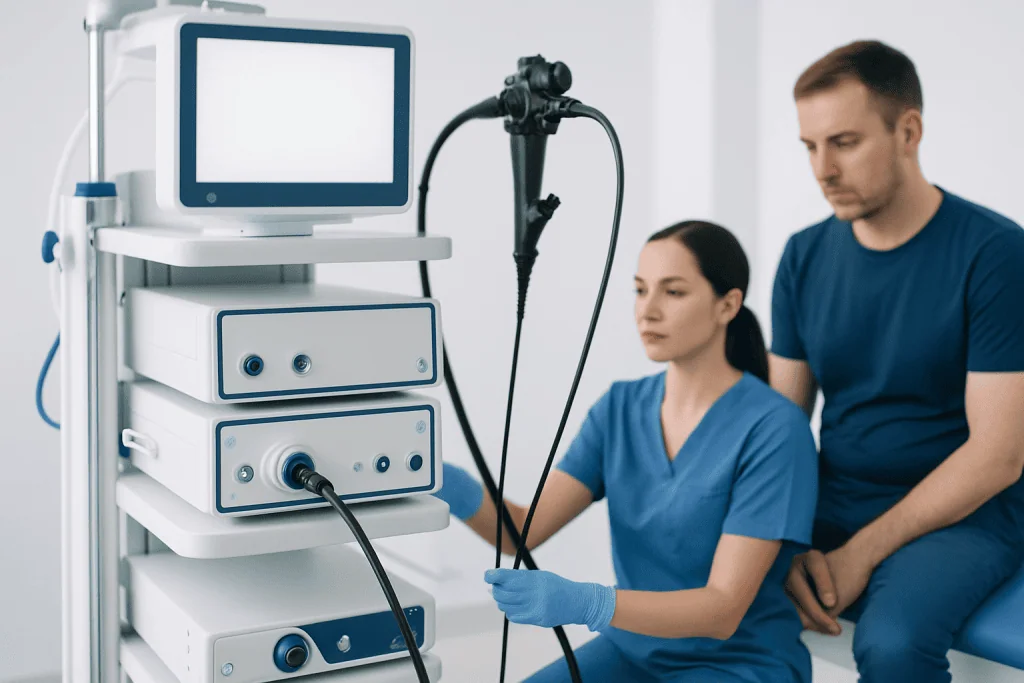
Hemorrhoids are most commonly linked to constipation through behavior and discomfort rather than through obstruction. When bowel movements become painful, some people consciously or unconsciously avoid using the toilet. Even postponing stool regularly for a few days can lead to larger, harder bowel movements.
External hemorrhoids may be especially uncomfortable if they are swollen or irritated. Internal hemorrhoids can also cause symptoms such as pressure, irritation, or bleeding. If a person starts to associate bowel movements with pain, they may strain differently, rush, sit too long on the toilet, or avoid going altogether, which can worsen symptoms on both sides.
Constipation itself can also aggravate hemorrhoids. Repeated straining increases pressure in the rectal veins. Passing hard stool can irritate the lining of the anus and rectum, adding to pain and swelling. That is why treatment usually addresses both issues together rather than viewing them as completely separate problems.
It is also important to remember that not every person with hemorrhoids becomes constipated. Some people have hemorrhoids with normal bowel habits, while others have constipation due to diet, medications, low activity, pelvic floor problems, or another digestive condition such as irritable bowel syndrome.
Symptoms to watch for

Hemorrhoids may cause itching, burning, soreness, swelling around the anus, or bright red blood on toilet paper or in the bowl. Some people feel a lump near the anus, especially with external hemorrhoids. Internal hemorrhoids may not hurt much at first, but they can bleed or prolapse, meaning they bulge outside the anal opening.
Constipation usually means fewer bowel movements than is normal for that person, hard or lumpy stools, excessive straining, or a sense that the bowel movement was incomplete. When hemorrhoids and constipation occur together, people often describe a pattern of avoiding the toilet because they expect pain.
Certain symptoms deserve more attention because they are not typical of simple hemorrhoids alone. These include black or tarry stools, bleeding mixed into the stool rather than just on the surface, severe or worsening rectal pain, unexplained weight loss, fever, vomiting, abdominal swelling, or a major change in bowel habits that lasts more than a few weeks.
- Common symptom pattern: hard stool, straining, anal discomfort, and small amounts of bright red bleeding
- Possible warning sign: significant bleeding, dizziness, persistent change in bowel habits, or pain that prevents normal activity
- Useful clue: constipation caused mainly by fear of pain often improves once pain is controlled and stools are softened
Other causes of constipation that may be confused with hemorrhoids
Although hemorrhoids can contribute to constipation, they are not the only explanation. Low fiber intake, dehydration, limited physical activity, travel, pregnancy, and routine changes are very common causes. Some medicines can also slow the bowel, including certain pain medicines, iron supplements, and some antidepressants.
In other cases, constipation may relate to pelvic floor dysfunction, thyroid disease, diabetes, neurological conditions, or structural problems of the bowel. Anal fissures can also be mistaken for hemorrhoids because they cause pain and bleeding with bowel movements, and they too can lead a person to avoid passing stool. Inflammatory bowel conditions and rectal disorders may produce overlapping symptoms that need medical evaluation.
If constipation is persistent, severe, or new in an older adult, a doctor may look beyond hemorrhoids for an underlying cause. This is especially important when symptoms are accompanied by abdominal pain, anemia, or weight loss. A careful review helps determine whether the issue is mainly functional, related to hemorrhoids, or linked to another condition such as colon cancer, which requires a different approach.
How doctors diagnose the problem
Doctors usually begin with a symptom history. They ask when the constipation started, how often bowel movements happen, what the stool looks like, whether there is bleeding, and whether there is pain during or after passing stool. It also helps to discuss diet, hydration, medication use, pregnancy, recent travel, and any family history of bowel disease.
A physical examination may include inspection of the anal area and, when appropriate, a gentle digital rectal examination. This can help identify external hemorrhoids, swelling, fissures, tenderness, or stool in the rectum. Depending on age, symptoms, and risk factors, the doctor may recommend further evaluation to rule out other causes of bleeding or persistent constipation.
Additional tests are not needed for everyone. However, they may include blood tests, stool testing, or endoscopic evaluation. When bleeding, ongoing bowel changes, or screening needs are present, a doctor may suggest a colonoscopy to examine the colon and rectum more closely. This step is guided by the person’s symptoms and overall risk rather than by hemorrhoids alone.
This diagnostic process is often reassuring because it can confirm a common, treatable cause and identify when something more needs attention. The aim is not only to diagnose hemorrhoids but also to understand why constipation is happening and how to break the cycle safely.
Treatment options: relieving both hemorrhoids and constipation
Treatment works best when it targets the bowel habit and the hemorrhoid symptoms at the same time. The first goal is to make stools softer and easier to pass so that straining decreases. That often includes drinking enough fluids, increasing dietary fiber gradually, staying physically active, and establishing an unhurried toilet routine without prolonged sitting.
Doctors may also recommend short-term symptom relief measures such as warm sitz baths, gentle cleansing, and selected over-the-counter products when suitable. Stool-softening or bowel-regulating medications may be used under medical guidance, especially if hard stool is continuing the pain cycle. Because many causes of constipation exist, the most appropriate treatment depends on the person’s full history.
If hemorrhoids remain painful, bleed often, or prolapse, procedural treatment may be considered. Depending on the type and severity, a specialist may discuss options such as hemorrhoid treatment or evaluation by experts in gastroenterology. In people with severe, chronic constipation where standard measures do not help, a broader digestive assessment may be needed.
Near the end of the care pathway, some patients benefit from coordinated specialist review. Acibadem International’s multidisciplinary specialists in JCI-accredited hospitals diagnose and treat hemorrhoids and related digestive complaints for international patients when further evaluation is needed.
Self-care and prevention
Preventing recurrence usually means reducing strain on the rectal veins and supporting regular bowel movements. A fiber-rich eating pattern from fruits, vegetables, legumes, and whole grains can help, but it is best increased gradually to avoid bloating. Fluids are also important because fiber works best when the body is well hydrated.
Responding to the urge to have a bowel movement is another helpful habit. Ignoring the urge repeatedly can contribute to stool retention and harder stools. Many people also benefit from limiting the time spent sitting on the toilet and avoiding forceful straining, which can worsen both hemorrhoids and constipation.
Regular walking or other physical activity can stimulate bowel function. During flare-ups, gentle hygiene and warm baths may ease local discomfort. If constipation is frequent or self-care is not enough, medical advice is worthwhile rather than repeatedly relying on laxatives without guidance.
- Eat fiber regularly and increase it slowly
- Drink fluids consistently through the day
- Go to the toilet when the urge appears
- Avoid prolonged sitting and heavy straining
- Seek advice if symptoms keep returning
When to seek medical care
Medical review is sensible if constipation lasts more than a few weeks, keeps coming back, or is accompanied by pain that makes bowel movements difficult to tolerate. It is also important to seek care for frequent rectal bleeding, a new lump, or symptoms that do not improve with basic self-care.
Urgent assessment is needed for heavy bleeding, faintness, black stools, severe abdominal pain, vomiting, inability to pass stool or gas, fever, or rapidly worsening rectal pain. These symptoms may point to a problem other than uncomplicated hemorrhoids and should not be treated at home alone.
People over routine screening age, those with a family history of colorectal disease, and anyone with unexplained weight loss or anemia should be especially careful not to assume all bleeding comes from hemorrhoids. A doctor can decide whether the symptoms fit hemorrhoids, constipation, or another digestive condition and advise the safest next step.
Frequently asked questions
Can hemorrhoids physically block stool?
Usually no. Hemorrhoids do not commonly block the bowel, but they can make passing stool painful enough that a person delays bowel movements. That delay can lead to harder stools and worsening constipation.
Why do I feel constipated when I have hemorrhoids?
Many people feel constipated because pain, swelling, or fear of bleeding makes them avoid using the toilet. When stool stays in the colon longer, it becomes drier and more difficult to pass. Straining can then worsen the hemorrhoids and continue the cycle.
Is bleeding with constipation always caused by hemorrhoids?
No. Bright red blood can happen with hemorrhoids, but fissures, inflammation, polyps, and other bowel conditions can also cause bleeding. Any persistent, heavy, or unexplained bleeding should be assessed by a doctor.
Will treating constipation help hemorrhoids?
Often, yes. Softer stools and less straining can reduce pressure on the rectal veins and allow irritated tissue to settle. Many treatment plans focus on bowel regularity as a central part of hemorrhoid relief.
When should constipation with hemorrhoids be checked by a doctor?
A doctor should review symptoms if constipation lasts more than a few weeks, keeps returning, or comes with significant pain or bleeding. Medical care is also important if there is weight loss, black stools, fever, severe abdominal pain, or a noticeable change in normal bowel habits.
Can stress make this problem worse?
Stress may affect bowel habits in some people by changing routine, hydration, eating patterns, or gut function. It does not directly cause hemorrhoids, but it can contribute to constipation and make symptoms feel more disruptive. Addressing bowel habits and stress together may be helpful.
This article is for general information only and is not a substitute for professional medical advice. Please consult a qualified doctor about your individual situation.
Hemorrhoids in Turkey — costs, top hospitals & a free quote
JCI-accredited · board-certified surgeons · reply within 24h
Add us as a Preferred Source to see more of our trusted health content across Google Search, AI Overviews and Discover.

General Surgery
Open, laparoscopic and robotic surgery for a broad range of abdominal and soft-tissue conditions.
119 specialists in this unitMore from the Health Library

What Does Depression Feel Like? A Doctor-Reviewed Answer

Eczema Rash: Possible Causes and When to Seek Care

What Is Reiki? A Doctor-Reviewed Answer

Why Am I Waking Up with Headaches? A Doctor-Reviewed Answer

Minor Shingles Rash Pictures Explained: Common Triggers and Red Flags