Can Lack of Sleep Cause Neurological Problems?

Sleep is essential for memory, attention, emotional balance, and brain recovery. Short-term sleep loss can cause brain fog, irritability, headaches, and reduced coordination.
Key Takeaways
- Sleep is essential for memory, attention, emotional balance, and brain recovery.
- Short-term sleep loss can cause brain fog, irritability, headaches, and reduced coordination.
- Long-term poor sleep is linked to higher risks of cognitive decline, stroke, and worsening of some neurological conditions.
- Not every neurological symptom is caused by sleep loss, so persistent or severe symptoms need medical evaluation.
- Improving sleep habits and treating underlying sleep disorders can protect brain health.
Lack of sleep can affect the brain in noticeable ways, from poor concentration and memory lapses to mood changes and slower reaction times. When sleep loss becomes chronic, it may also increase the risk of longer-term neurological and overall health problems.
Overview
Yes, lack of sleep can cause neurological problems. The brain depends on regular, good-quality sleep to organize memories, regulate mood, restore energy balance, clear metabolic waste, and support attention, reaction time, and decision-making. When sleep is too short, poor in quality, or repeatedly interrupted, these brain functions can begin to suffer.
In the short term, sleep deprivation may lead to forgetfulness, trouble concentrating, slower thinking, headaches, dizziness, and irritability. Some people also notice clumsiness, poor judgment, visual changes, or a feeling often described as “brain fog.” These symptoms can be mild at first, but they may interfere with work, school, driving, and daily safety.
Over time, chronic sleep loss may have broader effects on nervous system health. Research suggests that poor sleep is associated with a higher risk of cognitive decline, mood disorders, stroke, and worsening symptoms in people who already live with neurological conditions. Sleep problems can also overlap with disorders such as Parkinson’s disease and epilepsy, making proper assessment especially important.
How Sleep Affects the Brain
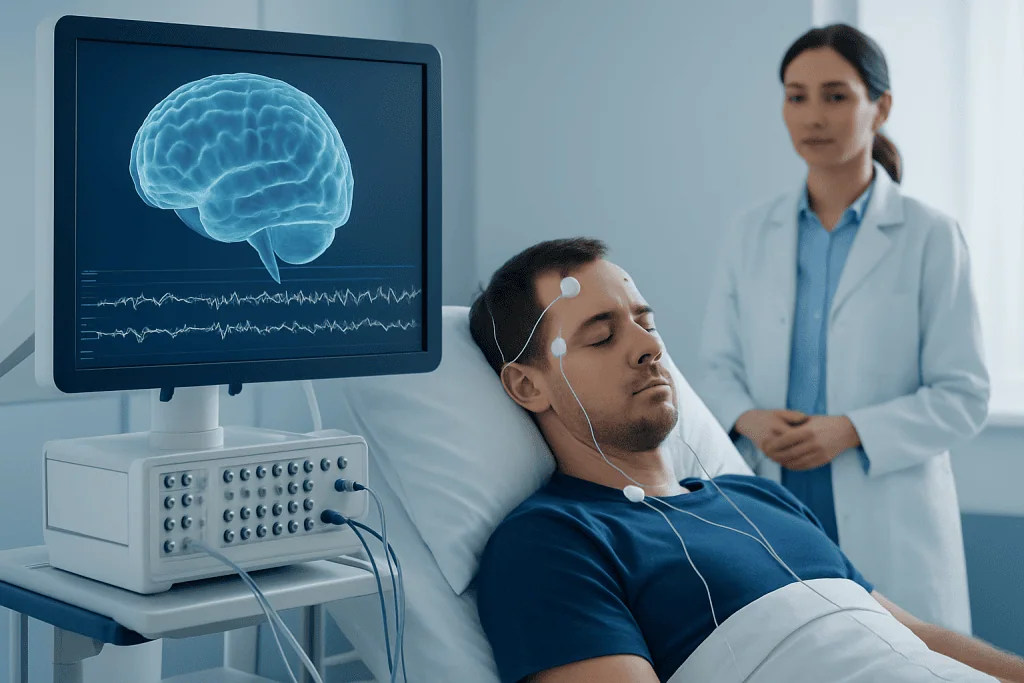
Sleep is not simply a period of rest. During sleep, the brain remains active in structured cycles that support learning, memory processing, emotional regulation, hormone balance, and physical repair. Deep sleep and REM sleep each play distinct roles in restoring brain function and helping the nervous system work efficiently the next day.
One important role of sleep is memory consolidation. New information gathered during the day is processed and organized during sleep, helping it move into longer-term storage. Without enough sleep, people may find it harder to learn new material, recall details, or stay focused on complex tasks.
Sleep also supports the brain’s waste-clearing processes. Although many details are still being studied, evidence suggests that sleep helps the brain clear byproducts of normal activity. This is one reason why chronically poor sleep is being closely examined for its possible role in longer-term brain health. In addition, sleep helps maintain the communication between brain cells that supports attention, movement, and emotional stability.
Symptoms and Neurological Effects of Sleep Loss

The neurological effects of sleep deprivation can range from subtle to significant. A person may first notice daytime fatigue, difficulty focusing, or forgetfulness. As sleep loss continues, symptoms can become more obvious and may affect performance, safety, and quality of life.
Common neurological and brain-related symptoms include:
- Difficulty concentrating
- Memory lapses
- Slower thinking or reaction time
- Headaches
- Dizziness or lightheadedness
- Irritability or mood swings
- Reduced coordination
- Brain fog
- Increased sensitivity to stress
More severe sleep deprivation can sometimes cause brief involuntary microsleeps, confusion, poor judgment, or perceptual disturbances. In some people, especially those with existing neurological conditions, lack of sleep may worsen tremor, trigger migraines, increase seizure susceptibility, or intensify symptoms such as numbness, weakness, or imbalance. Sleep loss can also contribute to or worsen migraine symptoms in susceptible individuals.
Children, older adults, shift workers, and people with untreated sleep disorders may be especially vulnerable to these effects. Because many neurological symptoms can have more than one cause, persistent changes should not automatically be blamed on poor sleep alone.
Causes and Risk Factors
Sleep deprivation can happen for many reasons. Some people simply do not allow enough time for sleep because of work schedules, caregiving, travel, stress, or heavy screen use late at night. Others spend enough time in bed but still do not get restorative sleep because the sleep is repeatedly interrupted or poor in quality.
Common causes and risk factors include insomnia, obstructive sleep apnea, restless legs syndrome, chronic pain, anxiety, depression, irregular work hours, jet lag, certain medications, alcohol use, and excessive caffeine intake late in the day. Medical conditions affecting breathing, hormones, or mental health can also disturb sleep patterns.
Some neurological disorders are closely linked with sleep difficulties. For example, people with movement disorders, headaches, dementia, seizure disorders, or neuropathic pain may experience disrupted sleep, and that poor sleep can then worsen daytime neurological symptoms. In some situations, a sleep evaluation may include tests such as a EEG or an overnight sleep study to better understand the problem.
Diagnosis and Medical Evaluation
Doctors diagnose sleep-related neurological problems by combining a detailed history with a focused physical and neurological examination. They often ask about sleep timing, snoring, pauses in breathing, daytime sleepiness, medications, caffeine and alcohol use, mental health, work schedule, and any symptoms such as headaches, memory changes, weakness, or seizures.
If a sleep disorder is suspected, further evaluation may be recommended. Depending on the symptoms, this can include sleep questionnaires, sleep diaries, blood tests, a polysomnography sleep study, or imaging and neurophysiological tests. A sleep study may help identify conditions such as sleep apnea or abnormal nighttime movements.
When symptoms suggest a neurological cause beyond sleep loss alone, a specialist may recommend additional assessment. This may involve cognitive testing, brain imaging, or studies such as neurological rehabilitation planning after an injury or illness affecting brain function. The goal is to identify whether poor sleep is the main issue, a contributing factor, or a sign of another condition.
Because the symptoms of sleep deprivation can overlap with anxiety, depression, thyroid disease, infections, medication side effects, and neurological disorders, professional evaluation is important when symptoms are new, worsening, or unexplained.
Treatment Options and Brain Recovery
Treatment depends on the cause of the sleep problem and the type of neurological symptoms involved. For many people, improving sleep duration and quality leads to noticeable improvement in concentration, mood, reaction time, and memory. The first step is often correcting sleep habits and addressing practical barriers to a regular schedule.
If an underlying sleep disorder is present, targeted treatment is important. Insomnia may be managed with behavioral strategies, stress management, and in some cases medication under medical guidance. Sleep apnea may require weight management, positional strategies, oral devices, or positive airway pressure therapy. Restless legs syndrome, chronic pain, anxiety, and depression also need appropriate evaluation and treatment.
When neurological symptoms are significant, doctors may involve neurology, sleep medicine, psychiatry, or rehabilitation specialists. In some cases, people recovering from stroke, traumatic brain injury, or other nervous system illnesses benefit from structured follow-up and individualized care. Near the end of the diagnostic pathway, Acibadem International’s multidisciplinary specialists and JCI-accredited hospitals also diagnose and treat sleep-related neurological conditions for international patients.
Recovery from sleep loss can begin quickly, but full improvement may take time if poor sleep has been ongoing for months or years. Restoring healthy sleep does not reverse every condition, but it often reduces symptom burden and supports better overall brain function.
Prevention and Self-care
Protecting brain health starts with consistent, restorative sleep. Adults generally benefit from a regular sleep schedule, a calm sleep environment, and habits that support natural sleep signals. Good sleep hygiene is not a cure for every sleep problem, but it is an important foundation.
Helpful self-care steps include:
- Going to bed and waking up at similar times each day
- Keeping the bedroom dark, quiet, and comfortably cool
- Limiting screen exposure before bedtime
- Avoiding heavy meals, nicotine, alcohol, and excess caffeine close to sleep
- Getting regular daytime physical activity
- Seeking support for stress, anxiety, or low mood
- Not ignoring loud snoring, choking during sleep, or severe daytime sleepiness
Naps may help some people with short-term fatigue, but long or late naps can make nighttime sleep worse. People who drive, operate machinery, or make safety-critical decisions should take daytime sleepiness seriously. If self-care measures do not help, a doctor or sleep specialist can look for underlying causes.
When to See a Doctor
It is wise to seek medical advice if sleep problems last more than a few weeks, interfere with daytime function, or are accompanied by concerning neurological symptoms. These may include fainting, new or worsening headaches, repeated memory problems, confusion, numbness, weakness, tremor, balance problems, or episodes that may be seizures.
Urgent medical attention is needed for sudden neurological symptoms such as facial drooping, trouble speaking, one-sided weakness, sudden severe headache, or sudden vision loss, because these can signal emergencies such as stroke. Difficulty breathing during sleep, witnessed pauses in breathing, or severe daytime sleepiness also deserve prompt evaluation.
Early care can be reassuring and practical. Treating the cause of poor sleep may improve symptoms, reduce long-term risks, and help protect cognitive and neurological health.
Frequently asked questions
Can one night of poor sleep affect the brain?
Yes. Even one night of poor sleep can reduce attention, slow reaction time, and make it harder to concentrate or remember information. These effects are usually temporary, but they can still affect safety and daily performance.
Can lack of sleep cause permanent neurological damage?
Short-term sleep loss usually causes reversible symptoms. However, long-term chronic sleep deprivation may contribute to ongoing health risks and may worsen existing neurological conditions, which is why persistent sleep problems should be assessed by a doctor.
Does sleep deprivation cause headaches or migraines?
Yes, lack of sleep is a common trigger for headaches and can contribute to migraines in people who are prone to them. Improving sleep patterns is often an important part of headache prevention.
How do people know if symptoms are from poor sleep or another neurological condition?
Symptoms can overlap, so it is not always possible to tell without medical evaluation. If symptoms are severe, new, worsening, or include weakness, numbness, confusion, or possible seizures, a doctor should assess them promptly.
Can sleep deprivation increase seizure risk?
Yes. In some people, especially those with epilepsy, sleep deprivation can lower the seizure threshold and make seizures more likely. Anyone with seizure-like episodes or known epilepsy should discuss sleep habits with their doctor.
What is the best treatment for neurological symptoms caused by lack of sleep?
The best treatment is to identify and address the cause of poor sleep. This may include improving sleep habits, treating insomnia or sleep apnea, managing stress or mental health concerns, and evaluating any underlying neurological disorder.
References
- American Academy of Sleep Medicine
- National Institute of Neurological Disorders and Stroke
- Centers for Disease Control and Prevention
- National Institute on Aging
- World Health Organization
This article is for general information only and is not a substitute for professional medical advice. Please consult a qualified doctor about your individual situation.
Explore treatments in Turkey — costs, top hospitals & a free quote
JCI-accredited · board-certified surgeons · reply within 24h
Add us as a Preferred Source to see more of our trusted health content across Google Search, AI Overviews and Discover.