Can Shingles Kill You? Causes, Explanations, and Next Steps

Shingles is usually not fatal, but complications can rarely become dangerous. The risk is higher in older adults, pregnant people, and those with weakened immune systems.
Key Takeaways
- Shingles is usually not fatal, but complications can rarely become dangerous.
- The risk is higher in older adults, pregnant people, and those with weakened immune systems.
- Early antiviral treatment can shorten illness and lower the chance of complications.
- Eye symptoms, breathing trouble, confusion, severe weakness, or a widespread rash need urgent medical attention.
- Doctors diagnose shingles mainly by examining the rash and symptoms, with testing used in unclear cases.
In most people, shingles is not life-threatening and gets better with prompt medical care. Rarely, complications involving the eyes, brain, lungs, or widespread infection can become serious, especially in older adults and people with weakened immune systems.
Overview: Can shingles be life-threatening?
For most people, the answer to can shingles kill you is no. Shingles usually causes a painful blistering rash and discomfort, but it is often manageable and not life-threatening when recognized and treated early.
Shingles happens when the varicella-zoster virus, the same virus that causes chickenpox, becomes active again later in life. In many cases, it affects a limited area of skin and improves over time. The main concerns are pain, irritation, and possible nerve pain that can continue after the rash fades.
However, shingles can sometimes lead to serious complications. These include infection of the eye, inflammation of the brain, pneumonia, or widespread disease in people whose immune systems are weakened. While these outcomes are uncommon, they explain why shingles should not be ignored, especially if symptoms are severe or unusual.
A helpful way to think about shingles is this: it is often harmless in the sense that it is not fatal, but it still deserves timely medical review. Early assessment helps confirm the diagnosis, start treatment, and identify warning signs before complications develop.
How shingles becomes dangerous in rare cases
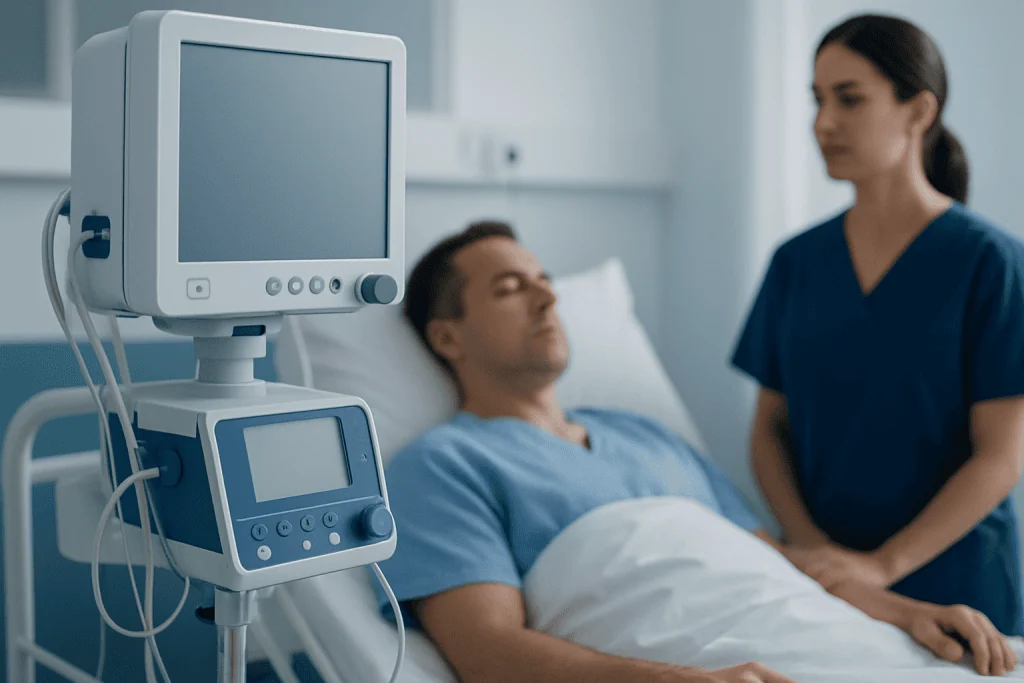
Shingles becomes dangerous when the virus affects more than the skin. This may happen if it involves the eye, spreads widely over the body, or causes inflammation in the nervous system or other organs. These situations are more likely in older adults and in people with reduced immune defenses.
One important complication is herpes zoster ophthalmicus, which affects the area around the eye. Without prompt care, it can threaten vision. Shingles can also lead to bacterial skin infection if blisters become infected, or to nerve-related complications such as ongoing pain, facial weakness, or balance problems.
In rare cases, the virus can contribute to encephalitis, meningitis, or stroke-related complications. It may also affect the lungs, especially in vulnerable patients. These severe forms are uncommon, but they are the reason doctors take shingles seriously even though most cases remain limited and treatable.
Anyone concerned about whether their rash could be something else may also benefit from understanding similar viral skin conditions such as herpes simplex or common childhood viral illness history like chickenpox, since shingles develops from the same virus family history rather than from a new exposure alone.
Symptoms and red flags to watch for
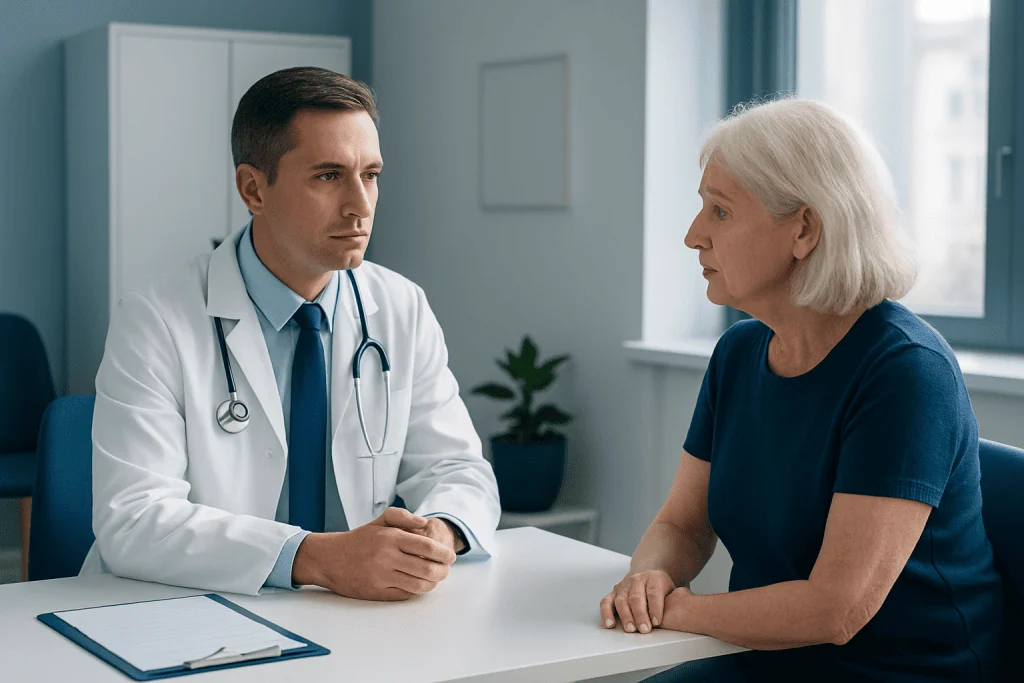
Typical shingles starts with burning, tingling, itching, or pain on one side of the body or face. A rash usually appears a few days later, followed by clusters of fluid-filled blisters. The rash often stays within a narrow band on one side and may be accompanied by fatigue, headache, or mild fever.
Many people have a straightforward course, but certain symptoms are red flags. Medical review is especially important if the rash involves the eye, forehead, nose, ear, or mouth. Pain that is unusually severe, rash that is widespread, or blisters appearing in several areas may suggest a higher-risk infection.
Other warning signs include confusion, strong headache, neck stiffness, weakness in an arm or leg, trouble walking, shortness of breath, chest pain, or high fever. These symptoms are not typical of uncomplicated shingles and may point to complications that need urgent assessment.
- Seek prompt care for rash near the eye or any change in vision.
- Get urgent help for breathing difficulty, confusion, severe weakness, or widespread rash.
- People with cancer treatment, organ transplant history, HIV, or immune-suppressing medicines should contact a doctor early.
- Older adults should not wait if pain and rash suggest shingles, because early treatment works best.
Causes and who is at higher risk
Shingles is caused by reactivation of the varicella-zoster virus. After someone recovers from chickenpox, the virus stays inactive in nerve tissue. Years later, it can become active again and travel along a nerve to the skin, causing the familiar painful rash.
Age is one of the strongest risk factors. As people get older, immune protection against the virus can decline, making reactivation more likely. This is why shingles is more common and more severe in older adults.
Other higher-risk groups include people with cancer, HIV infection, chronic illness, or those taking medicines that suppress the immune system, such as steroids, chemotherapy, or some biologic drugs. Physical stress, major illness, or surgery may also play a role, although shingles can happen without a clear trigger.
Because shingles is linked to the nerves and may sometimes affect facial function or the brain, doctors may coordinate care across specialties when symptoms are complex. Depending on the situation, evaluation by teams experienced in neurology care or infectious diseases care may be helpful.
How doctors diagnose shingles
Doctors usually diagnose shingles by looking at the rash and asking about symptoms. The combination of one-sided pain, tingling, and grouped blisters in a band-like pattern is often enough to make the diagnosis. Timing matters too, because starting treatment early can make a difference.
If the rash is unusual, if blisters have crusted over, or if the person has a weakened immune system, a doctor may order tests. A swab from the blister can be checked for the virus with laboratory testing. Blood tests are not usually the main way to diagnose routine shingles, but they may be used to evaluate overall health or complications.
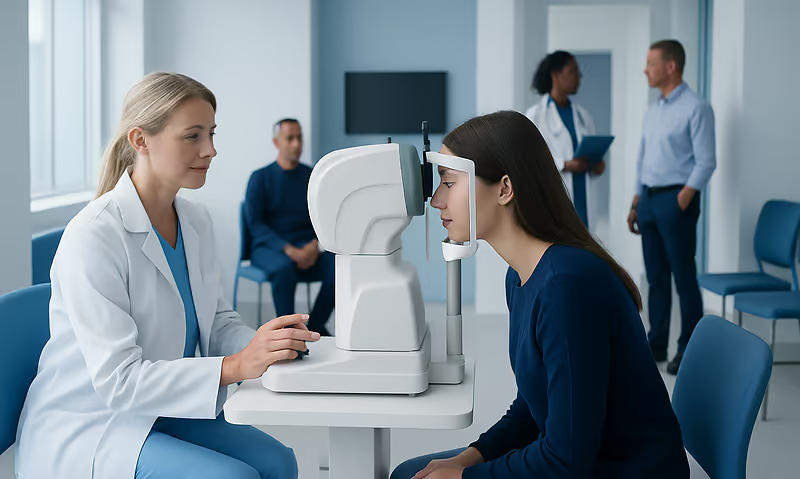
When red flags are present, the diagnostic process becomes broader. Eye symptoms may require an eye examination. Severe headache, confusion, or weakness may lead to neurological assessment and imaging. Breathing symptoms may prompt chest evaluation.
The goal of diagnosis is not only to confirm shingles but also to identify whether it remains a limited skin condition or has become a more serious illness. This is one reason people should seek care early rather than waiting for the rash to fully develop.
Treatment options and why early care matters
Treatment for shingles usually includes antiviral medicine, especially when started within the first 72 hours of rash onset. These medicines do not instantly remove symptoms, but they can shorten the illness, reduce viral activity, and lower the risk of some complications. Pain relief and skin care are also important parts of treatment.
Doctors may recommend measures such as keeping the rash clean and dry, wearing loose clothing, and using appropriate pain-relief strategies. If pain is significant, additional treatments may be considered. If a bacterial skin infection develops, antibiotics may be needed. Eye involvement may require urgent specialist treatment.
People with severe disease, widespread rash, or weakened immunity may need hospital-based care. Intravenous treatment, fluid support, and close monitoring are sometimes necessary when shingles affects the eyes, brain, lungs, or multiple body systems. In select cases, consultation with specialists in dermatology or ophthalmology may be part of treatment planning.
Near the end of the care pathway, some patients need support for lingering nerve pain called postherpetic neuralgia. This pain can last after the rash heals, especially in older adults. Although it is not usually dangerous, it can affect sleep, mood, and daily life, so follow-up care is important.
Prevention, self-care, and reducing complications
The most effective way to reduce the risk of shingles and its complications is vaccination, when recommended by a qualified doctor according to age and health status. Vaccination cannot treat active shingles, but it can help prevent future episodes and lower the chance of severe disease.
If shingles is already present, self-care focuses on reducing irritation and avoiding skin damage. The rash should be kept clean, and scratching should be avoided to reduce the risk of secondary infection. Rest, hydration, and following medical instructions can support recovery.
People with shingles should also be careful around anyone who has never had chickenpox or has not been vaccinated, especially pregnant people, newborns, and individuals with weak immune systems. Shingles itself is not spread from person to person in the same way, but the virus from open blisters can cause chickenpox in someone who is not immune.
For international patients needing coordinated assessment, Acibadem International’s multidisciplinary specialists and JCI-accredited hospitals diagnose and treat shingles and its complications with input from relevant medical teams when needed.
When to seek medical care
Anyone who thinks they may have shingles should contact a doctor promptly, ideally as soon as pain, tingling, or rash appears. This is especially important for adults over 50, pregnant people, and anyone with a weakened immune system, because early treatment is most helpful in these groups.
Same-day or urgent assessment is advisable if the rash is on the face, near the eye, inside the ear, or if there is hearing change, dizziness, or facial weakness. Urgent care is also needed for severe headache, confusion, weakness, breathing difficulty, chest pain, or a rash that is spreading beyond one area.
If pain continues after the skin heals, follow-up is still worthwhile. Persistent nerve pain can often be managed, and a doctor can also check for less obvious complications. Even when shingles is not life-threatening, it should be treated as a condition that deserves timely professional advice rather than home diagnosis alone.
In short, the answer to can shingles kill you is usually no, but the rare serious cases are the reason doctors encourage early review. Fast assessment helps protect vision, reduce pain, and lower the chance that a usually manageable illness becomes more severe.
Frequently asked questions
Can shingles kill you if you are otherwise healthy?
In an otherwise healthy person, shingles is usually not fatal. Most cases stay limited to the skin and nerves and improve with timely treatment. Serious complications are uncommon, but medical review is still important.
Why is shingles more dangerous in older adults?
Older adults are more likely to have a weaker immune response to the varicella-zoster virus. This can make shingles more severe and increase the risk of complications such as lasting nerve pain, eye problems, or hospitalization. Early treatment is especially important in this age group.
When should someone go to the emergency room for shingles?
Emergency care is appropriate for shingles with eye involvement, breathing difficulty, confusion, severe headache, new weakness, or a rapidly spreading rash. These symptoms may suggest complications beyond a typical skin outbreak. Any severe or unusual symptom should be assessed urgently.
Can shingles cause death through complications?
Rarely, yes. Death from shingles itself is uncommon, but complications such as encephalitis, severe pneumonia, widespread infection, or major illness in immunocompromised people can become life-threatening. This is why early diagnosis and treatment matter.
How do doctors know whether shingles is serious?
Doctors look at the location of the rash, symptom severity, age, immune status, and whether there are signs of eye, brain, or lung involvement. Most cases can be diagnosed by examination alone, but additional tests may be needed when symptoms are atypical or severe. The goal is to find complications early.
Does starting treatment early really make a difference?
Yes, early antiviral treatment can reduce how long shingles lasts and may lower the chance of certain complications. It is generally most effective when started soon after the rash appears. This is one reason people should not wait for the rash to become severe before seeking medical advice.
References
- Centers for Disease Control and Prevention
- National Institute on Aging
- Mayo Clinic
- National Health Service
- World Health Organization
This article is for general information only and is not a substitute for professional medical advice. Please consult a qualified doctor about your individual situation.
Shingles in Turkey — costs, top hospitals & a free quote
JCI-accredited · board-certified surgeons · reply within 24h
Add us as a Preferred Source to see more of our trusted health content across Google Search, AI Overviews and Discover.

More from the Health Library


Related Specialists

Prof. Dr. Ferhan Öz
Otorhinolaryngology
Dr. Baha Celal Doğan
Gynecology & Obstetrics
Prof. Dr. Ahmet Ümit Güllü
Cardiovascular Surgery
Asst. Prof. Dr. Ezgi Yakupoğlu
Neurology