

Can You Get Pregnant After Bariatric Surgery?

Many people can get pregnant after bariatric surgery, and fertility may improve after weight loss. Most specialists advise waiting 12 to 18 months after surgery before trying to conceive.
Key Takeaways
- Many people can get pregnant after bariatric surgery, and fertility may improve after weight loss.
- Most specialists advise waiting 12 to 18 months after surgery before trying to conceive.
- Good nutrition is essential because vitamin and mineral deficiencies can affect both parent and baby.
- Prenatal care after bariatric surgery usually includes closer monitoring of weight, nutrition, and blood tests.
- Birth control is important after surgery because pregnancy can happen sooner than expected.
Pregnancy after bariatric surgery is often possible, and many people find that fertility improves as weight and hormone balance change. The healthiest outcome usually depends on waiting until weight stabilizes, correcting nutritional deficiencies, and planning care with both bariatric and obstetric specialists.
Overview
Pregnancy after bariatric surgery is possible, and for many people it can be safer than becoming pregnant while living with severe obesity. Weight loss after surgery may improve ovulation, menstrual regularity, insulin resistance, and other factors that affect fertility. As a result, some people who had difficulty conceiving before surgery may become pregnant more easily afterward.
Even so, pregnancy after weight loss surgery needs thoughtful planning. The body goes through major changes in the first months after procedures such as bariatric surgery, gastric sleeve surgery, or gastric bypass. During this period, rapid weight loss and changing nutrient absorption can make it harder to meet the increased nutritional needs of pregnancy.
For that reason, doctors usually recommend waiting until weight loss has slowed and nutritional status is stable before trying to conceive. With the right timing, healthy eating, supplements, and regular prenatal care, many people go on to have healthy pregnancies and babies.
How Bariatric Surgery Can Affect Fertility
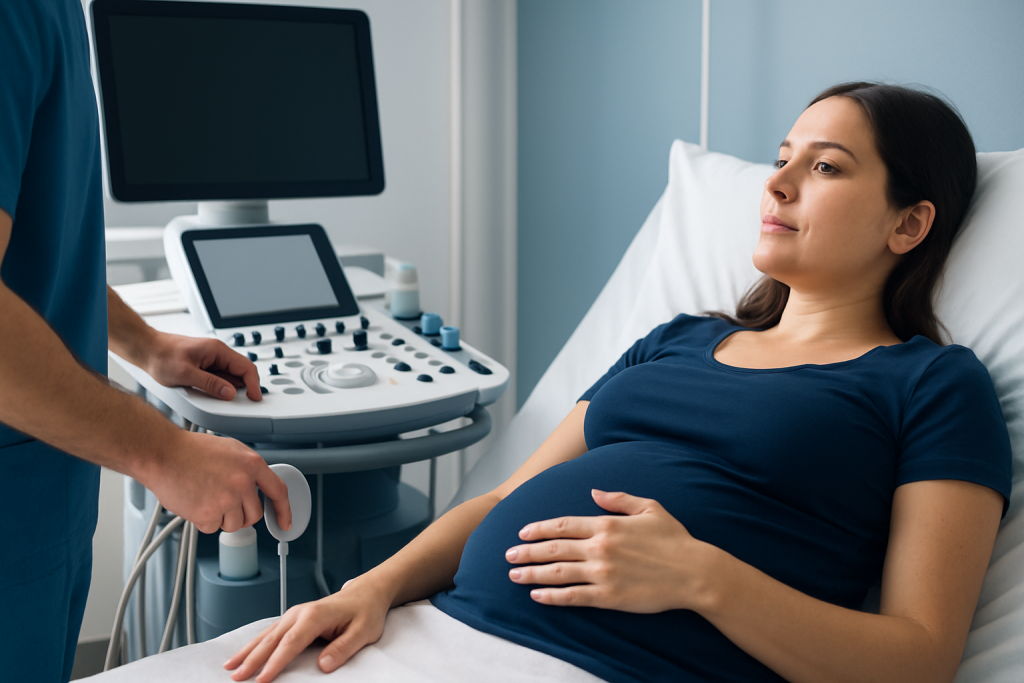
Excess body weight can affect fertility in several ways. It may interfere with ovulation, contribute to polycystic ovary syndrome, and increase the risk of insulin resistance and hormonal imbalance. When weight decreases after surgery, these issues may improve, which can make natural conception more likely.
Menstrual cycles often become more regular in the months after surgery. Some people notice ovulation returning even if they had irregular or absent periods before. This is one reason unplanned pregnancy can happen after bariatric surgery, especially if someone assumes fertility has not changed.
Weight loss may also lower pregnancy-related risks linked to severe obesity, such as gestational diabetes, high blood pressure, and sleep-related breathing problems. In people with morbid obesity, improving overall metabolic health before pregnancy can support a healthier start. Still, surgery does not remove all risks, so preconception counseling remains important.
When Is the Best Time to Try for Pregnancy?
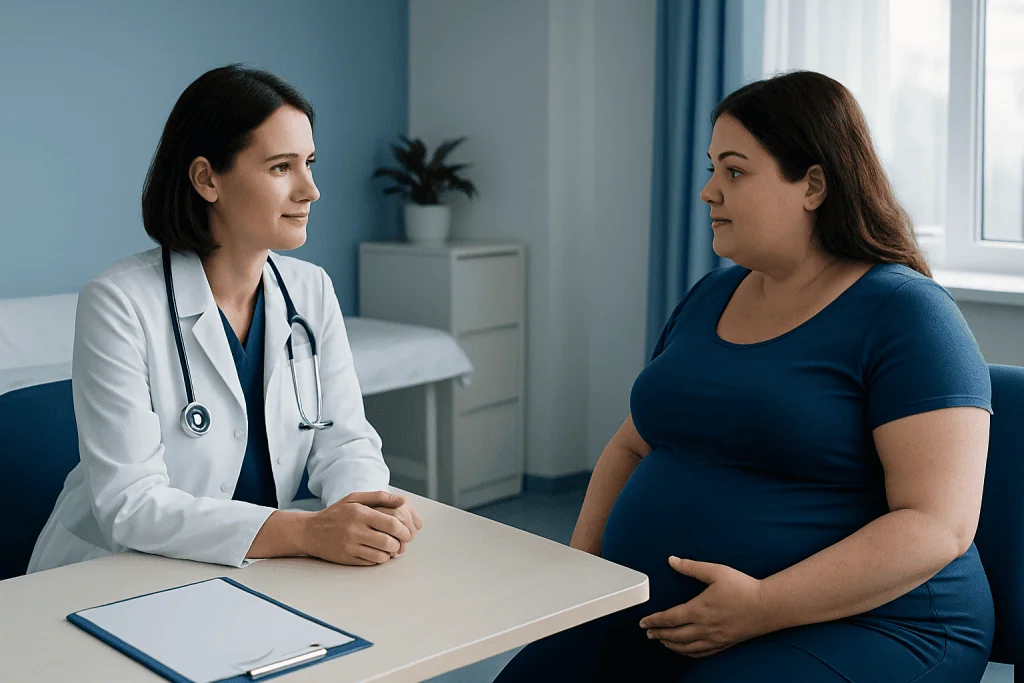
Most specialists recommend waiting about 12 to 18 months after bariatric surgery before trying to become pregnant. This window may vary depending on the type of procedure, the pace of weight loss, and the person’s nutritional status. The goal is to avoid conception during the phase of most rapid weight loss.
During rapid weight loss, the body may not absorb or store enough nutrients to support a growing fetus. Deficiencies in iron, vitamin B12, folate, calcium, vitamin D, and protein are especially important. Becoming pregnant too soon can increase the chance of maternal malnutrition, poor weight gain, and problems with fetal growth.
The best timing is individual. A doctor may look at weight stability, blood test results, eating tolerance, and any complications after surgery before advising pregnancy. A planned pregnancy is generally safer than an unexpected one, so discussing reproductive goals early with the bariatric team is helpful.
Reliable contraception matters during the waiting period. Some doctors advise caution with oral contraceptive pills after malabsorptive procedures because absorption may be less predictable. Long-acting reversible methods, such as implants or intrauterine devices, are often discussed as dependable options.
Nutritional Needs Before and During Pregnancy
Nutrition is one of the most important parts of pregnancy after bariatric surgery. The body needs enough calories, protein, vitamins, and minerals for both maternal health and fetal development. Because some bariatric procedures reduce food intake and some also reduce nutrient absorption, deficiencies can develop even when someone feels well.
Before conception, doctors usually check blood levels for common deficiencies and correct them if needed. Nutrients that often need close monitoring include iron, folate, vitamin B12, calcium, vitamin D, thiamine, and sometimes vitamins A, K, zinc, and copper, depending on the procedure. Protein intake is also important because low intake can affect healing, energy, and fetal growth.
During pregnancy, many patients need continued blood testing and carefully chosen supplements in addition to a prenatal vitamin. People who have nausea, vomiting, poor appetite, or food intolerance may need more frequent review. It is important not to start high-dose supplements without medical guidance, because too much of some nutrients can also be harmful in pregnancy.
Small, balanced meals are often easier to tolerate after surgery. Helpful habits may include prioritizing protein, staying hydrated, avoiding foods that trigger dumping symptoms, and separating liquids from meals if advised by the bariatric team. A dietitian familiar with sleeve gastrectomy and other bariatric procedures can help create a safe meal plan for each trimester.
Possible Risks and Pregnancy Monitoring
Many pregnancies after bariatric surgery progress well, but they may need closer follow-up than standard prenatal care. Doctors often monitor maternal weight gain, nutritional blood tests, hydration, and fetal growth more carefully. This is especially true after bypass procedures or if the patient has ongoing vomiting, poor intake, or known nutrient deficiencies.
Some obesity-related pregnancy risks may improve after surgery, including gestational diabetes and hypertensive disorders. At the same time, there can be a higher chance of having a baby who is small for gestational age if maternal nutrition is inadequate. That is why regular prenatal visits, ultrasounds when indicated, and nutrition review are so important.
Abdominal pain in pregnancy should always be assessed carefully in someone who has had bariatric surgery. While many causes are minor, internal hernia, bowel obstruction, gallstones, or surgical complications can sometimes occur and may need urgent review. Prior abdominal surgery can also be associated with issues such as incisional hernia in some patients, which should be evaluated if there is a new bulge or discomfort.
Standard screening for gestational diabetes may need adjustment in some patients, especially after gastric bypass, because a sugary drink test can trigger dumping syndrome. In these cases, the obstetric team may use alternative monitoring methods, such as home blood glucose checks. The exact approach depends on the procedure and the patient’s symptoms.
Symptoms and Concerns to Discuss With a Doctor
Some symptoms are common in pregnancy and also common after bariatric surgery, which can make them harder to interpret. Nausea, vomiting, reflux, constipation, and fatigue may be expected, but they can also signal dehydration or nutritional deficiency. Symptoms that are persistent, worsening, or out of proportion should be discussed with a doctor.
Warning signs that need medical attention include severe or ongoing vomiting, inability to keep fluids down, fainting, strong abdominal pain, black stools, signs of anemia, or reduced fetal movement later in pregnancy. Any sudden abdominal swelling or a painful lump should also be checked, as pregnancy can put pressure on the abdominal wall and occasionally bring attention to conditions such as diastasis recti.
Many concerns can be managed well when they are addressed early. Keeping a record of food intake, supplements, hydration, and symptoms can help the healthcare team identify problems before they become more serious. Patients should also tell their obstetric provider exactly which bariatric operation they had and when it was performed.
Planning Care, Delivery, and Life After Birth
Preconception care is one of the best ways to support a healthy pregnancy after bariatric surgery. Ideally, the patient meets with a bariatric surgeon or physician, an obstetrician, and a dietitian before trying to conceive. This visit can review medications, supplements, blood tests, weight trends, and any surgery-related symptoms.
In most cases, a previous bariatric operation does not automatically mean a cesarean birth is needed. Mode of delivery is usually based on standard obstetric reasons rather than the weight loss procedure itself. Still, the obstetric team should know the full surgical history, including whether the patient had open or laparoscopic surgery such as gastric laparoscopic surgery.
After birth, nutrition remains important, especially during breastfeeding. Ongoing supplements and follow-up blood tests may still be needed. Sleep deprivation, irregular meals, and the demands of newborn care can make it easy to skip nutrition goals, so practical support at home and follow-up with the care team can be very helpful.
For international patients seeking coordinated assessment, Acibadem International’s multidisciplinary specialists and JCI-accredited hospitals evaluate and treat bariatric conditions and support pregnancy planning after surgery. The most appropriate care plan depends on the individual’s operation, nutritional status, and reproductive goals.
Frequently asked questions
Can you get pregnant after bariatric surgery?
Yes. Many people can become pregnant after bariatric surgery, and fertility may improve as weight decreases and hormone balance becomes more regular. Because pregnancy can happen sooner than expected, contraception and preconception planning are important.
How long should someone wait to get pregnant after bariatric surgery?
Many specialists recommend waiting 12 to 18 months after surgery. This allows rapid weight loss to slow down and gives time to check and correct any nutritional deficiencies before pregnancy.
Is pregnancy after bariatric surgery high risk?
It is not always high risk, but it usually needs closer monitoring. Nutritional status, weight gain, and fetal growth may need extra attention, especially after procedures that affect nutrient absorption.
Which vitamins are most important during pregnancy after bariatric surgery?
Common nutrients that need careful monitoring include iron, folate, vitamin B12, calcium, vitamin D, and protein intake. The exact supplement plan depends on the type of surgery, blood test results, and advice from the obstetric and bariatric team.
Can bariatric surgery reduce pregnancy complications?
For some people, yes. Weight loss after surgery may lower the risk of complications associated with severe obesity, such as gestational diabetes and high blood pressure. However, this benefit needs to be balanced with careful nutrition and follow-up.
Can someone have a normal delivery after bariatric surgery?
Often, yes. A previous bariatric operation does not by itself require cesarean delivery. The method of birth is usually based on standard obstetric factors and the health of the parent and baby.
References
- American College of Obstetricians and Gynecologists
- American Society for Metabolic and Bariatric Surgery
- Royal College of Obstetricians and Gynaecologists
- National Institute for Health and Care Excellence
- World Health Organization
This article is for general information only and is not a substitute for professional medical advice. Please consult a qualified doctor about your individual situation.
Bariatric Surgery in Turkey — costs, top hospitals & a free quote
JCI-accredited · board-certified surgeons · reply within 24h
Add us as a Preferred Source to see more of our trusted health content across Google Search, AI Overviews and Discover.
Check your numbers in seconds
BMI, calories, due date, blood pressure and 30+ more clinical calculators — free, instant, doctor-reviewed ranges.

Bariatric & Metabolic Surgery
Surgical and endoscopic treatments for obesity and metabolic conditions.
Related Treatments
Related Conditions
More from the Health Library



Related Specialists

Prof. Dr. Tayfun Karahasanoğlu
General Surgery
Prof. Dr. Güralp Onur Ceyhan
General Surgery
Prof. Dr. Volkan Özben
General Surgery
Assoc. Prof. Dr. Halil Kara
General Surgery