

Can You Reverse Type 2 Diabetes After Bariatric Surgery?

Bariatric surgery can lead to type 2 diabetes remission in some people, but results vary. Remission means blood sugar returns to a non-diabetic range without diabetes medicine for a period of time; it does not always mean the condition is permanently gone.
Key Takeaways
- Bariatric surgery can lead to type 2 diabetes remission in some people, but results vary.
- Remission means blood sugar returns to a non-diabetic range without diabetes medicine for a period of time; it does not always mean the condition is permanently gone.
- Weight loss, hormonal changes, and improved insulin sensitivity all help explain why surgery can improve diabetes.
- People with shorter diabetes duration and better remaining insulin production often have the best chance of remission.
- Healthy eating, physical activity, follow-up care, and regular blood tests are important after surgery.
- A qualified specialist should assess whether bariatric surgery is appropriate for an individual’s health needs.
Type 2 diabetes may go into remission after bariatric surgery, particularly when substantial weight loss and metabolic changes improve blood sugar control. Even so, remission is not the same as a permanent cure, and long-term monitoring remains important.
Overview: Can bariatric surgery reverse type 2 diabetes?
Bariatric surgery can significantly improve type 2 diabetes, and in some people it can lead to remission. This happens when blood sugar levels return to the non-diabetic range for a sustained period without the need for diabetes medications. However, most specialists prefer the term “remission” rather than “reversal” or “cure,” because diabetes can return over time, especially if weight is regained or the body’s insulin-producing function continues to decline.
These procedures were first developed to treat obesity, but they also have strong metabolic effects. For this reason, bariatric surgery is sometimes called metabolic surgery when it is used to improve conditions such as type 2 diabetes. Operations like bariatric surgery, gastric bypass, and gastric sleeve surgery can change appetite hormones, improve insulin sensitivity, and reduce blood sugar levels soon after surgery, sometimes even before major weight loss occurs.
Not everyone will have the same outcome. Some people stop diabetes medicines entirely, some need fewer medications, and others continue treatment but with much better blood sugar control. The chance of remission depends on factors such as how long the person has had diabetes, how much insulin the pancreas still makes, the amount of excess weight, and the type of procedure performed.
How bariatric surgery improves blood sugar
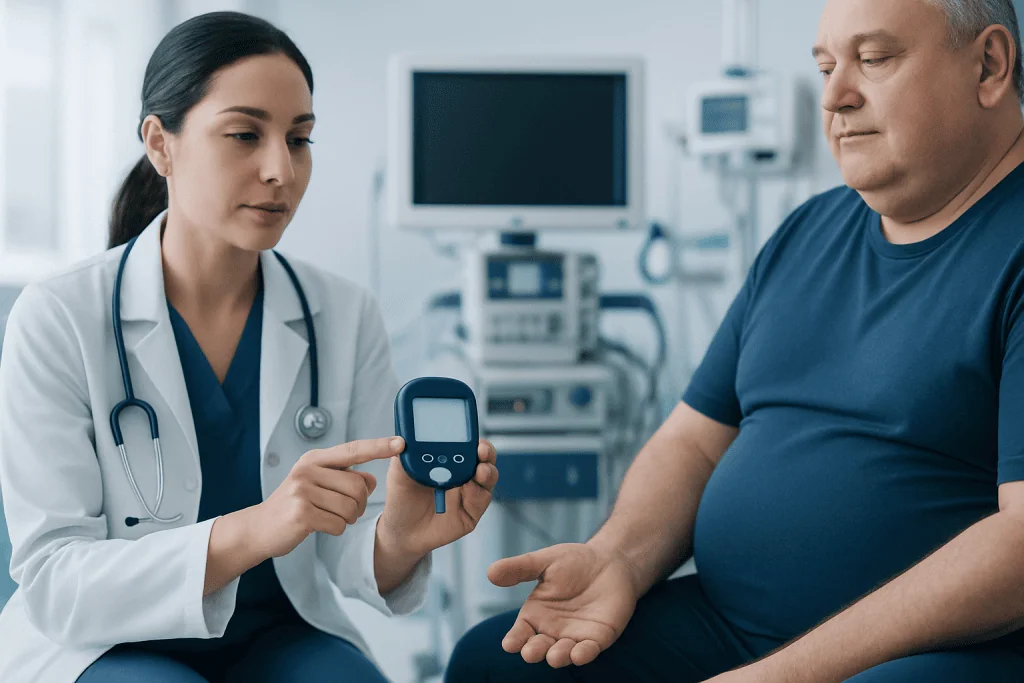
Weight loss plays a major role in diabetes improvement. Excess body fat, especially around the abdomen and liver, makes the body more resistant to insulin. When significant weight loss occurs after surgery, insulin can work more effectively, allowing glucose to move from the bloodstream into the cells more easily.
Hormonal changes are also important. After procedures that alter the stomach and small intestine, the body may produce different levels of gut hormones involved in hunger, fullness, insulin release, and glucose regulation. These changes can help improve blood sugar control quickly, which is one reason many people notice lower glucose readings within days or weeks after surgery.
Liver fat often decreases after surgery as well. This matters because a fatty liver can contribute to insulin resistance and higher fasting blood sugar. Reduced inflammation, lower calorie intake, and better sleep quality after weight loss may further support improved metabolic health, particularly in people living with morbid obesity.
These effects are not identical for every procedure. In general, surgeries that produce greater and more durable weight loss may offer stronger metabolic benefits, but the best option depends on the person’s health profile, preferences, and surgical risk. A bariatric team typically reviews medical history, eating patterns, medications, and overall goals before recommending an approach.
Who is most likely to achieve diabetes remission?

Doctors look at several factors when estimating the likelihood of diabetes remission. One of the most important is how long the person has had type 2 diabetes. People diagnosed more recently often have a better chance of remission because the pancreas may still be able to produce enough insulin once insulin resistance improves.
Another key factor is whether the person still makes insulin naturally. If diabetes has progressed to the point that insulin production is very low, surgery may still improve blood sugar control, but complete remission becomes less likely. Age, starting weight, family history, and whether insulin therapy is already needed can also influence outcomes.
The amount of weight lost after surgery matters too. Greater and sustained weight reduction is often linked to better blood sugar results. People who are able to follow postoperative nutrition advice, stay physically active, and attend regular follow-up visits generally have more durable improvements.
Procedure type may also affect remission rates. Operations such as sleeve gastrectomy and gastric bypass are commonly used for both weight loss and metabolic improvement. Still, surgery is only one part of treatment, and success usually depends on combining it with lifelong lifestyle changes and ongoing medical supervision.
What remission means — and why it is not always permanent
In clinical practice, remission usually means that blood sugar levels remain below the diabetes range for a meaningful period without diabetes medications. A doctor may confirm this using tests such as fasting glucose and HbA1c. Even when this happens, specialists generally avoid saying diabetes has been permanently cured.
Type 2 diabetes is a chronic metabolic condition influenced by genetics, body weight, insulin resistance, and pancreatic function. Surgery can greatly reduce the burden of these factors, but it does not remove all underlying risk. Over time, some people experience a return of high blood sugar, particularly if weight regain occurs or if insulin production declines with age.
This is why long-term follow-up is essential. A person may feel very well and no longer need medication, but regular blood tests are still needed to watch for recurrence. Ongoing monitoring also helps identify vitamin deficiencies, nutritional issues, or other health concerns that can occur after weight-loss surgery.
For many patients, even if complete remission does not last forever, the benefits are still meaningful. Better glucose control can reduce the need for medications, improve energy, and lower the risk of diabetes-related complications affecting the heart, kidneys, nerves, and eyes.
Evaluation, surgery options, and follow-up care
Before bariatric surgery, patients usually undergo a detailed medical assessment. This often includes blood tests, review of diabetes history, medication use, nutritional evaluation, and screening for conditions such as high blood pressure, sleep apnea, and fatty liver disease. The goal is to decide whether surgery is safe and whether it is likely to provide meaningful health benefits.
Doctors may also review previous abdominal operations or issues that could affect surgical planning. In some cases, separate conditions such as an incisional hernia may need attention during evaluation. Most bariatric procedures today are performed using minimally invasive techniques, including gastric laparoscopic surgery, which can support recovery when appropriate.
After surgery, diabetes medicines often need adjustment quickly because blood sugar may drop sooner than expected. This should always be managed by a qualified medical team. Insulin and other glucose-lowering drugs may need to be reduced to avoid low blood sugar, while some medicines may be stopped and others continued depending on individual progress.
Long-term follow-up is a central part of care. Patients typically need regular appointments to monitor weight, nutrition, vitamin and mineral levels, hydration, gastrointestinal symptoms, and blood sugar trends. Support from surgeons, endocrinologists, dietitians, and primary care doctors helps patients maintain results safely over time.
Benefits, limitations, and possible risks
The main benefit of bariatric surgery for type 2 diabetes is improved metabolic health. Many people experience lower blood sugar, less need for medication, better blood pressure, improved cholesterol levels, and relief from obesity-related conditions. Weight loss can also improve mobility, sleep, and overall quality of life.
Still, bariatric surgery is major treatment and should not be seen as a simple fix. It requires preparation, recovery, and a lifelong commitment to dietary habits, supplements, and follow-up care. Some people may not achieve remission, and others may improve for a time but later need medication again.
As with any operation, there are risks. These vary by procedure and personal health status, but may include bleeding, infection, blood clots, leaks, narrowing, reflux, gallstones, or nutritional deficiencies. Most risks can be reduced through careful patient selection, experienced surgical teams, and close monitoring after surgery.
It is also important to choose the right treatment for the right patient. Some people may benefit from non-surgical weight management first, while others may be candidates for a metabolic procedure because of severe obesity or difficult-to-control diabetes. A specialist can explain expected benefits and realistic limitations in clear, individualized terms.
Self-care after surgery and when to seek medical advice
Daily habits strongly influence long-term diabetes outcomes after bariatric surgery. Patients are usually advised to follow a staged eating plan, prioritize protein, avoid excess sugar and liquid calories, stay well hydrated, take prescribed vitamin and mineral supplements, and reintroduce exercise gradually. These steps support healing and help preserve weight loss.
Monitoring remains important even when blood sugar improves. People should attend scheduled appointments, have regular HbA1c testing, and discuss any symptoms such as dizziness, shakiness, weakness, or repeated vomiting with their doctor. These may relate to blood sugar shifts, dehydration, or nutrition problems that need prompt attention.
Medical advice should also be sought for persistent abdominal pain, fever, trouble swallowing, signs of wound infection, black stools, chest pain, shortness of breath, or an inability to keep fluids down. Although serious complications are not common, early assessment is important when concerning symptoms appear.
For people considering surgery, specialist guidance is essential. Near the end of the decision process, some patients choose centers with coordinated international care; Acibadem International’s multidisciplinary specialists and JCI-accredited hospitals diagnose and treat obesity and related metabolic conditions for international patients. The most suitable plan should always be based on a full medical evaluation and shared decision-making.
Frequently asked questions
Can type 2 diabetes really go away after bariatric surgery?
Type 2 diabetes can go into remission after bariatric surgery in some people. This means blood sugar returns to a non-diabetic range without diabetes medicines for a period of time. It is a very meaningful improvement, but it is not always permanent.
How soon does blood sugar improve after bariatric surgery?
Blood sugar may begin improving within days to weeks after surgery, sometimes before major weight loss occurs. This is partly due to changes in gut hormones and insulin sensitivity. Medication adjustments often need to be made quickly under medical supervision.
Which bariatric procedure is best for diabetes remission?
There is no single best procedure for every person. Gastric bypass and sleeve gastrectomy are commonly used and can both improve type 2 diabetes. The most suitable option depends on body weight, other health conditions, reflux symptoms, nutritional factors, and surgical risk.
If diabetes goes into remission, does follow-up still matter?
Yes, follow-up is still very important. Diabetes can return, and patients also need monitoring for nutrition, vitamin levels, and overall metabolic health. Regular blood tests and checkups help protect long-term results.
Who has the highest chance of remission after surgery?
People who have had type 2 diabetes for a shorter time often have the best chance of remission. Better remaining insulin production, substantial weight loss, and consistent lifestyle changes also improve the chances. A doctor can help estimate likely outcomes based on the individual situation.
Will a person always be able to stop diabetes medication after surgery?
Not always. Some people stop all diabetes medicines, while others need fewer medications or lower doses. Even when medicines are still needed, blood sugar control often improves significantly.
References
- American Diabetes Association
- International Diabetes Federation
- National Institute of Diabetes and Digestive and Kidney Diseases
- American Society for Metabolic and Bariatric Surgery
- National Institute for Health and Care Excellence
This article is for general information only and is not a substitute for professional medical advice. Please consult a qualified doctor about your individual situation.
Bariatric Surgery in Turkey — costs, top hospitals & a free quote
JCI-accredited · board-certified surgeons · reply within 24h
Add us as a Preferred Source to see more of our trusted health content across Google Search, AI Overviews and Discover.
Check your numbers in seconds
BMI, calories, due date, blood pressure and 30+ more clinical calculators — free, instant, doctor-reviewed ranges.

Bariatric & Metabolic Surgery
Surgical and endoscopic treatments for obesity and metabolic conditions.
Related Treatments
Related Conditions
More from the Health Library



Related Specialists

Prof. Dr. Tayfun Karahasanoğlu
General Surgery
Prof. Dr. Güralp Onur Ceyhan
General Surgery
Prof. Dr. Volkan Özben
General Surgery
Assoc. Prof. Dr. Halil Kara
General Surgery