Cataract Surgery in Turkey vs at Home: What International Patients Should Compare

Cataract surgery is usually safe and effective, but the best choice depends on medical needs, not only budget. Patients should compare surgeon qualifications, hospital accreditation, infection control, and emergency support.
Key Takeaways
- Cataract surgery is usually safe and effective, but the best choice depends on medical needs, not only budget.
- Patients should compare surgeon qualifications, hospital accreditation, infection control, and emergency support.
- Lens selection, preoperative testing, and a clear follow-up plan are essential when traveling for surgery.
- Travel timing matters because the eye needs monitoring during early recovery after cataract surgery.
- A written treatment plan in a language the patient understands can help avoid confusion and unexpected costs.
Choosing where to have cataract surgery involves more than price alone. International patients should compare safety standards, surgeon experience, lens choices, follow-up planning, travel logistics, and the overall quality of communication before deciding between cataract surgery in Turkey and treatment at home.
Overview: What International Patients Should Compare
Cataract surgery is one of the most commonly performed eye procedures worldwide. It treats clouding of the eye’s natural lens, which can cause blurred vision, glare, fading colors, and difficulty with reading or driving. During surgery, the cloudy lens is removed and replaced with an artificial lens. For many people, this improves daily vision and quality of life.
When comparing cataract surgery in Turkey vs at home, the decision should be based on a combination of medical, practical, and personal factors. Turkey is a well-known destination for international healthcare, and some patients consider it because of access to experienced specialists, modern hospitals, and a range of lens options. However, having surgery close to home can make communication, follow-up, and continuity of care easier.
A helpful comparison looks at the whole patient journey rather than only the procedure itself. This includes diagnosis, eye measurements, lens counseling, surgery day, early recovery, follow-up visits, and what happens if the patient has a concern after returning home. Some people may be suitable for treatment abroad, while others may benefit from staying within their local healthcare system.
Understanding Cataract Surgery and Lens Choices
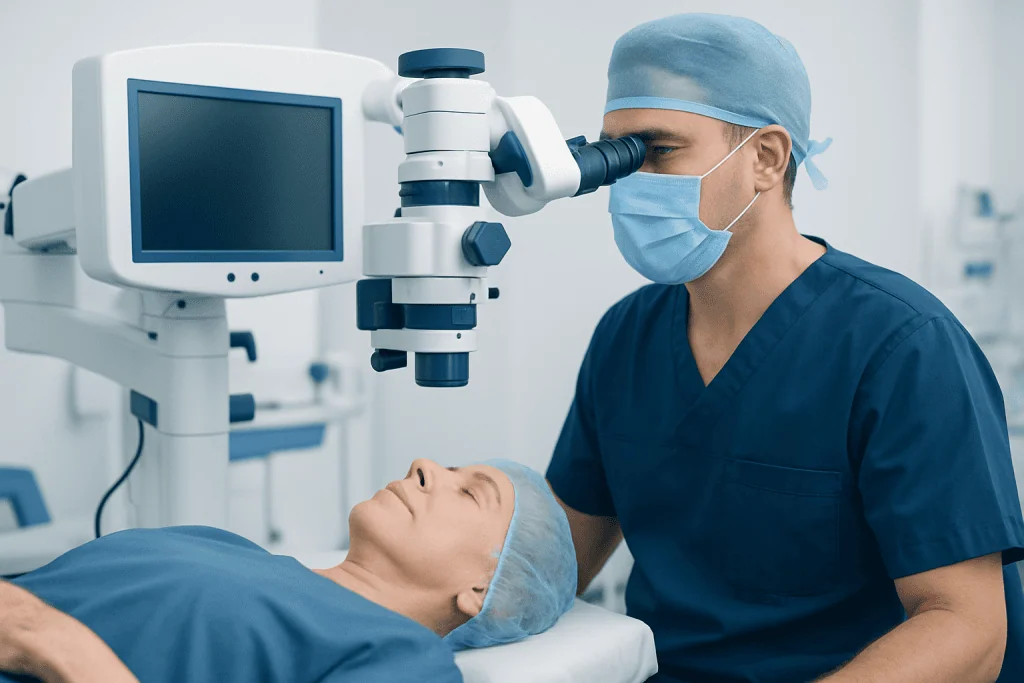
Modern cataract surgery is typically performed through a very small incision. The surgeon removes the cloudy natural lens and places a clear artificial lens, also called an intraocular lens, inside the eye. The procedure is often done under local anesthesia with sedation or numbing drops, and many patients return home the same day.
One of the most important parts of planning is choosing the right lens. Standard monofocal lenses usually aim to improve distance vision or near vision, but reading glasses may still be needed. In some cases, patients may be offered intraocular lens options designed to address astigmatism or reduce dependence on glasses. More advanced lenses may suit some patients very well, but they are not ideal for everyone.
Patients traveling for surgery should ask how lens suitability is determined. Detailed eye measurements, corneal shape analysis, retina evaluation, and a review of other eye conditions are all important. If the patient also has another vision issue such as astigmatism, the lens plan may need to be tailored carefully to avoid disappointment after surgery.
It is also helpful to ask what visual result is realistic. Some patients hope to become completely glasses-free, but outcomes depend on the health of the eye, the type of lens used, and whether conditions such as dry eye, glaucoma, or macular disease are present. A clear, balanced discussion before surgery is often a sign of careful care planning.
Comparing Quality and Safety Standards

Safety is usually the most important comparison point. Patients should look at the ophthalmologist’s training, subspecialty experience, and how often they perform cataract surgery. A surgeon who regularly treats complex cases may be especially important for people with dense cataracts, previous eye surgery, diabetes-related eye disease, or other eye conditions.
The hospital or eye center also matters. International patients may wish to confirm whether the facility is accredited, what infection prevention standards are used, and whether anesthesia and emergency support are available if needed. Questions about sterile operating conditions, equipment maintenance, and postoperative monitoring are appropriate and reasonable.
Preoperative assessment should be thorough rather than rushed. A high-quality clinic will usually evaluate the front and back of the eye, measure the eye carefully for lens power, review medications, and discuss risks and benefits in understandable language. This is especially important if the cataract is not the only reason for reduced vision and if another eye condition may limit the final result.
Patients may also ask whether the center offers broad general ophthalmology care beyond the operation itself. This can be reassuring because it suggests that the team can assess the whole eye, not only perform the procedure. Good cataract care depends on diagnosis, planning, surgery, and follow-up working together.
Cost, Value, and What the Quoted Price Includes
Cost is often one reason patients compare surgery abroad with care at home, but the lowest upfront price is not always the best overall value. A meaningful comparison should include consultation fees, eye measurements, the surgeon’s fee, anesthesia, the lens implant, medications, postoperative visits, and any recommended tests. Patients should also ask whether treatment for both eyes is priced separately and how timing between the two eyes is decided.
Travel-related expenses can change the picture significantly. Flights, accommodation, local transportation, travel insurance, and the need for a companion may all add to the total. If recovery takes longer than expected, extra nights abroad can increase cost and stress. Patients should ask for a written package breakdown so they can compare like with like.
Another key point is the lens type. Standard lenses and premium lenses may differ considerably in price. A higher quote may reflect more advanced lens technology, more detailed diagnostics, or longer follow-up. Rather than focusing only on the final number, patients may benefit from asking why one center recommends a particular lens and what the expected trade-offs are.
It is also wise to ask what happens if an additional visit or treatment is needed. While serious complications are uncommon, patients should understand whether the original fee covers early postoperative care, management of unexpected inflammation, or advice after they return home. Clear financial communication can reduce uncertainty and help the patient make a more confident decision.
Travel, Timing, and Recovery Planning
Cataract surgery recovery is often smooth, but the first days and weeks still matter. The eye is monitored for healing, pressure changes, inflammation, and signs of infection. For this reason, patients considering surgery abroad should ask how long they need to stay near the hospital after the procedure and when it is safe to fly, depending on their individual case and the surgeon’s advice.
Most people can resume light daily activities relatively quickly, but the eye still needs protection and medication during early healing. Patients are usually asked to use prescribed eye drops, avoid rubbing the eye, and be careful with water exposure, heavy lifting, and dusty environments for a period of time. Travel can make some of these instructions harder to follow consistently.
Follow-up logistics are especially important if surgery is planned for both eyes. Some patients have the second eye treated after the first eye has stabilized, while others may be scheduled differently depending on the clinic’s practice and the patient’s needs. Anyone traveling internationally should know the planned review schedule before booking flights.
It may also help to ask how the clinic supports communication after discharge. Access to written instructions, medication schedules, and a contact route for urgent questions can make recovery less stressful. If another specialist opinion becomes necessary, related services such as neuro-ophthalmology assessment may be useful in selected cases where vision symptoms are not explained by cataract alone.
Follow-up Care and What Happens After Returning Home
One of the biggest differences between surgery abroad and surgery at home is continuity of care. After cataract surgery, patients usually need one or more follow-up visits to check healing and vision. If they return home soon after the procedure, they should already know who will provide these examinations and whether their local eye doctor is willing to take over postoperative care.
Patients should request copies of test results, lens details, the operation note, and the postoperative treatment plan. This information can help a local ophthalmologist understand exactly what was done and what to monitor. A good center will usually provide records in a clear format and in a language the patient and local doctor can use.
It is also important to understand what symptoms require urgent medical attention. Severe pain, a sudden drop in vision, increasing redness, flashes, or a curtain-like shadow in the vision should not be ignored. While these symptoms do not always mean a serious problem, they should be assessed promptly by a qualified eye specialist.
For international patients, the ideal arrangement is coordinated care between the operating team and the doctor at home. This can make the experience safer and more comfortable. Near the end of planning, some patients may choose a center such as Acibadem International, where multidisciplinary specialists and JCI-accredited hospitals care for international patients and can explain treatment pathways clearly.
Who May Benefit Most From Surgery Abroad—and Who May Prefer Home Care
Surgery abroad may be a reasonable option for patients who are medically straightforward, able to travel comfortably, and comfortable navigating healthcare in another country. It may also suit those who want access to a wide range of lens technologies, shorter scheduling times, or care in a hospital with established international patient services. Strong communication and a reliable follow-up plan are essential in these cases.
On the other hand, some people may be better served by having surgery at home. This may include patients with complicated eye disease, major general health problems, limited mobility, or difficulty traveling after surgery. People who need frequent reviews, have hearing or language barriers, or feel anxious about being far from their support system may also prefer local care.
Patients with other eye conditions should be especially cautious about choosing based on convenience alone. Cataract surgery can still be successful in these individuals, but expectations and monitoring may need to be more careful. If cataract is only one part of the vision problem, comprehensive assessment of cataracts and the rest of the eye becomes even more important.
There is no single right answer for everyone. The best decision is usually the one that balances medical safety, realistic visual goals, practical recovery needs, and personal peace of mind.
Questions to Ask Before Deciding
Before committing to cataract surgery in Turkey or at home, patients may benefit from preparing a written list of questions. These can help compare clinics fairly and reveal differences that are not obvious from advertisements or price quotes alone. Taking time to ask detailed questions is a normal and sensible part of planning.
Useful questions may include:
- Who will perform the surgery, and how experienced are they with cases like this?
- What tests are included before surgery, and how is lens power calculated?
- Which lens options are suitable, and what are the likely pros and cons of each?
- How many postoperative visits are recommended, and how long should the patient stay nearby?
- What is included in the quoted fee, and what costs are separate?
- How are urgent concerns handled after discharge and after returning home?
Patients should also consider communication quality. If explanations are rushed, unclear, or focused mainly on selling a premium option, it may be worth seeking another opinion. The goal is not simply to find surgery, but to find the right surgery plan for that person’s eyes and daily needs.
A thoughtful decision often leads to a smoother experience and better satisfaction afterward. Whether treatment is chosen in Turkey or locally, informed preparation can help the patient feel more confident and supported throughout the process.
Frequently asked questions
Is cataract surgery in Turkey safe for international patients?
It can be safe when it is performed by qualified ophthalmologists in properly accredited hospitals or eye centers with good infection control and follow-up systems. Patients should look beyond price and confirm surgeon experience, hospital standards, and how postoperative care will be handled after travel.
What should patients compare besides cost?
Important comparison points include surgeon expertise, hospital accreditation, lens choices, preoperative testing, communication quality, and the follow-up plan. Travel timing, accommodation needs, and what is included in the written quote also matter.
How long should someone stay after cataract surgery abroad?
The ideal length of stay depends on the individual case, the surgeon’s routine, and whether one or both eyes are being treated. Patients should not assume they can fly immediately and should follow the operating team’s advice about early review and safe travel timing.
Can a local eye doctor provide follow-up after surgery in another country?
Often yes, but this should be arranged before travel whenever possible. The patient should return home with the operation note, lens details, medication plan, and clear instructions so the local ophthalmologist can continue care safely.
Are premium lens implants always better than standard lenses?
Not necessarily. Premium lenses can reduce glasses dependence for some patients, but they are not suitable for every eye and may involve trade-offs such as visual phenomena or different expectations for near and distance vision. A careful eye examination is needed to decide what is appropriate.
Who may be better off having cataract surgery at home?
Patients with complex eye disease, major medical conditions, mobility difficulties, or a need for close long-term monitoring may prefer local treatment. Staying close to home can also be helpful for people who value easier communication and simpler access to postoperative visits.
This article is for general information only and is not a substitute for professional medical advice. Please consult a qualified doctor about your individual situation.
Cataract Surgery in Turkey — costs, top hospitals & a free quote
JCI-accredited · board-certified surgeons · reply within 24h
Add us as a Preferred Source to see more of our trusted health content across Google Search, AI Overviews and Discover.

Ophthalmology
Comprehensive eye care from laser vision correction to retina, cornea and cataract surgery.
75 specialists in this unitRelated Treatments
More from the Health Library

Cataract Surgery Recovery: Healing Timeline, Drops, and Activity Limits

Contact Lenses: Who Is a Good Candidate and What Are the Limits?

Myopia in Children: Nearsightedness and Progression Control

Diabetic Retinopathy: Eye Screening, Vision Changes, and Treatment
What Is an Eye Exam? Tests, Results, and When You Need One