Cerebral Cortex: What It Does and Why It Matters

The cerebral cortex is the brain’s outer layer and supports higher brain functions. Different cortical regions specialize in movement, sensation, vision, hearing, language, and planning.
Key Takeaways
- The cerebral cortex is the brain’s outer layer and supports higher brain functions.
- Different cortical regions specialize in movement, sensation, vision, hearing, language, and planning.
- Symptoms such as weakness, speech changes, seizures, or vision loss can suggest cortex-related problems.
- Diagnosis often uses a neurological exam, brain imaging, and sometimes additional tests.
- Treatment depends on the cause and may include medication, rehabilitation, surgery, or monitoring.
The cerebral cortex is the brain’s outer layer and plays a central role in thinking, sensation, movement, language, and memory. Understanding how it works helps explain many everyday skills and why certain neurological symptoms deserve medical attention.
Overview
The cerebral cortex is the thin, folded outer layer of the brain. Although it is only a small part of the body’s total mass, it is responsible for many of the functions people rely on every day, including thinking, learning, speaking, sensing, and making voluntary movements.
The cortex is divided into regions called lobes, and each lobe contributes to different abilities. The frontal lobe helps with planning, judgment, attention, personality, and movement. The parietal lobe processes touch, body position, and spatial awareness. The temporal lobe supports hearing, language understanding, and memory. The occipital lobe is mainly involved in vision.
Because the cortex is involved in so many functions, problems affecting it can appear in different ways. Some people notice changes in speech, memory, or behavior, while others develop weakness, numbness, seizures, or vision changes. In some cases, symptoms arise suddenly and need urgent evaluation.
For a broader understanding of how the brain is organized, it may help to read about the stroke article, since strokes can affect cortical areas and cause specific neurological symptoms.
Symptoms
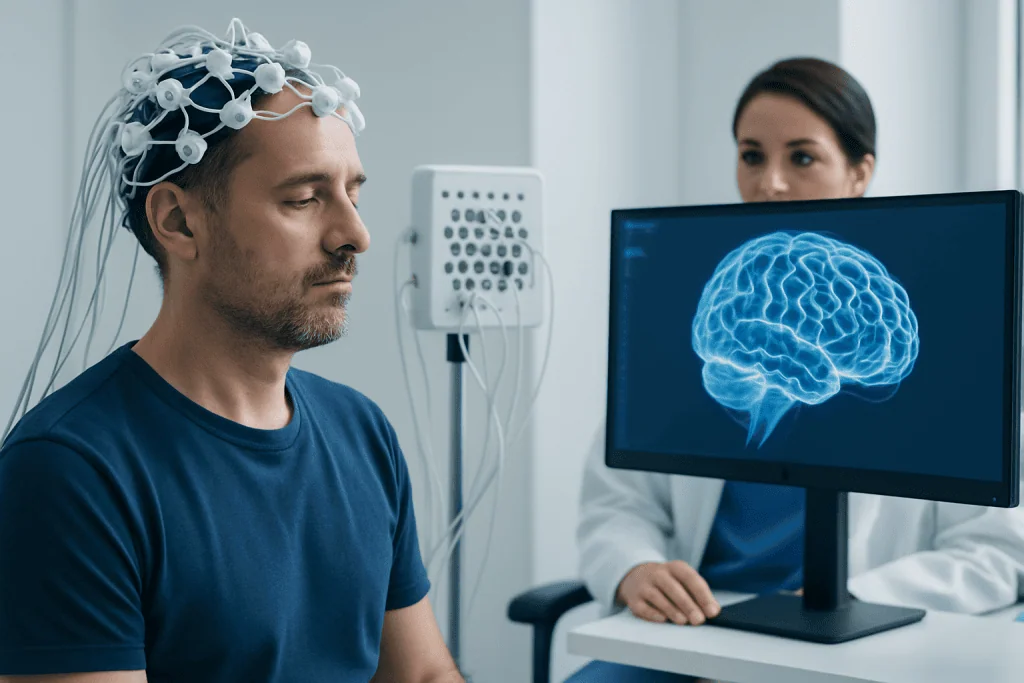
Symptoms related to the cerebral cortex depend on which area is affected. A problem in one region may only affect a single function, while a larger injury or disease process may cause several changes at once. Symptoms can be subtle at first and may gradually become more noticeable over time.
Common cortical-related symptoms include:
- Weakness or clumsiness on one side of the body
- Numbness or altered sensation
- Difficulty speaking, understanding, reading, or writing
- Memory problems or trouble concentrating
- Changes in vision, including loss of part of the visual field
- Seizures
- Personality, mood, or behavior changes
Not every symptom means there is a cortex problem, and many symptoms can have more than one cause. Still, when new neurological symptoms appear, especially if they are sudden, they should be discussed with a doctor.
In some people, symptoms come and go. In others, they progress gradually. A doctor may also consider whether the symptoms fit a migraine pattern, a seizure disorder, inflammation, infection, or another condition affecting the brain.
Causes & Risk Factors
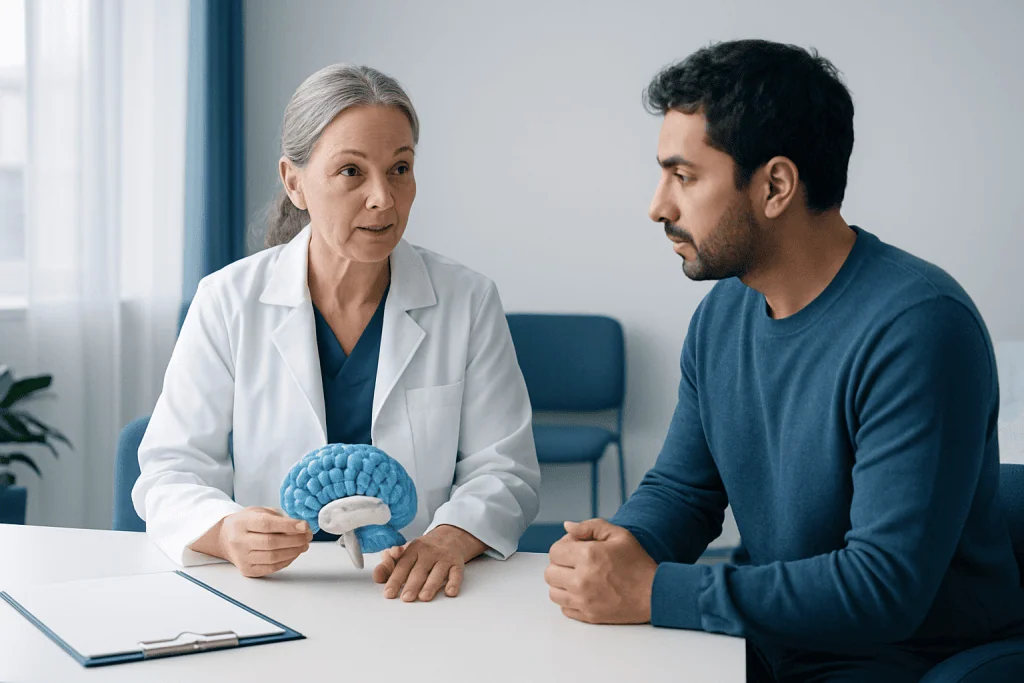
There is no single cause of cerebral cortex problems. The cortex can be affected by many different conditions, including reduced blood flow, injury, infection, inflammation, tumors, degenerative diseases, and seizures. The exact cause determines both the symptoms and the treatment plan.
Common causes and risk factors include:
- Stroke or transient loss of blood flow to the brain
- Head injury, including concussion or more severe trauma
- Epilepsy and other seizure disorders
- Brain tumors or other growths
- Infections such as encephalitis or meningitis
- Neurodegenerative diseases that affect memory, language, or movement
- Vascular risk factors such as high blood pressure, diabetes, smoking, and high cholesterol
Age, family history, prior neurological disease, and exposure to certain injuries or infections can also increase risk. Some conditions develop suddenly, while others build slowly over months or years.
It is also important to remember that the cortex works closely with deeper brain structures. A symptom may reflect a network problem rather than damage limited to one spot. This is one reason doctors often use imaging and detailed neurological testing to understand the full picture.
Diagnosis
Doctors usually begin with a careful medical history and neurological examination. They ask about the type of symptom, when it started, whether it is getting better or worse, and whether other problems such as headache, fever, trauma, weakness, or seizures are present. The neurological exam checks strength, sensation, coordination, speech, vision, memory, and reflexes.
Brain imaging is often an important next step. A brain MRI can show many structural changes in the cortex, while a CT scan may be used more quickly in urgent settings. Depending on the concern, doctors may also request blood tests, an electroencephalogram (EEG) for seizures, or other specialized studies.
Sometimes diagnosis takes time because similar symptoms can arise from different conditions. For example, language problems may be caused by a stroke, a seizure, a tumor, or a temporary neurological event. A thorough evaluation helps distinguish among these possibilities and guides appropriate care.
When needed, doctors may refer the patient to a neurologist, neurosurgeon, or rehabilitation specialist. In some cases, evaluation of the blood vessels with angiography may be helpful if a vascular cause is suspected.
Treatment Options
Treatment depends entirely on the underlying cause, the person’s symptoms, and how much of the cortex is involved. Some problems improve with medication and observation, while others need urgent intervention. The goal is always to treat the cause, protect brain function, and reduce long-term complications.
Examples of treatment approaches include:
- Stroke care, which may involve emergency treatment, risk-factor control, and rehabilitation
- Antiseizure medication for seizure disorders
- Antibiotics, antivirals, or anti-inflammatory treatment for selected infections or inflammatory conditions
- Surgery for certain tumors, bleeding, or structural problems
- Physical, occupational, and speech therapy to support recovery after neurological injury
- Monitoring when symptoms are mild and the cause is stable or uncertain
Rehabilitation is often an important part of recovery when the cortex has been affected. Depending on the problem, therapy may focus on speech, memory, hand function, walking, or daily activities. Early and consistent rehabilitation can help people make the most of remaining brain function.
For surgical concerns, patients may be evaluated by specialists who can discuss options such as neurosurgery when appropriate. In select cases, advanced procedures may be considered to manage tumors, bleeding, or pressure on brain tissue.
Prevention & Self-care
Not all cortical problems can be prevented, but some risks can be reduced. Because many cortex-related conditions involve the brain’s blood supply, protecting cardiovascular health is especially important. Managing blood pressure, blood sugar, and cholesterol, avoiding smoking, staying active, and following a balanced diet can support overall brain health.
General self-care measures may include:
- Taking prescribed medicines as directed
- Keeping follow-up appointments and imaging visits
- Wearing seat belts and using helmets to reduce head injury risk
- Getting enough sleep and maintaining a regular routine
- Limiting alcohol and avoiding recreational drugs
- Reporting new symptoms promptly rather than waiting for them to pass
After a neurological diagnosis, it is helpful to keep notes about symptoms, triggers, and any changes over time. This can make follow-up visits more productive and help the care team adjust treatment if needed.
Families and caregivers may also play an important role. They can help observe changes in speech, memory, mood, movement, or safety at home, especially when a person is recovering from a stroke, seizure, or brain injury.
When to See a Doctor
Any new or unexplained neurological symptom deserves medical attention, especially if it affects movement, speech, vision, balance, or awareness. A doctor should be contacted promptly for one-sided weakness, sudden confusion, a seizure, severe headache with neurological changes, or difficulty speaking.
Emergency care is particularly important if symptoms begin suddenly or if there is concern for stroke, head trauma, or a serious infection. Quick evaluation can help doctors identify the cause and start treatment as early as possible.
People with known neurological conditions should also seek review if symptoms become more frequent, more severe, or different from their usual pattern. Even gradual changes in memory, behavior, or coordination can be worth discussing, since early assessment often leads to better support and planning.
Acibadem International’s multidisciplinary specialists and JCI-accredited hospitals diagnose and treat a wide range of neurological conditions for international patients, including problems that affect the cerebral cortex.
Frequently asked questions
What is the cerebral cortex in simple terms?
The cerebral cortex is the brain’s outer layer. It helps with thinking, language, memory, sensation, and voluntary movement.
Which parts of the brain make up the cortex?
The cortex is divided into lobes: frontal, parietal, temporal, and occipital. Each lobe has different functions, although they work together as a network.
Can problems in the cerebral cortex affect speech?
Yes. Areas of the cortex help control both speaking and understanding language. Damage or dysfunction in these regions can lead to speech or language problems.
Are seizures related to the cerebral cortex?
They can be. Seizures often start from abnormal electrical activity in the cortex, which is why doctors may order an EEG when seizures are suspected.
How do doctors find out if the cortex is affected?
They use a neurological exam, a careful symptom history, and tests such as MRI or CT scans. Additional studies may be needed depending on the suspected cause.
Can cortex-related problems improve?
Yes, many can improve depending on the cause and how quickly treatment begins. Recovery may involve medication, rehabilitation, surgery, or ongoing monitoring.
References
- National Institute of Neurological Disorders and Stroke
- Mayo Clinic
- World Health Organization
- Merck Manual Professional Edition
- American Academy of Neurology
This article is for general information only and is not a substitute for professional medical advice. Please consult a qualified doctor about your individual situation.
Explore treatments in Turkey — costs, top hospitals & a free quote
JCI-accredited · board-certified surgeons · reply within 24h
Add us as a Preferred Source to see more of our trusted health content across Google Search, AI Overviews and Discover.
Check your numbers in seconds
BMI, calories, due date, blood pressure and 30+ more clinical calculators — free, instant, doctor-reviewed ranges.