Cervical Cancer: HPV, Pap Tests, and Prevention

Most cervical cancers are caused by persistent infection with high-risk types of human papillomavirus, known as HPV. Pap tests look for abnormal cervical cells, while HPV tests look for high-risk HPV infection that may lead to cell changes.
Key Takeaways
- Most cervical cancers are caused by persistent infection with high-risk types of human papillomavirus, known as HPV.
- Pap tests look for abnormal cervical cells, while HPV tests look for high-risk HPV infection that may lead to cell changes.
- HPV vaccination is an important prevention tool and works best when given before exposure to HPV, but some adults may still benefit after medical advice.
- Abnormal screening results are common and do not mean a person has cancer; they usually require repeat testing or closer evaluation.
- Early cervical cancer may not cause symptoms, so routine screening remains essential even when a person feels well.
Cervical cancer is one of the most preventable cancers because most cases are linked to HPV, a common virus that can be detected and prevented through screening and vaccination. Regular Pap tests, HPV testing, and timely follow-up help find cervical cell changes early, often before cancer develops.
Overview
Cervical cancer begins in the cells of the cervix, the lower part of the uterus that opens into the vagina. It usually develops slowly over several years, often starting with precancerous changes that can be found through screening. Because these early changes can often be treated before cancer forms, cervical cancer is considered one of the most preventable cancers.
The main cause of cervical cancer is long-lasting infection with high-risk types of human papillomavirus, or HPV. HPV is very common and is usually cleared by the immune system without causing health problems. In some people, however, high-risk HPV stays in the cervical cells and may gradually lead to abnormal changes.
Prevention includes HPV vaccination, regular cervical screening with Pap tests and/or HPV tests, and appropriate follow-up when results are abnormal. These tools work together: vaccination reduces the risk of infection, screening finds early changes, and treatment of precancerous lesions helps prevent cancer from developing.
HPV and Cervical Cancer
HPV is a group of viruses transmitted mainly through intimate skin-to-skin and sexual contact. There are many HPV types. Some cause genital warts and are considered low risk, while others are called high risk because persistent infection can contribute to cancers of the cervix, anus, vulva, vagina, penis, and throat.
Most HPV infections cause no symptoms, so a person may not know they have been exposed. In many cases, the immune system clears the virus naturally. Cervical cancer risk increases when high-risk HPV remains in the body over time and causes changes in cervical cells. This is why HPV testing and regular follow-up are important parts of prevention.
Having HPV does not mean a person has cancer, and it does not mean they will develop cancer. It means a virus has been detected that may require monitoring. A healthcare professional can explain what a positive HPV result means based on age, screening history, the HPV type if known, and any Pap test findings.
Symptoms and Early Warning Signs
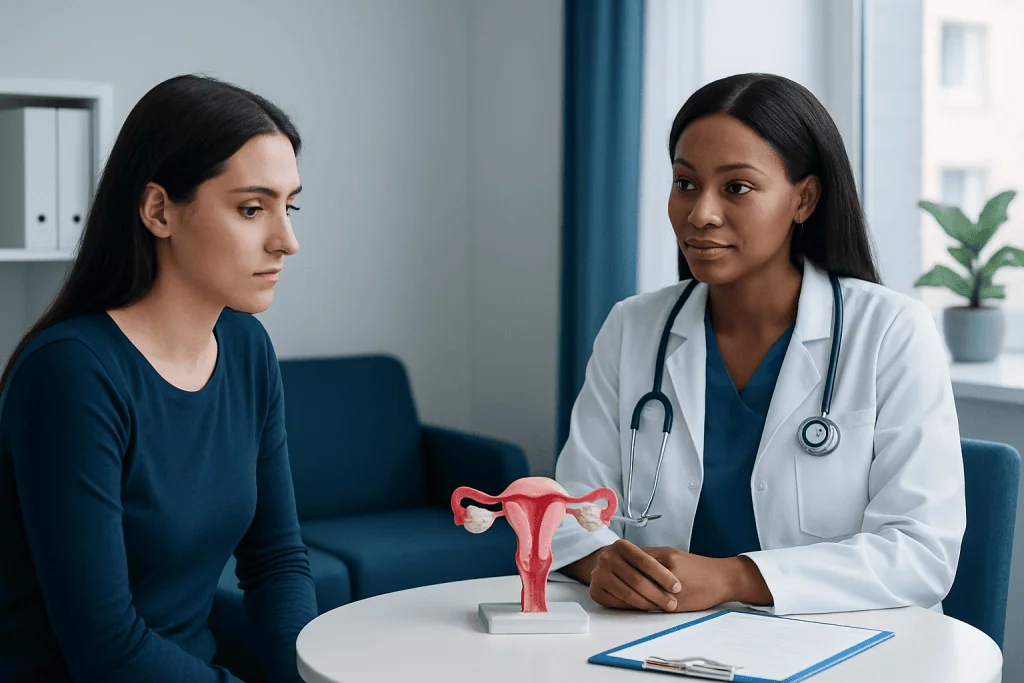
Early cervical cancer and precancerous cervical changes often cause no symptoms. This is the key reason routine screening is recommended even for people who feel completely healthy. Waiting for symptoms can delay diagnosis, while screening can identify changes at an earlier and more treatable stage.
When symptoms do occur, they may include unusual vaginal bleeding, bleeding after sex, bleeding between periods, heavier or longer menstrual bleeding, or bleeding after menopause. Some people may notice watery, pink, brown, or unpleasant-smelling vaginal discharge. Pelvic pain or pain during sex can also occur, although these symptoms can have many non-cancer causes.
Because these symptoms may be related to infections, hormonal changes, fibroids, polyps, or other gynecologic conditions, they should be assessed by a qualified doctor rather than self-diagnosed. Prompt evaluation helps identify the cause and provides reassurance or treatment when needed.
Pap Tests, HPV Tests, and Screening
A Pap test, also called a Pap smear, collects cells from the cervix to look for abnormal changes. An HPV test checks for high-risk HPV types that can lead to cervical cell changes. Depending on age, personal risk, and local guidelines, screening may involve a Pap test alone, an HPV test alone, or both together, known as co-testing.
Screening recommendations vary by country and individual medical history. In general, cervical screening begins in early adulthood and continues at regular intervals. People who have had abnormal results, a weakened immune system, previous cervical precancer, or certain medical conditions may need a different schedule. Those who have had a hysterectomy should ask their doctor whether screening is still needed, as this depends on the type of surgery and past results.
The screening procedure is usually brief. A clinician gently places a speculum in the vagina to see the cervix and uses a small brush or spatula to collect cells. Some people feel pressure or mild discomfort, but it should not be painful. If anxiety, pain, or past trauma makes the exam difficult, patients are encouraged to tell the healthcare team so supportive adjustments can be made.
Understanding Abnormal Results
An abnormal Pap test does not necessarily mean cancer. Many abnormal results show mild cell changes that may return to normal, especially in younger people. A positive HPV test also does not mean cancer; it means high-risk HPV has been found and the cervix may need monitoring or additional evaluation.
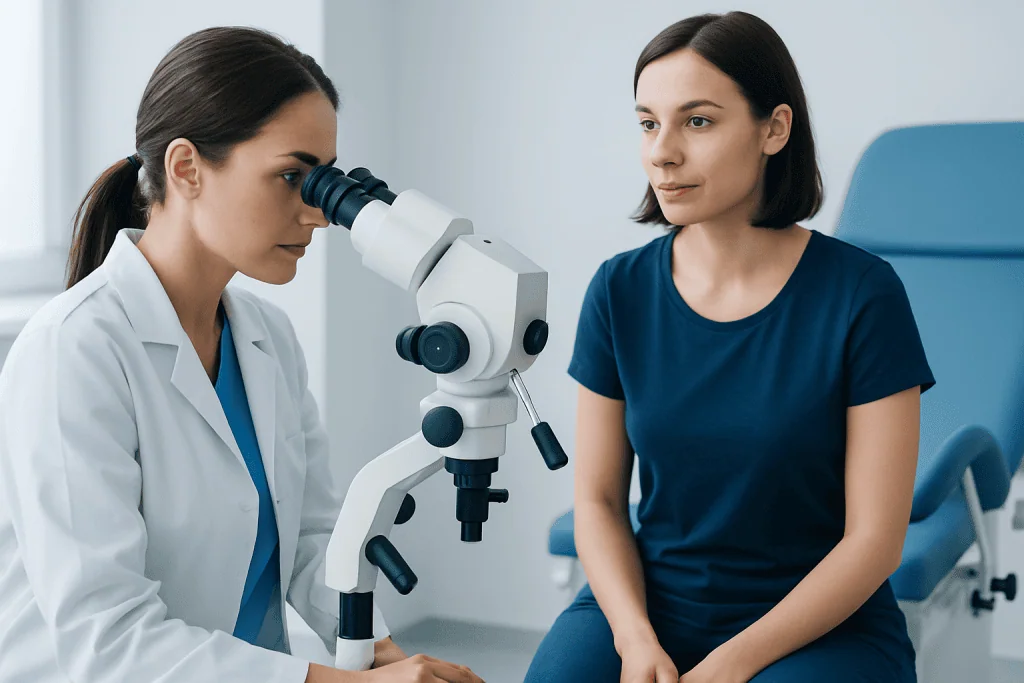
Follow-up depends on the exact result, age, HPV status, and previous screening history. A doctor may recommend repeat testing after a period of time, colposcopy, or biopsy. During colposcopy, the cervix is examined with a magnifying instrument, and a small tissue sample may be taken if an area looks abnormal.
If precancerous changes are confirmed, treatment may remove or destroy the affected cervical tissue. Common approaches include excisional procedures, such as removing a small cone-shaped piece of tissue, or ablative treatments that destroy abnormal cells. The goal is to prevent progression while preserving cervical function whenever possible.
Treatment Options for Cervical Cancer
Treatment for cervical cancer depends on the stage, tumor size, exact location, overall health, and whether future fertility is a priority. A care team may include gynecologic oncologists, medical oncologists, radiation oncologists, radiologists, pathologists, fertility specialists, and specialist nurses. Treatment decisions are individualized after careful diagnosis and staging.
For very early disease, surgery may be the main treatment. This can range from removal of a small area of the cervix to more extensive surgery, depending on the findings. In selected early cases, fertility-sparing approaches may be considered, but they require careful assessment by an experienced specialist.
For more advanced disease, treatment may include radiation therapy, chemotherapy, targeted therapy, immunotherapy, or a combination. Supportive care is also important and may address fatigue, nutrition, pain control, sexual health, emotional wellbeing, and recovery after treatment. Patients should feel able to ask about the goals, benefits, possible side effects, and alternatives for each recommended treatment.
Prevention, Self-Care, and When to See a Doctor
HPV vaccination is a major prevention tool. It helps protect against the HPV types most often linked with cervical cancer and some other HPV-related cancers. Vaccination works best before HPV exposure, but eligibility and potential benefit vary by age and individual circumstances, so patients should discuss it with a healthcare professional.
Other prevention steps support cervical health and reduce risk. These include attending screening appointments, following up on abnormal results, using condoms or barrier protection to reduce HPV transmission risk, avoiding smoking, and seeking care for persistent gynecologic symptoms. Condoms do not prevent all HPV transmission because HPV can affect skin not covered by a condom, but they can reduce risk and protect against other infections.
A doctor should be consulted for bleeding after sex, bleeding between periods, bleeding after menopause, unusual discharge, pelvic pain, or pain during sex. Medical advice is also important after any abnormal screening result, a positive HPV test, or missed follow-up. For international patients, Acibadem International provides access to multidisciplinary specialists and JCI-accredited hospitals for diagnosis and treatment of cervical cancer and related conditions.
Frequently asked questions
What is the main cause of cervical cancer?
Most cervical cancers are caused by persistent infection with high-risk types of HPV. HPV is common, and most infections clear naturally, but long-lasting infection can lead to abnormal cervical cell changes over time.
Does a positive HPV test mean cancer?
No. A positive HPV test means that high-risk HPV has been detected. It does not mean a person has cervical cancer, but it may mean closer monitoring, repeat testing, or colposcopy is needed.
What is the difference between a Pap test and an HPV test?
A Pap test looks for abnormal cells on the cervix. An HPV test looks for high-risk HPV infection that can cause those cell changes. Depending on age and guidelines, a doctor may recommend one test or both together.
Can cervical cancer be prevented?
Many cases can be prevented through HPV vaccination, regular cervical screening, and appropriate treatment of precancerous cervical changes. Prevention is strongest when vaccination and screening are used together according to medical guidance.
Who should get the HPV vaccine?
HPV vaccination is commonly recommended before the start of sexual activity, but recommendations vary by age, country, and individual risk. Some adults may still benefit, so it is best to discuss vaccination with a qualified healthcare professional.
Are abnormal Pap results common?
Yes, abnormal Pap results are relatively common and often do not mean cancer. Many mild changes resolve on their own, while others need follow-up testing or treatment to prevent future problems.
Can someone stop screening after menopause?
Screening needs after menopause depend on age, previous screening results, medical history, and local guidelines. People should not stop cervical screening without discussing it with their doctor, especially if they have had abnormal results in the past.
References
- World Health Organization
- Centers for Disease Control and Prevention
- National Cancer Institute
- American Cancer Society
- European Society for Medical Oncology
This article is for general information only and is not a substitute for professional medical advice. Please consult a qualified doctor about your individual situation.
Cervical Cancer in Turkey — costs, top hospitals & a free quote
JCI-accredited · board-certified surgeons · reply within 24h
Add us as a Preferred Source to see more of our trusted health content across Google Search, AI Overviews and Discover.

Medical Oncology Department
Medical treatment of cancer with chemotherapy, immunotherapy and targeted therapies under a multidisciplinary tumor board.
60 specialists in this unitMore from the Health Library



Related Specialists

Assoc. Prof. Dr. Ali Özer
Liver Transplant Center
Dr. Ömer Kayakıran
Emergency Service
Assoc. Prof. Dr. Esma Kobak Tur
Neurology
Assoc. Prof. Dr. A. Erdem Kilavuz
Ear Nose & Throat