Cervical tenderness during intercourse: Symptoms, Causes, and Treatment — Complete Patient Guide

Cervical tenderness during intercourse is a symptom, not a diagnosis. Deep pain with penetration may come from the cervix, uterus, pelvic floor, or nearby organs.
Key Takeaways
- Cervical tenderness during intercourse is a symptom, not a diagnosis.
- Deep pain with penetration may come from the cervix, uterus, pelvic floor, or nearby organs.
- Possible causes include cervicitis, sexually transmitted infections, endometriosis, pelvic inflammatory disease, fibroids, and ovarian cysts.
- A pelvic exam, vaginal or cervical swabs, and sometimes ultrasound are commonly used to find the cause.
- Treatment depends on the underlying problem and may include medication, pelvic floor therapy, or treatment of gynecologic conditions.
- Persistent pain, bleeding, fever, unusual discharge, or severe pelvic pain should be assessed by a doctor.
Cervical tenderness during intercourse usually means there is irritation, inflammation, or another pelvic condition making deep penetration painful. Common causes include infections, cervicitis, endometriosis, pelvic floor tension, or structural conditions, and evaluation can help identify the reason and guide treatment.
Overview: what cervical tenderness during intercourse can mean
Cervical tenderness during intercourse often feels like a deep ache, pressure, or sharp pain during penetration, especially with certain positions or deeper thrusting. In many cases, the pain is not caused by the cervix alone but by nearby pelvic tissues that move during intercourse, such as the uterus, pelvic floor muscles, ovaries, or ligaments. This is why a careful evaluation is important.
The symptom can happen for several reasons. Some are relatively straightforward, such as temporary irritation, vaginal dryness, or inflammation of the cervix. Others involve underlying gynecologic conditions, including infection, endometriosis, fibroids, ovarian cysts, or pelvic inflammatory disease. Because different causes can feel similar, diagnosis is based on symptoms, examination, and sometimes imaging or lab tests.
Although this symptom can be worrying, it is often treatable once the cause is identified. Many people improve with targeted care, which may include treating infection, changing sexual practices, addressing hormone-related dryness, or managing pelvic conditions. The goal is not only to reduce pain but also to protect reproductive and pelvic health.
How the symptoms may feel
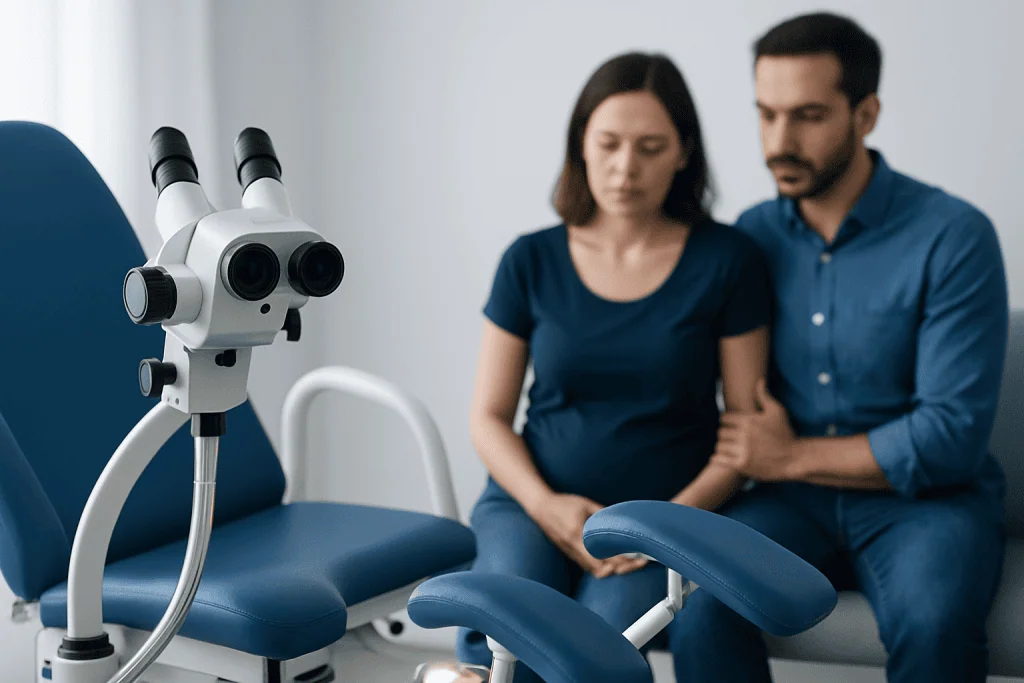
People describe cervical tenderness during intercourse in different ways. Some feel a sudden sharp pain when penetration becomes deep. Others notice a dull internal soreness, pressure low in the pelvis, or cramping that starts during sex and continues afterward. The discomfort may happen every time or only in certain positions.
Additional symptoms can offer clues about the cause. Pain linked to infection or inflammation may come with unusual vaginal discharge, bleeding after sex, burning, or an unpleasant odor. Pain related to conditions such as endometriosis may be worse around menstruation and may occur with pelvic pain, painful periods, or bowel symptoms. Structural conditions such as fibroids or ovarian cysts can also cause pelvic heaviness, bloating, or irregular bleeding.
It can also help to notice whether the pain is mainly at the vaginal opening or deeper inside the pelvis. Pain at the entrance is more often related to dryness, skin irritation, or pelvic floor muscle tightness, while deeper pain raises the possibility of cervical, uterine, tubal, or ovarian causes. Keeping track of timing, triggers, and related symptoms can make the medical visit more useful.
- Deep pelvic pain during thrusting
- Cramping or aching after intercourse
- Spotting or bleeding after sex
- Abnormal discharge or odor
- Fever, nausea, or pelvic pain outside intercourse
- Pain that changes with menstrual cycle timing
Common causes and risk factors

One common cause is cervicitis, which means inflammation of the cervix. This may result from sexually transmitted infections, other vaginal or cervical infections, irritation from products, or less commonly from noninfectious inflammation. Cervicitis can make the cervix more sensitive to contact and may lead to bleeding after sex, discharge, or pelvic discomfort.
Another important group of causes includes conditions deeper in the pelvis. Ovarian cysts can create discomfort with movement or deep penetration. Endometriosis may cause deep pain during sex because tissue similar to the uterine lining grows outside the uterus and can inflame surrounding structures. Fibroids, adenomyosis, or pelvic inflammatory disease can also make pelvic organs more tender when pressure is applied during intercourse.
Not all pain is due to infection or a visible gynecologic disease. Pelvic floor muscle tension can cause the muscles around the vagina and pelvis to tighten and react painfully during penetration. Vaginal dryness, especially after childbirth, during breastfeeding, around menopause, or with some medications, can contribute to friction and deeper discomfort. Prior pelvic surgery, trauma, or anxiety related to pain may also play a role.
Risk factors vary by cause but may include unprotected sex, a history of sexually transmitted infections, recent childbirth, hormonal changes, previous pelvic infection, heavy or painful periods, and known pelvic disorders. A doctor considers the whole pattern rather than one symptom alone.
How doctors diagnose the cause
Diagnosis starts with a detailed medical history. A doctor will usually ask when the pain began, whether it occurs with all sexual activity or only deep penetration, how it relates to the menstrual cycle, and whether there are symptoms such as bleeding, discharge, urinary discomfort, bowel pain, fever, or trouble becoming pregnant. These details help narrow the possible causes.
A pelvic examination is often the next step. During the exam, the clinician checks the vulva, vagina, and cervix for irritation, discharge, lesions, or signs of infection. Gentle movement of the cervix and uterus may show where the tenderness is coming from. If needed, cervical or vaginal swabs can test for sexually transmitted infections or other infections, and a Pap test may be recommended according to routine screening guidance.
Imaging may be helpful when doctors suspect deeper pelvic conditions. Pelvic ultrasound is commonly used to look for fibroids, ovarian cysts, or other structural causes of pelvic pain. In some cases, blood tests, urine tests, or referral to a gynecologist are appropriate. If endometriosis is strongly suspected, diagnosis may involve specialist review and sometimes procedures such as laparoscopy for selected patients.
Because painful intercourse can have more than one cause, diagnosis is sometimes a process rather than a single test. For example, a person may have both dryness and pelvic floor muscle tension, or an ovarian cyst together with chronic pelvic sensitivity. A careful, stepwise approach usually leads to the most effective treatment plan.
Treatment options and what may help
Treatment depends on the underlying diagnosis. If infection or cervicitis is present, treatment may include antibiotics or other prescription medicines, along with testing and treatment of sexual partners when appropriate. If irritation is due to a product or device, avoiding the trigger may be enough. Vaginal dryness may improve with lubricants, moisturizers, or treatment of hormone-related causes after medical advice.
When pelvic conditions are involved, treatment is more individualized. Endometriosis may be managed with pain-relief strategies, hormonal treatment, or surgery in selected cases. Ovarian cysts may only need monitoring, but some require treatment if they are large, painful, or persistent. Fibroids, chronic pelvic inflammation, or other gynecologic problems may call for targeted medical or surgical care, including evaluation for gynecology care.
Pelvic floor dysfunction can improve with pelvic floor physical therapy, relaxation techniques, and education about muscle tension and pain patterns. Simple changes in sexual activity can also help, such as using enough lubrication, choosing positions that allow control over depth, slowing penetration, and stopping when pain begins rather than pushing through it. Painful intercourse should not be considered something a person simply has to tolerate.
If symptoms are ongoing or complex, a multidisciplinary approach may be useful. Near the end of the care pathway, some patients may need assessment by specialists in gynecology, pelvic pain, imaging, or minimally invasive procedures. Acibadem International’s multidisciplinary specialists and JCI-accredited hospitals diagnose and treat gynecologic and pelvic pain conditions for international patients when this is needed.
Self-care, prevention, and practical steps
Self-care cannot replace medical assessment when pain is persistent, but it can reduce discomfort and support recovery. A water-based or silicone-based lubricant may lessen friction. Some people benefit from experimenting with positions that reduce depth of penetration or allow them to control movement more comfortably. Open communication with a partner can also help avoid fear, guarding, and repeated pain.
Preventive care includes practicing safer sex, using barrier protection when appropriate, keeping up with routine gynecologic screening, and seeking treatment early for discharge, burning, or bleeding after sex. Avoiding perfumed products, douches, and harsh cleansers around the genital area may reduce irritation. If vaginal dryness is a problem, discussing it with a doctor is worthwhile because effective support is often available.
General pelvic health habits matter too. Managing stress, getting adequate sleep, and addressing constipation or chronic pelvic muscle tension can make pain symptoms less intense. People who notice a repeating pattern tied to periods, ovulation, or bowel symptoms should mention this to a clinician, as it can help point toward conditions such as endometriosis or ovarian cysts.
When to seek medical care
Medical care is advisable if cervical tenderness during intercourse happens repeatedly, becomes more intense, or starts without an obvious reason. It should also be assessed if there is bleeding after sex, unusual discharge, pelvic pain outside intercourse, pain with urination, or symptoms that interfere with daily life or relationships. A doctor can rule out infection and other treatable causes.
Urgent care is important if pain is severe or sudden, especially when it comes with fever, faintness, vomiting, heavy bleeding, or significant one-sided pelvic pain. These symptoms can sometimes point to a more urgent pelvic problem and should not be ignored. Anyone who is pregnant or could be pregnant and has pelvic pain should seek prompt medical advice.
It is also reasonable to seek evaluation when pain causes worry even if symptoms seem mild. Early assessment can provide reassurance, identify issues before they worsen, and help a person return to comfortable sexual activity with an appropriate treatment plan.
Frequently asked questions
Is cervical tenderness during intercourse always caused by the cervix itself?
No. Deep pain during intercourse may come from the cervix, but it can also come from the uterus, ovaries, pelvic floor muscles, or surrounding pelvic tissues. That is why the symptom usually needs a full pelvic assessment rather than assumptions based on sensation alone.
Can an infection cause cervical tenderness during intercourse?
Yes. Cervicitis and some sexually transmitted infections can make the cervix inflamed and sensitive to contact. Infections may also cause discharge, bleeding after sex, pelvic pain, or burning, but sometimes symptoms are subtle.
What does it mean if the pain is worse with deep penetration?
Pain with deep penetration often suggests that structures higher in the pelvis are involved. Possible causes include cervical inflammation, endometriosis, pelvic inflammatory disease, ovarian cysts, fibroids, or pelvic floor dysfunction. The pattern can help guide diagnosis, but it cannot confirm the cause by itself.
Can cervical tenderness during intercourse go away on its own?
Sometimes it can, especially if it is related to temporary irritation, mild dryness, or a short-lived inflammatory problem. However, repeated or worsening pain should not be ignored because some causes require treatment. Medical review is the safest way to know whether simple measures are enough.
What tests might a doctor order for painful intercourse?
A doctor may begin with a pelvic exam and ask detailed questions about symptoms, menstrual timing, discharge, and bleeding. Depending on findings, testing may include vaginal or cervical swabs, urine tests, blood tests, a Pap test if due, and pelvic ultrasound.
Can pelvic floor problems cause pain that feels like cervical tenderness?
Yes. Tight or overactive pelvic floor muscles can cause deep internal pain, pressure, or pain during penetration that may feel as though it is coming from the cervix. Pelvic floor physical therapy is often helpful when muscle tension is part of the problem.
References
- American College of Obstetricians and Gynecologists
- Centers for Disease Control and Prevention
- Mayo Clinic
- National Health Service
- World Health Organization
This article is for general information only and is not a substitute for professional medical advice. Please consult a qualified doctor about your individual situation.
Explore treatments in Turkey — costs, top hospitals & a free quote
JCI-accredited · board-certified surgeons · reply within 24h
Add us as a Preferred Source to see more of our trusted health content across Google Search, AI Overviews and Discover.