Cervicitis: Symptoms, Causes, and Treatment Options

Cervicitis means inflammation of the cervix and may be acute or chronic. Common symptoms include unusual vaginal discharge, bleeding after sex, pelvic discomfort, or pain during intercourse, but some people have no symptoms.
Key Takeaways
- Cervicitis means inflammation of the cervix and may be acute or chronic.
- Common symptoms include unusual vaginal discharge, bleeding after sex, pelvic discomfort, or pain during intercourse, but some people have no symptoms.
- Sexually transmitted infections are an important cause, though noninfectious irritation can also trigger cervicitis.
- Diagnosis usually involves a pelvic exam and tests for infections such as chlamydia and gonorrhea.
- Treatment may include antibiotics, treatment of sexual partners, and avoiding irritants while the cervix heals.
- Prompt medical review is important if symptoms are persistent, severe, or occur during pregnancy.
Cervicitis is inflammation of the cervix, the lower part of the uterus that opens into the vagina. It may develop from infections, chemical irritation, or physical trauma, and treatment is guided by the underlying cause rather than by symptoms alone.
Overview
Cervicitis is inflammation of the cervix, the narrow lower part of the uterus that connects to the vagina. In many cases it is linked to an infection, especially a sexually transmitted infection, but it can also happen because of irritation from products, devices, or minor trauma. The condition may be short-term or ongoing, and some people notice symptoms while others do not.
The cervix plays an important protective role. It produces mucus, helps regulate what enters the uterus, and changes during the menstrual cycle, pregnancy, and childbirth. When the cervix becomes inflamed, its tissue may look red, swollen, or fragile and can bleed more easily during contact, such as sexual intercourse or a pelvic exam.
Cervicitis is not always serious, but it should be evaluated because the treatment depends on the cause. If an infection is responsible, early treatment can reduce symptoms and help prevent complications such as infection spreading upward into the uterus and fallopian tubes, which may contribute to pelvic inflammatory disease.
Symptoms of cervicitis
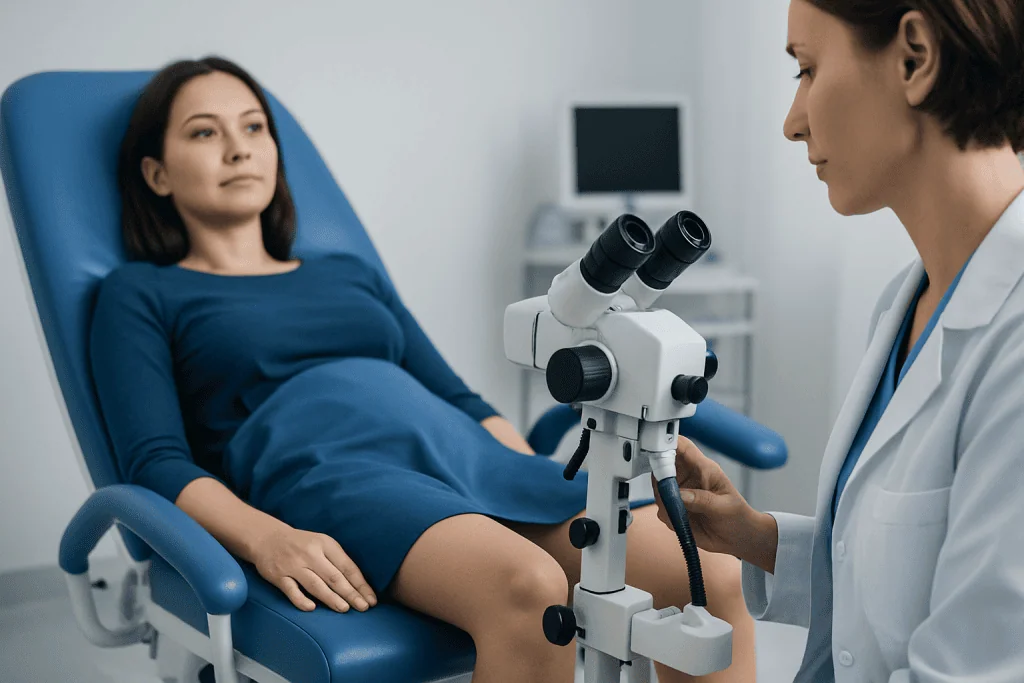
Cervicitis may cause noticeable symptoms, but it can also be found during a routine gynecologic exam when there are no clear warning signs. When symptoms are present, they often overlap with those of vaginitis, sexually transmitted infections, or other gynecologic conditions, so testing is often needed to confirm the cause.
Possible symptoms include:
- Unusual vaginal discharge, which may be yellow, gray, or pus-like
- Bleeding after sexual intercourse
- Spotting between periods
- Pain during sex
- Pelvic pressure or lower abdominal discomfort
- Burning or irritation with urination in some cases
Not every symptom means cervicitis, and the amount of discharge or bleeding does not always reflect how severe the inflammation is. In some people, the main clue is recurrent irritation that does not improve, while in others the condition is discovered only after screening for a sexually transmitted infection.
If cervicitis occurs together with a vaginal infection, symptoms such as odor, itching, or external irritation may be more noticeable. A doctor may also consider related conditions such as vaginitis if the symptom pattern suggests the vaginal tissues are inflamed as well as the cervix.
Causes and risk factors

There are two broad groups of causes: infectious and noninfectious. Infectious cervicitis is commonly associated with sexually transmitted organisms such as chlamydia and gonorrhea. It may also be linked to genital herpes or trichomoniasis. In some cases, bacteria that are normally present in the vaginal area may contribute when the natural balance is disrupted.
Noninfectious cervicitis can develop from chemical or physical irritation. Possible triggers include spermicides, douches, fragranced products, latex sensitivity, diaphragms, cervical caps, or irritation related to tampons or other inserted products. Trauma after childbirth, gynecologic procedures, or repeated friction may also irritate the cervix.
Risk factors vary depending on the cause but may include having a new sexual partner, having more than one sexual partner, not using barrier protection, a prior sexually transmitted infection, or a partner with an untreated infection. Younger age at the start of sexual activity can also increase exposure risk over time.
Sometimes no single cause is identified. Even when tests for common infections are negative, the cervix may still appear inflamed. In these situations, a doctor may look for less common infections, review possible irritants, and consider nearby conditions such as endometriosis or hormonal changes if symptoms do not fit a typical pattern.
How cervicitis is diagnosed
Diagnosis begins with a medical history and a pelvic examination. A clinician will ask about symptoms, menstrual patterns, sexual history, previous infections, contraceptive use, and exposure to products that may cause irritation. During the exam, the cervix may appear red, tender, or more likely to bleed when touched.
Testing is often the most important step because cervicitis can look similar regardless of its cause. Swabs from the cervix or vagina may be used to test for chlamydia, gonorrhea, trichomoniasis, and other infections. A urine sample may also be used in some settings. If discharge is present, it may be examined to help identify whether the problem is coming mainly from the cervix or the vagina.
Depending on the situation, the doctor may recommend cervical cancer screening if it is due, a pregnancy test, or further evaluation if symptoms persist. If there is concern about structural problems, unexplained bleeding, or ongoing pain, imaging or a more detailed gynecologic assessment may be advised. In selected cases, a specialist may recommend colposcopy to closely examine the cervix.
Treatment options
Cervicitis treatment is based on the underlying cause. If testing shows a bacterial sexually transmitted infection such as chlamydia or gonorrhea, antibiotics are usually prescribed. It is important to complete the full course and follow the doctor’s advice about sexual activity during treatment. Sexual partners may also need testing and treatment to reduce the risk of reinfection.
If a viral infection such as genital herpes is involved, antiviral medicines may be recommended to help manage symptoms and reduce outbreaks. When cervicitis is related to irritation rather than infection, treatment usually focuses on removing the trigger. This may mean stopping the use of fragranced washes, spermicides, douches, or any product the doctor suspects is aggravating the cervix.
Some people need further evaluation if symptoms continue after initial treatment. Persistent inflammation may lead the clinician to reassess the diagnosis, repeat infection testing, or look for other gynecologic conditions. If there are concerns about abnormalities of the cervix rather than simple inflammation, doctors may discuss procedures such as LEEP only when clearly indicated for separate cervical changes, not as routine treatment for uncomplicated cervicitis.
Supportive care can also help while healing takes place. Avoiding irritants, using condoms if advised, and temporarily pausing intercourse may reduce discomfort. For international patients who need coordinated evaluation, Acibadem International’s multidisciplinary specialists in JCI-accredited hospitals diagnose and treat gynecologic conditions, including cases that require advanced testing such as hysteroscopy when another uterine cause of bleeding must be ruled out.
Prevention and self-care
Prevention focuses on lowering the chance of infection and reducing exposure to irritants. Safer sex practices, including condom use and routine screening when recommended, can help reduce the risk of sexually transmitted infections that may lead to cervicitis. Regular gynecologic care is also useful because some infections and cervical inflammation cause few or no symptoms.
Self-care is not a substitute for diagnosis, but a few simple measures can support recovery. Avoid douching, avoid fragranced intimate products, and use menstrual or hygiene products as directed. If a clinician suspects a product sensitivity, changing to unscented alternatives may help.
People who are being treated for infectious cervicitis should follow the treatment plan closely and return for follow-up if symptoms do not improve. It is also wise to tell sexual partners when advised by a doctor so they can be evaluated. This helps prevent recurrence and protects long-term reproductive health.
When to seek medical care
Medical care is recommended for unusual vaginal discharge, bleeding after sex, spotting between periods, persistent pelvic discomfort, or pain during intercourse. These symptoms are not specific to cervicitis, but they do deserve evaluation because they can also be caused by other infections or cervical conditions.
Urgent medical attention is especially important if symptoms are severe or occur with fever, significant lower abdominal pain, vomiting, heavy bleeding, or pregnancy. These features may suggest a more serious infection or another condition that needs prompt treatment. Anyone who thinks they may have been exposed to a sexually transmitted infection should arrange testing even if symptoms are mild or absent.
Follow-up also matters. If symptoms return after treatment, if a partner has not been treated, or if there is ongoing bleeding or pain, a doctor should reassess the situation rather than relying on home care alone.
Frequently asked questions
Can cervicitis go away on its own?
Sometimes mild cervicitis caused by temporary irritation may improve when the trigger is removed. However, cervicitis caused by infection usually needs medical treatment. Because symptoms alone cannot show the cause, medical evaluation is recommended.
Is cervicitis always caused by a sexually transmitted infection?
No. Sexually transmitted infections are a common cause, but cervicitis can also result from chemical irritation, device-related irritation, allergies, or physical trauma. That is why testing and a pelvic exam are important.
What does cervicitis discharge look like?
Discharge from cervicitis may be thicker than usual and can appear yellow, gray, or mucus-like. The appearance varies and is not enough to diagnose the cause. A clinician may need swab tests to tell whether the discharge is related to the cervix, the vagina, or another issue.
Can cervicitis affect fertility?
Cervicitis itself does not always affect fertility, especially when treated promptly. The main concern is when an untreated infection spreads upward and causes pelvic inflammatory disease, which can harm the reproductive organs. Early diagnosis and treatment help reduce this risk.
Is sex safe if someone has cervicitis?
It is best to follow a doctor’s advice. If cervicitis is caused by an infection, avoiding sexual activity until treatment is completed can help prevent transmission and reinfection. Even when infection is not confirmed, intercourse may worsen irritation or discomfort while the cervix is healing.
Can cervicitis happen during pregnancy?
Yes, cervicitis can occur during pregnancy and should be assessed by a doctor. Infections during pregnancy may need prompt treatment to protect both the pregnant person and the baby. Vaginal bleeding, unusual discharge, or pain in pregnancy should not be ignored.
References
- Centers for Disease Control and Prevention
- American College of Obstetricians and Gynecologists
- World Health Organization
- MedlinePlus
- Mayo Clinic
This article is for general information only and is not a substitute for professional medical advice. Please consult a qualified doctor about your individual situation.
Explore treatments in Turkey — costs, top hospitals & a free quote
JCI-accredited · board-certified surgeons · reply within 24h
Add us as a Preferred Source to see more of our trusted health content across Google Search, AI Overviews and Discover.