Chemo Side Effects Lung Cancer: What to Expect and How to Manage

Chemotherapy affects fast-growing cancer cells but can also temporarily affect healthy cells in the blood, digestive tract, hair follicles and nerves. Fatigue, nausea, appetite changes, low blood counts, hair loss and numbness or tingling are possible, but not everyone develops every side effect.
Key Takeaways
- Chemotherapy affects fast-growing cancer cells but can also temporarily affect healthy cells in the blood, digestive tract, hair follicles and nerves.
- Fatigue, nausea, appetite changes, low blood counts, hair loss and numbness or tingling are possible, but not everyone develops every side effect.
- A fever during chemotherapy can signal a serious infection and needs urgent medical advice, particularly when white blood cell counts are low.
- The oncology team can adjust supportive care, and sometimes the treatment plan, to help protect quality of life while maintaining effective cancer treatment.
- Side effects often improve after treatment ends, although some, such as nerve symptoms or hearing changes, may take longer or occasionally persist.
Chemo side effects in lung cancer vary by the medicines used, dose, treatment schedule and a person’s general health. Many effects are temporary and can be reduced with early reporting, supportive medicines, nutrition support and close follow-up with the oncology team.
Overview: What to Expect From Chemotherapy
Chemo side effects lung cancer patients experience depend on the specific medicines used and how their body responds. Chemotherapy circulates through the bloodstream to destroy or slow the growth of cancer cells. Because some healthy cells also divide quickly, treatment may temporarily affect the bone marrow, digestive system, skin, hair follicles and nerves.
For lung cancer, chemotherapy may be used on its own, before or after surgery, with radiation therapy, or alongside immunotherapy or targeted treatment. It can help shrink a tumor, lower the chance of cancer returning after surgery, control cancer that has spread, and ease cancer-related symptoms. The expected benefits and possible side effects should be discussed individually before treatment begins.
Not every person has the same experience. Some have only mild symptoms, while others need additional medication, a treatment delay or a change in their care plan. Promptly sharing new symptoms allows the care team to offer support early and to check for complications that need treatment.
How Chemotherapy Works and Who May Receive It
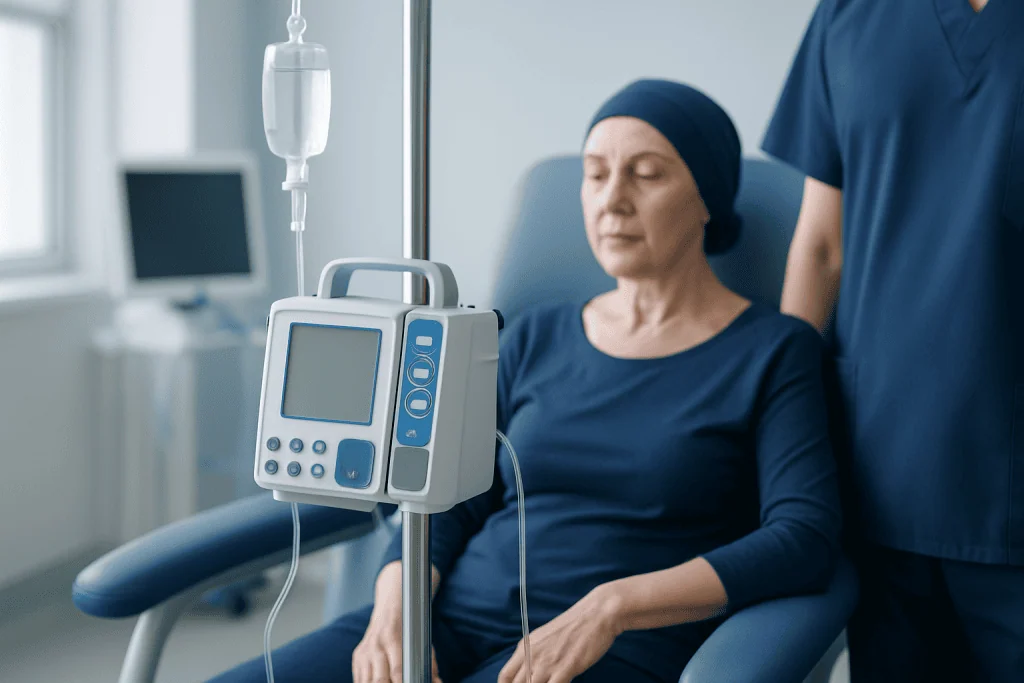
Chemotherapy medicines work in different ways, but many interfere with cell division or damage cancer-cell DNA. Lung cancer regimens often combine two or more medicines because combinations can attack cancer through different mechanisms. Treatment may be given into a vein at an infusion center, through a port placed under the skin, by injection, or occasionally as tablets taken at home.
Whether chemotherapy is suitable depends on the type of lung cancer, its stage, tumor test results, previous treatment, organ function and overall fitness. Small cell lung cancer is commonly treated with chemotherapy, often combined with immunotherapy or radiation depending on stage. In non-small cell lung cancer, chemotherapy may be used before or after surgery, with radiation for some locally advanced cancers, or for advanced disease.
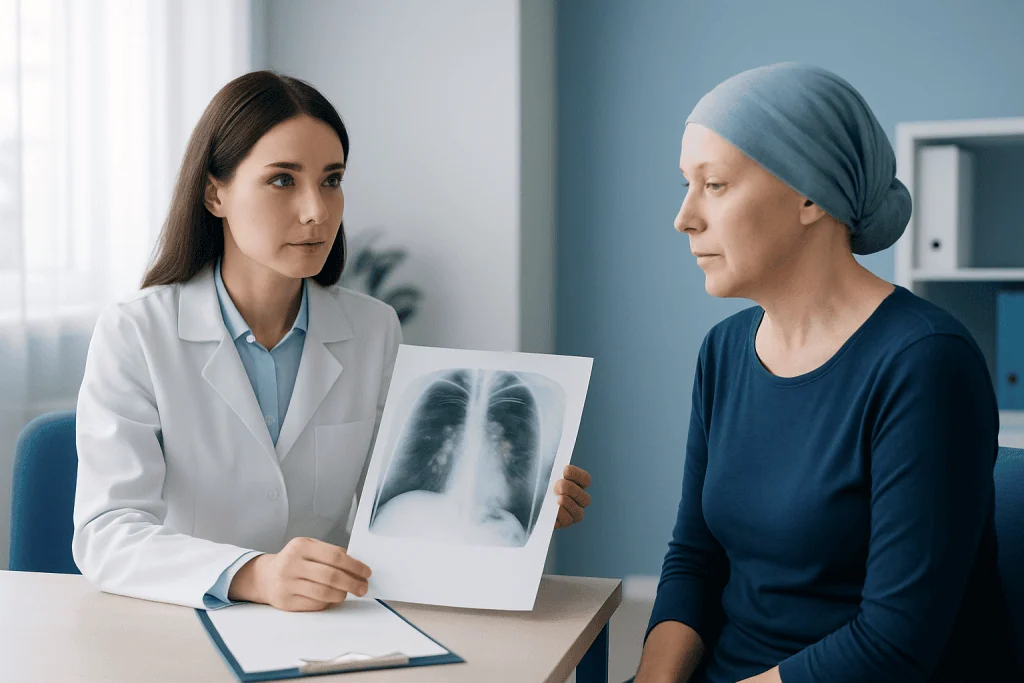
Before recommending treatment, clinicians review blood tests, kidney and liver function, heart and lung health, existing numbness or hearing concerns, current medicines and personal treatment goals. Tumor biomarker testing is also important in many non-small cell lung cancers because some people may benefit from targeted medicines or immunotherapy instead of, or in addition to, chemotherapy. Learn more about lung cancer and how treatment choices are individualized.
What Happens During a Chemotherapy Cycle
A chemotherapy cycle is a planned period of treatment followed by time for the body to recover. Depending on the regimen, infusions may be given weekly, every two or three weeks, or on several days within a cycle. The number of cycles varies with the treatment purpose, cancer type, response and side effects.
Before each treatment, the team commonly checks symptoms, weight, blood pressure and blood test results. Treatment may be postponed or adjusted if blood counts are too low or if an important side effect has developed. Anti-nausea medicines, fluids, steroids or other supportive treatments may be given before chemotherapy to reduce predictable reactions.
During an infusion, a nurse monitors for discomfort, rash, breathing changes or other signs of an infusion reaction. Patients should report pain, burning, swelling or leakage near the intravenous line immediately. After treatment, the team provides contact details and instructions about medicines, hydration, infection precautions and symptoms that require urgent assessment.
Chemotherapy is one part of comprehensive lung cancer treatment. A multidisciplinary team may include medical oncologists, thoracic surgeons, radiation oncologists, pulmonologists, pathologists, specialist nurses, dietitians and supportive-care professionals.
Common Side Effects and Practical Management
Fatigue is one of the most common effects. It can be caused by treatment, anemia, sleep disruption, poor appetite, emotional strain or the cancer itself. Prioritizing essential activities, accepting help, taking short rest periods and doing gentle activity such as walking when able can be useful. Persistent or suddenly worsening fatigue should be reported because it may have a treatable cause.
Nausea, vomiting, taste changes, mouth soreness, constipation or diarrhea can affect eating and drinking. Preventive anti-nausea medication is often very effective when taken exactly as prescribed. Small frequent meals, bland foods when nausea is present, regular sips of fluid and good mouth care may help. A clinician should be contacted if vomiting prevents fluid intake, diarrhea is severe, or mouth sores make eating difficult.
Hair thinning or loss can occur with some regimens, usually beginning a few weeks after treatment starts. It is not dangerous, and hair often regrows after chemotherapy, though texture or color may initially differ. Not all chemotherapy medicines cause hair loss, so the team can explain what is likely with the planned regimen.
Some medicines may cause peripheral neuropathy, described as tingling, numbness, burning pain or sensitivity to cold in the hands and feet. Others may affect hearing, kidney function or skin and nails. New nerve symptoms, problems with balance, ringing in the ears or reduced hearing should be reported promptly, as early adjustments may reduce the risk of lasting effects.
- Keep a simple symptom diary, including when symptoms start and what improves or worsens them.
- Take prescribed supportive medicines as directed rather than waiting for symptoms to become severe.
- Ask the oncology team before using supplements, herbal products or over-the-counter medicines.
- Protect numb feet and hands from injury; use well-fitting shoes and take extra care with hot water and sharp objects.
Low Blood Counts, Infection Risk and Other Important Risks
Chemotherapy can temporarily lower blood cell production in the bone marrow. Low white blood cells, particularly neutrophils, can increase infection risk. Low red blood cells may cause anemia, leading to fatigue, shortness of breath, dizziness or paleness. Low platelets can make bruising or bleeding more likely. Blood tests before treatment help the team identify these changes.
Infection can become serious quickly when white blood cell counts are low, even if symptoms initially seem mild. Patients should follow their oncology team’s instructions on taking their temperature and avoiding close contact with people who are unwell. Regular handwashing, food safety and careful dental hygiene are sensible precautions, but extreme isolation is not usually necessary unless the care team advises it.
Some chemotherapy medicines can cause allergic or infusion reactions. Symptoms may include flushing, itching, rash, chest tightness, dizziness or breathing difficulty, usually during or shortly after infusion. Infusion staff are trained to recognize and manage these reactions. Rarely, chemotherapy may contribute to blood clots, lung inflammation, heart effects or organ problems; clinicians consider these risks when selecting and monitoring treatment.
The benefits of chemotherapy must be balanced against these risks for each person. Dose reductions, schedule changes, growth-factor support, transfusions or referrals to symptom-management specialists may be considered when clinically appropriate. Treatment decisions should never be changed independently without speaking to the oncology team.
Recovery Timeline and Supporting Day-to-Day Well-Being
Side effects often follow a pattern within each cycle. Some people feel tired or nauseated for a few days after treatment and gradually recover before the next cycle, while blood counts may reach their lowest point one to two weeks later depending on the medicines. The exact timing differs between regimens, so patients should use the schedule provided by their own team.
After the final cycle, many short-term effects begin to improve over several weeks. Energy, appetite and blood counts may recover gradually rather than immediately. Hair commonly starts growing back in the months after treatment. Neuropathy, hearing changes, fertility effects or cognitive concerns sometimes take longer to improve and should remain part of follow-up discussions.
Eating enough protein and calories, staying hydrated, maintaining gentle movement and protecting sleep can support recovery. A dietitian can help when appetite is low, weight is changing or swallowing is difficult. Emotional support is equally important: counseling, peer support, rehabilitation and palliative-care services can help manage symptoms and maintain quality of life at any stage of cancer care.
At Acibadem International, multidisciplinary specialists in JCI-accredited hospitals support international patients through diagnosis, treatment planning and symptom management for lung cancer.
When to Seek Medical Care
Patients should contact their oncology team promptly about new or worsening symptoms rather than trying to manage them alone. Early advice can prevent dehydration, uncontrolled symptoms and treatment complications. The care team will explain which phone number to use during office hours and outside normal hours.
Urgent medical assessment is needed for a fever of 38°C (100.4°F) or higher, chills or feeling suddenly unwell during chemotherapy, unless the treatment team has provided different instructions. Fever may be the only sign of infection when blood counts are low. Patients should not take fever-reducing medicine first to mask the temperature without contacting their care team.
Emergency care is also appropriate for severe shortness of breath, chest pain, confusion, fainting, uncontrolled bleeding, a severe allergic reaction, persistent vomiting, inability to drink fluids, black or bloody stools, or sudden one-sided leg swelling. These symptoms do not always mean chemotherapy is the cause, but they need timely evaluation.
Routine follow-up remains important even when side effects feel manageable. Clinicians monitor scans, blood results, nutrition, emotional well-being and treatment response, then adjust care according to the individual’s needs and goals.
Frequently asked questions
Do all people with lung cancer chemotherapy have side effects?
No. The type and severity of side effects differ widely according to the medicines used, treatment dose, schedule and individual health factors. The oncology team can explain the effects most associated with a specific regimen and how they are usually prevented or managed.
How long do chemotherapy side effects last for lung cancer?
Some effects, such as nausea or tiredness, may improve between treatment cycles or within weeks after treatment finishes. Blood counts often recover gradually after the final cycle. Nerve symptoms, hearing changes and some other effects can take longer, so they should be discussed at follow-up visits.
Can chemotherapy for lung cancer cause shortness of breath?
Shortness of breath may result from anemia, infection, blood clots, lung inflammation, the cancer itself or other medical conditions. It should not be assumed to be a routine chemotherapy effect. New, sudden or worsening breathlessness needs prompt medical assessment.
What foods are best during chemotherapy?
There is no single chemotherapy diet. The main goals are adequate fluids, protein and calories from foods that are tolerable and safe to eat. A dietitian can provide personalized suggestions for nausea, taste changes, diarrhea, constipation, diabetes or unplanned weight loss.
Can chemotherapy be stopped or changed because of side effects?
Sometimes clinicians delay treatment, reduce a dose, change the schedule or add supportive medicines when side effects are significant. These decisions weigh safety, quality of life and cancer-control goals. Patients should always speak with their oncology team before missing or stopping a treatment.
When is a fever during chemotherapy an emergency?
A temperature of 38°C (100.4°F) or higher during chemotherapy should be reported urgently, especially if there are chills, weakness, cough, pain when urinating or other signs of infection. The oncology team may advise immediate assessment because infection can progress quickly when white blood cell counts are low.
References
- National Cancer Institute
- American Cancer Society
- American Society of Clinical Oncology
- European Society for Medical Oncology
- National Health Service
This article is for general information only and is not a substitute for professional medical advice. Please consult a qualified doctor about your individual situation.
Lung Cancer in Turkey — costs, top hospitals & a free quote
JCI-accredited · board-certified surgeons · reply within 24h
Add us as a Preferred Source to see more of our trusted health content across Google Search, AI Overviews and Discover.
Check your numbers in seconds
BMI, calories, due date, blood pressure and 30+ more clinical calculators — free, instant, doctor-reviewed ranges.

Medical Oncology Department
Medical treatment of cancer with chemotherapy, immunotherapy and targeted therapies under a multidisciplinary tumor board.
60 specialists in this unit