

Chemoprevention for Breast Cancer: How It Works, Results and What to Expect

Chemoprevention is not the same as chemotherapy and is generally used before breast cancer develops. Tamoxifen, raloxifene, anastrozole, and exemestane may be considered for selected people at increased risk.
Key Takeaways
- Chemoprevention is not the same as chemotherapy and is generally used before breast cancer develops.
- Tamoxifen, raloxifene, anastrozole, and exemestane may be considered for selected people at increased risk.
- These medicines mainly reduce the risk of estrogen receptor-positive breast cancers.
- A risk assessment, medical history, menopause status, and discussion of side effects guide the decision.
- Regular breast screening remains important whether or not someone chooses preventive medicine.
Chemoprevention for breast cancer is the use of certain medicines, usually hormone-blocking medicines, to reduce the chance of developing hormone receptor-positive breast cancer in people at increased risk. It is a preventive option rather than cancer treatment, and the decision depends on a careful balance between expected benefit, personal risk factors, and possible side effects.
Overview: What Is Chemoprevention for Breast Cancer?
Chemoprevention for breast cancer means using medication to lower the likelihood of developing breast cancer before cancer is diagnosed. Despite its name, it does not usually involve standard chemotherapy drugs. Instead, it commonly uses medicines that block estrogen activity or reduce estrogen production, because many breast cancers are fueled by estrogen.
This approach is most relevant for people whose estimated breast cancer risk is higher than average. It can reduce the future risk of estrogen receptor-positive breast cancer, but it does not eliminate risk and does not replace screening. Mammograms, breast awareness, healthy lifestyle measures, and individualized follow-up remain important.
Preventive medication is one part of a broader risk-reduction plan. Depending on a person’s family history, genetic test results, breast biopsy findings, and personal preferences, that plan may also include enhanced imaging, genetic counseling, or discussion of other preventive options.
How Does Chemoprevention Work?
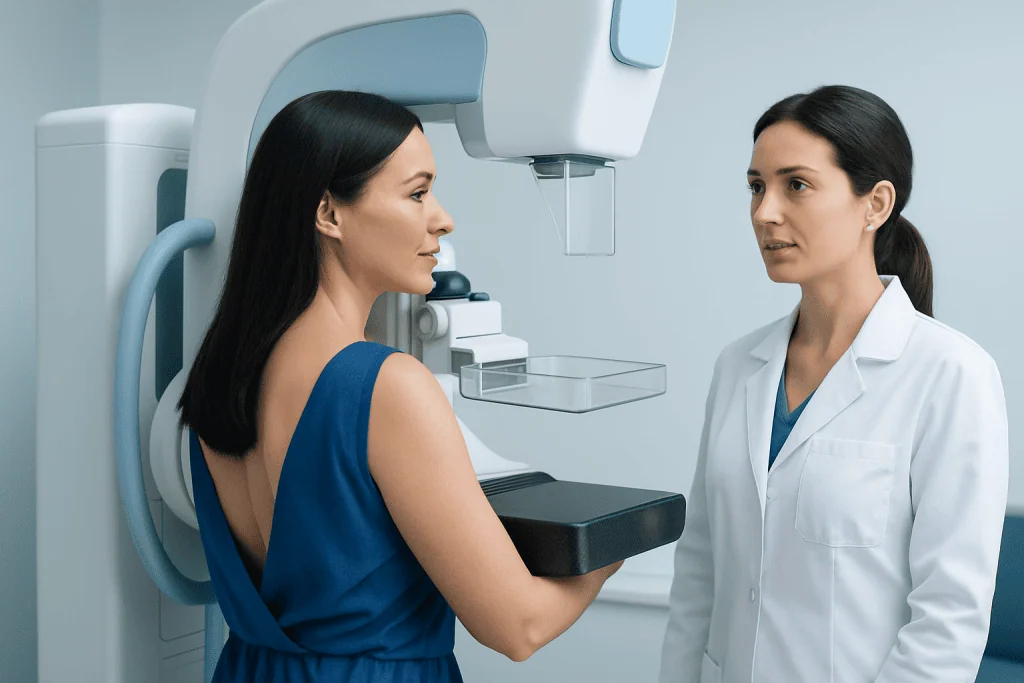
Estrogen can encourage the growth of some breast cells, including cells that may eventually become cancerous. Risk-reducing medicines work by changing how estrogen affects breast tissue or by lowering the amount of estrogen available in the body. Their preventive effect is strongest for cancers that have estrogen receptors.
Tamoxifen is a selective estrogen receptor modulator, often called a SERM. It blocks estrogen’s effects in breast tissue and may be an option for premenopausal or postmenopausal women at increased risk. Raloxifene is another SERM used only after menopause and can also support bone health in appropriate patients.
For postmenopausal women, aromatase inhibitors such as anastrozole or exemestane may be considered. These medicines lower estrogen production in the body. The most appropriate medicine depends on menopause status, clotting history, uterine health, bone density, other medical conditions, and the individual’s priorities.
Who May Be a Candidate?

A clinician may discuss chemoprevention with someone who has a sufficiently increased risk of breast cancer and a low likelihood of serious medication-related harm. Risk may be estimated using validated assessment tools, but the clinical conversation also considers factors that a calculator may not fully capture.
Possible reasons for referral include a strong family history of breast or ovarian cancer, a known inherited cancer-risk gene variant, prior chest radiation at a young age, or certain high-risk findings on a breast biopsy. These findings can include atypical ductal hyperplasia, atypical lobular hyperplasia, and lobular carcinoma in situ. These conditions are not invasive breast cancer, but they can be linked with a higher future risk; further information may be found in breast cancer information.
Not every person at increased risk should take preventive medicine. For example, a history of blood clots, stroke, some uterine conditions, significant osteoporosis, or plans for pregnancy can affect the choice. A breast specialist, medical oncologist, gynecologist, primary care clinician, and genetic counselor may all contribute to individualized advice.
What Happens Before and During Preventive Treatment?
The process usually begins with a detailed review of personal and family history. The clinician reviews prior mammograms, breast biopsies, reproductive history, current medicines, and relevant health conditions. Genetic counseling or testing may be recommended when the family pattern suggests a hereditary cancer syndrome.
Before starting medicine, patients generally have age- and risk-appropriate breast screening. Baseline assessment may also include discussion of menstrual status, pregnancy prevention where relevant, uterine symptoms, clotting risk, and bone health. Postmenopausal patients considering an aromatase inhibitor may need bone-density evaluation.
If preventive medicine is chosen, it is usually taken as an oral tablet for several years, commonly five years, although the exact plan varies. Follow-up appointments help assess side effects, adherence, breast screening needs, and whether the medicine remains appropriate. This is not an infusion procedure and there is typically no hospital recovery period.
People considering a structured prevention plan can discuss breast cancer treatment and risk-reduction care with an oncology team, including how prevention, screening, and genetic information fit together.
Benefits, Risks and Recovery Timeline
The main potential benefit is a meaningful reduction in the chance of developing estrogen receptor-positive breast cancer in appropriately selected high-risk people. The size of personal benefit varies because it depends on the person’s starting risk. A clinician can help translate a risk estimate into an understandable discussion of likely benefit over time.
There is no physical recovery timeline as there would be after surgery. Some side effects, such as hot flashes, night sweats, vaginal dryness, fatigue, joint aches, or changes in mood, may appear early and may improve, persist, or require a change in management. Maintaining regular activity, discussing sleep concerns, and reporting symptoms promptly can help patients manage treatment comfortably.
SERMs can rarely increase the risk of blood clots. Tamoxifen may also increase the risk of endometrial cancer after menopause, so unexpected vaginal bleeding should always be assessed. Aromatase inhibitors may contribute to joint symptoms and bone loss. These risks are important but must be viewed alongside the person’s baseline breast cancer risk and possible benefit.
Patients should not stop a prescribed preventive medicine without speaking with their clinician. Adjusting supportive care, changing to another suitable medicine, or deciding that ongoing medication is no longer the right choice may be possible after a shared discussion.
Questions Often Confused With Chemoprevention
What are the signs that chemotherapy is effective for breast cancer? Chemoprevention is different from chemotherapy used to treat an existing breast cancer, so there are no day-to-day signs showing that prevention medicine is “working.” Its benefit is measured over years by reducing the probability of a future hormone receptor-positive breast cancer. For treatment chemotherapy, clinicians assess response using physical examinations, imaging when appropriate, pathology results after surgery, and the overall treatment plan rather than symptoms alone.
How many rounds of chemo is normal for breast cancer? Preventive medicines are not given in chemotherapy rounds. When chemotherapy is used for diagnosed breast cancer, the number of cycles varies according to cancer stage, tumor biology, whether treatment is before or after surgery, and the medicines selected. A medical oncologist provides an individualized schedule; many regimens are delivered over several months.
How sick does chemo for breast cancer make you? Chemoprevention medicines can cause side effects, but they generally do not cause the same pattern of nausea, severe immune suppression, or hair loss associated with many chemotherapy regimens. Treatment chemotherapy affects people differently and may cause fatigue, nausea, infection risk, hair loss, mouth sores, or nerve symptoms, depending on the drugs used. Oncology teams can offer supportive care and monitor symptoms throughout treatment.
How much time does breast cancer take from stage 1 to 4? There is no predictable timeline from stage 1 to stage 4. Some breast cancers grow slowly, while others behave more aggressively, and staging depends on tumor size, lymph nodes, and whether cancer has spread rather than simply how long it has been present. Screening and timely assessment of new breast changes help identify cancer earlier, when treatment options are often broader.
Prevention, Screening and When to Seek Medical Care
Medicine is only one possible risk-reduction strategy. Regular physical activity, limiting alcohol, maintaining a weight that supports overall health after menopause, not smoking, and following recommended screening can all support breast health. These steps cannot guarantee prevention, but they can contribute to lower risk and better general wellbeing.
People should seek medical care promptly for a new breast or underarm lump, persistent focal breast pain, skin dimpling, nipple inversion that is new, nipple discharge that is bloody or spontaneous, breast swelling, or a persistent change in breast shape. Most changes are not cancer, but clinical assessment is the safest way to understand them.
Those with a close relative diagnosed with breast, ovarian, pancreatic, or prostate cancer, especially at a young age, may benefit from discussing family history and genetic counseling with a clinician. Acibadem International’s multidisciplinary specialists at JCI-accredited hospitals can support international patients with breast-risk assessment, diagnosis, and individualized treatment planning.
Frequently asked questions
Is chemoprevention for breast cancer the same as chemotherapy?
No. Chemoprevention uses medicines to reduce the chance of developing certain types of breast cancer in people at increased risk. Chemotherapy is a cancer treatment that uses medicines to destroy or control cancer cells after cancer has been diagnosed.
Who can take tamoxifen to prevent breast cancer?
Tamoxifen may be considered for some premenopausal and postmenopausal women with increased breast cancer risk. It is not suitable for everyone, particularly people with certain histories of blood clots or those who are pregnant or trying to become pregnant.
Does chemoprevention prevent all breast cancers?
No. These medicines mainly reduce the risk of estrogen receptor-positive breast cancers. They do not prevent every breast cancer type, so regular screening and follow-up remain necessary.
How long are breast cancer prevention medicines taken?
A preventive medicine is often prescribed for several years, commonly five years, but the duration depends on the specific medicine and the individual’s health circumstances. The prescribing clinician reviews benefits, side effects, and ongoing suitability during follow-up visits.
Can chemoprevention be used after a breast biopsy with atypia?
It may be discussed after atypical ductal hyperplasia, atypical lobular hyperplasia, or lobular carcinoma in situ is found on biopsy. These findings can raise future breast cancer risk, and a specialist can explain whether preventive medication, enhanced screening, or other approaches are appropriate.
Should someone continue mammograms while taking chemoprevention?
Yes. Chemoprevention lowers risk but does not remove it, and it cannot replace screening. The appropriate mammogram schedule, and whether additional imaging is needed, should be based on age, breast density, personal risk, and clinician recommendations.
References
- National Cancer Institute
- American Cancer Society
- U.S. Preventive Services Task Force
- National Comprehensive Cancer Network
- World Health Organization
This article is for general information only and is not a substitute for professional medical advice. Please consult a qualified doctor about your individual situation.
Breast Cancer in Turkey — costs, top hospitals & a free quote
JCI-accredited · board-certified surgeons · reply within 24h
Add us as a Preferred Source to see more of our trusted health content across Google Search, AI Overviews and Discover.

Medical Oncology Department
Medical treatment of cancer with chemotherapy, immunotherapy and targeted therapies under a multidisciplinary tumor board.
60 specialists in this unitMore from the Health Library



Related Specialists

Prof. Dr. Şafak Kıziltaş
Gastroenterology
Dr. Nurettin Ümit Özak
Orthopedic Surgery & Traumatology
Dt. Ece Yetiş Eroğlu
Oral & Dental Health
Canberk Altan
Physical Medicine & Rehabilitation