Chest Pain Left Side Explained: Common Triggers and Red Flags
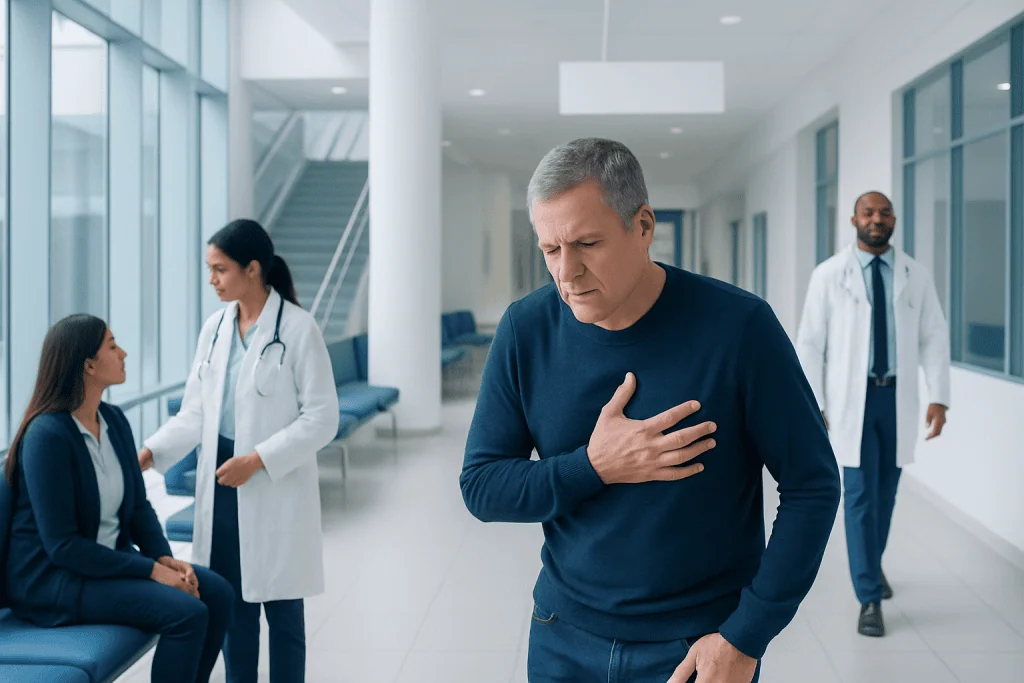
Chest pain on the left side may come from the heart, lungs, muscles, ribs, nerves, or digestive tract. Pressure, tightness, or pain that spreads to the arm, jaw, shoulder, or back needs urgent medical assessment.
Key Takeaways
- Chest pain on the left side may come from the heart, lungs, muscles, ribs, nerves, or digestive tract.
- Pressure, tightness, or pain that spreads to the arm, jaw, shoulder, or back needs urgent medical assessment.
- Sharp pain that worsens with movement or pressing on the chest is more often related to muscles or the chest wall, but evaluation may still be needed.
- Doctors use the history, physical examination, ECG, blood tests, and imaging to find the cause.
- Self-care may help mild musculoskeletal or reflux-related discomfort, but new, persistent, or unexplained pain should be checked by a clinician.
Chest pain left side is not always a heart problem, but it should never be ignored if it is sudden, severe, or accompanied by shortness of breath, sweating, fainting, or pain spreading to the arm, jaw, or back. Common causes range from strained chest muscles and acid reflux to lung conditions and heart disease, so the pattern of symptoms matters.
What chest pain on the left side can mean
Chest pain left side can have many causes. In some people it is linked to the muscles, ribs, or digestive system, while in others it may signal a problem involving the heart or lungs. Because several organs and structures lie close together in the chest, the exact location of pain does not always reveal the cause on its own.
The most important first step is to judge whether the pain could be an emergency. Pain that feels like pressure, squeezing, heaviness, or tightness, especially if it comes with shortness of breath, nausea, sweating, dizziness, or pain moving into the arm or jaw, should be treated as urgent. These features can occur with a heart attack, but they may also be seen with other serious conditions such as a blood clot in the lung or inflammation around the heart.
At the same time, many episodes of left-sided chest discomfort are not life-threatening. A pulled chest muscle after exercise, inflammation in the rib joints, heartburn, anxiety, or coughing-related strain can all cause similar symptoms. The safest approach is to look at the full picture: what the pain feels like, what triggers it, how long it lasts, and what other symptoms appear with it.
How the symptoms may feel
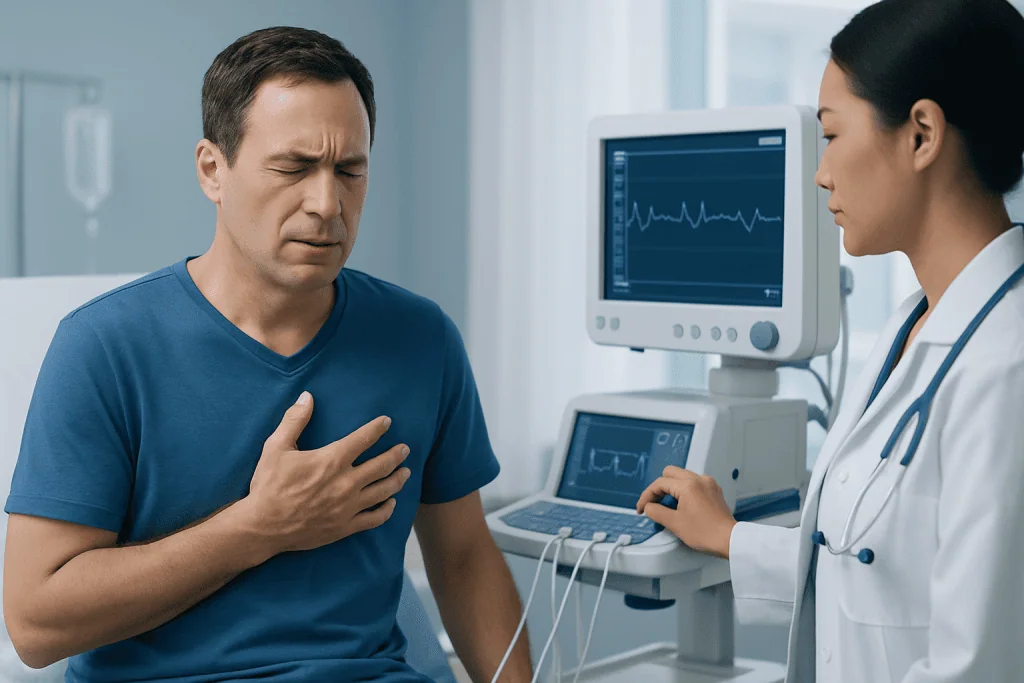
People describe chest pain in different ways. It may feel sharp, stabbing, burning, aching, sore, tight, crushing, or like pressure. Some discomfort stays in one spot, while other pain spreads to the left arm, shoulder, neck, jaw, upper abdomen, or back. The sensation may last seconds, minutes, or longer, and it can appear at rest or during activity.
Certain patterns can offer clues, although they do not confirm a diagnosis by themselves. Pain that worsens when a person twists, takes a deep breath, coughs, or presses on the chest wall is more often related to muscles, ribs, or the lining of the lungs. Burning discomfort after meals or when lying down may suggest acid reflux. Tightness brought on by exertion and eased by rest may point toward reduced blood flow to the heart, sometimes called coronary artery disease.
Symptoms that deserve special attention include breathlessness, cold sweat, unexplained fatigue, palpitations, fainting, fever, coughing up blood, or new swelling in the legs. In women, older adults, and people with diabetes, heart-related symptoms can be less typical and may feel more like indigestion, unusual tiredness, or shortness of breath than classic crushing pain.
Common triggers and possible causes

One of the most common non-cardiac causes of chest pain left side is musculoskeletal strain. This may happen after lifting, exercise, intense coughing, awkward movement, or minor injury. Costochondritis, an inflammation where the ribs join the breastbone, can also cause tenderness and a sharp or aching pain that becomes more noticeable with movement or pressure.
Digestive causes are also common. Acid reflux and esophageal spasm may cause burning, pressure, or pain behind the breastbone or on the left side of the chest. Some people notice a sour taste in the mouth, belching, or worsening symptoms after large meals, spicy foods, alcohol, or lying flat. Gallbladder or upper abdominal conditions can occasionally send pain upward and be mistaken for chest pain.
Lung-related causes include pneumonia, pleurisy, a collapsed lung, or a clot in the lung. These may cause chest pain that worsens with breathing, along with cough, fever, or shortness of breath. Heart-related causes include angina, heart attack, inflammation of the heart lining, and rhythm problems. A less common but serious cause is a tear in the aorta, which can cause sudden severe pain radiating to the back.
Stress and panic attacks may also trigger chest discomfort, often together with a racing heart, trembling, shortness of breath, and a sense of impending danger. Even when anxiety seems likely, a new episode of significant chest pain should not be assumed to be panic until a clinician has considered other causes.
Red flags that need urgent attention
Emergency care is needed if chest pain is sudden, severe, crushing, or feels like pressure or tightness in the center or left side of the chest. It is especially urgent if it lasts more than a few minutes, comes back repeatedly, or starts during physical activity and does not improve quickly with rest.
Other warning signs include pain spreading to the arm, shoulder, jaw, neck, or back; shortness of breath; fainting; marked weakness; nausea or vomiting; cold sweat; blue lips; confusion; or a very fast or irregular heartbeat. These symptoms raise concern for a heart attack, serious rhythm disturbance, lung clot, or another emergency requiring immediate evaluation.
Urgent assessment is also important for chest pain with fever and cough, sudden one-sided breathlessness, recent surgery or long travel, known heart disease, pregnancy, or a history of blood clots. People who are older or who have risk factors such as smoking, high blood pressure, diabetes, high cholesterol, obesity, or a strong family history of early heart disease should be particularly cautious.
How doctors find the cause
Evaluation begins with a careful history. A doctor will ask when the pain started, how it feels, how long it lasts, what makes it better or worse, and whether it is related to meals, movement, breathing, stress, or exercise. Associated symptoms and medical history help narrow the possibilities.
The physical examination may include checking blood pressure, heart rate, oxygen level, temperature, heart and lung sounds, and tenderness over the chest wall. Doctors often use an electrocardiogram to look for signs of reduced blood flow to the heart or a rhythm problem. Blood tests may check for heart muscle injury, infection, anemia, or clotting concerns.
Depending on the situation, imaging may be recommended. A chest X-ray can help assess the lungs and ribs, while echocardiography looks at heart function and the surrounding sac. Some people may need a stress test, coronary CT, or coronary angiography if reduced blood flow to the heart is suspected. In certain cases, a CT pulmonary angiogram is used to look for a lung clot.
The aim of testing is not simply to find a single label for pain, but to rule out dangerous causes first and then identify the most likely explanation. That stepwise approach helps guide safe treatment and avoid unnecessary worry.
Treatment options and symptom relief
Treatment depends entirely on the cause. Musculoskeletal pain may improve with rest, avoiding heavy lifting for a short time, posture changes, gentle stretching, and clinician-approved pain relief. Reflux-related discomfort may improve with smaller meals, avoiding trigger foods, not lying down soon after eating, and medicines recommended by a doctor.
Heart-related chest pain requires prompt medical treatment. This may include medicines to improve blood flow, control blood pressure, reduce clotting, or manage abnormal rhythms. If a blocked artery is found, procedures such as angioplasty and stent placement may be used. Some patients with advanced artery disease may be evaluated for coronary bypass surgery.
Lung infections may need antibiotics when appropriate, while pleurisy, asthma, or other respiratory causes are treated according to the diagnosis. If panic or anxiety contributes to recurrent chest discomfort, management may include breathing strategies, counseling, stress reduction, and treatment for anxiety when needed.
For international patients, Acibadem International’s multidisciplinary specialists and JCI-accredited hospitals evaluate chest pain using coordinated cardiology, emergency, imaging, and internal medicine services. When symptoms are persistent or unclear, specialist assessment can help confirm whether the source is cardiac, respiratory, digestive, or musculoskeletal.
Prevention, self-care, and when to seek medical care
Self-care is appropriate only when a serious cause has already been ruled out or when symptoms are clearly mild and related to a known trigger such as overuse or reflux. Helpful steps may include resting after strain, using good posture, warming up before exercise, eating smaller meals, limiting alcohol, stopping smoking, and maintaining a healthy weight. Managing blood pressure, cholesterol, and diabetes also reduces the risk of heart-related chest pain.
People with recurring symptoms should keep track of what the pain feels like and what triggers it. A pattern linked to exercise, stress, meals, coughing, or body movement can help the doctor identify the cause more quickly. Regular follow-up is important for anyone with known heart disease, lung disease, or reflux.
Medical care should be sought right away for new or unexplained chest pain that is severe, lasts more than a few minutes, keeps returning, or comes with shortness of breath, sweating, fainting, or pain spreading to the arm, jaw, or back. Even if symptoms later improve, urgent evaluation is still wise when red flags are present. If the discomfort is mild but persistent, arranging a prompt clinic visit is the safest next step.
Frequently asked questions
Is chest pain on the left side always a heart problem?
No. Left-sided chest pain can come from the muscles, ribs, stomach, esophagus, lungs, nerves, or the heart. However, because heart-related causes can be serious, new or unexplained chest pain should be assessed carefully.
How can a person tell whether chest pain is muscular or heart-related?
Muscle or chest wall pain is often more noticeable with movement, deep breathing, coughing, or pressing on the sore area. Heart-related pain is more likely to feel like pressure, heaviness, or tightness and may spread to the arm, jaw, or back, especially during exertion. Still, symptoms can overlap, so a doctor may be needed to tell the difference safely.
Can acid reflux cause chest pain on the left side?
Yes. Acid reflux can cause burning or pressure-like chest discomfort, sometimes after meals or when lying down. Because reflux pain can feel similar to heart pain, persistent or first-time symptoms should not be self-diagnosed without medical advice.
When should someone go to the emergency department for chest pain?
Emergency care is needed for sudden, severe, or persistent chest pain, especially if it is accompanied by shortness of breath, sweating, nausea, fainting, or pain spreading to the arm, jaw, shoulder, or back. It is also important to seek urgent help if the person has known heart disease or major cardiovascular risk factors.
Can stress or anxiety cause pain on the left side of the chest?
Yes. Stress and panic attacks can cause chest tightness, rapid heartbeat, dizziness, and shortness of breath. Even so, anxiety should only be considered the cause after more serious medical conditions have been considered, particularly if the pain is new.
What tests are commonly used to evaluate chest pain left side?
Doctors often begin with a physical examination, an ECG, and blood tests. Depending on the symptoms and risk factors, they may also request a chest X-ray, echocardiogram, stress test, or CT scan to check the heart, lungs, and surrounding structures.
References
- American Heart Association
- National Heart, Lung, and Blood Institute
- Centers for Disease Control and Prevention
- National Institute for Health and Care Excellence
- Mayo Clinic
This article is for general information only and is not a substitute for professional medical advice. Please consult a qualified doctor about your individual situation.
Persistent digestive symptoms? Get evaluated in Turkey
JCI-accredited · board-certified surgeons · reply within 24h
Add us as a Preferred Source to see more of our trusted health content across Google Search, AI Overviews and Discover.