Chest Seal — Explained by Medical Evidence, Not Myths

A chest seal is used for open chest injuries, especially when air may be moving through the wound. It is designed to support emergency care until the person reaches a hospital.
Key Takeaways
- A chest seal is used for open chest injuries, especially when air may be moving through the wound.
- It is designed to support emergency care until the person reaches a hospital.
- A chest seal does not treat the underlying injury, bleeding, or lung damage on its own.
- Chest wounds can lead to serious complications such as pneumothorax and need urgent medical evaluation.
- Proper placement, close observation, and calling emergency services are essential.
A chest seal is a specialized occlusive dressing placed over an open wound in the chest to help reduce air entering the chest cavity during breathing. It is a first-aid tool, not a definitive treatment, and anyone with a chest wound still needs urgent medical assessment.
What a Chest Seal Is and What It Does
A chest seal is an emergency dressing used on an open wound of the chest wall. Its purpose is to cover the wound and reduce the amount of outside air drawn into the chest during breathing. This can help limit worsening of an “open” or “sucking” chest wound while the injured person is being transported for urgent care.
The chest normally works as a closed system. When the chest wall is penetrated, air may enter the space around the lung and interfere with normal expansion. A chest seal acts as a temporary barrier over the wound. Some products are vented, meaning they are designed to allow trapped air or fluid to move outward while limiting air from being pulled inward.
It is important to separate the idea of a chest seal from myths seen online. A chest seal is not a cure, does not replace hospital treatment, and should not create a false sense of safety. The person may still have internal bleeding, lung injury, rib fractures, or a pneumothorax that needs imaging and medical management.
In simple terms, a chest seal is a bridge to professional care. It can be useful in first aid for specific penetrating chest injuries, but it is only one step in a broader emergency response that also includes calling emergency services, monitoring breathing, and rapid transport.
When a Chest Seal May Be Used
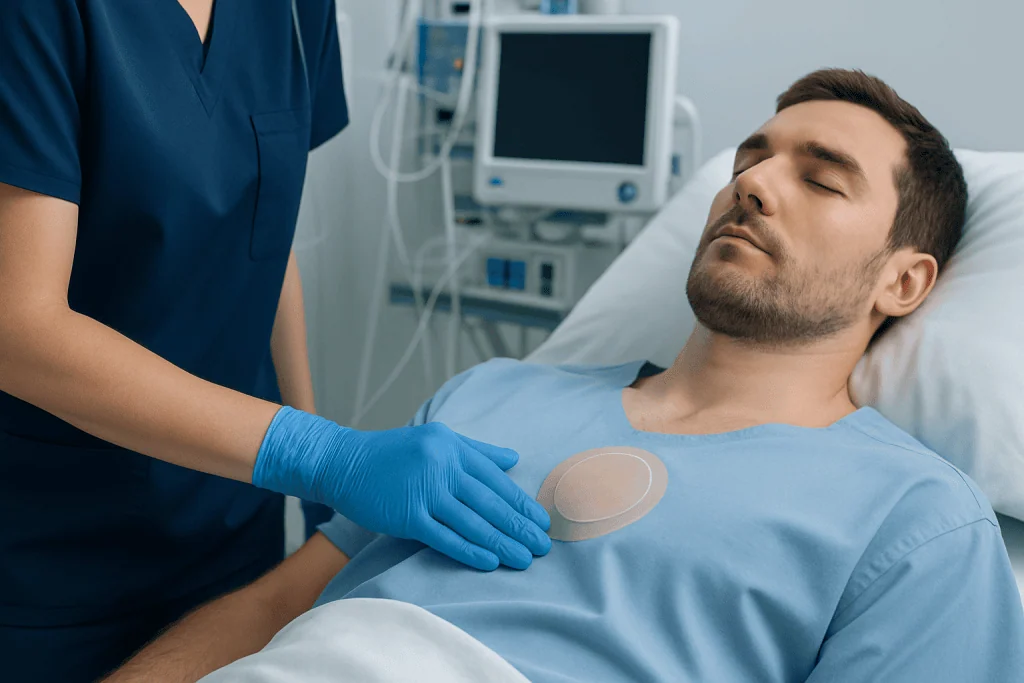
A chest seal may be used when there is an open wound to the chest from trauma, such as a stab wound, gunshot wound, or severe penetrating injury. It is most relevant when the wound appears to communicate with the chest cavity, especially if there is a sucking sound, bubbling blood, or visible air movement at the wound during breathing.
These dressings are generally used in emergency and pre-hospital settings by trained first responders, emergency personnel, military medics, or people with first-aid training. In some communities, chest seals are included in advanced first-aid or trauma kits because they are compact and made for rapid use.
A chest seal is not meant for every chest problem. It is not used for routine chest pain, asthma, bronchitis, or most blunt chest injuries without an open wound. It is also not a home remedy for shortness of breath. If breathing symptoms occur without a visible chest wound, the cause may be very different and needs medical assessment.
When there is uncertainty about the injury, the safest general step is to seek urgent medical help. First aid should support breathing and bleeding control, but diagnosis and treatment depend on what has happened inside the chest as well as on the skin surface.
How a Chest Seal Fits Into Emergency First Aid
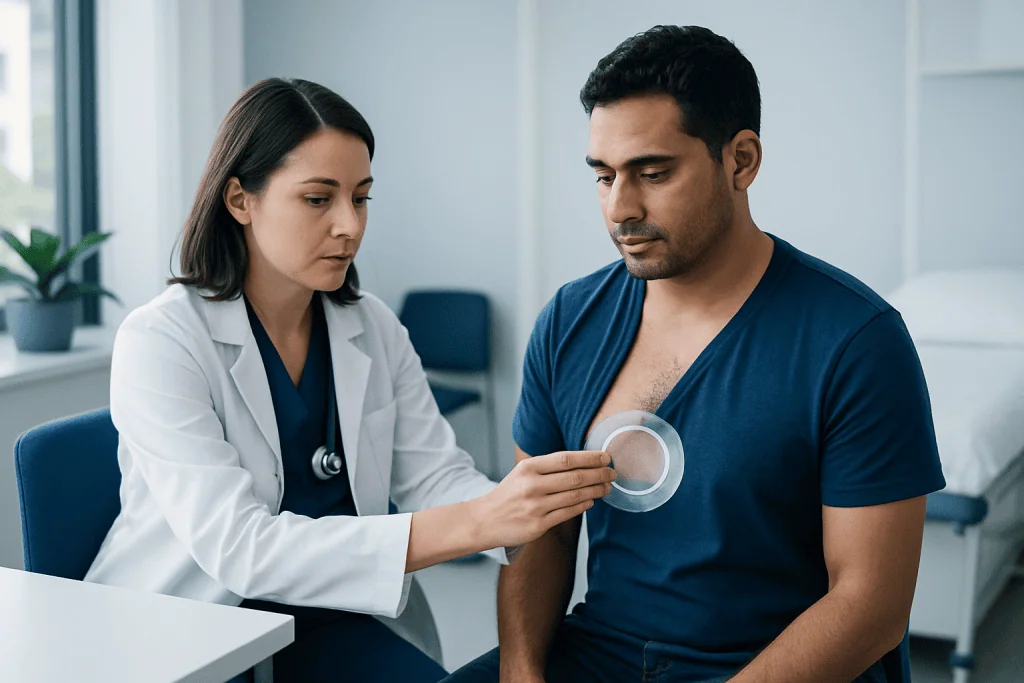
In emergency care, the first priorities are scene safety, calling for help, and checking breathing and responsiveness. If a person has a penetrating chest wound and a chest seal is available, it may be applied over the wound according to product instructions while emergency services are on the way. If there are both entry and exit wounds, each wound may need to be assessed and covered.
The skin around the wound is usually wiped as dry as possible so the dressing can adhere. The seal is placed directly over the wound to create a close barrier. After placement, the injured person should be observed carefully for breathing difficulty, level of alertness, and continued bleeding.
Monitoring matters because chest injuries can change quickly. If breathing worsens, the chest wall looks increasingly distressed, or the person becomes pale, confused, or very drowsy, this may signal a developing emergency inside the chest. A seal can help with wound management, but it cannot tell responders what is happening in the lung, pleural space, or blood vessels.
Because these situations are high risk, chest trauma is often evaluated in hospital with urgent examination and imaging. Depending on the findings, treatment may range from observation to oxygen support, fluid resuscitation, wound care, or procedures such as chest tube insertion to remove air or blood from around the lung.
What a Chest Seal Cannot Do
One of the most common misconceptions is that putting on a chest seal fixes the problem. It does not. A chest seal cannot repair a torn lung, stop internal bleeding, treat shock, or fully prevent all complications. It is a temporary external measure used before and during transport to definitive care.
Another myth is that any airtight material works just as well. In emergencies, improvised occlusive dressings may sometimes be used if a purpose-made chest seal is unavailable, but medical chest seals are designed specifically for trauma use and may adhere better and perform more predictably. Even then, they still require close observation and hospital follow-up.
A chest seal also does not replace a diagnosis. The same wound that needs a seal may also be associated with rib fractures, pulmonary contusion, hemothorax, or damage to the heart or major vessels. Severe trauma may call for coordinated assessment by emergency medicine, radiology, thoracic surgery, and intensive care teams.
For this reason, the most evidence-based view is practical rather than dramatic: a chest seal may be helpful in selected penetrating chest injuries, but outcomes depend on rapid emergency response and treatment of the underlying trauma.
Possible Complications and Hospital Evaluation
An open chest wound can lead to several serious complications. Air may collect around the lung and cause collapse, a problem known as pneumothorax. Blood may also collect in the chest, called hemothorax. In some cases, pressure can build and affect breathing and circulation, which is why worsening symptoms require urgent reassessment.
At the hospital, doctors usually begin with a focused physical examination, oxygen assessment, and monitoring of heart rate and blood pressure. Imaging may include chest X-ray, ultrasound, or thoracic CT scan when appropriate. These tests help identify air leaks, bleeding, fractured ribs, bruised lung tissue, or injury to nearby organs.
Treatment depends on the findings. Some patients need oxygen, pain control, wound cleaning, stitches, antibiotics when indicated, or a chest tube. Others may need surgery if there is major bleeding or significant damage to the lung or chest wall. Related injuries elsewhere in the body are also assessed, especially after high-energy trauma.
When respiratory symptoms remain unclear or serious injury is suspected, doctors may also evaluate for conditions such as lung collapse (pneumothorax). In more complex cases, consultation with a thoracic surgery team may be part of safe, definitive management.
When to Seek Medical Care
Any open or penetrating chest wound should be treated as a medical emergency. Emergency services should be called immediately, even if the person seems stable at first. Breathing problems and internal chest complications can develop or worsen over minutes to hours.
Urgent medical care is also needed if there is chest pain after trauma, coughing up blood, bluish lips, severe shortness of breath, fast breathing, dizziness, fainting, confusion, or heavy bleeding. A chest seal, if available and appropriate, is only a temporary aid while waiting for professional help.
People should not drive themselves if they are seriously injured or having breathing difficulty. Keeping the person as calm and still as possible while awaiting emergency care is often safest. If trained help is available, responders may continue monitoring, oxygen support, and trauma care during transport.
Near the end of hospital evaluation, some patients may benefit from specialist care such as thoracic surgery for complex chest injuries. Acibadem International’s multidisciplinary specialists and JCI-accredited hospitals diagnose and treat chest trauma for international patients when advanced evaluation or treatment is needed.
Prevention, Preparedness, and Safe Self-Care
The best way to reduce the need for a chest seal is prevention of injury. Workplace safety measures, protective equipment, violence prevention, safe handling of tools, and road safety all play an important role in lowering the risk of chest trauma. For outdoor, tactical, or remote settings, structured first-aid training can improve readiness.
Preparedness is different from self-treatment. Having a trauma kit may be reasonable in some settings, but it should go together with training on when and how to use its contents. People should understand that chest seals are for specific traumatic wounds and are not substitutes for emergency assessment.
After a chest injury, self-care at home should not replace professional medical advice. Even if a wound appears small, hidden internal injury is possible. Follow-up may be needed to monitor wound healing, lung function, pain, or delayed complications.
For recovery, clinicians may advise wound care, pain management, breathing exercises, and activity limits depending on the injury. Patients should follow personalized instructions closely and return promptly if breathing worsens, fever develops, pain increases sharply, or the wound shows signs of infection.
Frequently asked questions
What is a chest seal used for?
A chest seal is used to cover an open chest wound, especially after penetrating trauma. Its main role is to help limit air entering through the wound until the person can receive urgent medical care.
Is a chest seal the same as treatment for a collapsed lung?
No. A chest seal is a temporary first-aid measure for an open chest wound, while a collapsed lung is a medical condition that needs diagnosis and sometimes hospital procedures. A person may still need imaging, oxygen, or a chest tube after a seal is placed.
Can a chest seal be used for any chest pain or shortness of breath?
No. A chest seal is not a general treatment for chest symptoms. It is intended for specific traumatic open chest injuries, not for asthma, heart-related chest pain, pneumonia, or unexplained breathing difficulty.
Do all chest wounds need emergency evaluation?
Yes, penetrating or open chest wounds should be assessed urgently. Even a small wound can be associated with internal bleeding, lung injury, or delayed breathing complications.
Are vented chest seals better than non-vented ones?
Vented chest seals are designed to allow air or fluid to move outward while limiting inward airflow, which may be helpful in some injuries. However, the right choice depends on the situation, available equipment, and responder training. In all cases, the person still needs urgent medical care and monitoring.
Can someone recover fully after a chest wound treated with a chest seal?
Recovery depends on the depth of the injury, whether the lung or blood vessels were damaged, and how quickly definitive treatment was received. Many people do well with prompt emergency and hospital care, but follow-up is important because complications can occur.
References
- World Health Organization
- American College of Surgeons
- Centers for Disease Control and Prevention
- National Institutes of Health
- Advanced Trauma Life Support
This article is for general information only and is not a substitute for professional medical advice. Please consult a qualified doctor about your individual situation.
Explore treatments in Turkey — costs, top hospitals & a free quote
JCI-accredited · board-certified surgeons · reply within 24h
Add us as a Preferred Source to see more of our trusted health content across Google Search, AI Overviews and Discover.

More from the Health Library



Related Specialists

Dr. Lala Aslanova
Gynecology & Obstetrics
Assoc. Prof. Dr. Ahmet Küçükçelebi
Aesthetic Plastic & Reconstructive Surgery
Nursev Hazar
Treatment of Respiratory
Dr. Ahmad Nejat Ghaffarı
Infectious Diseases & Clinical Microbiology