Chickenpox in Children: Symptoms, Stages, and When to See a Doctor
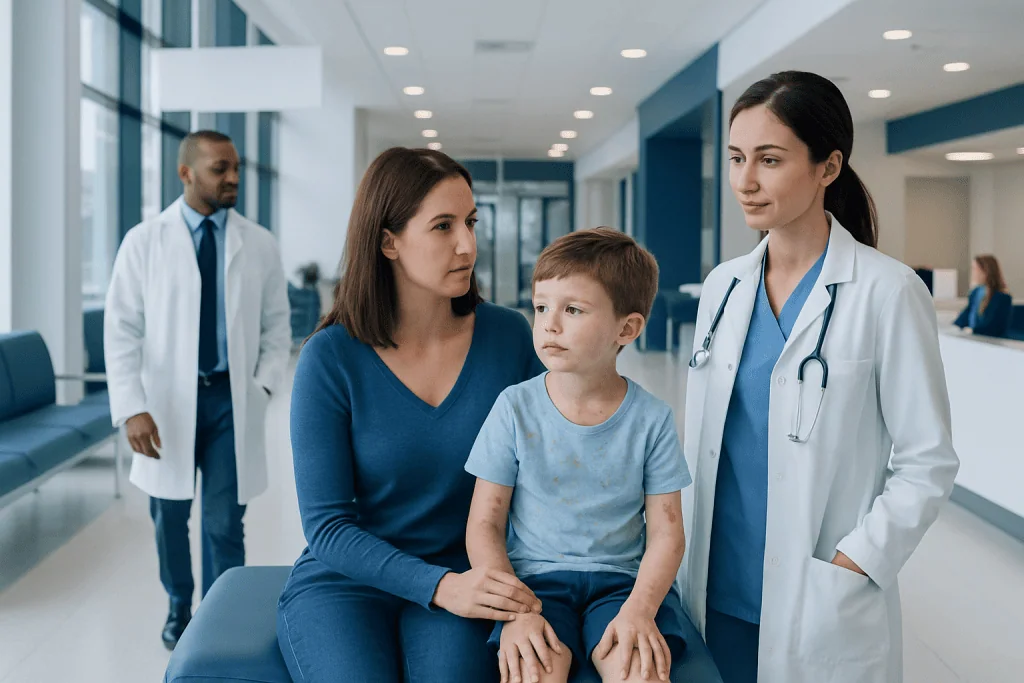
Chickenpox is caused by the varicella-zoster virus and spreads easily from person to person. The rash often appears in stages, starting as red spots and developing into fluid-filled blisters that crust over.
Key Takeaways
- Chickenpox is caused by the varicella-zoster virus and spreads easily from person to person.
- The rash often appears in stages, starting as red spots and developing into fluid-filled blisters that crust over.
- Most children improve with rest, fluids, skin care, and fever management, but aspirin should be avoided.
- A doctor should be contacted if a child has breathing trouble, dehydration, severe skin infection signs, or is very young or immunocompromised.
- Vaccination is the best way to prevent chickenpox and reduce the risk of complications.
Chickenpox in children is a common viral infection that usually causes an itchy rash, fever, and tiredness. Most children recover well with supportive care, but parents should know the typical stages and the warning signs that need medical attention.
Overview of chickenpox in children
Chickenpox in children is a contagious infection caused by the varicella-zoster virus. It is best known for causing an itchy rash with small blisters, along with fever, tiredness, and reduced appetite. In many healthy children, the illness is mild and gets better on its own over about one to two weeks.
Before vaccination became routine in many countries, chickenpox was a very common childhood infection. It still occurs, especially in children who have not been vaccinated or who have had close contact with someone carrying the virus. A child can spread chickenpox even before the full rash appears, which is one reason it can move quickly through homes, schools, and daycare settings.
Although most cases are uncomplicated, chickenpox is not always harmless. Some children can develop skin infections, dehydration, pneumonia, or complications affecting the brain or nervous system. Babies, pregnant people, teenagers, adults, and children with weakened immune systems are more likely to become seriously unwell.
Understanding how chickenpox starts, what the rash looks like, and when to seek medical help can make the illness easier to manage. If symptoms seem unusual or severe, a pediatrician may also consider other rash illnesses, including measles, which can sometimes look similar in the early stages.
Symptoms and stages of the rash
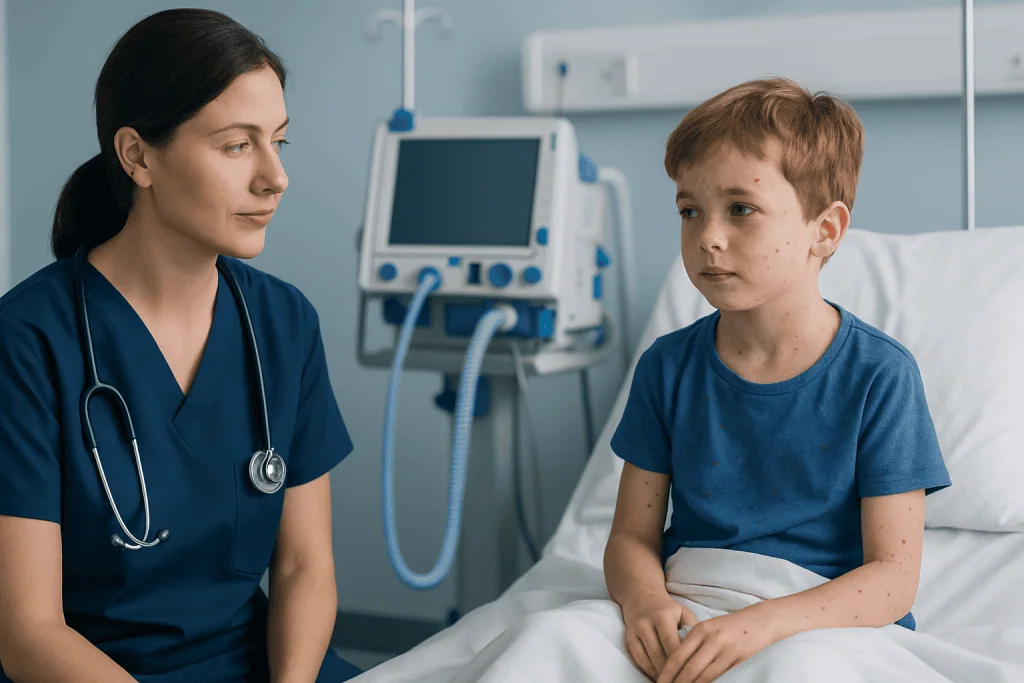
The first symptoms of chickenpox are often general and mild. A child may develop a low-grade fever, feel tired, become irritable, complain of a headache, or eat less than usual. In some children, especially younger ones, the rash may be the first obvious sign.
The chickenpox rash usually develops in recognizable stages. It often begins as small red spots on the chest, back, face, or scalp. These spots turn into raised bumps and then into tiny fluid-filled blisters. The blisters are usually very itchy. After a day or two, they start to dry out and form crusts or scabs. New spots can continue to appear for several days, so a child may have red spots, blisters, and crusted lesions all at the same time.
The rash can spread over much of the body, including the arms, legs, inside the mouth, around the eyes, and in the genital area. Mouth lesions can make drinking uncomfortable, and scratching can break the skin and increase the risk of bacterial infection. Some children have only a small number of spots, while others develop many lesions.
- Early stage: tiredness, fever, headache, reduced appetite
- Rash stage 1: flat red spots
- Rash stage 2: raised bumps
- Rash stage 3: fluid-filled itchy blisters
- Rash stage 4: crusting and scabbing
Causes, spread, and risk factors
Chickenpox is caused by the varicella-zoster virus, which spreads very easily. The virus is transmitted through respiratory droplets when an infected person coughs or sneezes, and through direct contact with fluid from the blisters. A child can be contagious from about one to two days before the rash appears until all the lesions have crusted over.
Because it spreads so efficiently, chickenpox often affects several members of a household if they are not immune. Schools and daycare centers can also be settings for transmission. A child who has never had chickenpox and has not been vaccinated is more likely to become infected after close exposure.
Certain children are at higher risk of complications. These include newborns, infants, adolescents, children with skin conditions such as eczema, and children with weakened immune systems due to illness or medication. Poor fluid intake, frequent scratching, and secondary bacterial infection can also make recovery more difficult.
Once a child recovers, the virus remains inactive in the body and can reactivate later in life as shingles. This is a different condition from chickenpox itself, but it is caused by the same virus. Parents who are unsure whether a rash is chickenpox or another illness should contact a healthcare professional for guidance.
How chickenpox is diagnosed
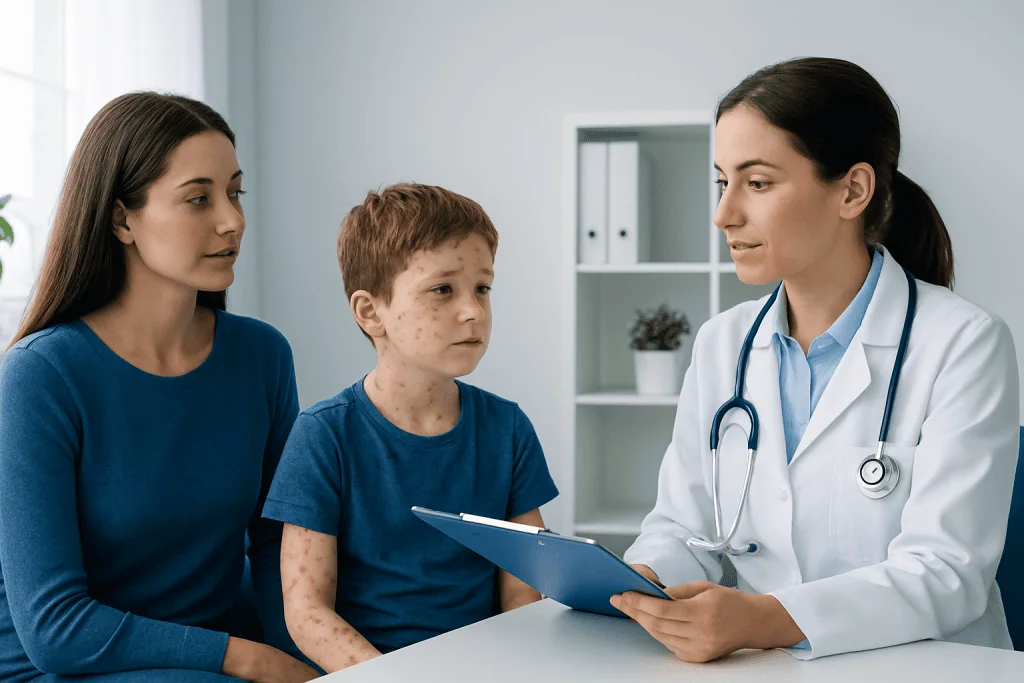
Doctors usually diagnose chickenpox by asking about symptoms and examining the rash. The combination of fever, itching, and lesions in different stages of development is often enough to make the diagnosis. In many straightforward cases, no special tests are needed.
Testing may be considered when the rash is unusual, the child has been vaccinated and has a milder form of illness, or the child is at high risk for complications. A clinician may take a sample from a skin lesion for laboratory testing. This can help confirm whether the infection is truly chickenpox or another viral rash.
It is important to tell the doctor if the child has a weakened immune system, is taking medicines that affect immunity, or has had recent contact with a pregnant person, newborn, or someone with serious medical conditions. These details can influence management and infection-control advice.
If symptoms suggest a complication, additional evaluation may be needed. For example, breathing symptoms may lead to a chest assessment, and concerning neurological symptoms may require urgent specialist review. In selected cases, doctors may use tests supported by diagnostic imaging to investigate complications rather than the chickenpox rash itself.
Treatment options and home care
Most healthy children with chickenpox need supportive care rather than specific antiviral treatment. The main goals are to keep the child comfortable, reduce itching, prevent dehydration, and lower the risk of skin infection. Rest, plenty of fluids, lightweight clothing, and short fingernails can all help.
For fever or discomfort, parents should use medicines only as advised by a doctor or pharmacist. Aspirin should not be given to children with chickenpox because of the risk of a rare but serious condition called Reye syndrome. Some anti-inflammatory medicines may also be avoided unless a doctor specifically recommends them. Cool baths, gentle skin care, and age-appropriate anti-itch measures may provide relief.
Doctors may prescribe antiviral medicine for some children, especially if they are at higher risk of complications or are seen very early in the course of illness. If scratching leads to a bacterial skin infection, antibiotic treatment may be needed. Children with severe disease, dehydration, or complications sometimes require hospital care, including pediatric care and closer monitoring.
If the rash affects the eyes, the child has severe breathing symptoms, or there are signs of complications involving the nervous system, specialist assessment is important. Depending on the problem, care may involve infectious diseases specialists or other teams. Near the end of the care pathway, families seeking international evaluation may wish to know that Acibadem International’s multidisciplinary specialists and JCI-accredited hospitals diagnose and treat conditions such as chickenpox and its complications for international patients.
Prevention and self-care at home
Vaccination is the most effective way to prevent chickenpox and reduce the chance of severe illness. Children should receive varicella vaccination according to their national immunization schedule and the advice of their pediatrician. Vaccinated children can still occasionally develop chickenpox, but it is often milder, with fewer spots and less fever.
When a child has chickenpox, keeping them home from school or daycare helps reduce spread to others. In general, children should avoid close contact with people who are at higher risk, including newborns, pregnant people who are not immune, and anyone with a weakened immune system. Good hand hygiene and avoiding scratching or sharing contaminated items may also help limit transmission.
At home, parents can focus on comfort and skin protection. Offering frequent sips of water, soups, or other suitable fluids can help prevent dehydration. Soft foods may be easier if mouth sores are present. Keeping the child cool, dressing them in loose clothing, and trimming nails can reduce scratching and skin damage.
Parents should watch the rash and overall behavior each day. Improvement is usually gradual, with fever settling and blisters crusting over. If new concerning symptoms appear, or if the child seems to be getting worse instead of better, a doctor should be contacted.
When to see a doctor
Parents should seek medical advice if they think their child has chickenpox and the diagnosis is uncertain, especially in very young babies or children with chronic medical conditions. A doctor should also be contacted if the child has a weakened immune system, is taking steroid or immunosuppressive medicine, or has been exposed to someone at high risk of severe infection.
Urgent medical attention is needed if the child has trouble breathing, chest pain, severe drowsiness, confusion, seizures, difficulty walking, repeated vomiting, or signs of dehydration such as very little urine, dry mouth, or inability to drink. These symptoms may suggest a complication and should not be managed at home.
Parents should also arrange medical review if the skin becomes very red, hot, swollen, painful, or starts oozing pus, as this may indicate a secondary bacterial infection. Fever that persists, symptoms that are unusually severe, or a rash involving the eyes also deserve prompt assessment. In some cases, doctors may need to rule out other causes or address a related problem such as pneumonia.
Even when symptoms are mild, families should not hesitate to ask a healthcare professional for advice if they are worried. Reassurance, careful monitoring, and timely treatment when needed help most children recover safely and comfortably.
Frequently asked questions
How long does chickenpox last in children?
In many children, chickenpox lasts about 7 to 10 days from the start of the rash until the lesions crust over. Some children may feel tired or itchy for a little longer. Recovery time can vary depending on age, overall health, and whether complications develop.
When is a child with chickenpox contagious?
A child with chickenpox is usually contagious from about one to two days before the rash appears until all the blisters have crusted over. This means a child can spread the virus before anyone realizes it is chickenpox. Staying home during the contagious period helps protect others.
Can a vaccinated child still get chickenpox?
Yes, a vaccinated child can still get chickenpox, but this is often a milder form called breakthrough varicella. The child may have fewer skin lesions, less fever, and a shorter illness. Vaccination still greatly reduces the risk of severe disease and complications.
What helps relieve itching from chickenpox?
Cool baths, loose clothing, gentle skin care, and keeping fingernails short may help reduce itching. Parents can also ask a doctor or pharmacist about suitable age-appropriate anti-itch products. Scratching should be discouraged because it can lead to skin infection and scarring.
Should children with chickenpox take aspirin?
No, aspirin should not be given to children with chickenpox. It has been linked to Reye syndrome, a rare but serious condition that can affect the liver and brain. Parents should use fever or pain medicines only as advised by a qualified healthcare professional.
Can chickenpox be dangerous for some children?
Yes, although many cases are mild, chickenpox can be more serious in babies, adolescents, children with weakened immune systems, and those with certain chronic conditions. Complications can include skin infection, dehydration, pneumonia, and neurological problems. These children should be assessed promptly by a doctor if chickenpox is suspected.
References
- World Health Organization
- Centers for Disease Control and Prevention
- American Academy of Pediatrics
- National Health Service
- Mayo Clinic
This article is for general information only and is not a substitute for professional medical advice. Please consult a qualified doctor about your individual situation.
Chickenpox in Turkey — costs, top hospitals & a free quote
JCI-accredited · board-certified surgeons · reply within 24h
Add us as a Preferred Source to see more of our trusted health content across Google Search, AI Overviews and Discover.