Chloramine Gas — Explained by Medical Evidence, Not Myths

Chloramine gas can form when bleach is mixed with ammonia, urine, or some cleaning products. It most often irritates the eyes and airways, causing coughing, burning, chest tightness, and shortness of breath.
Key Takeaways
- Chloramine gas can form when bleach is mixed with ammonia, urine, or some cleaning products.
- It most often irritates the eyes and airways, causing coughing, burning, chest tightness, and shortness of breath.
- The first step after exposure is to leave the area and get fresh air immediately.
- People with asthma, COPD, or other lung conditions may have more severe reactions.
- Persistent breathing trouble, chest pain, confusion, or worsening symptoms need urgent medical care.
Chloramine gas is a harmful chemical irritant that can form when bleach is mixed with ammonia or certain household cleaners. Medical evidence shows it mainly affects the eyes, nose, throat, and lungs, and prompt fresh air and medical assessment are important when symptoms are significant.
What chloramine gas is
Chloramine gas is a toxic chemical irritant that can be released when bleach is mixed with ammonia or with products that contain ammonia-like compounds. In everyday life, this often happens by accident during cleaning, such as combining bleach with glass cleaner, toilet cleaner, or other household products. It may also form when bleach comes into contact with urine.
From a medical perspective, chloramine gas is not an infection and it is not the same as the chlorine used to disinfect water safely at controlled levels. It is an inhalation exposure that irritates moist tissues, especially the eyes, nose, throat, and lungs. The severity can range from mild temporary irritation to more serious breathing problems.
A common myth is that a brief exposure is always harmless. In reality, even short exposure can be uncomfortable, and some people develop delayed worsening over several hours, particularly if they already have asthma or another lung condition. The main concern is how strongly the airways react and whether oxygen levels or breathing become affected.
How exposure happens at home, work, or in pools
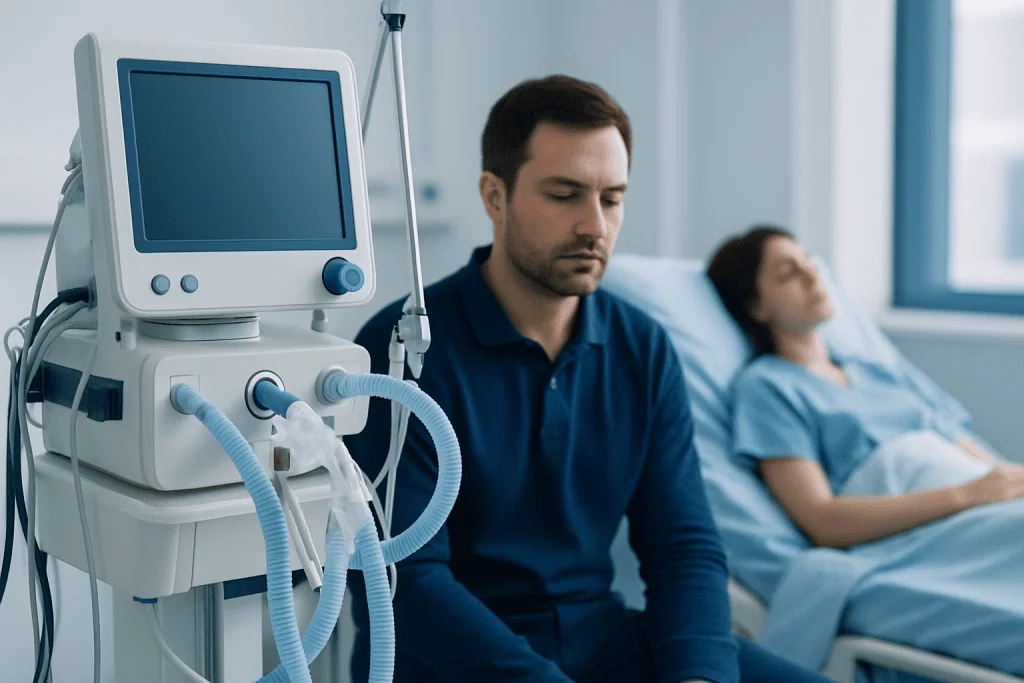
Most chloramine gas exposures happen in enclosed spaces where cleaning products are used without enough ventilation. Bathrooms, kitchens, laundry rooms, and janitorial closets are common locations. Risk increases when people mix products to make them “stronger,” use large amounts in a small space, or do not read product labels carefully.
Typical situations include mixing bleach with ammonia-based cleaners, combining bleach with certain descalers or multi-purpose sprays, or using bleach on surfaces contaminated with urine. Workplace exposures can occur in cleaning, maintenance, hospitality, agriculture, and industrial settings if chemical handling procedures are not followed.
Chloramine-related irritation may also be discussed in connection with indoor swimming pools. In that setting, chloramines can build up in the air above the water when chlorine reacts with sweat, urine, and other nitrogen-containing substances. This usually causes milder eye and airway irritation than a major household mixing accident, but symptoms can still be troublesome, especially for frequent swimmers or pool workers.
Symptoms and what they mean medically

Chloramine gas usually affects the body within minutes of exposure. The most common symptoms are burning or watering eyes, a stinging nose, sore throat, coughing, hoarseness, and a feeling of chest irritation. Some people also develop headache, dizziness, nausea, or a strong unpleasant smell that makes them feel unwell.
If the airways become more irritated, symptoms can progress to wheezing, chest tightness, rapid breathing, and shortness of breath. In more serious cases, a person may struggle to speak full sentences, feel faint, or notice worsening cough after leaving the area. These signs suggest deeper lung irritation and need prompt medical assessment, especially in children, older adults, and people with chronic respiratory disease.
Medical evidence shows that chloramine gas primarily causes chemical irritation rather than an allergic reaction. That means symptoms are related to dose, time of exposure, and individual lung sensitivity. People who already have asthma or chronic airway disease may experience stronger bronchospasm, similar to a flare-up triggered by smoke or fumes.
- Mild symptoms: eye irritation, runny nose, throat burning, mild cough
- Moderate symptoms: persistent cough, hoarseness, chest tightness, wheezing
- Severe symptoms: marked shortness of breath, blue lips, confusion, severe chest pain, collapse
What to do right away after exposure
The first priority is to stop the exposure. Leave the area immediately and move to fresh air. If this happened indoors, others should also leave, and the space should be ventilated only if it can be done safely without re-entering a highly contaminated room. Do not try to neutralize the chemicals by adding another product.
If the gas contacted the eyes, rinse them gently with clean running water. If it contacted the skin, remove contaminated clothing and wash the skin thoroughly with water. Contact lenses should be removed if they come out easily. The person should rest, avoid exertion, and monitor whether breathing, coughing, or chest tightness worsens over the next several hours.
People should not return to the area until it has been fully aired out and the source of the chemical reaction has been dealt with safely. If there is significant coughing, wheezing, or breathlessness, medical professionals may assess oxygen levels and evaluate the lungs. In some cases, evaluation may involve pulmonary function testing after the acute event if symptoms persist.
How doctors diagnose chloramine gas exposure
Diagnosis is usually based on the history of exposure and the pattern of symptoms. A doctor will ask what products were mixed, where the exposure occurred, how long it lasted, and whether symptoms began right away. This history is often more informative than a single test because chloramine gas itself is not usually measured directly in routine care.
The physical examination focuses on breathing, oxygen levels, airway irritation, and whether the lungs sound tight or wheezy. If symptoms are mild and improve quickly, further testing may not be needed. If symptoms are more severe, the clinician may order pulse oximetry, blood tests, or imaging to look for complications such as significant airway inflammation or lung injury.
When a person has persistent chest symptoms, doctors may use a chest X-ray or other assessment to rule out more serious damage and to distinguish chloramine injury from conditions such as pneumonia or a severe asthma attack. Depending on the presentation, some patients may need chest X-ray evaluation or a period of observation to ensure symptoms do not worsen after the initial exposure.
Treatment and recovery
Treatment depends on symptom severity. Mild exposure often improves with fresh air, eye and skin rinsing, rest, and observation. Doctors may recommend supportive care, such as humidified oxygen in a clinical setting, if the person is uncomfortable or breathing is affected. The goal is to relieve irritation while monitoring for delayed complications.
When bronchospasm or wheezing occurs, treatment may be similar to care for an irritated airway or asthma flare. This can include inhaled bronchodilator therapy and, in some cases, other medications chosen by a clinician. People with more serious breathing difficulty may require hospital monitoring, especially if oxygen levels fall or symptoms keep progressing.
Most people recover fully after limited exposure, but recovery time varies. Symptoms may settle within hours, or coughing and airway sensitivity may last for days to weeks. Ongoing breathlessness should not be ignored, because chemical irritation can occasionally trigger a longer-lasting reactive airway problem that may need specialist follow-up in pulmonology care.
Near the end of the care pathway, some patients benefit from a coordinated review of lung symptoms, imaging, and breathing tests. Acibadem International’s multidisciplinary specialists and JCI-accredited hospitals diagnose and treat respiratory and toxic inhalation problems for international patients when further evaluation is needed.
Prevention and safer cleaning habits
The safest approach is simple: never mix bleach with ammonia or with any cleaner unless the label clearly says the combination is safe. Many accidents happen because products are used one after another on the same surface, which can also create harmful fumes. Reading labels, measuring carefully, and using only one product at a time can prevent most exposures.
Good ventilation matters. Windows should be opened when possible, fans may help move air out of the room, and enclosed spaces should be avoided when using strong cleaners. Protective gloves and eye protection can reduce contact exposure, but they do not make it safe to mix chemicals.
- Store cleaning products in their original containers.
- Do not combine bleach with glass cleaners, toilet cleaners, vinegar, acids, or ammonia-containing products.
- Rinse surfaces with water before switching from one product to another.
- Keep products away from children and use them exactly as directed.
- In pool settings, proper hygiene and ventilation help reduce chloramine buildup.
People who have chronic lung disease should be especially cautious with irritant fumes. If strong cleaning triggers recurrent coughing or wheezing, a doctor may assess whether there is an underlying condition such as COPD or airway hyperreactivity.
When to seek medical care
Medical care is important if symptoms are more than mild, do not improve after moving to fresh air, or return after seeming to settle. A person should seek urgent help for trouble breathing, persistent wheezing, severe chest tightness, chest pain, confusion, fainting, blue lips, or severe eye pain. Children, pregnant people, older adults, and anyone with asthma or chronic lung disease should have a lower threshold for evaluation.
It is also sensible to contact a healthcare professional if coughing lasts more than a day or two, if sleep is disrupted by breathing symptoms, or if exercise triggers unusual shortness of breath after the exposure. Delayed effects can occur, and ongoing symptoms deserve a proper assessment rather than self-treatment alone.
If there is uncertainty about what chemicals were mixed or how dangerous the exposure may be, poison control or local emergency medical services can provide guidance. In the emergency setting, doctors focus on breathing, oxygenation, and whether observation or further testing is required.
Frequently asked questions
Is chloramine gas the same as chlorine gas?
No. They are related chemical irritants but not identical substances. Both can harm the eyes and airways, but chloramine gas commonly forms when bleach mixes with ammonia or nitrogen-containing materials.
What does chloramine gas smell like?
People often describe it as a strong, harsh bleach-like or ammonia-like odor that quickly becomes irritating. Smell alone cannot tell how severe an exposure is, so symptoms such as coughing or shortness of breath matter more medically.
Can chloramine gas exposure be fatal?
Severe exposure can be dangerous, especially in enclosed spaces or in people with underlying lung disease. Many household exposures are mild to moderate, but serious breathing problems need urgent medical care.
How long do symptoms last after chloramine gas exposure?
Mild irritation may improve within minutes to hours after fresh air and rinsing. Cough, throat irritation, or airway sensitivity can last longer, sometimes for days or even weeks if the lungs were significantly irritated.
Should someone make themselves vomit or drink something after inhaling chloramine gas?
No. Chloramine gas is mainly an inhalation irritant, so vomiting is not helpful and could make the situation worse. The safest immediate steps are leaving the area, getting fresh air, and rinsing exposed eyes or skin with water.
Can mixing bleach with urine create chloramine gas?
Yes, it can. Urine contains nitrogen compounds that may react with bleach and produce irritating chloramine vapors, especially in poorly ventilated bathrooms.
Do people with asthma need extra caution around chloramine gas?
Yes. Asthma can make the airways more reactive, so the same exposure may cause stronger wheezing or shortness of breath. Anyone with asthma who develops breathing symptoms after exposure should seek medical advice promptly.
References
- Centers for Disease Control and Prevention
- Agency for Toxic Substances and Disease Registry
- American Lung Association
- National Institute for Occupational Safety and Health
- MedlinePlus
This article is for general information only and is not a substitute for professional medical advice. Please consult a qualified doctor about your individual situation.
Persistent digestive symptoms? Get evaluated in Turkey
JCI-accredited · board-certified surgeons · reply within 24h
Add us as a Preferred Source to see more of our trusted health content across Google Search, AI Overviews and Discover.

More from the Health Library

Statins: An Evidence-Based Guide for Patients

Fluoxetine: What Patients Need to Know
Advantages of Elliptical Trainer: A Complete Medical Overview

Teebaum Oil: An Evidence-Based Guide for Patients

Redness Around Eyes: A Complete Medical Overview