Choosing the Best Medicine for COVID by Risk Level

There is no single best medicine for COVID for every person; treatment depends on symptoms, risk factors, and timing. Prescription antivirals may reduce the risk of severe COVID-19 in eligible people when started early.
Key Takeaways
- There is no single best medicine for COVID for every person; treatment depends on symptoms, risk factors, and timing.
- Prescription antivirals may reduce the risk of severe COVID-19 in eligible people when started early.
- Antibiotics do not treat COVID-19 unless a clinician identifies a separate bacterial infection.
- Over-the-counter medicines can ease fever, aches, sore throat, and congestion but do not cure the infection.
- Emergency symptoms such as trouble breathing, persistent chest pain, confusion, or blue-tinged lips require urgent medical care.
The best medicine for COVID is not the same for everyone. For people at higher risk of severe illness, prompt assessment for prescription antiviral treatment can be important; for mild illness, rest, fluids, and symptom relief are often appropriate.
What Is the Best Medicine for COVID?
The best medicine for COVID depends on how ill the person is, when symptoms began, and their chance of becoming seriously unwell. For many otherwise healthy people with mild symptoms, supportive care at home is sufficient. For people at increased risk of severe illness, a clinician may recommend a prescription antiviral medicine as soon as possible after symptoms begin or after a positive test.
Antiviral medicines are designed to limit how the virus multiplies. They work best when started early, so it is sensible for people at higher risk to contact a healthcare professional promptly if they develop COVID-19 symptoms or test positive. A clinician can assess medical history, current medicines, kidney and liver function where relevant, pregnancy status, and possible drug interactions before recommending treatment.
COVID-19 can range from no symptoms to severe lung illness. Current treatment decisions are individualized rather than based on a single medication advertised as a universal cure. Vaccination remains an important way to lower the likelihood of severe disease, hospitalization, and death.
How COVID Treatment Is Matched to Illness Severity
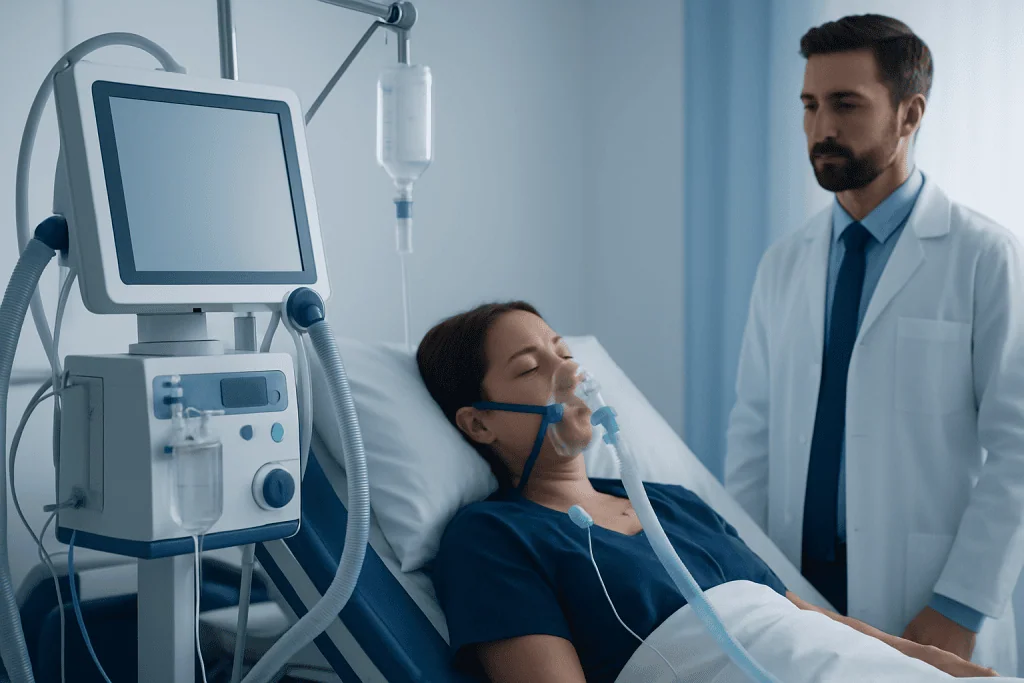
For mild COVID-19, the main goals are comfort, hydration, rest, and monitoring for worsening symptoms. Fever, headache, body aches, and sore throat may improve with commonly available pain and fever medicines when they are safe for the individual. Reading the label carefully and asking a pharmacist or clinician about other health conditions and medicines can help prevent avoidable side effects.
For mild to moderate illness in people who have risk factors for progression, oral antiviral treatment may be considered. Risk is generally higher with older age, certain long-term medical conditions, a weakened immune system, or incomplete protection from vaccination. A medical assessment is needed because eligibility and treatment choices vary by country, availability, and individual circumstances.
People who need hospital care may receive additional treatments, such as oxygen and medicines to reduce harmful inflammation in selected cases. These treatments are not generally appropriate for routine home use. In particular, steroids can be helpful for some patients who need oxygen but may be unhelpful or harmful if used without the right indication.
Prescription Antivirals: Who May Benefit?
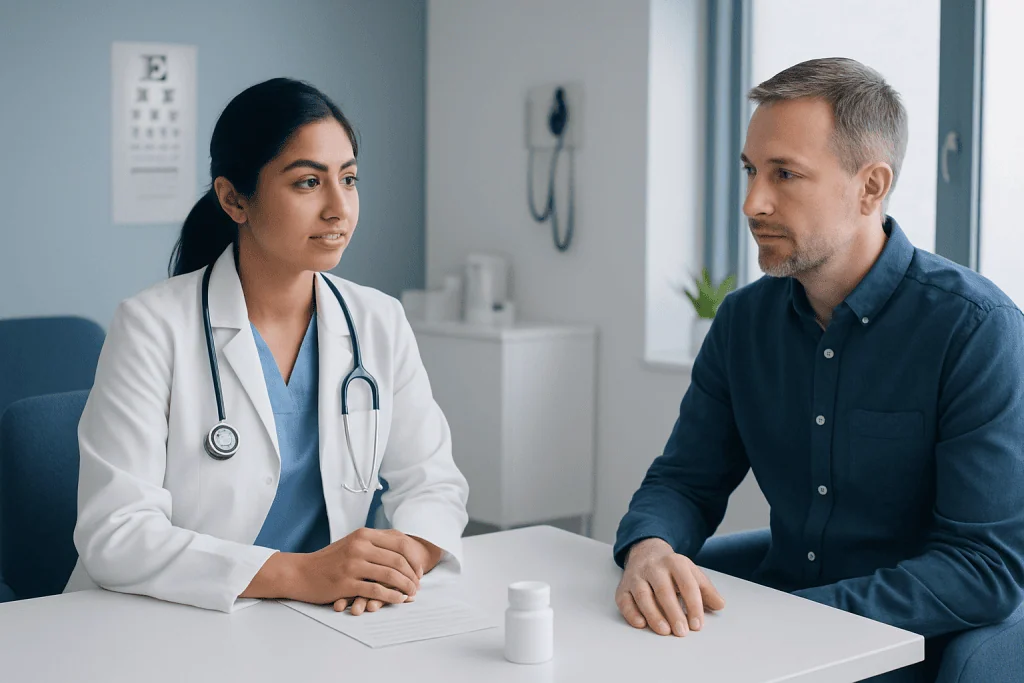
Prescription antiviral medicines are most often considered for non-hospitalized adults and some adolescents who have mild or moderate COVID-19 but face a higher risk of severe outcomes. They should be started within a limited number of days after symptoms begin, depending on the medicine. This is why waiting to see whether symptoms become severe may mean missing the period when an antiviral could be most useful.
Some antivirals can interact with commonly prescribed medicines, including certain treatments for heart rhythm conditions, cholesterol, blood clot prevention, seizures, and organ transplantation. A clinician or pharmacist should review every prescription medicine, over-the-counter product, vitamin, and herbal supplement before treatment begins. People should not stop an important long-term medicine on their own in order to take a COVID treatment.
Antiviral treatment is not automatically needed for every positive test. A healthy younger adult with mild symptoms may have a low likelihood of severe illness, while an older adult or a person with chronic disease may benefit more from early evaluation. The relevant diagnosis and care plan should be confirmed by a qualified clinician; readers can also learn more about COVID-19.
- Contact a clinician promptly after a positive test if the person is older, immunocompromised, pregnant, or has significant chronic illness.
- Share the date symptoms first started and the results of any COVID-19 test.
- Bring an up-to-date medication and allergy list to the consultation.
Medicines and Remedies That Do Not Treat COVID-19
Antibiotics do not kill viruses and do not treat COVID-19 itself. They may be prescribed only when a clinician suspects or confirms a bacterial infection occurring at the same time. Taking antibiotics without a medical reason can cause side effects and contributes to antibiotic resistance.
There is also no good evidence that unproven remedies, high-dose supplements, or veterinary products cure COVID-19. Products promoted online can be misleading, may delay effective care, and can interact with prescribed medicines. Natural does not always mean safe, especially for people with liver or kidney disease, pregnancy, or multiple medications.
Medicines such as pain relievers, fever reducers, throat lozenges, saline nasal sprays, and some cough remedies may help symptoms, but they do not remove the virus or replace assessment when a person is at higher risk. Combination cold and flu products can contain overlapping ingredients, so checking labels helps avoid taking more than intended.
Safe Home Care for Mild COVID-19
Most people with mild COVID-19 can recover at home. Resting, drinking enough fluids, eating regular nourishing meals as tolerated, and managing bothersome symptoms can support recovery. It is reasonable to reduce close contact with others while contagious and to follow current local public-health guidance about testing, staying home, masking, and returning to usual activities.
It can be useful to keep track of symptoms, particularly breathing, fever, alertness, and ability to drink fluids. A pulse oximeter may be recommended for some people, but it should not replace clinical judgment: readings can be inaccurate in some circumstances, and new or worsening breathlessness should be assessed even if a device reading seems acceptable.
People with asthma, chronic obstructive pulmonary disease, diabetes, heart disease, kidney disease, cancer, or immune suppression should continue their usual prescribed care unless their clinician advises otherwise. They should ask early about a personalized plan, including whether internal medicine assessment or specialist follow-up is appropriate.
When to Seek Medical Care
Medical advice should be sought promptly for a positive COVID-19 test or compatible symptoms in anyone at higher risk of severe disease, especially if symptoms began within the previous few days. Early discussion gives a clinician time to decide whether testing, antiviral medicine, or closer monitoring is appropriate.
Urgent or emergency care is needed for difficulty breathing, persistent pain or pressure in the chest, new confusion, inability to wake or stay awake, fainting, signs of severe dehydration, or blue, gray, or pale discoloration of the lips, face, or nail beds. Children, older adults, and people who are immunocompromised may show deterioration differently, so caregivers should trust concerns about a clear worsening from usual health.
People whose symptoms improve and then return or worsen should also contact a healthcare professional. Acibadem International’s multidisciplinary specialists and JCI-accredited hospitals can assess and treat COVID-19-related health needs for international patients.
Prevention and Recovery After COVID-19
Vaccination and recommended booster doses remain important tools for reducing severe COVID-19. Other practical measures include improving ventilation, avoiding close contact when unwell, considering a well-fitting mask in crowded indoor settings during periods of increased transmission, and practicing hand hygiene. These measures are particularly valuable around people who may be vulnerable to severe infection.
Recovery time varies. Fatigue, cough, and reduced exercise tolerance can persist after the acute infection, even when the initial illness was mild. A gradual return to usual activity is often more comfortable than pushing through significant fatigue. Anyone with persistent, recurrent, or new symptoms should speak with a doctor, especially if symptoms affect breathing, chest comfort, daily function, or mental wellbeing.
For people with ongoing symptoms after infection, a clinician can look for treatable causes and provide individualized guidance. Follow-up may include assessment of lung, heart, or other symptoms when medically indicated, rather than assuming every persistent symptom has the same cause.
Frequently asked questions
What is the best medicine for COVID at home?
For most mild cases, the best approach is rest, fluids, and safe symptom relief such as medicines for fever or pain when appropriate. People at high risk of severe illness should contact a clinician quickly to ask whether a prescription antiviral is suitable. Over-the-counter symptom medicines do not cure COVID-19.
Do antibiotics help treat COVID-19?
No. COVID-19 is caused by a virus, and antibiotics treat bacterial infections. A clinician may prescribe an antibiotic only if there is evidence of a separate bacterial infection.
How soon should antiviral medicine for COVID be started?
Antiviral medicines work best when started early after symptoms begin, with the precise time window depending on the medicine. A person who may be eligible should contact a healthcare professional as soon as they test positive or develop typical symptoms. Delaying assessment can reduce treatment options.
Who is at higher risk of severe COVID-19?
Risk is generally higher in older adults and in people with certain chronic medical conditions or weakened immune systems. Pregnancy and incomplete vaccination may also affect risk assessment. A clinician can evaluate the full medical picture and advise whether early treatment is appropriate.
Can ibuprofen or paracetamol cure COVID-19?
No. These medicines can reduce fever, aches, or discomfort when used safely, but they do not eliminate the virus. People should follow product instructions and seek advice if they have kidney disease, liver disease, stomach ulcers, take blood thinners, or have other concerns.
When should a person go to the emergency department for COVID-19?
Emergency evaluation is needed for severe or worsening breathing difficulty, persistent chest pain or pressure, confusion, inability to stay awake, fainting, or signs of poor oxygenation or severe dehydration. If there is uncertainty about the seriousness of symptoms, contacting emergency services or a local urgent medical provider is the safer choice.
This article is for general information only and is not a substitute for professional medical advice. Please consult a qualified doctor about your individual situation.
Explore treatments in Turkey — costs, top hospitals & a free quote
JCI-accredited · board-certified surgeons · reply within 24h
Add us as a Preferred Source to see more of our trusted health content across Google Search, AI Overviews and Discover.
Check your numbers in seconds
BMI, calories, due date, blood pressure and 30+ more clinical calculators — free, instant, doctor-reviewed ranges.

More from the Health Library

Isabella Piercing: A Complete Medical Overview

Terminal Lucidity — Explained by Medical Evidence, Not Myths
Left Lung — Explained by Medical Evidence, Not Myths
RBC Ua in Urine: An Evidence-Based Guide for Patients

Louie Body Dementia — Explained by Medical Evidence, Not Myths

Nihss — Explained by Medical Evidence, Not Myths
Infectious Diseases & Clinical Microbiology Specialists at Acibadem

Dr. Aytan Seydalıyeva
Infectious Diseases & Clinical Microbiology
Prof. Dr. Behice Kurtaran
Infectious Diseases & Clinical Microbiology
Prof. Dr. Cihadiye Elif Öztürk
Infectious Diseases & Clinical Microbiology
Dr. Dilara Akman
Infectious Diseases & Clinical Microbiology