CNS Fungal Infections: Who Is at Risk and How They Are Diagnosed

CNS fungal infections can involve the brain, spinal cord, or meninges and may become serious without prompt care. People with weakened immune systems are at higher risk, but some infections can also occur in otherwise healthy individuals.
Key Takeaways
- CNS fungal infections can involve the brain, spinal cord, or meninges and may become serious without prompt care.
- People with weakened immune systems are at higher risk, but some infections can also occur in otherwise healthy individuals.
- Symptoms may develop gradually and can include headache, fever, confusion, seizures, or neurologic changes.
- Diagnosis often requires brain imaging, blood tests, and examination of cerebrospinal fluid.
- Treatment usually involves antifungal medicines and close follow-up, sometimes with surgery when needed.
- Early medical evaluation improves the chance of timely diagnosis and appropriate treatment.
CNS fungal infections are uncommon infections of the brain, spinal cord, or surrounding tissues caused by fungi. They are most likely to affect people with weakened immune defenses, and diagnosis usually depends on a careful combination of symptoms, imaging, and laboratory testing.
Overview
CNS fungal infections are infections caused by fungi that affect the central nervous system, including the brain, spinal cord, and the membranes that cover them. They are much less common than bacterial or viral infections, but they are important because they can be difficult to recognize early. Symptoms may appear gradually, and the illness can sometimes mimic other neurologic conditions.
Several fungi can cause these infections. Examples include Cryptococcus, Aspergillus, Candida, Coccidioides, and Mucorales species. Depending on the fungus involved, infection may lead to meningitis, brain abscesses, inflammation of blood vessels, or pressure changes in the brain. Some infections begin in the lungs or sinuses and then spread to the nervous system through the bloodstream or by direct extension.
Although CNS fungal infections are often associated with immune suppression, they do not affect only one group. Certain environmental exposures, chronic illnesses, or recent medical treatments can increase risk. Because these infections are uncommon and complex, diagnosis and treatment are usually guided by specialists in infectious diseases, neurology, neurosurgery, radiology, and critical care when needed.
Symptoms and Warning Signs
The symptoms of CNS fungal infections vary depending on the exact fungus, the part of the nervous system involved, and how quickly the infection progresses. A person may develop persistent headache, fever, nausea, vomiting, neck stiffness, or increasing sensitivity to light. In some cases, symptoms are subtle at first and worsen over days or weeks.
Changes in brain function are especially important warning signs. These can include confusion, sleepiness, difficulty concentrating, personality changes, speech problems, weakness on one side of the body, trouble walking, vision changes, or seizures. When the infection forms a localized collection such as a brain abscess, symptoms may be more focal and resemble those of a tumor or stroke.
Not every fungal infection causes dramatic symptoms right away. In fungal meningitis, headache and fatigue may be present for some time before diagnosis. Signs that require urgent medical attention include severe headache, new seizures, sudden weakness, altered consciousness, or rapidly worsening neurologic symptoms.
- Persistent or worsening headache
- Fever or unexplained chills
- Neck stiffness
- Confusion or changes in alertness
- Seizures
- Weakness, numbness, or balance problems
- Vision or speech changes
Who Is at Risk?

The highest risk is seen in people with weakened immune systems. This includes those living with advanced HIV infection, people receiving chemotherapy, organ transplant recipients, individuals taking long-term corticosteroids or other immunosuppressive medicines, and some patients with blood cancers. Poorly controlled diabetes, especially when severe, can also increase susceptibility to certain invasive fungal infections.
Hospital-related factors may play a role as well. People with central venous catheters, intensive care stays, recent major surgery, or prolonged broad-spectrum antibiotic use may be at higher risk for some fungal infections. In certain settings, fungi can spread from the bloodstream to the brain or meninges. Invasive sinus disease may also extend into nearby brain structures.
Geography and environmental exposure matter for some fungi. Coccidioides, for example, is linked to specific regions where the fungus lives in soil, while Cryptococcus may be associated with environmental sources such as bird droppings or decaying wood. Importantly, a small number of CNS fungal infections can occur in people without obvious immune problems, which is one reason persistent neurologic symptoms should not be ignored.
Causes and How Infection Reaches the Nervous System
Fungi usually enter the body by inhalation, meaning a person breathes in fungal spores from the environment. The lungs may be the first site of infection, and from there the organism can spread through the bloodstream to the central nervous system. This pathway is common in infections such as cryptococcosis and some mold infections.
In other cases, fungi reach the brain from nearby structures. A severe fungal sinus infection may extend directly into the orbit or brain, especially in people with uncontrolled diabetes or major immune suppression. Less often, fungi can enter during surgery, trauma, or through devices and bloodstream infections, later causing involvement of the nervous system.
The type of infection within the CNS may differ. Some fungi mainly cause meningitis, while others are more likely to form abscesses or invade blood vessels. This is one reason the medical team tries to identify the exact organism rather than relying only on the general diagnosis of a fungal infection. Different fungi respond to different antifungal medicines, and some require intensive combined treatment approaches.
How CNS Fungal Infections Are Diagnosed
Diagnosis starts with a detailed medical history and neurologic examination. Doctors ask about immune status, medications, travel, environmental exposures, lung symptoms, sinus disease, and the timing of neurologic changes. Because symptoms often overlap with other conditions, the evaluation usually aims to rule out bacterial meningitis, viral encephalitis, stroke, tumors, or other causes of inflammation.
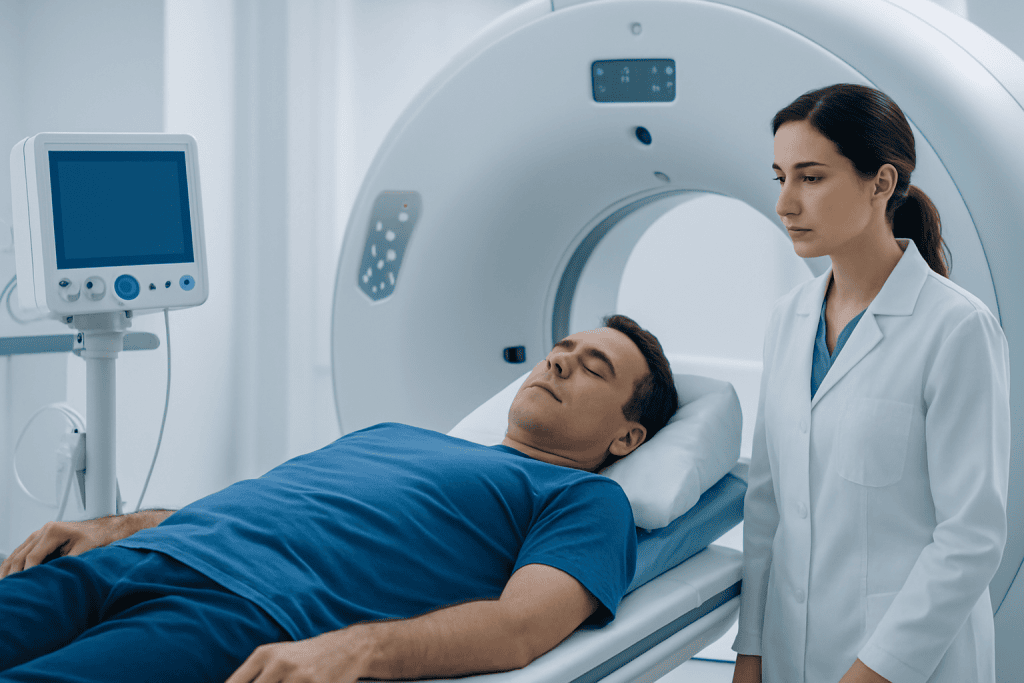
Brain imaging is often one of the first key steps. MRI is especially useful for showing inflammation, abscesses, meningeal involvement, and complications such as swelling or blocked cerebrospinal fluid flow. CT scan may also be used, particularly in urgent situations or before a lumbar puncture if increased pressure in the brain is a concern.
A lumbar puncture, also called a spinal tap, is often essential when meningitis is suspected. This test examines cerebrospinal fluid for cell counts, protein, glucose, fungal culture, antigen tests, and sometimes molecular testing. Blood tests may include fungal antigens, cultures, inflammatory markers, and HIV testing when appropriate. In selected cases, diagnosis may also require sampling from the sinuses, lungs, or even a brain lesion, sometimes with guidance from stereotactic biopsy.
Because these infections can resemble other neurologic problems, repeat testing is sometimes needed. Specialists may also evaluate related conditions such as meningitis or assess whether a lesion could represent a brain tumor rather than infection. A careful, step-by-step approach helps confirm the diagnosis and guide the safest treatment plan.
Treatment Options
Treatment depends on the fungus involved, the severity of infection, and the person’s overall health. In most cases, antifungal medicines are the main treatment. These may need to be given intravenously at first, especially for severe infections, and some patients require prolonged therapy over weeks to months. Doctors choose medicines based on the organism, the site of infection, and how well the drug reaches the central nervous system.
Supportive care is also important. This may include management of seizures, treatment of increased intracranial pressure, monitoring of kidney and liver function, and correction of underlying factors such as uncontrolled diabetes or immune suppression where possible. In some situations, doctors may need to adjust immunosuppressive medications carefully while balancing the risks of the underlying disease or transplant status.
Surgery is sometimes part of treatment. A person may need drainage of an abscess, removal of infected tissue, treatment of fungal sinus disease, or procedures to relieve pressure from fluid buildup. When hydrocephalus or pressure problems occur, neurosurgery may be needed alongside antifungal therapy. Early, coordinated care often improves the chances of controlling the infection and reducing complications.
Prevention and Self-Care
There is no single way to prevent all CNS fungal infections, but risk can often be reduced. People with weakened immune systems should follow the advice of their medical team about infection prevention, medication use, and when to seek help for new symptoms. In certain high-risk groups, doctors may prescribe preventive antifungal medication, but this is decided individually and is not appropriate for everyone.
Good control of chronic conditions matters. Keeping diabetes well managed, attending follow-up appointments after transplant or cancer treatment, and taking prescribed medicines correctly can reduce risk. Avoiding unnecessary exposure to environments with heavy dust, soil disruption, bird droppings, or decaying organic material may be advised for some immunocompromised patients, especially during periods of very low immunity.
Self-care does not replace medical treatment. A person with persistent headache, fever, or new neurologic symptoms should not try to manage this alone at home, particularly if they are immunocompromised. Practical steps include staying hydrated, monitoring symptoms, and sharing a full medication and travel history with the doctor. Near the end of the care pathway, some international patients may choose centers such as Acibadem International, where multidisciplinary specialists in JCI-accredited hospitals diagnose and treat complex neuroinfectious conditions.
When to See a Doctor
Medical advice should be sought promptly if a person develops an ongoing headache with fever, neck stiffness, or unexplained neurologic symptoms. This is especially important for anyone with HIV, cancer treatment, an organ transplant, long-term steroid use, uncontrolled diabetes, or another reason for reduced immune function. Early assessment can help distinguish a fungal infection from other urgent neurologic conditions.
Emergency care is needed for severe symptoms such as seizures, sudden weakness, difficulty speaking, major confusion, reduced consciousness, or signs of increased pressure in the brain such as repeated vomiting and worsening drowsiness. These symptoms do not always mean a fungal infection, but they do require urgent evaluation.
Follow-up is also an important part of care. Even after treatment begins, doctors may repeat imaging, lumbar puncture, or blood tests to check response and watch for complications. Because recovery can take time, patients and families benefit from clear communication with the medical team about symptoms, treatment goals, and warning signs that should prompt immediate review.
Frequently asked questions
What are CNS fungal infections?
CNS fungal infections are fungal infections that affect the brain, spinal cord, or the membranes around them. They are uncommon but can become serious, especially in people with weakened immune systems.
Who is most at risk for a brain fungal infection?
People with suppressed immunity are at the highest risk, including transplant recipients, people receiving chemotherapy, those taking long-term steroids, and people with advanced HIV. Poorly controlled diabetes and certain hospital-related exposures can also increase risk.
Can a healthy person get a CNS fungal infection?
Yes, although it is less common. Some fungi related to environmental exposure can occasionally infect people without obvious immune problems, especially depending on geography and the amount of exposure.
How do doctors diagnose fungal meningitis or other CNS fungal infections?
Doctors usually combine a medical history, neurologic examination, brain imaging, and laboratory testing. A lumbar puncture is often very important because cerebrospinal fluid can be tested for fungal markers, cultures, and other signs of infection.
Are CNS fungal infections treatable?
Yes, they are treatable, but treatment may be lengthy and depends on the exact fungus involved. Many patients need strong antifungal medicines, close monitoring, and sometimes surgery for abscesses or pressure-related complications.
What symptoms should never be ignored?
Severe or persistent headache, fever, confusion, seizures, weakness, speech trouble, or changes in vision should always be taken seriously. Anyone with these symptoms, especially if immunocompromised, should seek medical care promptly.
References
- World Health Organization
- Centers for Disease Control and Prevention
- National Institute of Neurological Disorders and Stroke
- Infectious Diseases Society of America
- Merck Manual Professional Edition
This article is for general information only and is not a substitute for professional medical advice. Please consult a qualified doctor about your individual situation.
Joint and spine care in Turkey — expert assessment & treatment
JCI-accredited · board-certified surgeons · reply within 24h
Add us as a Preferred Source to see more of our trusted health content across Google Search, AI Overviews and Discover.