

Collapsed Lung Recovery: Healing Time, Activity Limits, and Aftercare

Recovery time after a collapsed lung varies from a few days to several weeks depending on severity and treatment. Follow-up imaging and medical review are important to confirm that the lung has fully re-expanded.
Key Takeaways
- Recovery time after a collapsed lung varies from a few days to several weeks depending on severity and treatment.
- Follow-up imaging and medical review are important to confirm that the lung has fully re-expanded.
- Activity usually needs to be limited at first, especially strenuous exercise, heavy lifting, flying, and diving.
- Smoking increases the risk of another collapsed lung and stopping is one of the most important preventive steps.
- New chest pain, shortness of breath, or worsening symptoms during recovery need urgent medical attention.
Collapsed lung recovery depends on how large the pneumothorax is, why it happened, and whether treatment such as observation, needle aspiration, or a chest tube was needed. Most people improve well with proper aftercare, but healing should be guided by a doctor to reduce the risk of recurrence and support a safe return to normal activities.
Overview of collapsed lung recovery
A collapsed lung, also called a pneumothorax, happens when air collects in the space between the lung and the chest wall. This air pressure can cause part or all of the lung to collapse. Recovery focuses on allowing the trapped air to clear, helping the lung re-expand, and monitoring for complications or recurrence.
The time needed for healing is not the same for everyone. A small spontaneous pneumothorax may improve with observation and rest, while a larger collapse or one caused by injury may require procedures such as needle aspiration or placement of a chest tube. People with underlying lung disease may need closer monitoring and a longer recovery period.
Many patients begin to feel better before the lung has completely healed. This is why follow-up visits and imaging, usually with a chest X-ray, are important. Even when symptoms improve, a doctor may still recommend temporary activity limits until recovery is confirmed.
How long does healing usually take?
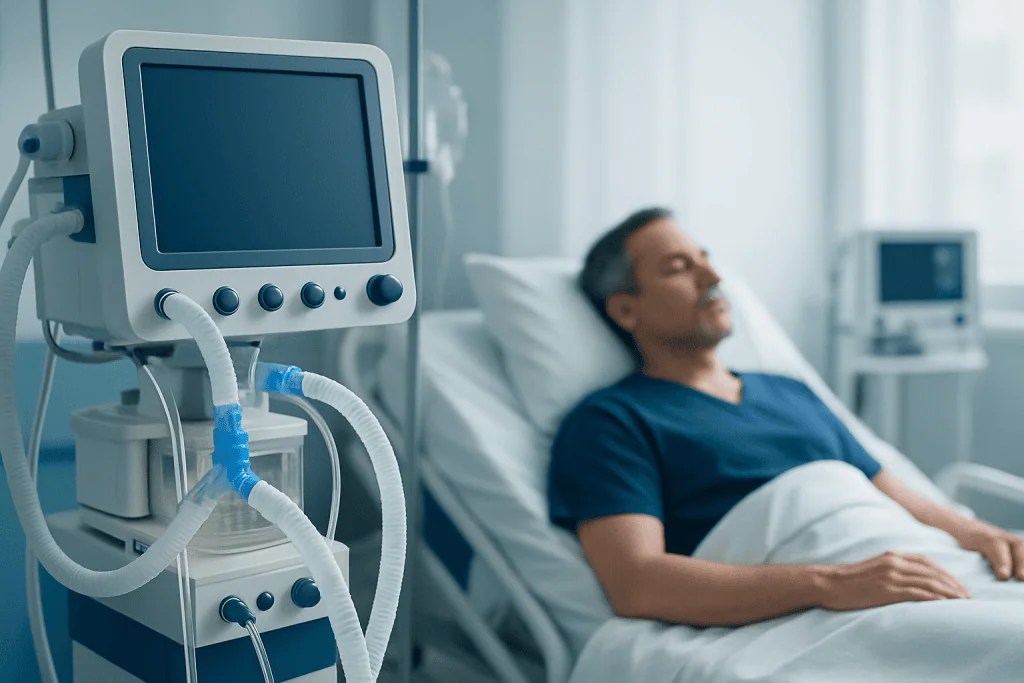
Collapsed lung recovery can range from several days to a few weeks. A small pneumothorax that does not require drainage may gradually resolve as the body reabsorbs the trapped air. A larger pneumothorax or one treated with a chest tube may involve a hospital stay followed by additional recovery time at home.
Healing time depends on several factors, including the size of the collapse, whether it happened spontaneously or after trauma, and whether the person has an underlying lung condition such as chronic obstructive pulmonary disease or lung cancer. Age, smoking status, and overall health can also influence recovery.
Doctors usually confirm recovery with imaging rather than symptoms alone. Some people feel almost normal within a short time, but the lung may still be re-expanding. In many cases, the doctor will advise avoiding certain activities until the chest X-ray shows the pneumothorax has resolved.
- Small, uncomplicated cases may recover with observation over days to weeks.
- Cases needing drainage may improve quickly but still require follow-up healing time.
- Traumatic or recurrent cases may need more extensive treatment and longer recovery.
Symptoms during recovery and what is normal

During recovery, it is common to notice mild tiredness, some chest discomfort, or awareness of breathing more carefully than usual. If a chest tube was used, soreness around the insertion site can continue for a period after removal. These symptoms often improve gradually as the lung re-expands and the body heals.
Some patients also feel anxious after the event, especially if the collapsed lung came on suddenly. Gentle reassurance, clear follow-up instructions, and knowing what symptoms to watch for can help. The return of stamina may be gradual, and a person may need to pace activities for a short time.
However, not all symptoms should be considered part of normal healing. Worsening shortness of breath, increasing chest pain, faintness, blue discoloration of the lips, or a rapid heartbeat can suggest recurrence or another urgent problem. These symptoms should not be ignored and need prompt medical evaluation.
Treatment and its effect on recovery
Treatment is based on the cause, size, and effect of the pneumothorax. Some small cases are managed with observation, repeat imaging, oxygen support, and rest. Others require removing the trapped air with a needle or chest tube so the lung can re-expand more fully and symptoms can improve.
If there is an underlying lung problem, doctors may also investigate related conditions such as COPD or structural changes in the lung tissue. In recurrent cases, or when the leak does not stop on its own, specialists may recommend procedures to prevent future episodes. These can include surgery or pleurodesis, which aims to help the lung adhere more firmly to the chest wall.
When surgery is needed, recovery may be longer but can reduce the chance of another collapse in selected patients. In hospitals with thoracic expertise, options may include thoracic surgery and image-guided assessment with interventional radiology when appropriate. The exact approach depends on the individual situation and should be discussed with a chest specialist.
Activity limits after a collapsed lung
Activity restrictions are an important part of collapsed lung recovery. Most people are advised to avoid strenuous exercise, heavy lifting, high-impact sports, and intense exertion until a doctor confirms that the lung has healed. Returning too quickly may worsen symptoms or increase the risk of recurrence in some situations.
Walking and light daily movement are often encouraged if they do not cause breathlessness or pain, but this should follow the treating clinician’s advice. Driving may need to be postponed for a short period, especially if there is pain, lingering shortness of breath, or if sedating pain medicines are being used. Work restrictions depend on the job, with physically demanding roles usually needing more recovery time than desk-based work.
Air travel and scuba diving deserve special caution. Flying is usually delayed until the pneumothorax has fully resolved on imaging because pressure changes can be risky. Scuba diving may be permanently discouraged after some types of spontaneous pneumothorax unless a specialist has assessed and treated the underlying cause.
- Resume exercise gradually and only after medical clearance.
- Avoid smoking and secondhand smoke during recovery.
- Ask about timing for travel, sports, and returning to work.
- Follow specific advice if the collapse happened after trauma or surgery.
Aftercare, follow-up, and preventing another collapse
Aftercare usually includes follow-up appointments, repeat chest imaging, and guidance on symptom monitoring. If an incision or chest tube site is present, the area should be kept clean and observed for redness, swelling, discharge, or fever. Patients should take medications exactly as prescribed and ask when they can safely resume normal routines.
Stopping smoking is one of the most effective ways to lower the risk of another spontaneous pneumothorax. Smoking can damage lung tissue and significantly increases recurrence risk. People with chronic lung disease may also benefit from ongoing pulmonology care to manage the condition that may have contributed to the collapse.
Good self-care also includes rest, hydration, and a gradual return to activity rather than pushing through fatigue. If a person has had recurrent episodes, a specialist may evaluate whether preventive treatment is appropriate. Near the end of recovery, some patients may benefit from a review with a multidisciplinary respiratory and surgical team; Acibadem International’s JCI-accredited hospitals provide diagnosis and treatment for international patients when this level of care is needed.
When to see a doctor urgently
Anyone recovering from a collapsed lung should know the warning signs that need urgent attention. Sudden or worsening shortness of breath, sharp chest pain, a feeling of chest tightness, severe dizziness, or fainting should be treated as urgent symptoms. These may suggest that the pneumothorax has returned or that another complication is developing.
Urgent review is also important if there is fever, increasing redness or drainage at a chest tube site, or persistent coughing that is getting worse. People with underlying lung disease, recent chest trauma, or recent surgery may need especially prompt evaluation if symptoms change. It is safer to seek medical advice early than to wait and hope symptoms pass.
Regular follow-up matters even when recovery seems smooth. A doctor can confirm whether the lung has fully re-expanded, review any limits on travel or exercise, and address factors that may reduce the chance of recurrence. If symptoms return at any point, immediate reassessment is important.
Frequently asked questions
How long does collapsed lung recovery usually take?
Recovery can take anywhere from a few days to several weeks. The exact timing depends on the size of the pneumothorax, its cause, and whether treatment such as a chest tube or surgery was needed. A doctor usually confirms healing with a chest X-ray.
Can a person walk around during recovery?
Light walking is often acceptable and may help prevent deconditioning, as long as it does not cause significant shortness of breath or pain. Strenuous exercise, heavy lifting, and intense physical activity are usually restricted until the doctor confirms full recovery.
When is it safe to fly after a collapsed lung?
Flying is generally delayed until the pneumothorax has completely resolved on imaging. Changes in air pressure during air travel can increase risk if the lung has not fully healed. The timing should always be confirmed with the treating doctor.
Is chest pain normal while healing?
Mild chest discomfort or soreness can happen during recovery, especially if a chest tube was used. However, chest pain that is severe, worsening, or accompanied by shortness of breath should be assessed urgently because it may signal recurrence or another complication.
Can a collapsed lung happen again?
Yes, recurrence is possible, especially after a spontaneous pneumothorax. Risk may be higher in people who smoke, have underlying lung disease, or have had a previous episode. Follow-up care and prevention advice are important to lower this risk.
What should be avoided after a collapsed lung?
People are commonly advised to avoid smoking, heavy exertion, contact sports, flying until cleared, and scuba diving unless a specialist says it is safe. The exact restrictions depend on the cause of the collapse and the treatment used.
References
- National Heart, Lung, and Blood Institute
- American Thoracic Society
- British Thoracic Society
- National Health Service
- Merck Manual
This article is for general information only and is not a substitute for professional medical advice. Please consult a qualified doctor about your individual situation.
Explore treatments in Turkey — costs, top hospitals & a free quote
JCI-accredited · board-certified surgeons · reply within 24h
Add us as a Preferred Source to see more of our trusted health content across Google Search, AI Overviews and Discover.

More from the Health Library



Related Specialists

Assoc. Prof. Dr. Semiha Urvay
Medical Oncology
Dr. Nezail Demircler
Aesthetic Plastic & Reconstructive Surgery
Prof. Dr. Atakan Yeşil
Gastroenterology
Assoc. Prof. Dr. Cem Gün
Emergency Service