Common Myths About Brain Surgery and Neurosurgery: Facts Patients Should Know

Not all brain surgery is an emergency; many procedures are carefully planned in advance. Modern neurosurgery often uses minimally invasive, image-guided, and highly precise techniques.
Key Takeaways
- Not all brain surgery is an emergency; many procedures are carefully planned in advance.
- Modern neurosurgery often uses minimally invasive, image-guided, and highly precise techniques.
- Neurosurgery is not only for brain tumors; it also treats bleeding, epilepsy, movement disorders, nerve problems, and more.
- Recovery varies by procedure and condition, and many patients improve with structured rehabilitation and follow-up care.
- A neurosurgeon explains the expected benefits, risks, and alternatives before recommending surgery.
Many people associate brain surgery with extreme risk, permanent disability, or long recovery, but these ideas are often based on outdated information. Modern neurosurgery uses detailed imaging, careful planning, and specialized techniques to treat brain and nerve conditions as safely and effectively as possible.
Overview: Why Brain Surgery Myths Persist
Brain surgery can sound frightening because the brain controls movement, speech, memory, and many other essential functions. Films, headlines, and secondhand stories often focus on dramatic situations, which can leave patients and families with the impression that every neurosurgical procedure is highly dangerous or life-changing in a negative way. In reality, neurosurgery is a broad field that includes many different operations, from urgent treatment for bleeding in the brain to carefully planned procedures for tumors, epilepsy, vascular problems, or nerve compression.
Modern neurosurgery is based on detailed diagnosis, advanced imaging, anesthesia safety, and precise surgical planning. A neurosurgical team studies the location of the problem, the patient’s general health, and the goals of treatment before recommending an operation. For some people, surgery may remove a lesion, relieve pressure, control symptoms, or prevent serious complications. For others, non-surgical treatment may be the better option.
The most helpful way to approach brain surgery is to separate myths from facts. Patients usually benefit from understanding why surgery is being considered, what alternatives exist, how the operation is performed, and what recovery may involve. Clear information often reduces fear and helps families make decisions with more confidence.
Common Myth 1 and 2: “Brain Surgery Is Always Extremely Dangerous” and “Patients Are Awake for All Procedures”
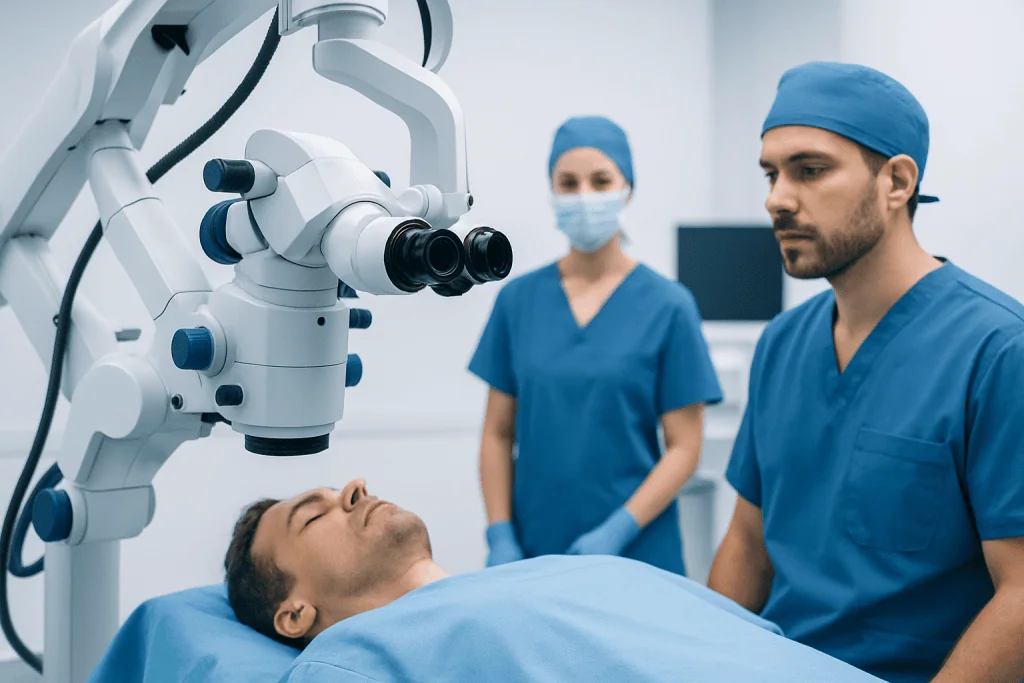
It is true that brain surgery is a serious medical procedure, and every operation carries some degree of risk. However, the idea that it is always overwhelmingly dangerous is inaccurate. Risk depends on the exact condition being treated, the area of the brain involved, the patient’s age and health, and the type of procedure planned. Many operations are performed with advanced imaging guidance, neuronavigation, high-powered microscopes, and continuous monitoring to improve precision and protect important brain functions.
Another common misunderstanding is that all patients remain awake during brain surgery. In fact, many neurosurgical procedures are performed under general anesthesia, meaning the patient is fully asleep. Awake brain surgery is used only in selected situations, such as when surgeons need to monitor speech or movement during an operation near critical brain areas. When this approach is chosen, it is carefully planned and supported by anesthesia and specialist teams to keep the patient comfortable and safe.
For many patients, the real question is not whether surgery sounds intimidating, but whether it offers a better chance of recovery or symptom control than delaying treatment. In some cases, a neurosurgeon may recommend surgery because leaving the condition untreated could carry a greater risk than the procedure itself.
- Some brain operations are elective and scheduled after detailed work-up.
- Many are done with the patient asleep under general anesthesia.
- Awake surgery is specialized and used only when it provides a clear benefit.
- Risk is individualized rather than the same for every patient.
Common Myth 3 and 4: “Neurosurgery Means a Large Skull Opening” and “It Is Only for Brain Tumors”

People often imagine neurosurgery as a single type of operation involving a very large opening in the skull. In reality, surgical approaches vary widely. Some procedures do require a craniotomy, which is a carefully planned opening in the skull to access the brain. Others may use smaller openings, endoscopic techniques, or approaches through natural pathways such as the nose for selected skull base and pituitary conditions. The most appropriate method depends on the size, type, and location of the problem.
Neurosurgery also extends far beyond brain tumors. Neurosurgeons may treat aneurysms, bleeding in the brain, hydrocephalus, certain forms of epilepsy, traumatic injuries, trigeminal neuralgia, spinal disorders, and movement disorders such as Parkinson’s disease in selected patients. Some patients first learn about surgery while being evaluated for a brain tumor, while others may need treatment for conditions such as Parkinson’s disease or severe nerve-related pain.
Because the field is so broad, a recommendation for neurosurgery does not automatically mean cancer or a major open operation. It means a specialist has identified a problem involving the brain, spine, or nervous system and is considering whether a procedural solution could help. Sometimes the procedure is diagnostic, sometimes it is curative, and sometimes it is intended to control symptoms or prevent progression.
Common Myth 5 and 6: “Brain Surgery Always Causes Permanent Personality or Memory Changes” and “Recovery Is Always Long”
Changes in memory, mood, speech, or personality are a major fear for many patients. These concerns are understandable because the brain is closely linked to thought and behavior. However, it is not accurate to assume that all brain surgery causes permanent cognitive or emotional changes. The possibility depends on where the condition is located, what symptoms were present before surgery, how extensive the operation is, and how the brain responds during healing.
In fact, some patients feel better after treatment because surgery can reduce pressure on the brain, control seizures, remove a lesion, or improve neurological function. When there is a higher chance of affecting speech, movement, or memory, the team may use functional imaging, mapping, or awake testing to protect these abilities as much as possible. After surgery, rehabilitation specialists may also help with speech, balance, strength, or cognitive recovery when needed.
Recovery time is also highly individual. Some people spend only a limited time in hospital and gradually return to normal activities over weeks, while others need a longer recovery period, especially after complex procedures or when the underlying disease itself is serious. A faster recovery may be possible with certain minimally invasive techniques, but even then, rest, follow-up visits, and gradual return to activity remain important.
- Pre-existing symptoms may improve after surgery in some patients.
- Rehabilitation can support recovery of speech, mobility, and daily function.
- Not every patient experiences lasting cognitive changes.
- Recovery depends on the condition, the procedure, and the person’s overall health.
How Doctors Decide Whether Surgery Is Necessary
Neurosurgery is usually recommended only after a careful evaluation of the diagnosis and treatment options. Doctors begin with a medical history, neurological examination, and imaging studies such as MRI or CT scans. In some cases, additional tests may include angiography, electroencephalography, neuropsychological evaluation, or hormone testing, depending on the suspected condition. The purpose is to understand exactly what is causing symptoms and whether surgery is likely to help.
A neurosurgeon weighs several factors before advising an operation: the severity of symptoms, the pace of disease progression, the risk of waiting, the chance that medication or observation may work, and the expected benefit of treatment. Patients should feel comfortable asking why surgery is advised now, what goals it aims to achieve, and what alternatives exist. A good consultation usually includes discussion of possible complications, expected hospital stay, and likely recovery milestones.
When surgery is considered, the treatment plan may involve more than one specialty. Neurologists, neuroradiologists, anesthesiologists, oncologists, rehabilitation physicians, and intensive care specialists may all contribute to care. Depending on the diagnosis, treatment might include procedures such as brain tumor surgery, deep brain stimulation, or Gamma Knife radiosurgery when these are appropriate for the patient’s condition.
What Patients Can Expect Before and After Neurosurgery
Preparation for brain surgery usually starts well before the day of the operation. Patients may undergo blood tests, heart and anesthesia assessment, and repeat imaging to help map the surgical target. The surgeon explains the reason for the procedure, likely benefits, possible side effects, and any special instructions about eating, drinking, or medications. Family members often play an important role in helping the patient understand the plan and prepare for recovery at home.
After surgery, monitoring is close and structured. Some patients spend time in an intensive care or high-dependency setting so the team can observe blood pressure, breathing, pain control, and neurological function. Early recovery often focuses on preventing complications, managing swelling, treating discomfort, and helping the patient begin moving safely. Depending on the procedure, there may be temporary fatigue, headache, mild confusion, or weakness that gradually improves.
At discharge, patients receive guidance about wound care, activity restrictions, medicines, and follow-up appointments. Some will need physical therapy, speech therapy, occupational therapy, or ongoing imaging. If the surgery is related to a tumor or another chronic condition, additional treatment may be part of the care plan. In complex cases, centers such as Acibadem International provide multidisciplinary evaluation and treatment for international patients in JCI-accredited hospitals.
When to Seek Specialist Advice and How to Ask the Right Questions
Anyone who has been told they may need brain surgery should seek information from a qualified neurosurgeon rather than relying on myths, internet anecdotes, or worst-case stories. A specialist can explain whether the condition is urgent, whether watchful waiting is reasonable, and what the realistic goals of treatment are. A second opinion may also be useful when the diagnosis is complex or when more than one treatment path is possible.
It is especially important to seek prompt medical attention for symptoms such as sudden severe headache, new seizures, progressive weakness, confusion, speech difficulty, changes in vision, loss of balance, or persistent neurological symptoms that worsen over time. These signs do not always mean surgery is needed, but they should be assessed without delay. Early diagnosis can make treatment safer and more effective.
Helpful questions for a consultation include:
- What condition is being treated, and how certain is the diagnosis?
- Why is surgery recommended, and what happens if treatment is delayed?
- Are there non-surgical alternatives?
- What are the likely benefits and possible risks in this specific case?
- What kind of recovery, rehabilitation, and follow-up should be expected?
When patients understand the facts, brain surgery becomes less mysterious and more manageable. The goal of modern neurosurgery is not simply to operate, but to choose the safest and most effective plan for each individual.
Frequently asked questions
Is brain surgery always a last resort?
Not always. In some situations, surgery is recommended after medications or monitoring have not helped, but in other cases it is the best first treatment because it can remove pressure, stop bleeding, or treat a structural problem directly. The decision depends on the diagnosis, symptoms, and the risks of delaying care.
Are patients usually awake during brain surgery?
No, many brain operations are performed under general anesthesia, so the patient is asleep. Awake surgery is used only in selected cases when real-time testing of speech or movement can help protect important brain functions.
Can someone live a normal life after brain surgery?
Many people do return to daily activities after recovery, although the timeline differs from person to person. Outcomes depend on the original condition, the part of the brain involved, and whether rehabilitation is needed. Follow-up care is important for the safest return to work, exercise, and routine life.
Does brain surgery always cause memory loss or personality changes?
No, this is a common myth. Some procedures carry a risk of affecting memory, mood, or behavior depending on the area being treated, but many patients do not experience lasting changes. Surgeons plan carefully to reduce risk and preserve important brain functions whenever possible.
How long does recovery from neurosurgery take?
Recovery can range from days to several weeks or longer depending on the procedure and the patient’s overall health. A smaller or less invasive procedure may allow faster recovery, while more complex surgery may require rehabilitation. The treating team gives the most accurate guidance for the individual case.
Should a patient get a second opinion before brain surgery?
A second opinion can be very helpful, especially if the diagnosis is complex or there is more than one treatment option. It may confirm the plan, clarify alternatives, and help the patient feel more confident. In urgent emergencies, however, treatment may need to proceed quickly.
References
- World Health Organization
- National Institute of Neurological Disorders and Stroke
- American Association of Neurological Surgeons
- National Health Service
- Mayo Clinic
This article is for general information only and is not a substitute for professional medical advice. Please consult a qualified doctor about your individual situation.
Neurosurgery in Turkey — costs, top hospitals & a free quote
JCI-accredited · board-certified surgeons · reply within 24h
Add us as a Preferred Source to see more of our trusted health content across Google Search, AI Overviews and Discover.

Neurosurgery
Surgical treatment of the brain, spine and nervous system, including minimally invasive and functional procedures.
70 specialists in this unit