Common Neurodegenerative Diseases: 10 Disorders Patients Should Know

Neurodegenerative diseases slowly affect nerve cells and can change movement, memory, speech, behavior, or strength. Symptoms vary by condition, but early assessment is important when changes interfere with daily life.
Key Takeaways
- Neurodegenerative diseases slowly affect nerve cells and can change movement, memory, speech, behavior, or strength.
- Symptoms vary by condition, but early assessment is important when changes interfere with daily life.
- There is often no single cure, but medicines, rehabilitation, and supportive care can improve quality of life.
- Diagnosis usually combines a neurological exam, imaging, laboratory tests, and sometimes genetic testing.
- Healthy routines, fall prevention, cognitive support, and regular follow-up can help people live more safely and comfortably.
Common neurodegenerative diseases are conditions in which nerve cells in the brain, spinal cord, or peripheral nervous system gradually lose function over time. Knowing the main disorders, early symptoms, and treatment approaches can help patients seek timely evaluation and supportive care.
Overview: What are neurodegenerative diseases?
Neurodegenerative diseases are a group of disorders that cause progressive damage to nerve cells, also called neurons. These conditions may affect the brain, spinal cord, or nerves that control movement, thinking, sensation, swallowing, or breathing. Because neurons do not repair themselves easily, symptoms often develop gradually and may worsen over time.
The term covers many different illnesses rather than one single diagnosis. Some mainly affect memory and thinking, such as Alzheimer’s disease. Others mainly affect movement, balance, or muscle control, such as Parkinson’s disease, Huntington’s disease, or amyotrophic lateral sclerosis. A few conditions involve both cognitive and physical changes.
Patients and families often find these disorders confusing because symptoms can overlap. For example, a person with one condition may develop tremor and slowness, while another may first notice memory loss, language difficulty, personality changes, or repeated falls. Careful medical evaluation is important because treatment, outlook, and support needs differ from one disease to another.
Although many neurodegenerative diseases cannot yet be cured, modern care can still make a meaningful difference. Early diagnosis helps guide symptom treatment, rehabilitation, home safety planning, emotional support, and long-term care decisions.
10 common neurodegenerative diseases patients should know
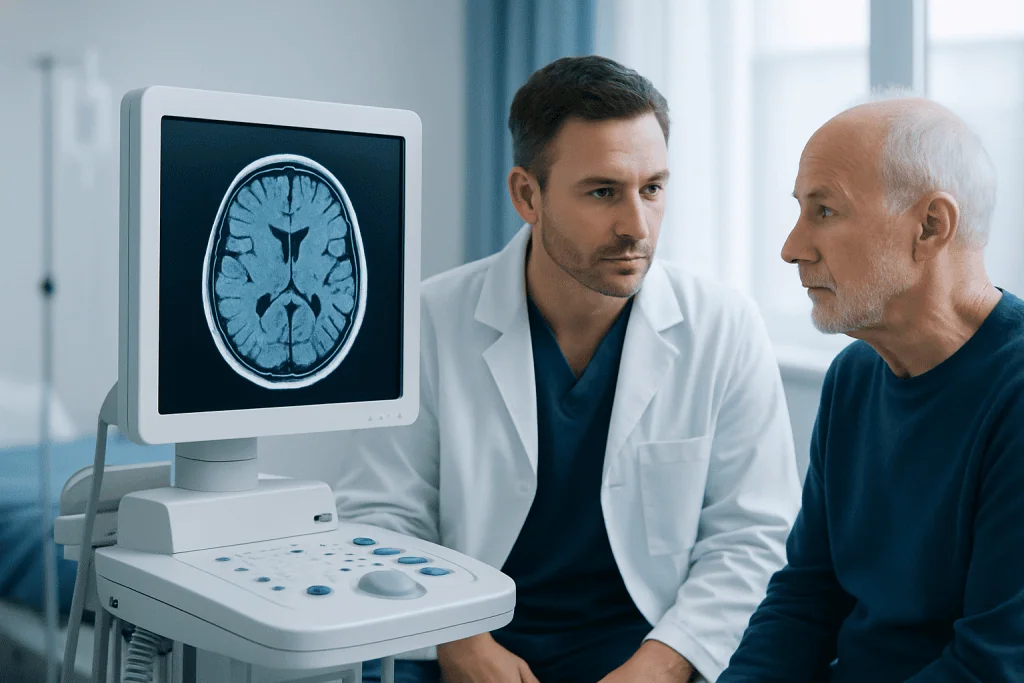
Several disorders are seen more often in neurological practice, especially in older adults, though some can begin much earlier in life. Understanding the broad features of each one can help patients recognize when a specialist assessment may be useful.
- Alzheimer’s disease: A common cause of dementia that mainly affects memory, reasoning, orientation, and daily functioning.
- Parkinson’s disease: A movement disorder that can cause tremor, stiffness, slowness, balance problems, and non-motor symptoms such as sleep changes or constipation.
- Lewy body dementia: A condition associated with changes in thinking, visual hallucinations, sleep behavior changes, and parkinsonian movement symptoms.
- Frontotemporal dementia: A group of disorders that often begin with personality, behavior, or language changes rather than early memory loss.
- Amyotrophic lateral sclerosis (ALS): A progressive disease affecting nerve cells that control voluntary muscles, leading to weakness, muscle wasting, and sometimes speech or swallowing difficulty.
- Huntington’s disease: An inherited condition that can cause involuntary movements, mood changes, and progressive cognitive decline.
- Multiple system atrophy: A rare disorder that can affect movement, blood pressure control, bladder function, and coordination.
- Progressive supranuclear palsy: A condition linked to balance problems, stiffness, falls, and difficulty moving the eyes, especially up and down.
- Corticobasal syndrome/degeneration: A rare disorder that may cause stiffness, clumsiness, abnormal posturing, and difficulty with learned movements.
- Spinocerebellar ataxias: A group of often inherited conditions that mainly affect coordination, balance, speech, and gait.
Not every patient will fit neatly into one category at first. Symptoms may evolve slowly, and some diseases resemble one another in the early stages. This is one reason follow-up over time is often part of the diagnostic process.
Patients who want to understand individual disorders in more depth may benefit from learning about Parkinson’s disease or Alzheimer’s disease as examples of two of the most recognized neurodegenerative conditions.
Symptoms and early warning signs

Symptoms depend on which part of the nervous system is most affected. When the disease involves brain regions responsible for memory and reasoning, a person may develop forgetfulness, confusion, trouble planning tasks, misplacing items, or difficulty following conversations. When movement pathways are affected, symptoms may include tremor, stiffness, slowed movement, poor coordination, gait changes, or frequent falls.
Some people first notice speech or language changes, such as word-finding difficulty, slurred speech, or trouble understanding complex sentences. Others may have swallowing difficulty, changes in facial expression, muscle twitching, weakness, or loss of fine motor skills such as buttoning clothes or writing. Behavioral changes can also be early clues, including apathy, impulsiveness, irritability, depression, anxiety, or loss of social judgment.
Non-motor symptoms are also important. Sleep disturbance, constipation, bladder problems, dizziness on standing, reduced sense of smell, vivid dreams, and fatigue can appear before more obvious neurological symptoms in some conditions. Because these complaints are common in many illnesses, they are most meaningful when they appear together or steadily progress.
Medical review is especially important when symptoms are persistent, worsening, or beginning to interfere with work, driving, communication, mobility, or independent living. Early warning signs do not always mean a neurodegenerative disease is present, but they should not be ignored.
Causes and risk factors
The exact cause of many neurodegenerative diseases is not fully understood. In general, these disorders involve abnormal changes inside nerve cells, such as protein buildup, inflammation, oxidative stress, mitochondrial dysfunction, or problems with how cells clear waste. Over time, these processes can damage neural networks and reduce the brain’s or nervous system’s ability to function normally.
Age is one of the strongest risk factors for many neurodegenerative conditions, especially forms of dementia and parkinsonism. However, age alone does not explain everything. Genetics can also play a major role. Some diseases, such as Huntington’s disease and some spinocerebellar ataxias, are clearly inherited. Others may have a family-linked tendency without a simple inheritance pattern.
Environmental and lifestyle factors may contribute in certain cases, although they are usually not the sole cause. Head trauma, vascular risk factors, toxin exposure, poor sleep, and chronic medical conditions may influence brain health or symptom severity. Still, it is important for patients not to blame themselves. Most neurodegenerative diseases arise from a complex mix of biological and environmental influences rather than one preventable trigger.
Researchers continue to study why one person develops a specific disorder while another does not. This growing knowledge is helping doctors refine risk assessment, identify earlier biomarkers, and develop more targeted therapies.
How doctors diagnose these disorders
Diagnosis usually begins with a detailed medical history and neurological examination. The doctor asks when symptoms started, how they have changed, whether they affect memory or movement, and whether there is a family history of neurological disease. A family member’s observations are often valuable, especially when changes in behavior, language, or daily functioning are involved.
Further evaluation may include blood tests to look for treatable causes of similar symptoms, such as vitamin deficiencies, thyroid disorders, infection, or metabolic problems. Brain imaging, often with MRI, can help identify patterns of atrophy, strokes, tumors, normal-pressure hydrocephalus, or other structural conditions. Depending on the clinical picture, more specialized tests may include cognitive testing, nerve conduction studies, electromyography, sleep studies, spinal fluid analysis, or genetic testing.
Because several diseases can mimic one another, diagnosis may take time. Doctors also consider non-degenerative causes such as medication side effects, depression, autoimmune disease, or other neurological conditions. In some cases, a patient is first given a probable diagnosis and then reassessed over months or years as symptoms evolve.
Specialist evaluation can be especially helpful when symptoms are complex or atypical. A neurologist may recommend tests such as MRI scanning or, when needed for symptom support and function, a coordinated neurological rehabilitation plan.
Treatment options and supportive care
Treatment depends on the specific disease, the symptoms present, and the person’s overall health. For some conditions, medicines can help control symptoms such as tremor, muscle stiffness, involuntary movements, mood changes, sleep problems, or cognitive difficulties. These treatments may not stop disease progression, but they can improve comfort, function, and daily independence.
Rehabilitation is a key part of care for many patients. Physical therapy can help mobility, balance, flexibility, and fall prevention. Occupational therapy can support dressing, bathing, meal preparation, and home adaptations. Speech and language therapy may help communication and swallowing. Nutritional advice can also be important if appetite, swallowing, or weight are affected.
Cognitive and emotional support matters as much as physical treatment. Patients may benefit from memory strategies, structured routines, counseling, caregiver education, and support groups. In advanced disease, planning for home care, mobility aids, communication devices, or palliative care can help protect quality of life and dignity.
In selected cases, advanced therapies may be considered, especially for movement-related symptoms. Depending on the diagnosis and suitability, some patients may be assessed for deep brain stimulation. Toward the later stages of illness, coordinated care from neurologists, rehabilitation specialists, nutrition teams, and palliative care professionals becomes increasingly important. Acibadem International’s multidisciplinary specialists and JCI-accredited hospitals also diagnose and treat neurodegenerative conditions for international patients.
Prevention, self-care, and living well
Not all neurodegenerative diseases can be prevented, particularly those with a strong genetic basis. Even so, brain-healthy habits may support overall neurological health and reduce the burden of other conditions that can worsen symptoms. These habits include regular physical activity, good sleep, a balanced diet, social engagement, mental stimulation, and management of blood pressure, diabetes, and cholesterol.
For people already living with a neurodegenerative disease, self-care focuses on safety, routine, and function. A regular daily schedule, medication reminders, hydration, and practical home changes can reduce stress and support independence. Good lighting, removal of trip hazards, handrails, and supportive footwear may help lower the risk of falls.
Caregivers also need support. Keeping a symptom diary, attending appointments, asking about respite care, and learning how symptoms may change over time can make caregiving more manageable. Emotional strain is common, so families should feel comfortable seeking counseling or support groups when needed.
Patients may also benefit from guidance in related areas such as mobility aids, swallowing support, sleep management, and future care planning. When thinking about long-term care, it helps to revisit goals regularly and adapt the care plan as needs change.
When to see a doctor
A doctor should evaluate persistent or progressive changes in memory, behavior, movement, coordination, speech, swallowing, or muscle strength. The need for medical review is greater when symptoms begin to interfere with driving, work, self-care, financial tasks, medication management, or household safety. Family members often notice subtle changes before the patient does, and their concerns should be taken seriously.
Urgent medical attention is needed if neurological symptoms appear suddenly rather than gradually. Sudden weakness, facial drooping, severe confusion, trouble speaking, or abrupt loss of balance could signal a stroke or another emergency rather than a neurodegenerative disorder. Rapid worsening, dehydration, falls with injury, or severe swallowing difficulty also deserve prompt care.
It is also reasonable to seek specialist review when a diagnosis is uncertain, symptoms are atypical, or treatment is not providing enough benefit. A second opinion can be useful in complex cases, especially for rare disorders or when genetic counseling may be relevant.
Early and ongoing care helps patients and families understand what is happening, what treatments may help, and how to plan ahead with confidence. Even when cure is not possible, careful symptom management and practical support can make daily life safer and more manageable.
Frequently asked questions
What is the difference between neurodegenerative disease and dementia?
Neurodegenerative disease is a broad term for conditions that gradually damage nerve cells. Dementia is a clinical syndrome involving decline in memory, thinking, and daily function, and it can be caused by several neurodegenerative diseases such as Alzheimer’s disease or Lewy body dementia.
Are all neurodegenerative diseases inherited?
No. Some are strongly genetic, such as Huntington’s disease, while many others develop through a combination of age, biology, environment, and sometimes family tendency. A doctor may recommend genetic counseling when the family history or symptom pattern suggests an inherited disorder.
Can neurodegenerative diseases be cured?
Many neurodegenerative diseases cannot currently be cured. However, treatment can often reduce symptoms, support mobility and communication, improve daily function, and help patients maintain quality of life for as long as possible.
What tests are used to diagnose neurodegenerative diseases?
Diagnosis often includes a neurological examination, review of symptoms, blood tests, and brain imaging. Some patients also need memory testing, nerve or muscle studies, spinal fluid tests, or genetic testing depending on the suspected condition.
At what age do neurodegenerative diseases usually start?
Many neurodegenerative diseases become more common with increasing age, but some can start in midlife or even earlier. The age of onset depends on the specific disorder, and inherited forms may appear younger than more typical age-related conditions.
Can lifestyle changes help if someone already has a neurodegenerative disease?
Yes, lifestyle measures can still be valuable. Regular exercise, good sleep, balanced nutrition, social engagement, cognitive activity, and home safety changes may help support function, comfort, and overall well-being alongside medical care.
References
- World Health Organization
- National Institute on Aging
- National Institute of Neurological Disorders and Stroke
- Alzheimer's Association
- Parkinson's Foundation
This article is for general information only and is not a substitute for professional medical advice. Please consult a qualified doctor about your individual situation.
Neurodegenerative Diseases in Turkey — costs, top hospitals & a free quote
JCI-accredited · board-certified surgeons · reply within 24h
Add us as a Preferred Source to see more of our trusted health content across Google Search, AI Overviews and Discover.
Check your numbers in seconds
BMI, calories, due date, blood pressure and 30+ more clinical calculators — free, instant, doctor-reviewed ranges.

Physical Medicine & Rehabilitation
Restoring movement and function after injury, surgery or neurological conditions.
150 specialists in this unit