Composite Bonding vs E-Max Crowns: Which Cosmetic Dental Fix Suits Your Teeth?

Composite bonding adds tooth-coloured resin directly to a tooth and usually needs little or no enamel removal. E-Max crowns cover the whole visible portion of a tooth and may be more suitable when a tooth is extensively weakened, worn or heavily restored.
Key Takeaways
- Composite bonding adds tooth-coloured resin directly to a tooth and usually needs little or no enamel removal.
- E-Max crowns cover the whole visible portion of a tooth and may be more suitable when a tooth is extensively weakened, worn or heavily restored.
- Bonding is often used for minor chips, gaps, uneven edges and small shape changes; crowns provide broader protection and structural coverage.
- Neither option replaces good oral hygiene, regular dental reviews or treatment for decay and gum disease.
- A dentist should assess tooth health, bite, grinding habits and aesthetic expectations before recommending treatment.
Composite bonding and E-Max crowns can both improve the appearance of teeth, but they are designed for different clinical needs. The best option depends on the amount of healthy tooth structure, the size of the concern, bite forces, oral health and the person’s cosmetic goals.
Overview: Composite Bonding vs E-Max Crowns
Composite bonding and E-Max crowns are tooth-coloured restorative options used in cosmetic and restorative dentistry. Both can improve colour, shape and symmetry, but they differ in how much of the tooth they cover, how they are made and the situations in which they are most appropriate.
Composite bonding uses a pliable composite resin that the dentist applies, shapes and hardens directly on the tooth. It is commonly a conservative approach for small to moderate visible concerns. An E-Max crown is a custom-made, all-ceramic cap that covers the entire visible tooth above the gumline after the tooth has been prepared.
The question is not simply which material looks better. A suitable choice should protect long-term oral health while meeting aesthetic goals. A tooth with a small edge chip may benefit from bonding, whereas a tooth with a large old filling, a crack or substantial loss of structure may need the support of a crown.
What Is Composite Bonding?
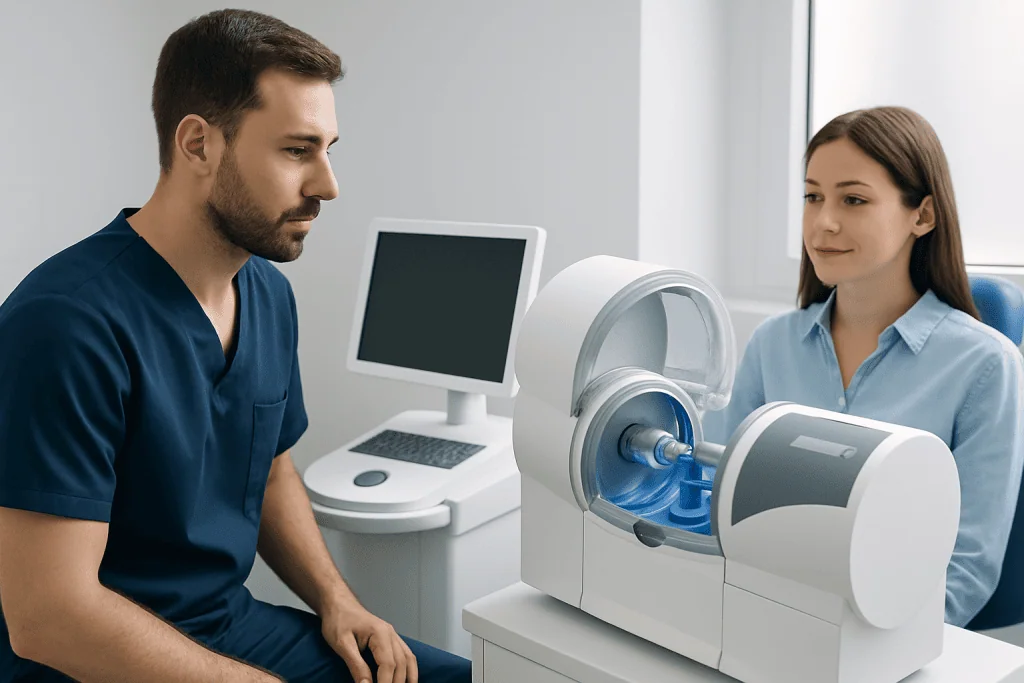
Composite bonding is a technique in which a dentist bonds a tooth-coloured resin to enamel and, where appropriate, dentine. The resin is built up in layers, sculpted to create the intended shape and hardened with a curing light. It is then adjusted and polished to blend with the surrounding teeth.
It can be used to repair small chips, soften uneven edges, close limited gaps, disguise minor irregularities and improve the appearance of teeth that are naturally small or slightly misshapen. In many cases, the dentist can preserve most or all of the natural enamel, although minimal reshaping may sometimes be needed.
Because resin can pick up stains and may wear or chip over time, it may require polishing, repair or replacement. Its longevity depends on the restoration’s size and location, bite forces, oral hygiene, diet and habits such as nail biting or biting hard objects. A dentist can explain whether a particular cosmetic concern is appropriate for bonding rather than a more extensive restoration.
What Are E-Max Crowns?
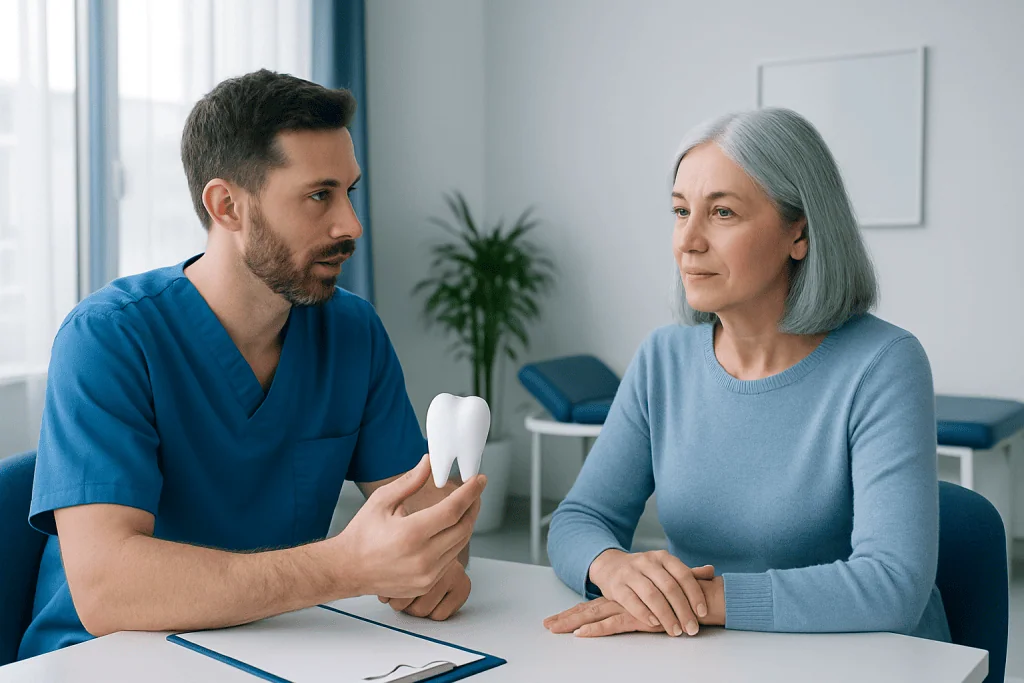
E-Max is a type of lithium disilicate ceramic valued for its natural-looking translucency and strength. An E-Max crown is fabricated to fit over a prepared tooth, restoring its shape, colour and function while covering the tooth on all sides.
Crowns may be considered when a tooth has extensive decay or damage, a large filling, significant wear, a fracture, marked discolouration that cannot be managed conservatively, or weakened structure after certain dental treatments. They are also used when a tooth needs more comprehensive protection than a small direct restoration can provide.
Placing a crown generally requires irreversible removal of some tooth structure to create room for the ceramic. The procedure commonly involves assessment and preparation, a digital or physical impression, a temporary crown when needed, and fitting of the final restoration. The dentist checks the fit, appearance and bite before permanently bonding the crown.
Key Differences: Preparation, Coverage and Appearance
The central difference is coverage. Composite bonding is placed on selected surfaces or areas of a tooth, while an E-Max crown surrounds the tooth above the gumline. This makes bonding more conservative in many straightforward cosmetic cases, but it also means it cannot provide the same overall protection for a substantially weakened tooth.
Bonding is typically completed in one appointment, although more complex cases may need additional visits. E-Max crowns are laboratory- or digitally fabricated and often require more than one visit, depending on the dental workflow. Both treatments can be colour-matched, but ceramic is generally more resistant to everyday staining than composite resin.
The right aesthetic result also depends on the surrounding teeth, gumline, lip position and facial features. For broad changes involving multiple healthy front teeth, a dentist may discuss alternatives such as laminate veneers. However, every option has benefits and limitations, including the degree of tooth preparation, repairability and maintenance required.
- Bonding: usually best for small, localised changes where adequate healthy enamel remains.
- E-Max crown: often better when a tooth needs full coverage and structural reinforcement.
- Both: require healthy gums, regular cleaning and a stable bite for the best long-term outlook.
How Dentists Decide Which Option Is Suitable
A dentist starts with a clinical examination rather than choosing treatment from appearance alone. They assess decay, cracks, previous restorations, gum health, enamel quality, tooth position and the amount of remaining tooth structure. X-rays or other imaging may be needed to examine areas that cannot be seen directly.
Bite assessment is especially important. People who clench or grind their teeth may place high forces on restorations. If bruxism is present, a protective night guard and management of contributing factors may be advised, whether the person has bonding, a crown or another restoration.
Goals and expectations matter as well. A person seeking a subtle repair of one chipped tooth may reasonably prefer bonding. Someone with a severely worn, darkened or heavily filled tooth may be better served by a crown. The dentist should discuss the likely appearance, maintenance needs, limitations, costs and alternatives before treatment begins.
Care, Durability and Everyday Habits
Both composite bonding and E-Max crowns need the same foundation of daily oral care: brushing twice a day with fluoride toothpaste, cleaning between teeth each day and attending routine dental examinations and professional cleanings. Gum inflammation and decay can still develop around the edges of any restoration.
It is helpful to avoid using teeth as tools for opening packages or biting hard items such as ice, pens or hard sweets. Highly pigmented foods and drinks, tobacco and inadequate cleaning can contribute to surface staining, particularly with composite resin. A dentist or hygienist can advise on safe polishing or cleaning approaches; abrasive home methods should be avoided.
A crown or bonded tooth that feels high when biting, becomes painful, develops a rough edge, chips, loosens or changes colour should be reviewed promptly. Early assessment can often help prevent a small issue from becoming more complex. No restoration lasts indefinitely, and eventual repair or replacement is a normal part of long-term dental care.
When to See a Dentist and Planning Treatment
A dental appointment is appropriate for chipped, cracked, worn, discoloured or uneven teeth, especially when appearance concerns affect confidence. It is important to seek timely care for tooth pain, sensitivity that persists, swelling, a loose restoration, bleeding gums or signs of decay, as cosmetic treatment should not proceed until underlying disease is managed.
Patients should ask whether the tooth can be treated conservatively, how much natural structure will need to be removed, what maintenance is expected and what could happen if treatment is delayed. A planned approach may include treating gum disease, decay or bite problems before final cosmetic work is completed.
Acibadem International’s multidisciplinary dental specialists and JCI-accredited hospitals assess and treat dental restorative needs for international patients. A personalised consultation can help determine whether bonding, an E-Max crown or another option is most appropriate for the individual tooth and overall oral health.
Frequently asked questions
Is composite bonding better than an E-Max crown?
Neither option is universally better because they address different needs. Composite bonding is often suitable for minor cosmetic changes with healthy tooth structure, while an E-Max crown may be preferred when a tooth is significantly weakened or requires full coverage. A dental examination is needed to make a safe recommendation.
Does composite bonding damage natural teeth?
Composite bonding is often considered conservative because it may require little or no removal of enamel. However, some teeth need minor shaping to achieve the intended result or create adequate space. The dentist should explain any planned changes before treatment.
Do E-Max crowns look natural?
E-Max crowns can provide a natural-looking result because the ceramic has light-transmitting properties similar to natural tooth enamel. Colour, shape and translucency are selected to harmonise with neighbouring teeth. The final appearance also depends on careful planning and the condition of the underlying tooth and gums.
Can composite bonding be used instead of a crown?
In some cases, yes, particularly when the concern is small and the tooth is structurally sound. Bonding is not always sufficient for a tooth with extensive decay, a large fracture, severe wear or a large existing restoration. Choosing a less extensive option when a tooth needs stronger coverage may increase the risk of failure.
Can an E-Max crown chip or break?
Although E-Max ceramic is strong, any dental restoration can chip, crack or loosen under excessive forces or trauma. Grinding, clenching, biting very hard objects and an uneven bite can increase risk. A dentist may recommend a protective night guard for people who grind their teeth.
How should bonding and E-Max crowns be cleaned?
They should be brushed twice daily with fluoride toothpaste and cleaned between the teeth every day. Regular check-ups and professional cleaning help the dentist monitor the restoration edges, gums and bite. Avoid abrasive whitening products unless a dentist specifically recommends them, as they may affect the surface of some restorations.
References
- American Dental Association
- NHS
- FDI World Dental Federation
- British Dental Association
This article is for general information only and is not a substitute for professional medical advice. Please consult a qualified doctor about your individual situation.
Composite Bonding in Turkey — costs, top hospitals & a free quote
JCI-accredited · board-certified surgeons · reply within 24h
Add us as a Preferred Source to see more of our trusted health content across Google Search, AI Overviews and Discover.

Dental & Oral Health
Full-scope dental care from implants and aesthetics to oral and maxillofacial surgery.
151 specialists in this unitRelated Treatments
More from the Health Library



Related Specialists

Assoc. Prof. Dr. Ferit Bayram
Oral & Dental Health
Assoc. Prof. Dr. Yeliz Çavuşoğlu Yüce
Oral & Dental Health
Assoc. Prof. Dr. Mutlu Keskin
Oral & Dental Health
Prof. Dr. Ülkü Noyan
Oral & Dental Health