Congenital Rubella Syndrome: Symptoms, Causes, and Treatment Options

Congenital rubella syndrome develops when the rubella virus passes to a baby during pregnancy, potentially causing hearing loss, cataracts, and heart defects. It is preventable through vaccination before pregnancy. Anyone who is pregnant and develops a rash or has possible rubella exposure should contact their maternity care team promptly for blood testing.
Key Takeaways
- Congenital rubella syndrome results from rubella infection during pregnancy, particularly early in fetal development.
- Possible effects include hearing loss, eye conditions, heart defects, growth concerns, and developmental differences.
- There is no treatment that removes rubella virus-related injury after birth, but many individual health needs can be treated or supported.
- Rubella-containing vaccination before pregnancy is the most effective prevention strategy.
- People who are pregnant and may have been exposed to rubella should contact their maternity care team promptly.
You had a rash during pregnancy, or someone close to you did — and now you’re wondering what it could mean for your baby. That worry is worth taking seriously, and worth answering with facts.
Congenital rubella syndrome can occur when a developing baby is exposed to rubella virus during pregnancy. It is preventable. Its effects vary widely, but early diagnosis, coordinated specialist care, and prevention through vaccination are important.
Overview: What Is Congenital Rubella Syndrome?
When a baby is exposed to the rubella virus before birth, a group of health problems can follow — that is what doctors call congenital rubella syndrome. Rubella, sometimes called German measles, is usually a mild illness in children and adults. However, infection during pregnancy can affect fetal development, especially if it occurs in the first months of pregnancy.
The possible effects are not the same for every child. Some babies have noticeable findings at birth, while others appear well initially and develop hearing, vision, growth, or developmental concerns later. The classic pattern includes hearing loss, eye disease such as cataracts, and congenital heart defects, but congenital rubella syndrome can affect several body systems.
Because rubella vaccination has greatly reduced infections in many countries, congenital rubella syndrome is now uncommon in places with high vaccine coverage. It can still occur where vaccination rates are low or when the virus is introduced through travel or outbreaks. Prevention before pregnancy and timely assessment after a possible exposure remain central to care.
How Congenital Rubella Syndrome Can Affect a Child
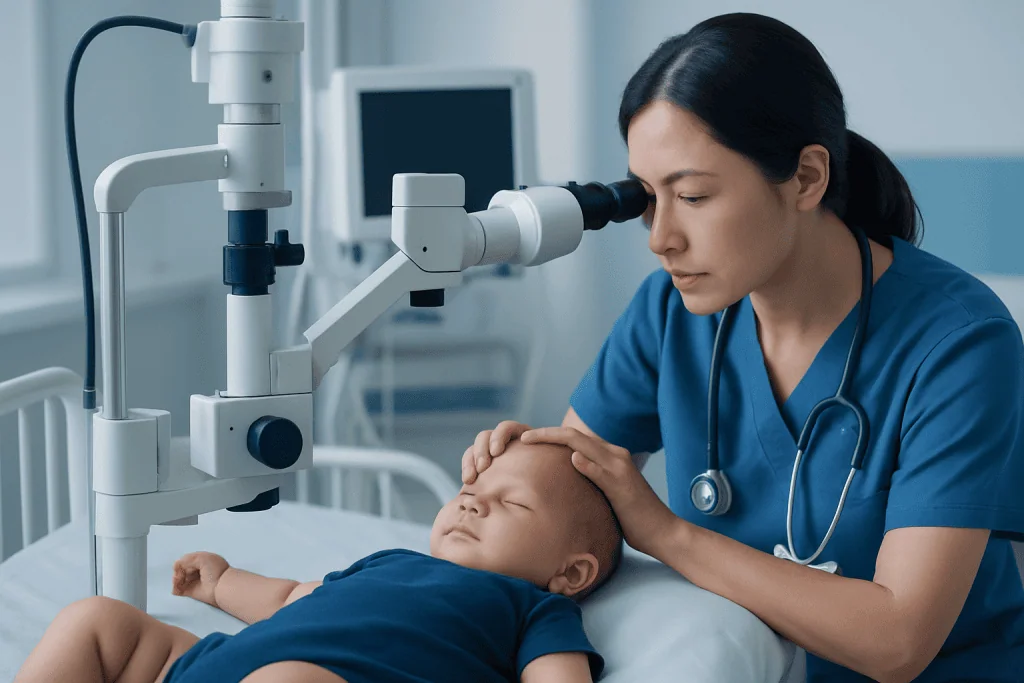
The effects range from mild to serious. Timing matters a great deal: the earlier in pregnancy the infection happens, the greater the chance of serious effects, because that is when major organs are forming. Not every rubella infection in pregnancy leads to congenital rubella syndrome — but the possible risks do need careful medical evaluation.
Hearing loss is one of the most common long-term effects and may affect one or both ears. Eye findings can include cataracts, glaucoma, pigment changes in the retina, or reduced vision. Heart conditions may include patent ductus arteriosus, pulmonary artery narrowing, or other structural differences that can require monitoring or treatment.
Some infants may also have low birth weight, a small head size, enlarged liver or spleen, jaundice, low platelet counts that can cause a purplish rash, or inflammation affecting other organs. Later concerns may include delays in speech or learning, behavioral differences, diabetes, thyroid disease, or other less common complications. Regular follow-up helps clinicians identify needs as a child grows.
Cause and Risk Factors During Pregnancy

The cause is rubella infection in the mother during pregnancy. The virus can cross the placenta and interfere with the baby’s growth and organ development. Many people never realise they have had rubella at all — symptoms can be mild, absent, or easily mistaken for another viral illness.
When symptoms occur in the pregnant person, they may include a rash, mild fever, swollen lymph nodes behind the ears or at the back of the neck, joint pain, headache, or general tiredness. These symptoms are not specific to rubella, so laboratory testing is needed to confirm or exclude infection. A rash illness during pregnancy should always be discussed with a qualified clinician.
The main risk factor is lack of immunity to rubella. Immunity is usually acquired through prior vaccination or, less commonly, previous infection. People may be more likely to encounter rubella when traveling to areas with ongoing transmission, during an outbreak, or through close contact with someone who has a rash illness. Routine pre-pregnancy and prenatal care commonly includes checking vaccination history and, where appropriate, rubella immunity.
Diagnosis Before and After Birth
If rubella exposure or illness is suspected during pregnancy, the maternity care team may arrange blood tests to look for evidence of a recent infection or immunity. The interpretation of rubella antibody tests can be complex. Timing matters, and a positive screening result does not always confirm a recent infection, so confirmatory testing and advice from infectious disease or maternal-fetal medicine specialists may be needed.
Ultrasound examinations can monitor fetal growth and look for certain structural findings, although a normal ultrasound cannot rule out congenital rubella syndrome. In selected circumstances, specialists may discuss additional testing. Decisions about testing are individualized and should include clear counseling about what each test can and cannot show.
After birth, clinicians consider the mother’s pregnancy history, the baby’s examination findings, and laboratory testing for rubella virus or antibodies. The newborn may also need hearing screening, a detailed eye examination, heart assessment with echocardiography, blood tests, and imaging or developmental assessment when indicated. Babies with confirmed or suspected infection may need infection-control precautions because they can shed the virus for an extended period.
Treatment Options and Long-Term Support
No antiviral medicine can reverse the developmental effects of congenital rubella syndrome. So care focuses on the child’s specific symptoms, on protecting health, and on supporting development. A coordinated plan may involve a pediatrician, cardiologist, audiologist, ophthalmologist, infectious disease specialist, developmental specialist, and other professionals as needed.
Heart defects may be monitored or treated with medication, catheter-based procedures, or surgery depending on their type and severity. Cataracts, glaucoma, and other eye conditions need early specialist assessment because prompt treatment may help protect vision. Hearing care may include repeat hearing assessments, hearing devices, cochlear implant evaluation for selected children, and speech and language support.
Early-intervention services can be particularly valuable for infants and young children with developmental, communication, feeding, or movement needs. These services may include physiotherapy, occupational therapy, speech-language therapy, special education support, and family counseling. Follow-up should continue beyond infancy because some effects, including hearing changes and endocrine conditions, may emerge later.
Every care plan should be built around the individual child. Ask your child’s clinicians which specialists are needed, how often monitoring should happen, and which developmental milestones to watch for. With the right medical care and educational support, many children make meaningful progress and take a full part in family and community life.
Prevention and Pregnancy Planning
Vaccination is the most effective way to prevent rubella and congenital rubella syndrome. Rubella protection is commonly provided as part of the measles, mumps, and rubella (MMR) vaccine. Public health vaccination programs protect individuals and also reduce community spread, helping safeguard people who are pregnant and cannot receive certain live vaccines during pregnancy.
People planning pregnancy can ask a clinician to review their immunization record and rubella immunity status. If vaccination is recommended, it should be given before pregnancy. Because MMR is a live attenuated vaccine, it is not routinely given during pregnancy; clinicians generally advise avoiding pregnancy for a period after vaccination according to current local guidance.
If someone is already pregnant and is found not to be immune, vaccination is usually offered after delivery rather than during pregnancy. Avoiding close contact with people known or suspected to have rubella can help during outbreaks, but exposure is not always obvious. Washing your hands well and following local public health guidance are sensible extra steps — but they are no substitute for vaccination.
Acibadem International’s multidisciplinary specialists and JCI-accredited hospitals can assess suspected congenital infections and coordinate pediatric, cardiac, hearing, and eye care for international patients when needed.
When to Seek Medical Care
A pregnant person should contact their obstetrician, midwife, or another qualified healthcare professional promptly after close contact with someone diagnosed with rubella or after developing a rash, fever, swollen lymph nodes, or joint pain. Early contact allows appropriate testing, advice, and referral without delay. It is helpful to call ahead before visiting a clinic so the team can advise on infection-control arrangements.
Parents or caregivers should seek pediatric assessment if a newborn has feeding difficulty, jaundice, an unusual purple or blue rash, breathing problems, poor weight gain, an apparent heart murmur, or concerns about vision or response to sound. These signs have many possible causes, but timely evaluation is important.
Children known or suspected to have congenital rubella syndrome should attend all recommended hearing, vision, heart, growth, and developmental appointments. New concerns such as reduced response to sound, changes in vision, delayed communication, fatigue with feeding or activity, or developmental regression should be discussed with the child’s care team.
Frequently asked questions
Can congenital rubella syndrome be cured?
There is no treatment that can remove or reverse the effects of rubella infection on fetal development after they have occurred. However, many individual concerns, including some heart, hearing, vision, and developmental needs, can be treated or supported. Ongoing specialist care helps create a plan suited to each child.
What are the first signs of congenital rubella syndrome?
Some babies may have a low birth weight, rash, jaundice, heart murmur, eye changes, or difficulty feeding. Others may have no obvious signs at birth, particularly when hearing loss or developmental differences are the main effects. This is why follow-up screening is important after suspected exposure during pregnancy.
Is rubella dangerous during every stage of pregnancy?
Rubella infection can be concerning at any point in pregnancy, but the chance of serious fetal effects is generally greatest early in pregnancy. The exact risk depends on the timing of infection and other clinical details. Anyone who may have been exposed should contact their maternity care team for individualized guidance.
Can a pregnant person receive the MMR vaccine?
The MMR vaccine is not routinely given during pregnancy because it is a live attenuated vaccine. If a person is not immune, clinicians commonly recommend vaccination after delivery. People considering pregnancy can discuss vaccination and timing with their healthcare professional beforehand.
Can congenital rubella syndrome be prevented?
Yes, vaccination against rubella before pregnancy is the most effective prevention method. Maintaining high vaccination coverage in the community also reduces the likelihood of rubella outbreaks. Checking immunization status during pre-pregnancy planning is a practical step.
Will a child with congenital rubella syndrome infect others?
Some infants with congenital rubella infection can shed the virus in body fluids for a prolonged time and may be infectious. The child’s pediatric and infectious disease teams can advise families about testing, hygiene measures, clinic visits, and contact with vulnerable people. Public health authorities may also provide guidance where required.
This article is for general information only and is not a substitute for professional medical advice. Please consult a qualified doctor about your individual situation.
Explore treatments in Turkey — costs, top hospitals & a free quote
7 JCI-accredited hospitals · board-certified surgeons · reply within 24h
Add us as a Preferred Source to see more of our trusted health content across Google Search, AI Overviews and Discover.

Medically reviewed by the Acıbadem International Medical Board — August 24, 2026
See our medical review board →
References (4)
- Congenital rubella syndrome — MedlinePlus — medlineplus.gov
- Rubella — World Health Organization — www.who.int
- Rubella (German Measles) — CDC — www.cdc.gov
- Rubella — NHS — www.nhs.uk
More from the Health Library
Shaken Baby Syndrome: Diagnosis, Outlook, and Modern Treatment Approaches

Treating Period Pain: NSAIDs, Hormones and Self-Care
Hepatoblastoma in Children: Chemotherapy, Surgery and Transplant

Cholesteatoma Is a Skin Growth in the Ear, Not a Cancer

Meningitis Stiff Neck: Symptoms, Causes, and Treatment Options