Contact Lenses for Dry Eyes: Are They Still an Option?
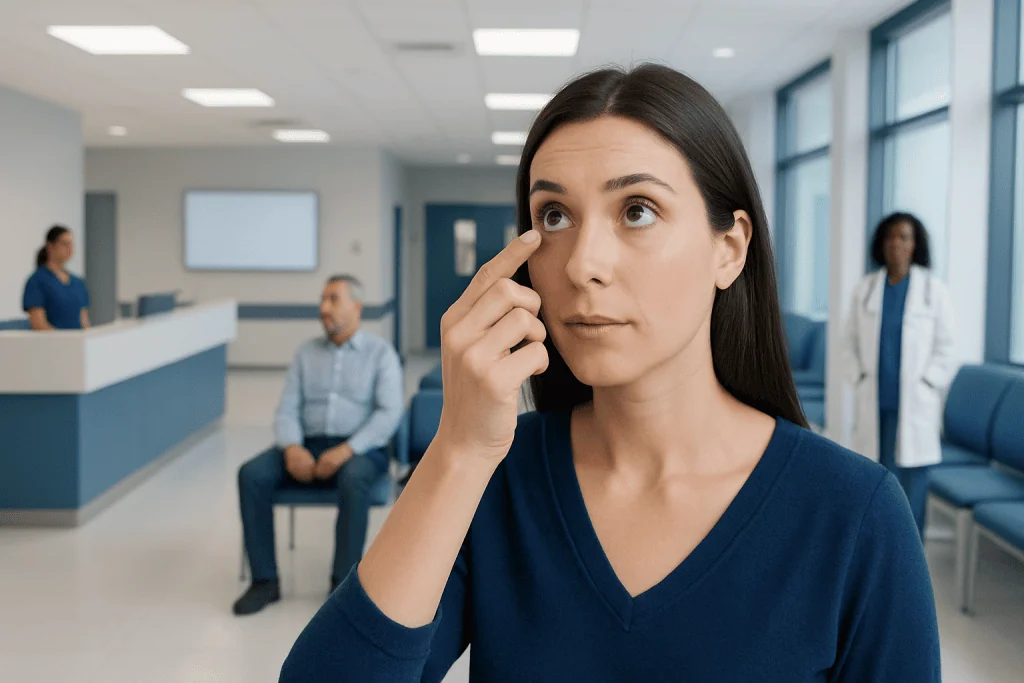
Dry eyes do not automatically rule out contact lens wear. The cause and severity of dry eye should be assessed before choosing lenses.
Key Takeaways
- Dry eyes do not automatically rule out contact lens wear.
- The cause and severity of dry eye should be assessed before choosing lenses.
- Daily disposable and soft lenses designed for moisture retention may improve comfort for some people.
- Artificial tears, lid hygiene, and changes in wear time often help reduce irritation.
- Persistent redness, pain, or blurred vision needs prompt medical evaluation.
Many people with dry eyes can still wear contact lenses, but comfort and safety depend on the cause of dryness, the type of lens, and good daily care. An eye specialist can help decide whether contact lenses remain a suitable option or whether another vision correction approach may be better.
Overview: Can People with Dry Eyes Wear Contact Lenses?
Contact lenses for dry eyes may still be possible for many people. Dry eye is a common condition in which the eyes do not make enough tears, or the tears evaporate too quickly. Because contact lenses rest on the tear film, dryness can make lenses feel uncomfortable, gritty, or difficult to tolerate. Still, having dry eyes does not always mean a person must stop wearing contacts completely.
The key question is not simply whether contact lenses can be worn, but whether they can be worn comfortably and safely. Some people do well with a change in lens material, a different replacement schedule, or a shorter wearing time. Others need treatment for the underlying dry eye problem before contact lenses become manageable again.
A thorough eye examination is important because dryness can result from several causes, including age, screen use, eyelid inflammation, medications, hormonal changes, or other eye conditions. In some cases, symptoms that seem like dry eye may actually be related to allergy, infection, or poor lens fit. A careful assessment helps guide whether contact lenses remain the best option.
Symptoms of Dry Eyes in Contact Lens Wearers
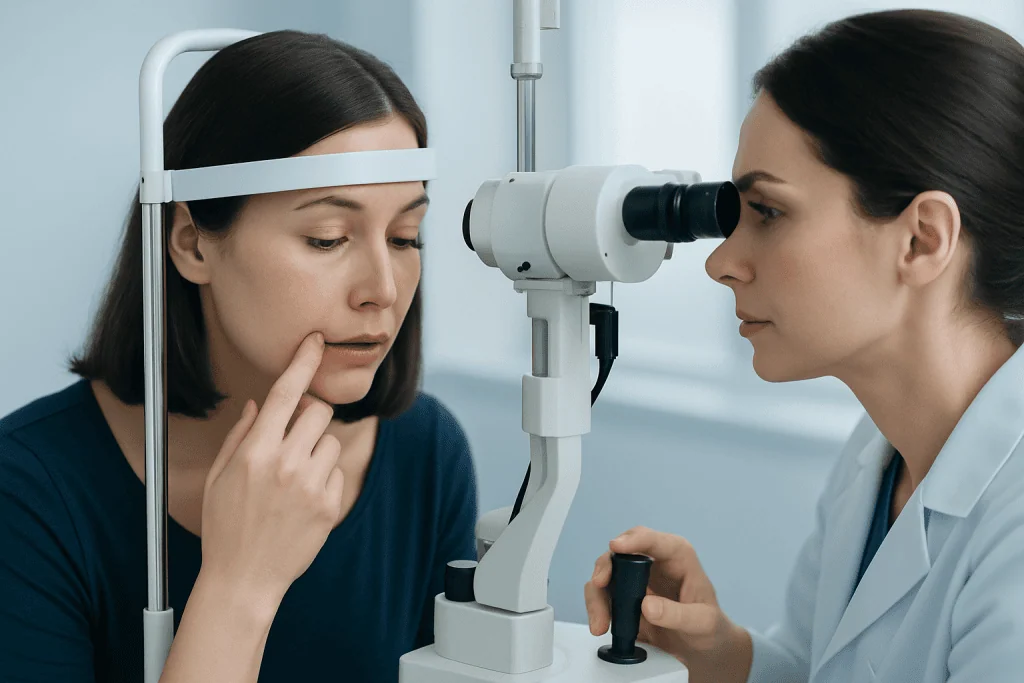
Dry eye symptoms often become more noticeable while wearing contacts because the lens can disrupt the normal tear film. A person may feel fine in the morning but develop discomfort as the day goes on. This pattern is common when tears evaporate quickly or the eyes become strained during prolonged reading or screen use.
Common symptoms include:
- Dryness or a feeling that the eyes are not well lubricated
- Burning, stinging, or irritation
- A gritty or sandy sensation
- Redness
- Blurred or fluctuating vision
- Excess tearing as a reflex response to irritation
- Lens awareness or a feeling that the lens is moving too much
- Discomfort that worsens in air conditioning, wind, or low-humidity settings
Some people also notice that lenses become harder to insert, remove, or tolerate by evening. If dryness is significant, the corneal surface can become irritated, which may increase sensitivity to light and make lens wear more difficult. Symptoms should not be ignored, especially if they are new or worsening.
Dryness may also overlap with other eye problems. For example, redness and irritation can occur with conjunctivitis or inflammation related to the eyelids and ocular surface. This is why persistent discomfort should be assessed rather than assumed to be a normal part of contact lens wear.
Why Contact Lenses Can Feel Uncomfortable with Dry Eyes

The surface of the eye depends on a stable tear film to stay smooth, clear, and comfortable. This tear film has several layers that help spread moisture, reduce evaporation, and protect the eye. Contact lenses interact directly with this tear layer. If the tear film is unstable, the lens may dry out, shift, or create friction against the eye.
Several factors can contribute to discomfort. Reduced tear production is one reason, but evaporation is also very common. Meibomian gland dysfunction, an eyelid condition that affects the oily part of tears, can lead to faster tear evaporation. Long hours of digital device use may worsen this because people tend to blink less while focusing on screens.
Lens-related factors matter too. Some materials attract deposits more easily, while some lenses dehydrate over time. A lens that fits poorly or is worn longer than recommended can increase irritation. Environmental factors such as smoke, dry indoor heating, airplane travel, and windy weather may make symptoms more noticeable.
In some people, dryness is connected to a broader eye surface condition. The cornea, eyelids, tear glands, and surrounding tissues all work together, so evaluation by a specialist in cornea and external eye disease may be helpful when symptoms are persistent or complex.
Causes and Risk Factors
Dry eye can affect anyone, but certain factors make it more likely. Age is one of the most common, as tear production often decreases over time. Hormonal changes, especially around menopause, may also play a role. Some medical conditions, including autoimmune diseases, can interfere with tear function and lead to more severe dryness.
Medications are another common contributor. Antihistamines, some antidepressants, acne treatments, and certain blood pressure medicines may reduce tear production or worsen dryness. Lifestyle and environment matter as well. Air-conditioned offices, heated indoor spaces, prolonged computer work, and low fluid intake can all aggravate symptoms.
Contact lens habits can increase risk if lenses are worn too long, cleaned improperly, or used beyond the recommended replacement schedule. Sleeping in lenses not designed for overnight use may also lead to surface irritation and inflammation. In addition, allergies and eyelid conditions can make contact lens wear less comfortable.
Sometimes dryness is linked to another eye issue that affects tears or the ocular surface. For example, tear drainage or eyelid problems may contribute in selected cases, and evaluation for conditions such as blocked tear duct problems may be relevant when symptoms and signs suggest an abnormal tear pathway.
Diagnosis: How Eye Specialists Assess Dry Eye and Lens Tolerance
Diagnosis begins with a detailed conversation about symptoms, lens wear habits, screen time, medications, and overall health. The clinician may ask when discomfort starts, whether it happens with one type of lens more than another, and what environmental situations make it worse. This history often provides valuable clues about the underlying cause.
An eye examination usually includes looking at the eyelids, tear film, conjunctiva, and cornea. The specialist may assess tear quantity and quality, examine how quickly tears break up on the eye surface, and check for surface staining that shows irritation or dryness. Lens fit, movement, and deposits may also be evaluated if the person is already wearing contacts.
Additional tests may be used depending on the case. These can help identify whether the main issue is low tear production, excessive evaporation, eyelid gland dysfunction, or inflammation. Because dry eye symptoms can overlap with refractive or ocular surface problems, a broader eye assessment may sometimes be needed, especially if there is fluctuating vision or another condition such as astigmatism affecting visual clarity.
Accurate diagnosis matters because treatment is not one-size-fits-all. Some people mainly need a different lens strategy, while others need direct treatment of dry eye before they can wear contacts comfortably again.
Treatment Options and Better Lens Choices
Treatment depends on the cause and severity of symptoms. For many people, the first steps include preservative-free artificial tears, warm compresses, eyelid hygiene, and reducing lens wearing time during flare-ups. If inflammation or eyelid disease is present, a doctor may recommend medical treatment aimed at the underlying problem. Managing the eye surface first often improves contact lens tolerance significantly.
Lens choice can make a meaningful difference. Daily disposable lenses are often recommended because a fresh lens is used each day, which may reduce deposits and irritation. Some soft lenses are specifically designed to retain moisture better. In more difficult cases, specialty lenses may be considered under expert supervision. The best option depends on tear quality, corneal shape, and the person’s daily routine.
It may also help to change lens care products, avoid preserved drops that are not approved for lens use, and review insertion and cleaning technique. People should never continue wearing lenses that cause marked pain, redness, or blurred vision. A contact lens review can determine whether the fit or material is contributing to symptoms.
For those who remain uncomfortable despite adjustments, glasses may be preferable full-time or on certain days. Some people also discuss refractive procedures such as LASIK or PRK with their eye specialist, although dry eye must be assessed carefully before considering any laser vision correction procedure.
Self-care Tips to Improve Comfort
Simple daily habits can often help reduce dryness and improve lens comfort. Taking regular screen breaks is important because blinking decreases during concentrated visual tasks. Conscious blinking, especially during computer use, can help spread tears more evenly over the eye surface. Keeping indoor air from becoming too dry may also make a difference.
Helpful self-care measures include:
- Using preservative-free lubricating eye drops if recommended by a clinician
- Following the contact lens replacement schedule exactly
- Limiting wear time when eyes feel tired or dry
- Avoiding smoke, direct fan air, and very dry environments when possible
- Staying well hydrated
- Practicing careful lens hygiene and hand washing
- Removing lenses before sleeping unless specifically approved for overnight wear
It is also sensible to alternate between glasses and contacts, especially on long workdays or during illness, allergy flares, or travel. Makeup, skincare products, and eyelid debris can sometimes worsen irritation, so keeping the eyelid margin clean may help. If a person uses over-the-counter drops, they should choose products suitable for their situation and ask an eye professional if unsure.
When dryness is ongoing, regular follow-up is helpful. An eye specialist can monitor the eye surface, update the lens plan, and look for conditions that may mimic dry eye or make it worse.
When to See a Doctor
Mild dryness that improves with brief lens breaks or lubricating drops is common, but certain symptoms need professional attention. Ongoing discomfort is not something a person should simply tolerate. Untreated dry eye and poorly fitting lenses can irritate the eye surface and increase the risk of complications.
A doctor should be consulted if there is persistent redness, pain, light sensitivity, discharge, reduced vision, or a feeling that the lens cannot be worn safely anymore. Sudden symptoms in one eye, severe discomfort, or blurred vision that does not clear after removing the lens should be assessed promptly. Contact lenses should usually be removed until medical advice is obtained.
An evaluation is also important if dryness frequently returns despite good lens care, or if over-the-counter measures are no longer helping. Sometimes a different diagnosis is found, and sometimes targeted treatment allows comfortable lens wear to continue. Near the end of the care pathway, some patients may benefit from multidisciplinary ophthalmic assessment; Acibadem International’s specialists in JCI-accredited hospitals diagnose and treat eye surface and vision problems for international patients.
The best approach is individualized. With the right diagnosis, treatment, and lens strategy, many people with dry eyes can protect their eye health and still maintain clear, comfortable vision.
Frequently asked questions
Can dry eye syndrome prevent someone from wearing contact lenses?
Not always. Many people with dry eye can still wear contact lenses if the dryness is mild or well managed and the lens type is appropriate. A professional eye exam is important to decide whether lens wear is safe and comfortable.
Which contact lenses are usually better for dry eyes?
Daily disposable lenses are often a good option because they are replaced every day and may collect fewer deposits. Some soft lens materials are also designed to maintain moisture better, but the best choice depends on the individual eye.
Do artificial tears help with contact lens dryness?
They often do, especially when dryness is mild. However, not all eye drops are suitable for use with contact lenses, so it is best to use products recommended by an eye care professional.
Is it safe to wear contact lenses all day if the eyes feel dry?
If lenses become uncomfortable, wearing them all day may not be ideal. Reducing wear time, taking breaks, and addressing the cause of dryness can help protect the eye surface and improve comfort.
Can screen time make contact lens dryness worse?
Yes. People blink less while using computers, phones, and tablets, which can make tears evaporate more quickly and increase lens discomfort. Regular breaks and conscious blinking may help.
When should a person stop wearing lenses and seek urgent care?
Lenses should be removed and prompt medical advice should be sought if there is significant pain, marked redness, light sensitivity, discharge, or sudden blurred vision. These symptoms can signal a more serious problem than simple dryness.
References
- American Academy of Ophthalmology
- National Eye Institute
- American Optometric Association
- Tear Film and Ocular Surface Society
- Mayo Clinic
This article is for general information only and is not a substitute for professional medical advice. Please consult a qualified doctor about your individual situation.
Contact Lenses in Turkey — costs, top hospitals & a free quote
JCI-accredited · board-certified surgeons · reply within 24h
Add us as a Preferred Source to see more of our trusted health content across Google Search, AI Overviews and Discover.
Check your numbers in seconds
BMI, calories, due date, blood pressure and 30+ more clinical calculators — free, instant, doctor-reviewed ranges.

Ophthalmology
Comprehensive eye care from laser vision correction to retina, cornea and cataract surgery.
75 specialists in this unit