Contact Lenses: Which Type Is Best for Your Vision Needs?

Contact lenses are available in soft, rigid gas permeable, toric, multifocal, and specialty designs. The right lens choice depends on prescription, eye health, comfort, lifestyle, and wearing habits.
Key Takeaways
- Contact lenses are available in soft, rigid gas permeable, toric, multifocal, and specialty designs.
- The right lens choice depends on prescription, eye health, comfort, lifestyle, and wearing habits.
- A professional eye examination and fitting are important for safe, effective contact lens use.
- Good hygiene and correct replacement schedules help reduce the risk of infection and irritation.
- Contact lenses are not one-size-fits-all, and a lens that works well for one person may not suit another.
Contact lenses can correct many vision problems and suit a wide range of lifestyles. The best type depends on a person’s prescription, eye shape, tear quality, comfort preferences, and how consistently lenses can be cleaned and replaced.
Overview: How Contact Lenses Help Vision
Contact lenses are thin optical devices worn directly on the surface of the eye to correct refractive errors such as nearsightedness, farsightedness, astigmatism, and age-related near vision changes. They can provide clear vision while offering a wider field of view than glasses and may be convenient for sports, work, and daily activities. For many people, they are a comfortable and effective alternative to eyeglasses.
There is no single “best” contact lens for everyone. The most suitable option depends on the person’s prescription, corneal shape, tear film, sensitivity, daily routine, and ability to follow hygiene instructions. Some lenses are designed for daily wear and disposal, while others are made for longer use under careful professional guidance.
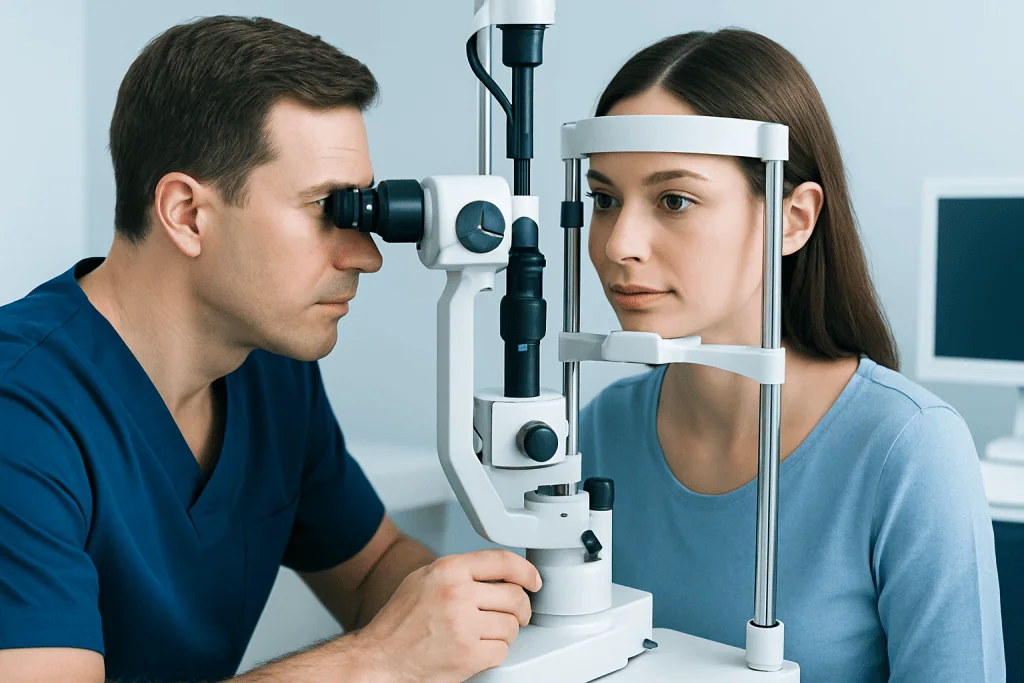
An eye specialist usually recommends a lens type after reviewing vision needs and overall eye health. A proper eye examination and fitting help ensure that the lens sits well on the eye, provides stable vision, and allows enough oxygen to reach the cornea. This process also helps reduce avoidable problems such as dryness, irritation, or poor visual quality.
Main Types of Contact Lenses
Soft contact lenses are the most commonly used type. They are made from flexible materials that contain water and are often easy to adapt to. Soft lenses come in daily disposable, biweekly, and monthly replacement schedules. Many people choose them for comfort and convenience, especially if they are new to contact lens wear.
Rigid gas permeable lenses, often called RGP or GP lenses, are smaller and firmer than soft lenses. Although they may take longer to get used to, they can provide very crisp vision and may be especially helpful for certain prescriptions or irregular corneal shapes. Because they keep their shape on the eye, they can sometimes correct vision more precisely than soft lenses.
Specialized lens designs are available for specific visual needs. Toric lenses are made for astigmatism, and some people who need this correction may also explore options related to astigmatism treatment if they want alternatives to contact lenses. Multifocal or bifocal contact lenses are designed to help people who need both distance and near correction, often due to presbyopia. Monovision, in which one eye is corrected mainly for distance and the other for near tasks, may also be considered in some cases.
There are also specialty lenses such as scleral lenses and hybrid lenses. Scleral lenses are larger lenses that rest on the white part of the eye rather than directly on the cornea. They can be helpful for people with significant dryness, irregular corneas, or certain corneal disorders. Hybrid lenses combine a rigid center with a soft outer skirt to provide a balance of sharp vision and comfort.
Which Lens May Suit Different Vision Needs?

People with simple nearsightedness or farsightedness often do well with standard soft spherical lenses. These are widely available and may be offered in daily disposable forms, which can simplify lens care. Daily lenses can be especially convenient for people who prefer a fresh pair each day or who do not want to handle cleaning solutions regularly.
For astigmatism, toric soft lenses or rigid gas permeable lenses may be recommended. Toric lenses are designed to stay in a specific orientation on the eye so that vision remains stable. If a person has high astigmatism or inconsistent visual clarity in soft lenses, a doctor may consider rigid or specialty designs for better optical performance.
For age-related near vision changes, multifocal lenses may allow a person to see at several distances without switching between glasses and contacts. These lenses can work well for many people, but the brain may need time to adjust to how the optics are distributed. In some cases, monovision or modified monovision may provide a practical solution.
People with dry eyes, allergy-related irritation, or corneal irregularities may benefit from specially selected materials or designs. Some may need lenses with higher oxygen permeability, different water content, or a smoother replacement schedule. Others may do better with scleral lenses or may need evaluation for corneal surface issues through services such as cornea and external eye disease care before wearing lenses comfortably.
Comfort, Safety, and Daily Wear Considerations
Comfort is influenced by more than lens material alone. A lens must fit the eye correctly, move appropriately with blinking, and match the wearer’s tear film and corneal shape. Even a high-quality lens can feel uncomfortable if the fit is not right. That is why lens selection should be based on a professional fitting rather than trial and error alone.
Safety depends heavily on hygiene and wear habits. Contact lenses should only be worn for the time recommended by the eye specialist and manufacturer. Sleeping in lenses not approved for overnight use, extending replacement schedules, or rinsing lenses with tap water can increase the risk of infection and inflammation. Even occasional shortcuts can affect eye health.
Screen time, air conditioning, travel, and environmental exposure can also influence comfort. Long hours of digital device use may reduce blinking and increase dryness. Lubricating drops approved for contact lens wear, regular breaks, and staying well hydrated may help. Some people find that daily disposable lenses improve comfort because they reduce deposit buildup on the lens surface.
It is also important to recognize signs that a lens should not be worn. Redness, pain, light sensitivity, blurred vision, unusual discharge, or the feeling that something is stuck in the eye should never be ignored. An eye doctor may need to rule out problems such as irritation, corneal injury, or infection, including conditions related to conjunctivitis care when symptoms overlap.
How Eye Specialists Choose the Best Contact Lens
Choosing a contact lens starts with a full eye assessment. The doctor reviews the prescription, measures the curvature of the cornea, checks the eyelids and tear film, and asks about the person’s work, hobbies, and preferences. This helps identify whether the goal is mainly convenience, sharper visual performance, occasional wear, or correction of a more complex eye condition.
A contact lens fitting often includes trial lenses placed on the eyes to assess comfort, movement, and visual clarity. The doctor may then make adjustments to lens material, base curve, diameter, or optical design. A follow-up visit is usually important because some problems only become noticeable after several hours or days of wear.
Underlying eye conditions can influence lens choice or make lens wear unsuitable until the eyes are treated. Severe dry eye, corneal disease, active allergies, eyelid inflammation, or recurrent infections may need attention first. In some people, contact lenses remain the best option; in others, glasses or refractive surgery may be discussed depending on candidacy.
For patients who are interested in reducing dependence on glasses or lenses, a specialist may explain alternatives such as LASIK or other laser-based vision correction approaches. These options are not appropriate for everyone, but they can be part of a broader conversation when a person is deciding how best to manage long-term vision needs.
Lens Care, Replacement, and Prevention of Problems
Proper care is one of the most important parts of successful contact lens use. Hands should be washed and dried before touching lenses. Unless the lenses are single-use daily disposables, they need to be cleaned and stored exactly as instructed with the recommended solution. Lens cases should also be cleaned regularly and replaced at appropriate intervals.
Replacement schedules matter. A monthly lens is not intended to be stretched into longer use, even if it still feels comfortable. Over time, deposits can build up and the lens material can change, reducing comfort and increasing the chance of inflammation. Following the prescribed schedule helps maintain lens quality and eye safety.
Water exposure should be avoided. Contact lenses should not be rinsed or stored in tap water, and they are best removed before swimming, showering, or using a hot tub unless an eye doctor has given specific advice. Water can expose the eye to microorganisms that may cause serious infection.
- Never share contact lenses with another person.
- Do not wear damaged or torn lenses.
- Replace the lens case regularly if reusable lenses are used.
- Attend routine follow-up visits even when vision seems fine.
- Remove lenses and seek advice if redness, pain, or blurred vision develops.
When to See a Doctor and Getting Expert Support
A doctor should be consulted before starting contact lenses and whenever symptoms suggest that the eyes are not tolerating them well. Sudden pain, persistent redness, discharge, reduced vision, marked light sensitivity, or the sensation of a stuck lens all need prompt medical attention. Early assessment can help prevent minor irritation from becoming a more serious corneal problem.
Regular checkups are also valuable for people who have worn lenses comfortably for years. Vision can change, the eye surface can become drier over time, and lens materials or designs may need updating. These visits help confirm that the lenses still fit properly and remain appropriate for current eye health and lifestyle needs.
People with more complex corneal or ocular surface issues may need a more specialized assessment to identify the safest way to achieve clear vision. In suitable cases, contact lens services can include advanced fittings for toric, multifocal, rigid, hybrid, or scleral lenses. If contact lenses are not ideal, an eye specialist can discuss other corrective options in a balanced way.
For international patients who need assessment or treatment, Acibadem International’s multidisciplinary eye specialists and JCI-accredited hospitals provide diagnosis and care for a wide range of vision and eye surface conditions. The most appropriate plan is always based on an individual examination, symptoms, and long-term eye health goals.
Frequently asked questions
Are contact lenses better than glasses?
Contact lenses are not inherently better than glasses; they are simply a different way to correct vision. Some people prefer them for convenience, appearance, or sports, while others find glasses easier to manage. The best choice depends on eye health, comfort, lifestyle, and personal preference.
What type of contact lens is usually easiest for beginners?
Soft daily disposable lenses are often a good starting point for beginners because they are comfortable and require less cleaning. However, the easiest option still depends on the person’s prescription and eye surface. A professional fitting helps determine the safest and most comfortable first lens.
Can contact lenses correct astigmatism?
Yes, many contact lenses can correct astigmatism. Toric soft lenses are commonly used, and rigid gas permeable lenses may also provide excellent vision in some cases. The right choice depends on the degree of astigmatism, lens stability, and comfort.
Is it safe to wear contact lenses every day?
For many people, daily contact lens wear is safe when lenses are prescribed properly and used as directed. Safety depends on good hygiene, following replacement schedules, and avoiding behaviors such as sleeping in lenses when not approved. Regular eye checkups are also important.
What should a person do if contact lenses feel dry or uncomfortable?
The lenses should be removed if discomfort persists, especially if there is redness or blurred vision. Dryness may be related to fit, material, screen time, allergies, or tear quality. An eye doctor can recommend a different lens type, wearing schedule, or supportive treatment.
Can someone sleep in contact lenses?
Only some lenses are approved for overnight wear, and even then, sleeping in lenses may increase the risk of complications. It is generally safer to remove lenses before sleeping unless an eye specialist has specifically recommended otherwise. People should always follow the exact instructions given for their lenses.
This article is for general information only and is not a substitute for professional medical advice. Please consult a qualified doctor about your individual situation.
Contact Lenses in Turkey — costs, top hospitals & a free quote
JCI-accredited · board-certified surgeons · reply within 24h
Add us as a Preferred Source to see more of our trusted health content across Google Search, AI Overviews and Discover.

Ophthalmology
Comprehensive eye care from laser vision correction to retina, cornea and cataract surgery.
75 specialists in this unitRelated Treatments
More from the Health Library

Inherited Eye Diseases: When Genetic Testing Can Help Families

Blocked Tear Duct Surgery in Children: When Is It Needed?

Dry Eye Disease: Burning, Gritty Eyes, and Treatment Options

Types of Eye Surgery for Vision Correction and Eye Health

Comprehensive Eye Checkups: What an Eye Care Center Can Detect Early