Comprehensive Eye Checkups: What an Eye Care Center Can Detect Early
A full eye exam checks eye health as well as visual clarity. Many eye conditions, including glaucoma and diabetic eye disease, may develop without early symptoms.
Key Takeaways
- A full eye exam checks eye health as well as visual clarity.
- Many eye conditions, including glaucoma and diabetic eye disease, may develop without early symptoms.
- Regular eye checkups help detect problems early, when treatment is often simpler and more effective.
- Children, older adults, people with diabetes, and those with a family history of eye disease may need closer follow-up.
- An eye care center may also detect signs of broader health issues such as high blood pressure or diabetes.
Comprehensive eye checkups do more than test vision. They can identify early signs of eye diseases, general health conditions, and changes that may threaten sight long before a person notices symptoms.
Overview: Why Comprehensive Eye Checkups Matter
Comprehensive eye checkups are detailed medical assessments of vision and eye health. They are different from basic vision screenings, which usually look only for simple problems such as reduced sharpness of sight. A full eye exam evaluates how well the eyes see, how they work together, and whether there are signs of disease affecting the front or back of the eye.
These checkups are important because many common eye conditions begin quietly. A person may see well and still have early glaucoma, retinal disease, or changes linked to diabetes or high blood pressure. Detecting problems early can help preserve vision and may reduce the need for more complex treatment later.
An eye care center may use several tools during a visit, including visual acuity testing, refraction, slit-lamp examination, eye pressure measurement, retinal evaluation, and sometimes imaging tests. In many cases, a routine eye examination provides the first clue that something needs closer monitoring or treatment.
What Happens During a Full Eye Exam
A comprehensive eye checkup is tailored to the person’s age, symptoms, medical history, and risk factors. The visit often begins with questions about blurred vision, headaches, eye strain, dryness, flashes, floaters, past eye problems, medications, and family history of conditions such as glaucoma or macular disease.
The clinician then checks visual acuity and may perform refraction to see whether glasses or contact lenses could improve vision. Eye alignment, pupil reactions, side vision, and eye movement may also be assessed. These tests can reveal not only refractive errors but also nerve, muscle, or brain-related issues that affect vision.
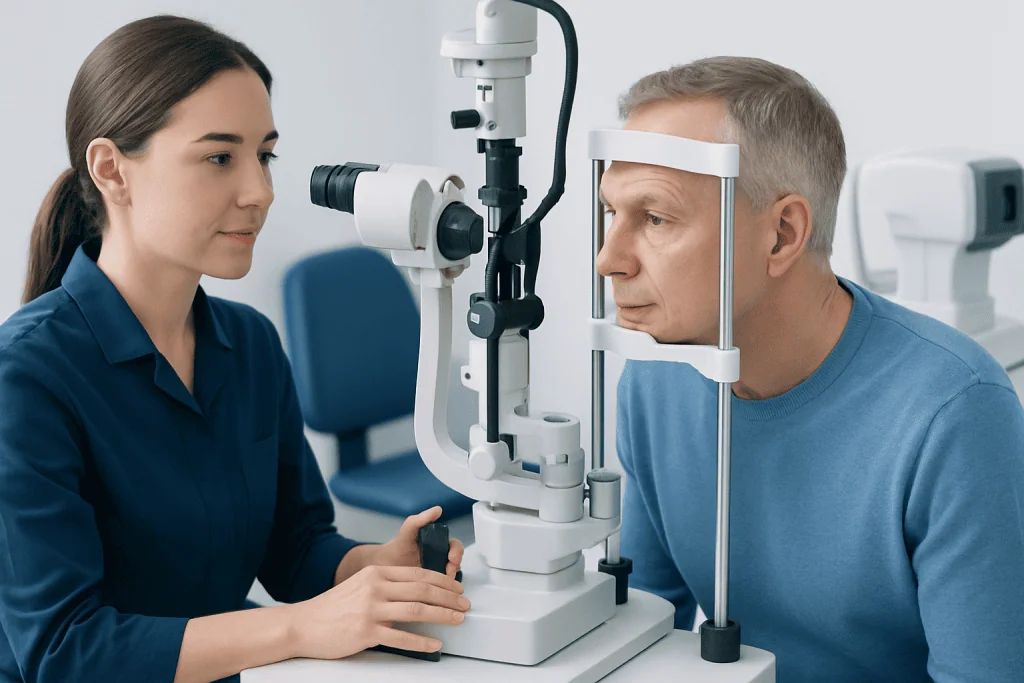
The health of the eye itself is examined using magnified light. This helps the doctor look at the eyelids, cornea, lens, and the structures at the front of the eye. The retina and optic nerve are also evaluated, often after the pupils are dilated. In some cases, imaging or specialized tests such as visual field testing or eye angiography may be recommended for a closer look.
Vision Problems and Eye Conditions That Can Be Found Early
One of the most common findings in comprehensive eye checkups is refractive error. Nearsightedness, farsightedness, and astigmatism can cause blurred vision, headaches, eye strain, and difficulty focusing. Although these are often not dangerous, correcting them can greatly improve daily comfort, learning, driving, and work performance.
Eye exams can also detect cataracts, which cause the natural lens of the eye to become cloudy over time. Early cataracts may create glare, faded color vision, or trouble seeing at night. Monitoring is often enough at first, but if vision becomes significantly affected, treatment such as cataract surgery may be discussed.
Other conditions found early may include dry eye disease, eyelid inflammation, corneal problems, blocked tear ducts, and conjunctival irritation. In children, exams may reveal eye misalignment or lazy eye that should be treated as early as possible to support visual development. Routine checks are especially valuable because some of these issues can be subtle in the beginning.
Serious Eye Diseases That May Have No Early Symptoms
Some of the most important reasons to have regular eye checkups are conditions that do not cause pain or obvious visual loss at first. Glaucoma is a leading example. It can gradually damage the optic nerve while central vision remains normal, so a person may not realize there is a problem until the disease is more advanced.
Retinal disorders can also be discovered before symptoms become severe. These include age-related macular changes, retinal tears, and diabetic damage to the small blood vessels in the eye. An exam may show swelling, bleeding, or abnormal vessels long before major vision loss occurs. Early recognition of diabetic retinopathy is especially important for people with diabetes.
Changes in the optic nerve and retina may sometimes point to more complex neurological or systemic problems. Reduced color vision, unusual visual field loss, or swelling of the optic nerve may prompt referral for neuro-ophthalmology assessment. This is one reason a comprehensive eye exam can be valuable even when symptoms seem mild.
General Health Problems an Eye Exam May Reveal
The eyes can reflect health changes happening elsewhere in the body. During a retinal exam, the clinician may see signs linked to diabetes, high blood pressure, high cholesterol, autoimmune disease, thyroid disease, or inflammatory conditions. While an eye exam does not replace medical testing, it can provide an early warning that further evaluation is needed.
For example, bleeding, swelling, or damaged blood vessels in the retina may suggest poorly controlled diabetes or hypertension. Yellowish deposits around the eyelids can sometimes be associated with lipid disorders. Dry eye and certain surface changes may occur more often in people with autoimmune conditions.
In some cases, eye symptoms can be related to migraine, medication side effects, or neurological disease. Double vision, sudden drooping of the eyelid, or visual field changes should be evaluated promptly. Because the eye offers a direct view of nerves and blood vessels, a detailed eye checkup can contribute valuable information about overall health.
Who Should Have Regular Eye Checkups and How Often
The right schedule depends on age, medical history, and risk. Children need eye assessments because vision develops rapidly in the early years, and problems such as refractive error or lazy eye can affect learning and development if missed. Adults with no known eye disease may need periodic exams even if they see well, because not all conditions cause symptoms at first.
Older adults usually benefit from more regular follow-up because the risk of cataracts, glaucoma, and macular disease rises with age. People with diabetes, high blood pressure, autoimmune disease, prior eye injury, a strong family history of eye problems, or long-term steroid use may also need more frequent monitoring.
Anyone who already has an eye condition or visual symptoms should follow the plan recommended by an eye specialist. Those considering procedures for vision correction may also need a detailed evaluation to determine whether options such as LASIK or other treatments are suitable. The best interval is individual, so it is wise to ask an eye doctor what timing fits a person’s needs.
Prevention, Self-Care, and Protecting Long-Term Vision
Although not every eye disease can be prevented, healthy habits support long-term vision. Managing blood sugar, blood pressure, and cholesterol helps protect the retina and blood vessels. Not smoking, eating a balanced diet rich in vegetables and omega-3 sources, staying physically active, and wearing UV-protective sunglasses are also sensible steps.
Daily habits matter too. Taking breaks from prolonged screen use, using good lighting, and protecting the eyes during sports or hazardous work can reduce strain and injury. People with dry eyes may benefit from humidified air, blinking regularly during screen time, and seeking advice before using frequent over-the-counter drops.
People should also avoid skipping follow-up appointments when an eye problem has already been identified. Monitoring can be just as important as treatment, especially with slow-developing conditions. Near the end of the care pathway, some patients may need advanced diagnostics, laser procedures, medical therapy, or surgery depending on what the exam finds.
When to See a Doctor Promptly
Routine eye exams are important, but some symptoms need faster medical attention. A person should seek prompt evaluation for sudden vision loss, new flashes of light, a shower of floaters, a curtain-like shadow in the field of vision, severe eye pain, significant redness, or eye injury. These symptoms can sometimes signal urgent problems that should not wait for a routine appointment.
Persistent blurred vision, increasing glare, difficulty driving at night, double vision, recurring headaches with visual changes, or worsening eye discomfort also deserve professional assessment. Even if the cause is not serious, it is safer to have symptoms checked rather than assume they will pass.
For patients seeking coordinated care, Acibadem International’s multidisciplinary specialists and JCI-accredited hospitals diagnose and treat eye conditions for international patients. A comprehensive eye checkup can be the starting point for timely diagnosis, personalized follow-up, and referral to the right specialist when needed.
Frequently asked questions
What is the difference between a vision screening and a comprehensive eye checkup?
A vision screening is a basic test that usually checks whether a person can see clearly at a distance or near. A comprehensive eye checkup is more detailed and assesses eye health, eye pressure, the retina, the optic nerve, and other structures that can show early disease.
Can eye diseases be present even if vision seems normal?
Yes. Several important eye conditions, including glaucoma and early diabetic eye disease, may not affect vision noticeably at first. That is why routine checkups are valuable even when a person does not have symptoms.
How often should adults have an eye exam?
There is no single schedule that fits everyone. The ideal timing depends on age, symptoms, glasses use, medical conditions, medications, and family history, so an eye doctor should recommend the most suitable interval.
Can an eye exam detect health problems outside the eye?
Sometimes it can. Changes in the retina or blood vessels may suggest conditions such as diabetes, high blood pressure, or other systemic diseases, which is why eye findings sometimes lead to further medical testing.
Are dilating drops always necessary during an eye checkup?
Not always, but they are often helpful because they allow a clearer view of the retina and optic nerve. The clinician decides whether dilation is needed based on the purpose of the exam, symptoms, and individual risk factors.
What symptoms should never be ignored?
Sudden vision loss, flashes, many new floaters, severe pain, marked redness, double vision, or injury should be assessed promptly. These symptoms may be caused by problems that need urgent treatment to protect sight.
This article is for general information only and is not a substitute for professional medical advice. Please consult a qualified doctor about your individual situation.
Explore treatments in Turkey — costs, top hospitals & a free quote
JCI-accredited · board-certified surgeons · reply within 24h
Add us as a Preferred Source to see more of our trusted health content across Google Search, AI Overviews and Discover.
Check your numbers in seconds
BMI, calories, due date, blood pressure and 30+ more clinical calculators — free, instant, doctor-reviewed ranges.

Related Treatments
More from the Health Library

Laser Eye Surgery: What It Treats and How It Works
Pink Eye at Home: How to Care for Conjunctivitis and Avoid Spread

Contact Lenses: Which Type Is Best for Your Vision Needs?

When to See an Eye Doctor for Sudden Vision Changes
Chalazion and Stye: Eyelid Lumps and Treatment Options