Cataracts: Symptoms, Diagnosis, and Surgery Explained

Cataracts usually develop slowly and may cause blurred vision, glare, faded colors, and difficulty seeing at night. Ageing is the most common cause, but diabetes, eye injury, long-term steroid use, smoking, and ultraviolet exposure can increase risk.
Key Takeaways
- Cataracts usually develop slowly and may cause blurred vision, glare, faded colors, and difficulty seeing at night.
- Ageing is the most common cause, but diabetes, eye injury, long-term steroid use, smoking, and ultraviolet exposure can increase risk.
- An eye specialist diagnoses cataracts with a comprehensive eye examination, including visual acuity and slit-lamp testing.
- Surgery is the only effective treatment for cataracts that significantly affect vision, and it involves replacing the cloudy lens with an artificial intraocular lens.
- Not every cataract needs immediate surgery; the right time depends on symptoms, lifestyle needs, and the health of the eye.
- Regular eye checks and healthy lifestyle choices can help detect cataracts early and protect overall eye health.
Cataracts are a common eye condition in which the normally clear lens becomes cloudy, causing gradual changes in vision. With proper diagnosis and modern cataract surgery, many people can safely improve their sight and daily quality of life.
Overview
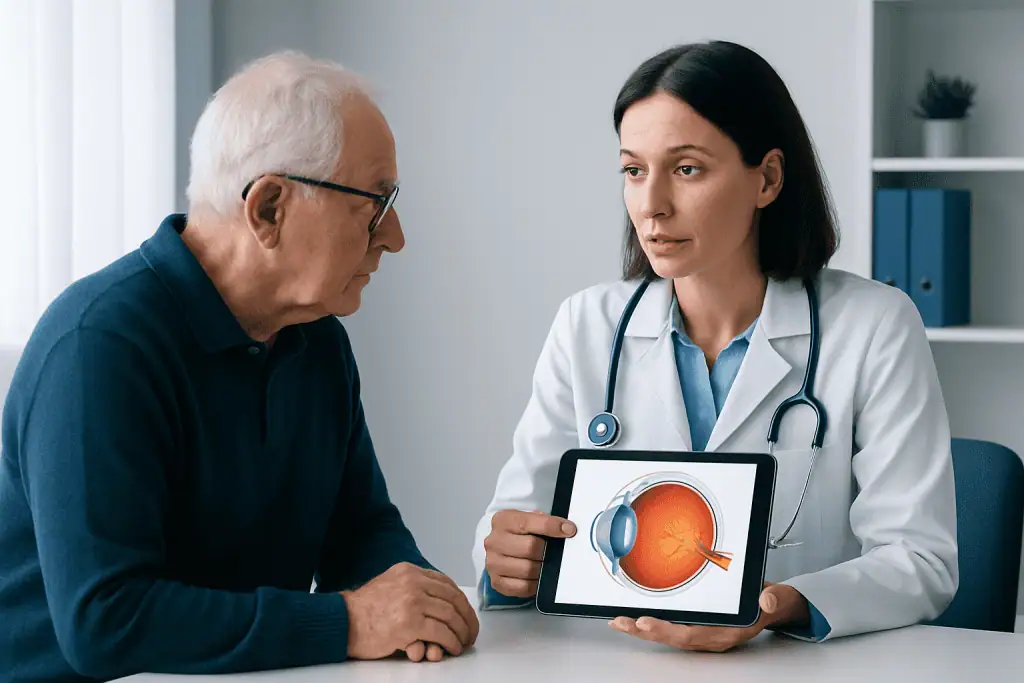
A cataract is a clouding of the eye’s natural lens. The lens sits behind the colored part of the eye, called the iris, and helps focus light onto the retina so the brain can create a clear image. When the lens becomes cloudy, light cannot pass through as sharply, and vision may become blurred, dim, or hazy.
Cataracts are very common, especially with ageing. They often develop gradually over years, so early changes may be subtle. Some people first notice that they need more light to read, feel uncomfortable with glare, or find that their glasses no longer seem to work as well as before.
Although cataracts can affect one or both eyes, they do not spread from one eye to the other. The condition is not a film growing over the eye, and it is not usually painful. When cataracts begin to interfere with everyday activities, cataract surgery can replace the cloudy lens with a clear artificial lens, called an intraocular lens.
Cataract Symptoms
Cataract symptoms usually appear slowly and may vary depending on the type and location of the cataract. In the early stages, a person may have only mild blurring or may need a new glasses prescription more often than usual. As the cataract progresses, vision can become less reliable for reading, driving, working, or recognizing faces.
Common symptoms of cataracts include:
- Cloudy, blurry, dim, or misty vision
- Increased sensitivity to bright light or glare
- Difficulty seeing clearly at night, especially while driving
- Halos around lights
- Faded, yellowed, or less vivid colors
- Double vision in one eye
- Frequent changes in glasses or contact lens prescription
- Needing brighter light for reading or close work
Cataracts do not usually cause sudden complete vision loss, significant eye redness, or severe eye pain. Symptoms such as sudden loss of vision, flashing lights, new floaters, or intense pain may suggest another eye problem and should be assessed urgently by an eye care professional.
Causes and Risk Factors
The most common cause of cataracts is natural ageing. Over time, proteins within the lens can break down and clump together, making the lens less transparent. This process may begin in middle age but often becomes more noticeable later in life.
Some cataracts develop earlier or progress faster because of medical conditions, environmental exposure, or eye-related factors. Risk factors include diabetes, smoking, long-term exposure to ultraviolet sunlight, previous eye injury or inflammation, prior eye surgery, and long-term use of corticosteroid medicines. Family history can also play a role.
Cataracts can also be congenital, meaning present at birth, or they may develop during childhood. These cases are less common and require careful evaluation because a child’s visual development can be affected if a significant cataract is not treated appropriately.
Having one or more risk factors does not mean a person will definitely develop cataracts. However, regular eye examinations are especially important for people with diabetes, a history of eye disease, or symptoms that interfere with daily vision.
How Cataracts Are Diagnosed
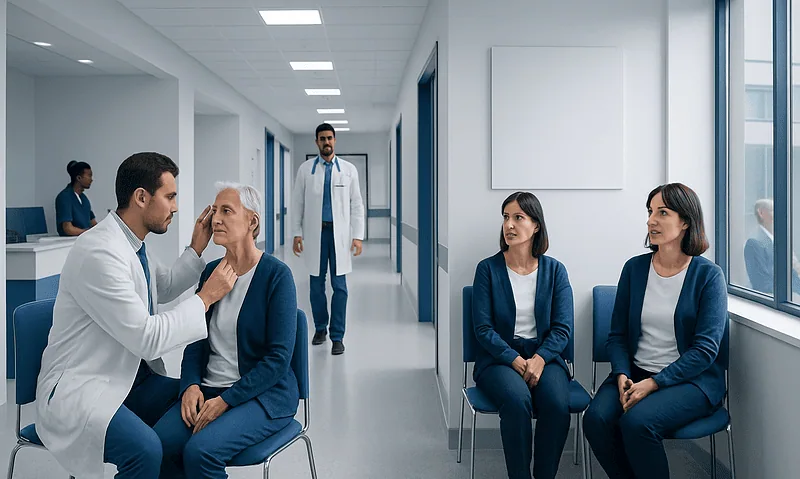
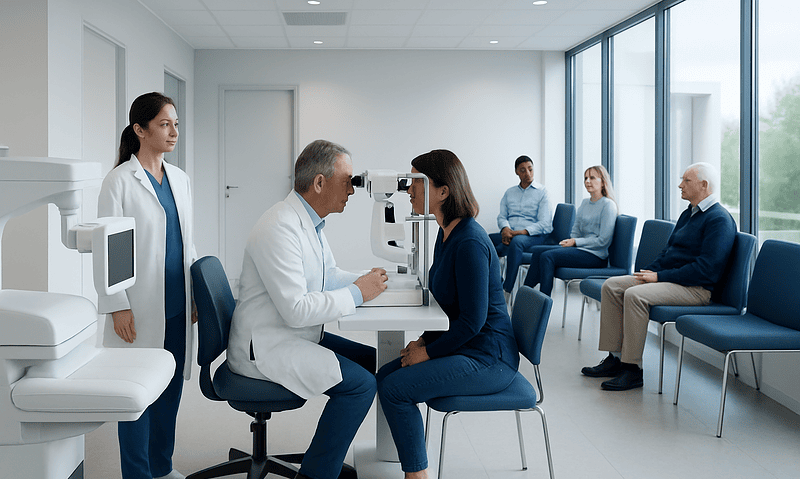
Cataracts are diagnosed through a comprehensive eye examination by an ophthalmologist or qualified eye care professional. The doctor will ask about symptoms, medical history, medications, previous eye conditions, and how vision changes affect daily activities such as reading, driving, or using a computer.
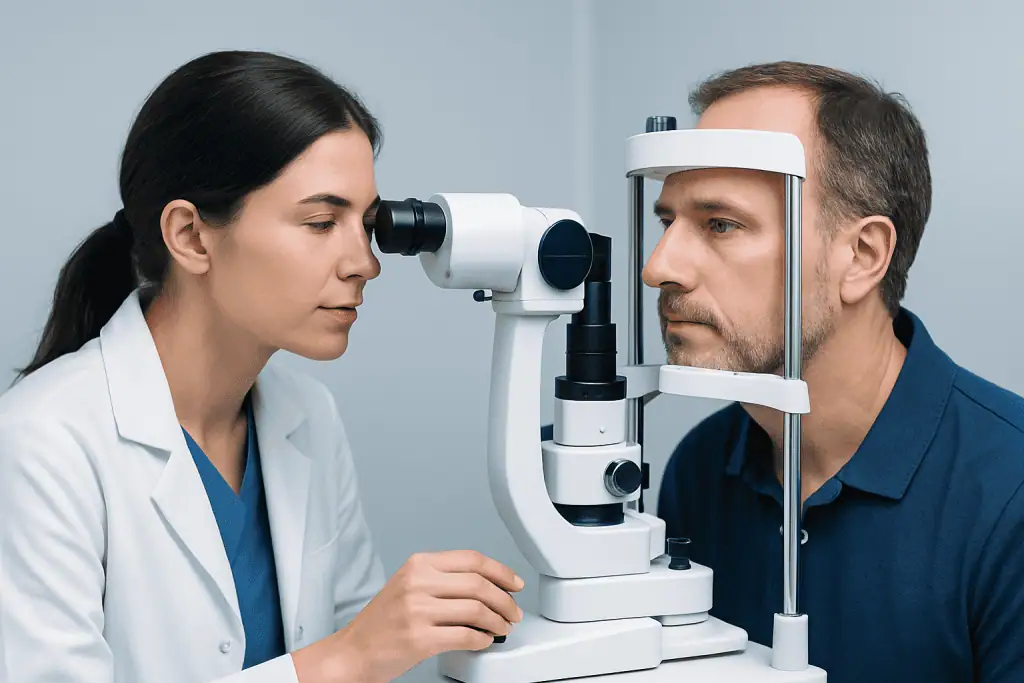
Several tests may be used to evaluate cataracts and overall eye health. Visual acuity testing measures how clearly a person sees at different distances. A slit-lamp examination allows the doctor to view the lens and other structures of the eye under magnification. Dilated eye examination helps assess the retina and optic nerve at the back of the eye.
Additional measurements may be performed if surgery is being considered. These can include eye pressure testing and biometry, which measures the eye to help select the most suitable power for the intraocular lens. The doctor may also check for other conditions, such as glaucoma, macular degeneration, or diabetic eye disease, because these can influence treatment planning and expected visual outcome.
Treatment Options and Cataract Surgery
In early cataracts, treatment may be as simple as updating glasses, using brighter lighting, wearing anti-glare sunglasses, or using magnifying aids for reading. These steps can help for a time, but they do not remove the cataract. No eye drops, exercises, or supplements have been proven to reverse an established cataract.
When cataracts make everyday tasks difficult or unsafe, surgery is the main treatment. Cataract surgery involves removing the cloudy natural lens and replacing it with a clear artificial intraocular lens. The procedure is usually performed on one eye at a time, often using local anesthesia with eye drops or a small injection, and many patients go home the same day.
The most common technique is phacoemulsification, in which the surgeon uses ultrasound energy to break up the cloudy lens and remove it through a small incision. An intraocular lens is then placed inside the eye. Different types of lenses may be available, including monofocal lenses and, for selected patients, lenses designed to reduce dependence on glasses for certain distances. The choice depends on eye health, lifestyle, visual goals, and the doctor’s assessment.
As with any procedure, cataract surgery has potential risks, such as infection, bleeding, inflammation, increased eye pressure, retinal problems, or the need for additional treatment. Serious complications are uncommon, but they are important to discuss. A clear preoperative evaluation and realistic expectations help each patient make an informed decision.
Recovery and Aftercare
Recovery after cataract surgery is usually gradual over days to weeks. Vision may be brighter soon after surgery, but mild blurring, watering, or a scratchy sensation can occur while the eye heals. The doctor will provide eye drops to reduce inflammation and lower the risk of infection, and these should be used exactly as prescribed.
Patients are commonly advised to avoid rubbing the eye, swimming, dusty environments, and heavy lifting for a short period after surgery. A protective shield may be recommended while sleeping during the early healing phase. Follow-up visits are important so the surgical team can check vision, eye pressure, wound healing, and the position of the intraocular lens.
Most people still need some type of glasses after cataract surgery, especially for reading, depending on the lens chosen and the eye’s focusing needs. If the second eye also has a cataract, surgery may be planned later after the first eye has healed and the doctor has reviewed the result.
Prevention and Self-Care
Not all cataracts can be prevented, especially those related to ageing. However, healthy habits may help protect the eyes and support overall vision. Wearing sunglasses that block ultraviolet light, using a wide-brimmed hat in strong sun, and avoiding smoking are practical steps for long-term eye health.
Managing chronic conditions is also important. People with diabetes should follow medical advice to keep blood sugar, blood pressure, and cholesterol under control, as diabetes can affect both the lens and the retina. Medicines such as corticosteroids should be used only as directed, and any concerns about long-term use should be discussed with the prescribing doctor rather than stopped suddenly.
A balanced diet rich in vegetables, fruits, and other nutrient-dense foods supports general health, including the eyes. Regular eye examinations are one of the best ways to detect cataracts early, monitor progression, and identify other eye diseases that may not cause symptoms at first.
When to See a Doctor
A person should schedule an eye examination if vision becomes cloudy, colors seem faded, glare is troublesome, or night driving becomes difficult. It is also sensible to seek assessment when frequent glasses changes no longer improve vision as expected. Early evaluation can confirm whether cataracts are the cause or whether another eye condition is present.
Urgent medical attention is needed for sudden vision loss, severe eye pain, new flashes or floaters, a curtain-like shadow in the vision, or eye redness with nausea. These symptoms are not typical of routine cataract progression and may require prompt treatment.
People considering cataract surgery should discuss benefits, risks, lens options, recovery expectations, and any other eye conditions with an ophthalmologist. Acibadem International’s multidisciplinary specialists and JCI-accredited hospitals diagnose and treat cataracts for international patients, with care planning based on individual eye health and medical needs.
Frequently asked questions
Are cataracts a normal part of ageing?
Cataracts are very common as people get older, but they are not limited to older adults. Some cataracts can occur earlier due to diabetes, eye injury, certain medications, or other risk factors. Regular eye examinations help detect cataracts and monitor how much they affect vision.
Can cataracts be treated without surgery?
Early cataract symptoms may be managed with stronger lighting, updated glasses, anti-glare lenses, or magnifying aids. These measures can improve comfort but do not remove the cataract. Surgery is the only proven way to remove a cataract that significantly affects vision.
When is the right time to have cataract surgery?
The right time is usually when cataracts interfere with daily activities such as reading, driving, work, hobbies, or independent living. Surgery may also be recommended if the cataract prevents the doctor from examining or treating other eye diseases. The decision should be made after a full eye examination and discussion with an ophthalmologist.
Is cataract surgery painful?
Cataract surgery is typically performed with anesthesia to numb the eye, so patients usually feel little or no pain during the procedure. Some pressure, light, or mild discomfort may be noticed. After surgery, temporary scratchiness or irritation can occur and is usually managed with prescribed drops and follow-up care.
Will cataracts come back after surgery?
A removed cataract does not grow back because the cloudy natural lens has been replaced with an artificial lens. However, some people develop cloudiness of the thin capsule that holds the lens implant, sometimes called posterior capsule opacification. This can usually be treated with a quick laser procedure if it affects vision.
Will glasses still be needed after cataract surgery?
Many people need glasses for some activities after cataract surgery, especially reading or fine close work. The need for glasses depends on the type of intraocular lens, the eye’s measurements, and whether there is astigmatism or another eye condition. Lens options should be discussed before surgery so expectations are clear.
This article is for general information only and is not a substitute for professional medical advice. Please consult a qualified doctor about your individual situation.
Cataracts in Turkey — costs, top hospitals & a free quote
JCI-accredited · board-certified surgeons · reply within 24h
Add us as a Preferred Source to see more of our trusted health content across Google Search, AI Overviews and Discover.

Ophthalmology
Comprehensive eye care from laser vision correction to retina, cornea and cataract surgery.
75 specialists in this unitRelated Treatments
More from the Health Library

PRK Recovery Timeline: Healing Stages, Aftercare, and Side Effects

Amblyopia: Lazy Eye in Children and Early Treatment

How Much Is LASIK? What Patients Should Expect to Pay
Eye Laser Vision Correction: Types, Benefits, and Recovery
Femto LASIK: Who Is a Good Candidate and What Results to Expect