How Much Is LASIK? What Patients Should Expect to Pay

There is no universal LASIK price; costs depend on individual eye findings and treatment planning. A low advertised price may not include testing, medications, enhancement policies, or follow-up visits.
Key Takeaways
- There is no universal LASIK price; costs depend on individual eye findings and treatment planning.
- A low advertised price may not include testing, medications, enhancement policies, or follow-up visits.
- The best value comes from safety, suitability, experience, and clear cost transparency rather than price alone.
- A full eye examination is needed before a reliable LASIK quote can be given.
- Some patients may be better suited to alternatives such as PRK or SMILE, which can affect total cost.
LASIK pricing can vary widely, so there is no single fee that applies to every patient. The final cost usually depends on the eye examination, the laser technology used, the surgeon’s expertise, and whether extra tests, medications, or follow-up care are included.
Overview: What Determines LASIK Cost?
When patients ask, “How much is LASIK?”, the most accurate answer is that the cost varies. LASIK is not a one-size-fits-all procedure. The final price depends on the person’s prescription, corneal thickness and shape, overall eye health, the type of laser platform used, and the clinic’s preoperative and postoperative care pathway.
In many clinics, pricing is quoted per eye rather than as one total figure. This can make comparisons confusing, especially if advertisements highlight a starting price without explaining what is included. Patients may also see different fees based on whether they are having standard treatment or a more customized laser approach.
It is also important to understand that LASIK cost reflects more than the laser treatment itself. The fee may include the initial consultation, detailed imaging, the surgery, medications, protective eye shields, and follow-up appointments. In other cases, some of these services are billed separately, which can change the total amount a patient pays.
What Is Usually Included in the Price?
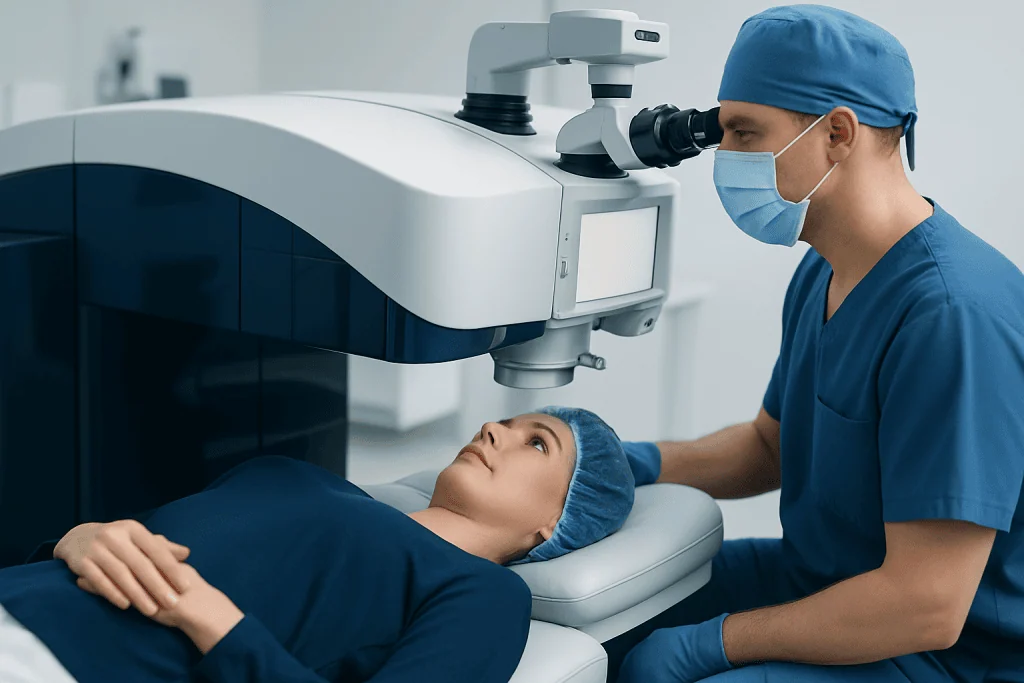
A clear cost discussion should explain exactly what the LASIK fee covers. A typical package may include a comprehensive eye examination, corneal mapping, refraction testing, surgical planning, the LASIK procedure itself, and several postoperative visits. Prescribed eye drops and protective supplies may or may not be part of the package.
Some clinics also include a short-term enhancement policy. This means that if a small residual refractive error remains after healing and the eyes are suitable for additional treatment, part or all of the follow-up laser correction may be covered. Policies differ, so patients should ask how long this coverage lasts and what conditions apply.
Helpful questions to ask include:
- Is the price quoted per eye or for both eyes?
- Does the fee include all preoperative tests?
- Are medications and follow-up visits included?
- Is there an added cost for customized or wavefront-guided treatment?
- What happens if enhancement treatment is needed later?
Understanding these details helps patients compare clinics fairly. A higher upfront quote may actually be more transparent and complete than a lower advertised price with multiple extra charges added later.
Why Prices Can Differ Between Clinics and Countries
LASIK fees often vary because healthcare systems, surgeon experience, and technology levels differ from one place to another. Clinics using newer laser platforms, advanced eye-tracking systems, and highly individualized planning may charge more than centers offering more basic treatment pathways. The cost of maintaining surgical equipment and safety standards also contributes to pricing.
Location matters as well. In large cities or well-known international medical centers, operating costs may be higher. Patients considering treatment abroad may find different price ranges, but they should compare more than the procedure fee alone. Travel, accommodation, translation support, and arrangements for follow-up care can all affect the total expense.
Surgeon expertise is another major factor. A specialist with extensive refractive surgery experience may charge more, but patients often value this as part of the overall safety and decision-making process. In laser vision correction, the quality of patient selection and planning is just as important as the laser itself.
Factors That May Increase or Change the Total Cost
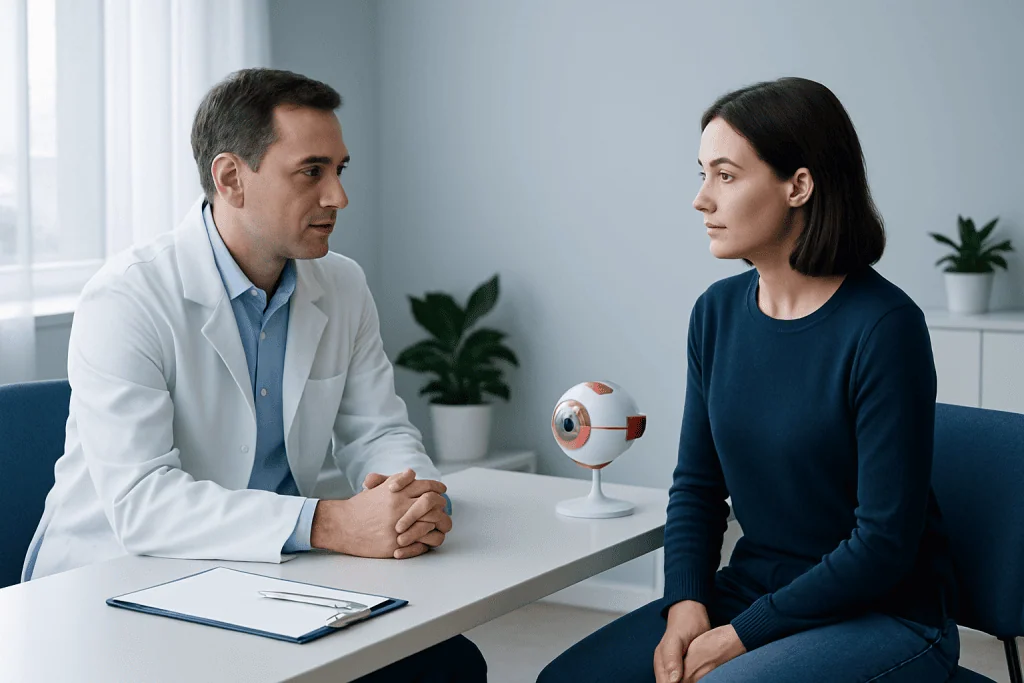
Not every patient is an ideal candidate for standard LASIK. Some people need extra diagnostic testing because of dry eye, borderline corneal thickness, irregular corneal shape, large pupils, or a complex prescription. These findings can influence both suitability and price, since they may require more specialized planning or point to a different treatment option.
The type of refractive problem also matters. Myopia, hyperopia, and astigmatism can each affect the treatment plan. Patients with higher prescriptions may need more detailed counseling about expected results, healing, and whether LASIK is the best choice. If the cornea is too thin or the surface shape is not ideal, alternatives may be discussed instead.
In some cases, another laser vision correction procedure may be more appropriate, such as PRK or LASEK or ReLEx SMILE. These alternatives have different techniques, recovery patterns, and pricing structures. That is why a precise quote should only be given after a full assessment rather than from a brief online inquiry alone.
How Clinics Assess Candidacy Before Giving a Quote
Before a clinic can provide a reliable LASIK estimate, it needs to confirm whether the patient is a suitable candidate. This usually begins with a review of age, prescription stability, contact lens use, medical history, and symptoms such as dry eyes or night glare. Patients who wear contact lenses are often asked to stop using them for a period before testing so the cornea can return to its natural shape.
The preoperative assessment typically includes refraction, corneal topography, pachymetry to measure corneal thickness, tear film evaluation, pupil measurement, and a dilated eye examination. These tests help the surgeon decide whether LASIK is appropriate and which treatment profile would be safest and most effective.
If the exam shows concerns such as significant dry eye, corneal irregularity, lens changes, or another eye condition, the patient may be advised to delay surgery or choose another approach. For example, if reduced vision is related more to lens clouding than refractive error, the discussion may shift toward cataract surgery rather than corneal laser treatment. This is one reason a trustworthy clinic does not promise a fixed LASIK price before proper evaluation.
How to Compare LASIK Quotes Wisely
Choosing LASIK based only on the lowest price can be misleading. A better approach is to compare clinics in terms of safety standards, doctor qualifications, diagnostic thoroughness, technology, patient communication, and aftercare. A transparent quote should be easy to understand and should explain both what is included and what may involve additional charges.
Patients may find it useful to ask whether the clinic performs enough testing to rule out conditions that can make LASIK unsafe, such as corneal weakness or untreated ocular surface disease. They can also ask how often the surgeon performs refractive procedures and what kind of postoperative follow-up is available if they are returning home after treatment.
It may help to request a written cost breakdown covering consultation, imaging, surgery, medicines, and follow-up visits. If one clinic appears much less expensive than another, the difference may relate to package inclusions, the laser platform, or the complexity of the patient’s prescription rather than to the surgery alone.
Payment, Recovery Costs, and Long-Term Value
In many countries, LASIK is considered an elective procedure, so insurance coverage is limited or unavailable. Some clinics offer installment plans or staged payment options, but availability depends on local regulations and the provider’s policies. Patients should ask about payment timing, cancellation terms, and whether there are additional fees if surgery is postponed after the assessment.
There may also be indirect costs to consider. Patients may need time away from work, transportation on the day of surgery, and temporary use of lubricating drops or other medications during recovery. While these expenses are usually modest compared with the procedure fee, they are part of the overall budget.
From a long-term perspective, some people compare LASIK with the ongoing cost of glasses, prescription sunglasses, and contact lenses. Even so, LASIK should not be viewed only as a financial decision. The most important question is whether the procedure is safe and suitable for the individual patient’s eyes.
When to Book a Consultation
A consultation is the best next step for anyone seriously considering laser vision correction. Patients should book an assessment if their glasses or contact lens prescription has been stable, they want to understand whether they are eligible, or they would like a personalized explanation of likely costs and outcomes. A proper consultation can clarify not just price, but also which procedure, if any, is the right fit.
Patients should also seek specialist advice if they have symptoms such as persistent dry eye, fluctuating vision, eye inflammation, previous eye injury, or a history of corneal disease. These issues do not automatically rule out treatment, but they need careful evaluation before surgery is planned.
For international patients, choosing a center with coordinated ophthalmology, diagnostics, and follow-up planning can make the process smoother. Acibadem International’s multidisciplinary specialists and JCI-accredited hospitals diagnose and treat eye conditions, including refractive errors and laser vision correction needs, for international patients.
Frequently asked questions
How much is LASIK on average?
There is no single average price that applies everywhere because LASIK fees vary by country, clinic, surgeon, and technology. The most accurate way to learn the expected cost is to have a full eye assessment and request a written quote.
Why do some clinics advertise very low LASIK prices?
A low advertised price may represent a starting fee, a per-eye cost, or treatment for only a limited prescription range. It may also exclude testing, medications, follow-up visits, or enhancement coverage, so patients should ask for a detailed breakdown.
Does LASIK cost more for astigmatism or stronger prescriptions?
It can, depending on the clinic and the type of customized treatment needed. More complex refractive errors may require additional planning or a different procedure, which can influence the final price.
Is the cheapest LASIK option the best value?
Not necessarily. Good value in LASIK comes from careful patient selection, experienced specialists, modern diagnostics, clear aftercare, and transparent pricing rather than the lowest number alone.
What if I am not a good candidate for LASIK?
If LASIK is not suitable, an eye specialist may discuss alternatives such as PRK, LASEK, SMILE, or another treatment approach. The right choice depends on corneal measurements, prescription type, eye surface health, and overall examination findings.
Are follow-up visits included in LASIK pricing?
Sometimes they are, but not always. Patients should confirm how many postoperative visits are included, whether medications are covered, and what the policy is if additional treatment is needed.
This article is for general information only and is not a substitute for professional medical advice. Please consult a qualified doctor about your individual situation.
LASIK in Turkey — costs, top hospitals & a free quote
JCI-accredited · board-certified surgeons · reply within 24h
Add us as a Preferred Source to see more of our trusted health content across Google Search, AI Overviews and Discover.

Related Treatments
More from the Health Library

Cataract Surgery: Step-by-Step Procedure and Lens Choices

Cataract Surgery vs Refractive Lens Exchange: Which Is the Better Option?
Neuro-Ophthalmology: When Vision Problems May Be Linked to the Brain or Nerves

Dry Eye Disease: Burning, Gritty Eyes, and Treatment Options

Contact Lenses: Who Is a Good Candidate and What Are the Limits?