PRK Recovery Timeline: Healing Stages, Aftercare, and Side Effects

Most discomfort is greatest during the first 3 to 5 days after PRK and improves as the corneal surface heals. Vision is often blurry at first and usually becomes steadier over several weeks, with subtle changes possible for months.
Key Takeaways
- Most discomfort is greatest during the first 3 to 5 days after PRK and improves as the corneal surface heals.
- Vision is often blurry at first and usually becomes steadier over several weeks, with subtle changes possible for months.
- Eye drops, rest, UV protection, and avoiding eye rubbing are important parts of PRK aftercare.
- Dry eye, glare, halos, and light sensitivity are common temporary side effects during recovery.
- Prompt medical advice is important if pain suddenly worsens, vision drops, or signs of infection appear.
PRK recovery timeline involves several healing stages, from early discomfort in the first few days to clearer, more stable vision over weeks to months. Knowing what to expect and following aftercare instructions can help support healing and reduce common side effects.
Overview of the PRK Recovery Timeline
Photorefractive keratectomy, or PRK, is a type of laser vision correction that reshapes the cornea to improve how light focuses on the retina. Unlike LASIK, PRK does not involve creating a corneal flap. Instead, the thin outer layer of the cornea, called the epithelium, is removed so the laser can treat the surface beneath it. Because that surface layer needs time to grow back, recovery after PRK is usually slower than with LASIK.
The PRK recovery timeline can vary from person to person, but there is a general pattern. The first few days are often focused on comfort and surface healing. During the following weeks, vision tends to improve gradually but may still fluctuate. Full visual stabilization may take several weeks or even a few months, depending on the prescription treated, the eye’s natural healing response, and how closely aftercare instructions are followed.
Even though recovery is not instant, PRK remains a well-established option for vision correction. It may be recommended for people with thinner corneas, certain lifestyle needs, or corneal features that make flap-free laser treatment more suitable. A patient’s ophthalmologist can explain whether PRK treatment or another procedure such as LASEK or PRK is the better fit.
Healing Stages After PRK
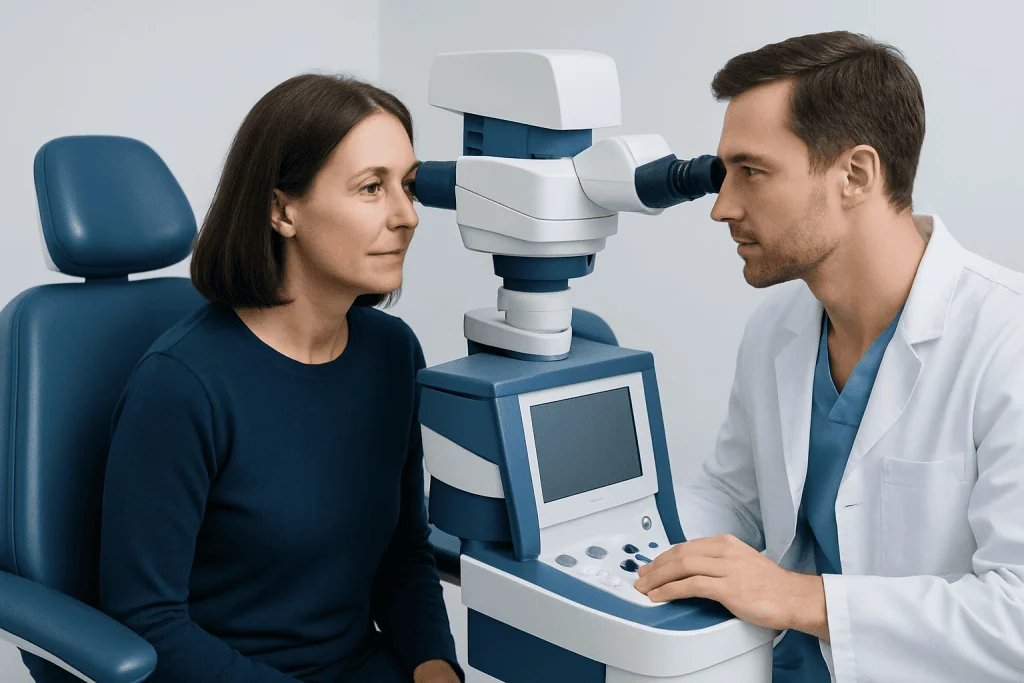
The first stage of PRK healing usually covers the first 1 to 3 days after surgery. During this period, the corneal surface begins to regenerate. Many people notice tearing, burning, a gritty sensation, light sensitivity, and blurred vision. A bandage contact lens is commonly placed on the eye to protect the surface while it heals. This phase can be uncomfortable, but it is expected and usually temporary.
From about day 3 to day 5, the surface epithelium typically continues to close and strengthen. If healing is progressing as expected, the eye doctor may remove the bandage lens at a follow-up visit. Vision may still be hazy or fluctuate from hour to hour. Some patients feel better quickly once the surface has healed, while others still notice sensitivity and visual blur for a bit longer.
During the first 1 to 4 weeks, the deeper corneal tissue continues to remodel. This stage often brings gradual improvement in visual clarity, though reading, screen use, and night vision may still feel inconsistent. In the following months, the cornea stabilizes further. Subtle changes in sharpness, contrast, glare, or dryness can continue as healing progresses, which is why scheduled follow-up care remains important even after the eye feels better.
Common Symptoms and Side Effects During Recovery

Some side effects are common during PRK recovery and do not necessarily mean something is wrong. Blurry vision is expected early on because the corneal surface is healing and the tear film may be unstable. Light sensitivity, tearing, mild swelling, and a foreign-body sensation can also occur. These symptoms are usually most noticeable in the first several days and then gradually improve.
Dry eye symptoms are also common after laser vision correction. The eyes may feel scratchy, tired, or intermittently blurry, especially during reading, computer use, or exposure to air conditioning and wind. Temporary glare, halos around lights, or reduced contrast at night may happen as well. These visual effects often become less noticeable as the cornea smooths and the surface nerves recover.
It is important to remember that severe or worsening symptoms are different from expected healing. Sudden increased pain, a sharp decline in vision, marked redness, pus-like discharge, or increasing cloudiness should be assessed promptly. In some cases, symptoms may overlap with eye surface problems such as conjunctivitis treatment, but a proper examination is needed to identify the cause.
- Expected early symptoms: discomfort, tearing, blurred vision, light sensitivity
- Common later symptoms: dryness, fluctuating clarity, glare, halos
- Concerning symptoms: worsening pain, increasing redness, sudden vision loss, discharge
What Affects How Fast PRK Heals?
Several factors can influence the PRK recovery timeline. One of the most important is the individual’s healing response. Some corneas re-epithelialize quickly, while others take a little longer. Age, overall eye health, tear quality, and the degree of refractive error treated can all affect how comfortable the first days feel and how quickly vision stabilizes.
The shape and condition of the cornea also matter. For example, people being assessed for laser refractive surgery are carefully screened for problems such as keratoconus or significant ocular surface disease. Pre-existing dry eye, eyelid inflammation, or a history of contact lens overuse may slow surface recovery or increase discomfort after the procedure.
Aftercare habits can make a meaningful difference as well. Using prescribed drops correctly, keeping follow-up visits, avoiding eye rubbing, and protecting the eyes from sunlight and irritants all support healing. Smoking, poor sleep, dehydration, or returning too quickly to dusty or physically demanding environments may make symptoms more bothersome. Good communication with the eye surgeon helps set realistic expectations for recovery.
Diagnosis, Follow-Up, and Monitoring After Surgery
PRK recovery is monitored through planned follow-up appointments. At these visits, the ophthalmologist checks how the epithelial layer is healing, whether the cornea looks clear, and how the vision is progressing. The eye pressure may also be monitored, especially if steroid eye drops are being used as part of recovery care. These appointments help identify any concerns early and provide reassurance that healing is on track.
During the eye examination, the doctor may use a slit-lamp microscope to closely inspect the surface of the cornea and the bandage contact lens. Vision testing helps track gradual improvement over time. The care team may also ask about dryness, night vision, pain, or difficulty with daily activities such as reading and driving. These details help guide any adjustments in treatment, such as lubrication or medication timing.
Although most PRK recoveries are straightforward, follow-up is important because some issues are not obvious without an exam. Corneal haze, delayed epithelial healing, significant dry eye, or uncommon infections need early attention. A patient should not stop prescribed medications or resume intense activities without confirming this is safe with the treating specialist.
PRK Aftercare and Treatment Options for Comfort
Aftercare following PRK is designed to protect the healing surface, reduce inflammation, and keep the eyes comfortable. Patients are usually given a combination of medicated eye drops, which may include antibiotics for a short period and anti-inflammatory drops for longer, depending on the surgeon’s protocol. Preservative-free artificial tears are commonly recommended because they help stabilize the tear film and reduce dryness-related blur.
Rest is especially helpful in the first few days. Many people feel more comfortable with dim lighting, closed eyes, or limited screen use while the epithelium heals. Sunglasses outdoors can help with light sensitivity and protect the eyes from ultraviolet exposure, which is important during corneal healing. It is also wise to avoid swimming pools, hot tubs, eye makeup, dusty environments, and contact sports until the doctor says it is safe.
Patients should avoid rubbing the eyes, even if they feel itchy or watery. Hand hygiene before using drops is important, and the drop schedule should be followed carefully. In some cases, doctors may discuss other vision correction approaches for future comparison, such as ReLEx SMILE, but immediate recovery care should always follow the specific instructions given for PRK. Near the end of recovery planning, some patients seek care in experienced centers; Acibadem International’s multidisciplinary specialists and JCI-accredited hospitals diagnose and treat eye conditions for international patients.
- Use all prescribed drops exactly as directed
- Wear sunglasses outdoors
- Avoid eye rubbing and contaminated water exposure
- Limit strenuous activity until cleared by the surgeon
- Attend all scheduled follow-up visits
When to See a Doctor During PRK Recovery
It is normal to have discomfort and blurry vision early in the PRK recovery timeline, but there are situations where medical review should not be delayed. A doctor should be contacted if pain becomes severe or suddenly worsens after initially improving. The same applies to increasing redness, significant swelling, unusual discharge, fever, or a rapid drop in vision.
Any concern about the bandage contact lens, accidental eye trauma, or missed medication doses should also be discussed with the care team. If the eye feels very dry, scratchy, or irritated for longer than expected, the surgeon may recommend additional lubrication or another treatment adjustment. Persistent glare or haze may also need follow-up, especially if it interferes with driving or daily tasks.
People should seek urgent evaluation if they notice a curtain-like shadow, flashes, or a sudden shower of floaters, since these symptoms can relate to problems elsewhere in the eye rather than the cornea alone. While uncommon after PRK, such symptoms should never be ignored. Prompt evaluation helps protect vision and gives the best chance of addressing complications early.
Frequently asked questions
How long does PRK recovery take?
Most people get through the most uncomfortable part of PRK recovery within about 3 to 5 days. Useful vision often improves over several weeks, while full stabilization can take a few months. The exact timeline depends on the eye's healing response and the prescription treated.
Is blurry vision normal after PRK?
Yes, blurry or fluctuating vision is common after PRK, especially in the first days and weeks. The corneal surface needs time to heal and smooth out, and dryness can also affect clarity. Vision usually improves gradually rather than all at once.
When can someone return to work after PRK?
Return to work depends on the type of job and how the eyes are healing. Many people need several days off, especially if their work involves screens, bright light, detailed visual tasks, or dusty environments. The safest timing should be confirmed with the treating eye doctor.
What are the most common side effects after PRK?
Common side effects include discomfort, tearing, light sensitivity, dry eye, glare, halos, and blurry vision. These are usually temporary and improve as the cornea heals. If symptoms become worse instead of better, medical review is important.
Can someone rub their eyes after PRK?
No, eye rubbing should be avoided during recovery because it can irritate the healing surface and increase discomfort. The bandage contact lens and fresh epithelial layer need protection in the early period. If the eyes feel itchy or dry, lubricating drops and medical advice are safer options.
When is it safe to drive after PRK?
Driving should wait until vision meets legal standards and the ophthalmologist confirms it is safe. Early after PRK, blur, glare, and light sensitivity can make driving difficult, especially at night. Patients should not assume they are ready based only on how the eyes feel.
References
- American Academy of Ophthalmology
- National Eye Institute
- Royal College of Ophthalmologists
- American Society of Cataract and Refractive Surgery
This article is for general information only and is not a substitute for professional medical advice. Please consult a qualified doctor about your individual situation.
Explore treatments in Turkey — costs, top hospitals & a free quote
JCI-accredited · board-certified surgeons · reply within 24h
Add us as a Preferred Source to see more of our trusted health content across Google Search, AI Overviews and Discover.