Craniosacral Therapy: Symptoms, Causes, and Treatment Options
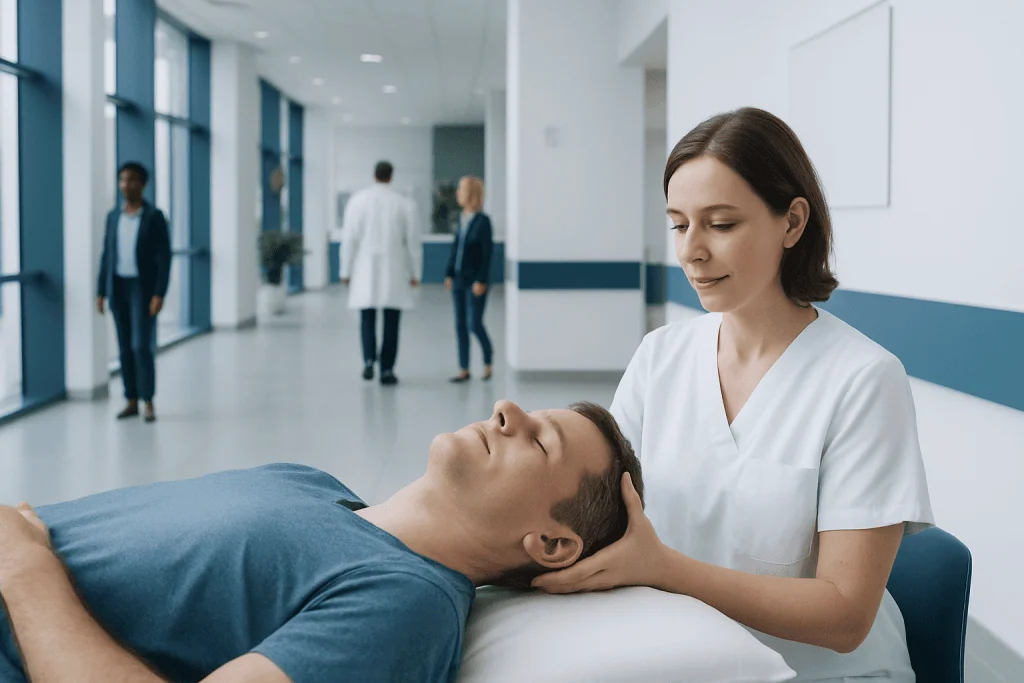
Craniosacral therapy uses light touch around the head, spine, and pelvis. People often consider it for stress, neck or back discomfort, headaches, or muscle tension.
Key Takeaways
- Craniosacral therapy uses light touch around the head, spine, and pelvis.
- People often consider it for stress, neck or back discomfort, headaches, or muscle tension.
- Scientific evidence for craniosacral therapy remains limited and mixed.
- It should not replace standard evaluation for persistent pain, neurological symptoms, or serious illness.
- A qualified doctor can help identify the cause of symptoms and advise whether supportive therapies are appropriate.
Craniosacral therapy is a gentle hands-on technique that some people seek for pain, tension, stress, or overall relaxation. It may help some individuals feel more comfortable, but research is limited, and it is best viewed as a complementary approach rather than a replacement for medical diagnosis or treatment.
Overview: What craniosacral therapy is
Craniosacral therapy is a gentle manual therapy in which a practitioner uses light touch, usually around the skull, face, jaw, neck, spine, and pelvis. People often ask about craniosacral therapy when they are looking for noninvasive ways to ease pain, reduce stress, or improve a sense of physical balance. In simple terms, it is a complementary therapy that aims to promote relaxation and comfort, but it is not a proven cure for medical conditions.
The method developed from osteopathic concepts and is based on the idea that subtle movements of tissues and fluid around the brain and spinal cord can be assessed and influenced by touch. Supporters believe that improving these movements may reduce tension in the body. However, mainstream medical research has not clearly confirmed many of these proposed mechanisms, so expectations should remain realistic.
For patients, the most important point is that craniosacral therapy may be used as supportive care by some individuals, especially for relaxation or symptom relief, but it should not take the place of a proper medical evaluation. Symptoms such as recurring headaches, weakness, numbness, dizziness, fever, injury, or unexplained pain still need assessment by a qualified clinician.
Why people seek craniosacral therapy
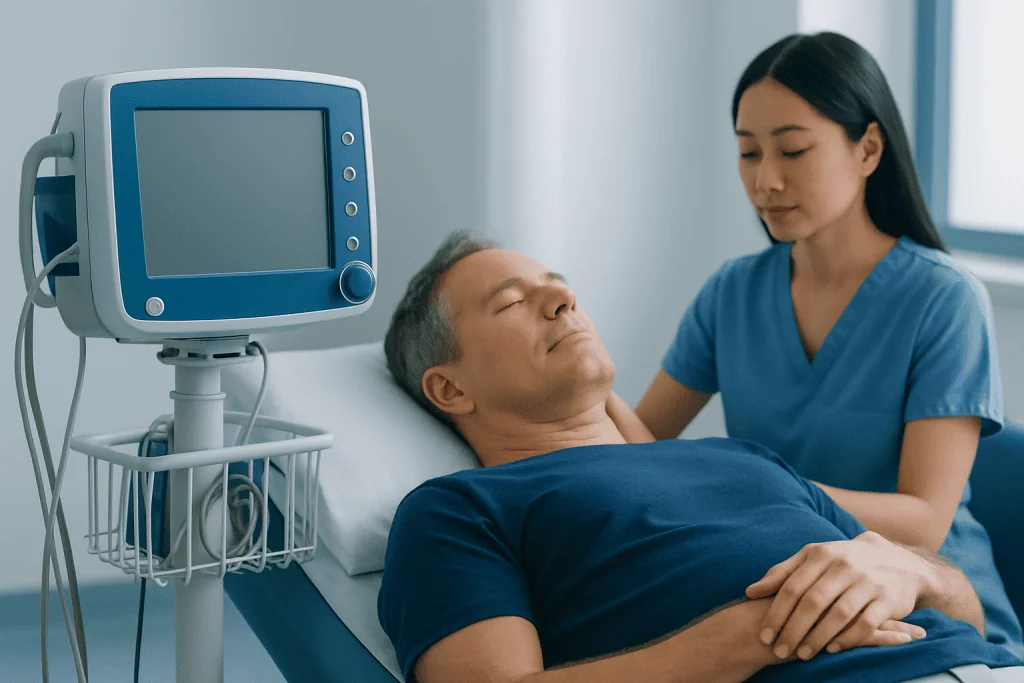
People usually do not seek craniosacral therapy for the therapy itself; they seek it because they want relief from symptoms that affect daily life. Common reasons include neck stiffness, back discomfort, jaw tension, stress-related muscle tightness, sleep difficulties, and a desire to feel calmer. Some also ask whether it may help with headaches or recovery from physical strain.
It is important to understand that craniosacral therapy does not treat “symptoms” in the same way that a medication, surgery, or physical rehabilitation plan might. Instead, sessions are generally intended to support relaxation and body awareness. A person may feel temporarily looser, less tense, or more rested after a session, but responses vary from person to person.
Because many of the symptoms people hope to relieve can also be linked to underlying medical problems, the symptom pattern matters. For example, headaches may be related to migraine, muscular tension, sinus disease, medication overuse, or neurological causes. Similarly, neck or back pain may range from simple muscle strain to conditions that require structured rehabilitation or imaging.
- Stress and tension
- Headaches or facial pressure
- Neck, shoulder, or back discomfort
- Jaw tightness
- General relaxation and wellbeing goals
How a session is typically performed
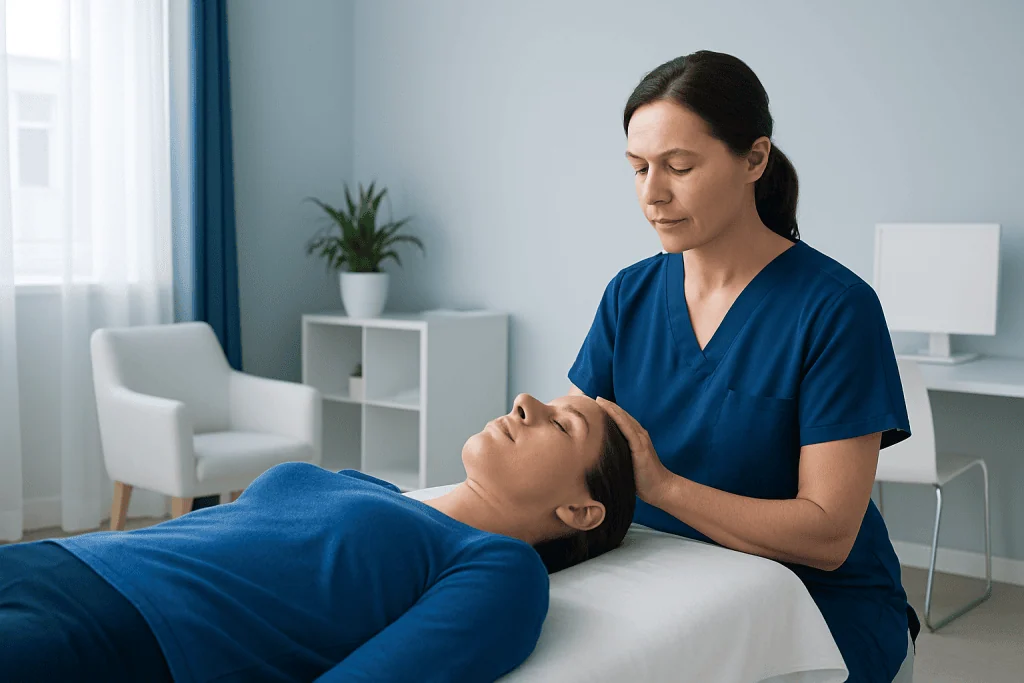
During craniosacral therapy, the patient usually lies fully clothed on a treatment table in a quiet room. The practitioner places their hands lightly on areas such as the head, neck, shoulders, lower back, or sacrum. Pressure is typically very gentle, and many people describe the session as restful rather than physically intense.
Sessions vary by practitioner, but the general aim is to detect areas of tension and use subtle hand positions to encourage release. Some patients notice warmth, a sense of soft stretching, or deep relaxation. Others may feel very little during the treatment. Neither experience confirms or rules out benefit, because individual responses are subjective.
Before trying any hands-on therapy, it is reasonable to ask about the practitioner’s training, the goals of treatment, and how it will fit with ongoing medical care. If symptoms involve movement problems, sports injuries, or recovery after surgery, a structured rehabilitation plan such as physical therapy and rehabilitation may be more clearly supported by evidence and can often be combined with other conservative measures when a doctor agrees.
Possible benefits, limits, and what evidence shows
The most commonly reported benefits of craniosacral therapy are relaxation, temporary reduction in stress, and a general sense of comfort. Some people also report short-term relief of muscle tightness or headache intensity. These experiences may be meaningful on a personal level, especially when symptoms are influenced by stress, posture, sleep, or chronic tension.
At the same time, the scientific evidence for craniosacral therapy is limited and mixed. Studies are often small, use different methods, or rely heavily on self-reported outcomes. Because of this, major medical organizations generally do not consider it a primary treatment for serious neurological, orthopedic, or systemic conditions. It is better understood as a complementary option that may help some people feel better while standard care addresses the underlying cause.
This distinction matters. If a person has ongoing dizziness, numbness, recurrent severe headaches, worsening back pain, or problems after an accident, the priority should be diagnosis rather than symptom masking. In conditions such as brain tumor or significant spinal disease, prompt medical assessment is essential and should never be delayed in favor of alternative therapies.
Risks, safety, and who should be cautious
Craniosacral therapy is generally described as low force and is often well tolerated, but “gentle” does not always mean appropriate for every patient. Safety depends on the person’s symptoms, medical history, and whether a serious condition has been ruled out. The main risk is not always the hands-on technique itself; it can also be the delay of needed medical care.
Extra caution is appropriate after recent head injury, spine injury, surgery, active infection, unexplained neurological symptoms, severe osteoporosis, bleeding disorders, or severe uncontrolled pain. Anyone with sudden headache, confusion, fainting, weakness, seizures, vision loss, or bowel and bladder changes should seek urgent medical evaluation instead of booking a complementary therapy session.
Patients should also tell their healthcare team about any complementary therapies they use. This helps coordinate care and reduces the chance that important symptoms will be misinterpreted. If symptoms are related to the spine, nerves, or movement problems, further evaluation may involve imaging, neurological examination, or referral to services such as neurosurgery when clinically indicated, though many cases are managed without surgery.
Diagnosis and medical treatment options for related symptoms
Because craniosacral therapy is often sought for symptoms rather than a single disease, proper diagnosis is the foundation of safe care. A doctor may ask when symptoms began, what makes them better or worse, whether there was an injury, and whether there are warning signs such as fever, weakness, numbness, weight loss, or sleep disruption. Physical examination can help identify whether the source is muscular, joint-related, neurological, or systemic.
Depending on the clinical picture, tests may include blood work, X-rays, MRI, or specialist assessment. Headaches may require evaluation for migraine, tension headache, or other causes. Neck and back pain may call for a musculoskeletal assessment, while jaw pain can involve dental or temporomandibular causes. In some cases, structured care such as pain management, medication review, posture advice, or neurology evaluation is more useful than complementary therapy alone.
Treatment options vary widely and may include exercise therapy, rehabilitation, stress management, sleep improvement, ergonomic changes, medications, interventional procedures, or surgery when necessary. Complementary approaches may sometimes be added to a broader plan if they are safe, affordable, and do not interfere with evidence-based treatment. The key principle is that supportive care should support, not replace, appropriate medical care.
Self-care and when to seek medical care
For mild tension-related discomfort, self-care steps can make a real difference. Gentle stretching, regular movement, stress reduction, hydration, consistent sleep, and attention to posture may help symptoms linked to muscle tightness or daily strain. If a doctor has ruled out serious causes, relaxation-based therapies may be one part of a broader symptom-management plan.
Medical care should be sought promptly if symptoms are severe, persistent, or changing. A person should contact a doctor if they have new or worsening headaches, weakness, numbness, dizziness, fainting, speech difficulty, vision changes, fever, unexplained weight loss, pain after trauma, or back pain with bowel or bladder symptoms. These signs may point to conditions that need urgent diagnosis and treatment.
For international patients who need coordinated evaluation, Acibadem International’s multidisciplinary specialists and JCI-accredited hospitals diagnose and treat neurological, musculoskeletal, and pain-related conditions using evidence-based care. If complementary therapy is being considered, it is best discussed within a treatment plan that is tailored to the person’s symptoms, medical history, and goals.
Frequently asked questions
What is craniosacral therapy used for?
Craniosacral therapy is commonly used as a complementary approach for stress, muscle tension, headaches, neck discomfort, back discomfort, and general relaxation. It is not considered a standard primary treatment for serious medical conditions.
Does craniosacral therapy really work?
Some people report feeling more relaxed or less tense after treatment, and a few may notice temporary symptom relief. However, research evidence is limited and mixed, so benefits are not guaranteed and may vary widely.
Is craniosacral therapy safe?
It is usually described as gentle and is often tolerated well, but it is not appropriate for every situation. People with recent injury, unexplained neurological symptoms, severe pain, infection, or other serious health concerns should seek medical advice first.
Can craniosacral therapy help headaches or migraine?
Some patients seek it for headache-related tension or relaxation support. Because headaches can have many causes, including migraine and more serious conditions, recurring or severe headaches should be medically evaluated before relying on complementary therapy.
Should craniosacral therapy replace medical treatment?
No. Craniosacral therapy is best seen as a complementary option, not a replacement for diagnosis or evidence-based treatment. Ongoing, severe, or unexplained symptoms should always be assessed by a qualified doctor.
What happens during a craniosacral therapy session?
The patient usually lies clothed on a treatment table while the practitioner uses very light touch on areas such as the head, neck, spine, or pelvis. Sessions are generally quiet and relaxation-focused, with little or no forceful manipulation.
References
- National Center for Complementary and Integrative Health
- World Health Organization
- National Institute of Neurological Disorders and Stroke
- American Academy of Neurology
This article is for general information only and is not a substitute for professional medical advice. Please consult a qualified doctor about your individual situation.
Joint and spine care in Turkey — expert assessment & treatment
JCI-accredited · board-certified surgeons · reply within 24h
Add us as a Preferred Source to see more of our trusted health content across Google Search, AI Overviews and Discover.