Cream for Haemorrhoid — Explained by Medical Evidence, Not Myths

Cream for haemorrhoid can reduce symptoms like itching, burning, and soreness, but it does not remove the cause of haemorrhoids. Short-term use is generally preferred, especially for creams containing steroids or local anesthetics.
Key Takeaways
- Cream for haemorrhoid can reduce symptoms like itching, burning, and soreness, but it does not remove the cause of haemorrhoids.
- Short-term use is generally preferred, especially for creams containing steroids or local anesthetics.
- Self-care measures such as fiber, fluids, and avoiding straining are often as important as topical treatment.
- Bleeding, severe pain, a new lump, or symptoms that do not improve should be assessed by a doctor.
- Not every anal symptom is a haemorrhoid; fissures, skin conditions, infection, or bowel disease can look similar.
Cream for haemorrhoid may help relieve itching, irritation, and discomfort, especially with external haemorrhoids, but it is usually a short-term symptom treatment rather than a cure. The best approach depends on the type of haemorrhoid, the symptoms, and whether there is bleeding, severe pain, or another condition causing similar symptoms.
Overview: What cream for haemorrhoid can really do
Cream for haemorrhoid can help soothe common symptoms such as itching, mild pain, irritation, and swelling around the anus. It is most useful for external haemorrhoids or for irritation at the anal opening. In many cases, it provides temporary relief rather than fixing the underlying swollen veins.
Medical evidence supports a practical point that is sometimes missed in myths or advertising: topical creams may improve comfort, but they do not reliably cure haemorrhoids on their own. Whether a person improves also depends on bowel habits, constipation, time spent straining, pregnancy, and other factors that continue to put pressure on the area.
Some haemorrhoid creams contain ingredients that protect the skin, reduce inflammation, numb pain, or shrink swollen tissue for a short period. Different products work in different ways, and not every product is right for every symptom. A person with bleeding, marked pain, or recurrent problems may need medical assessment instead of repeated self-treatment.
Haemorrhoids are common and often manageable, but they can resemble other anorectal conditions. For people who want a broader overview of the condition itself, haemorrhoids can be evaluated based on symptoms, severity, and whether home care is enough.
Which symptoms may improve with haemorrhoid cream
Topical creams are usually chosen to relieve symptoms rather than to change the long-term course of the condition. They may be reasonable when there is mild itching, burning, tenderness, skin irritation, or a feeling of fullness around the anal area. Some people also find them helpful after a bowel movement, when symptoms may briefly worsen.
External haemorrhoids are more likely than internal haemorrhoids to respond to creams because the medication reaches the affected skin directly. Internal haemorrhoids, especially if they mainly cause painless bleeding, often do not improve much with external creams alone. In those cases, stool-softening measures and medical review may matter more.
Symptoms that may improve with cream include:
- Itching around the anus
- Mild soreness or burning
- Minor swelling of external tissue
- Skin irritation from mucus or wiping
- Brief discomfort after bowel movements
Symptoms less likely to be solved by cream include significant bleeding, prolapsing internal haemorrhoids, severe pain from a thrombosed haemorrhoid, or symptoms caused by another condition. If symptoms are frequent or keep returning, treatment should focus on the cause as well as comfort.
What is in haemorrhoid creams, and how they work

Haemorrhoid creams can contain several types of active ingredients. Barrier or protectant ingredients help coat and soothe irritated skin. Mild steroid ingredients may reduce inflammation and itching for a short time. Local anesthetics can temporarily numb the area, while some products include vasoconstrictors that may reduce swelling by narrowing blood vessels.
These ingredients can be useful, but they also have limits. Steroid creams may irritate or thin sensitive skin if used too long. Numbing ingredients can occasionally trigger skin sensitivity. Products with multiple ingredients may feel effective at first but can still leave the main cause, such as constipation or straining, unchanged.
There is no single “best” cream for everyone. The best choice depends on the main symptom. For example, a person with itching from skin irritation may benefit from a simple protective cream, while someone with short-term inflammation may be advised to use a medicated product briefly. Reading labels, following instructions, and asking a pharmacist or doctor when unsure is sensible.
It is also important to remember that “natural” or herbal does not automatically mean safer or better studied. Many over-the-counter products are marketed strongly, but evidence for long-term benefit is often limited. A short, symptom-based approach is usually more evidence-based than prolonged unsupervised use.
Myths and common mistakes with cream for haemorrhoid
One common myth is that if a cream reduces pain, the haemorrhoid is cured. In reality, symptom relief does not always mean healing. The swollen veins may still be irritated by hard stools, repeated straining, prolonged sitting on the toilet, or low fiber intake, so symptoms can return soon after the cream is stopped.
Another misunderstanding is that stronger or more frequent application works better. Using more than directed can irritate delicate skin and may increase the chance of side effects. Prolonged use of steroid-containing products, in particular, is usually not recommended unless a doctor has advised it.
People also sometimes assume all rectal bleeding is due to haemorrhoids. While haemorrhoids are a common cause, bleeding can also come from anal fissures, inflammation, polyps, or other bowel conditions. New or unexplained bleeding should not be self-diagnosed indefinitely.
Finally, cream is often used without lifestyle changes. This is a missed opportunity. If constipation, hard stools, or long periods of straining continue, even a well-chosen cream may bring only short-lived relief. Lasting improvement usually combines topical symptom control with bowel habit support.
Self-care that often matters as much as the cream
For many people, the most effective haemorrhoid care starts with reducing pressure on the anal veins. That usually means softer stools, less straining, and gentler hygiene. Increasing dietary fiber through fruit, vegetables, legumes, and whole grains can help, and some people benefit from a doctor- or pharmacist-recommended fiber supplement. Drinking enough fluids also supports easier bowel movements.
Simple habits can also reduce irritation. It helps to respond to the urge to pass stool without delaying for long periods, but also to avoid sitting on the toilet for extended time. Gentle cleaning with water or fragrance-free wipes may be more comfortable than vigorous wiping with dry toilet paper. Warm sitz baths can sometimes ease soreness and spasm.
Useful self-care steps include:
- Eating more fiber gradually
- Drinking enough water unless a doctor has restricted fluids
- Avoiding straining during bowel movements
- Limiting time on the toilet
- Staying physically active when possible
- Using topical creams only as directed
If symptoms keep returning despite these steps, a doctor may look for contributing problems such as chronic constipation, diarrhea, pelvic floor dysfunction, or another anorectal condition. In some cases, specialist assessment in gastroenterology care helps guide treatment when bowel symptoms are part of the picture.
How doctors diagnose persistent or severe haemorrhoid symptoms
Diagnosis usually begins with a careful history. A doctor will ask about bleeding, pain, itching, bowel habits, constipation, pregnancy, medications, and how long symptoms have been present. The pattern matters: painless bright red bleeding may suggest internal haemorrhoids, while a painful lump near the anus may point to an external or thrombosed haemorrhoid.
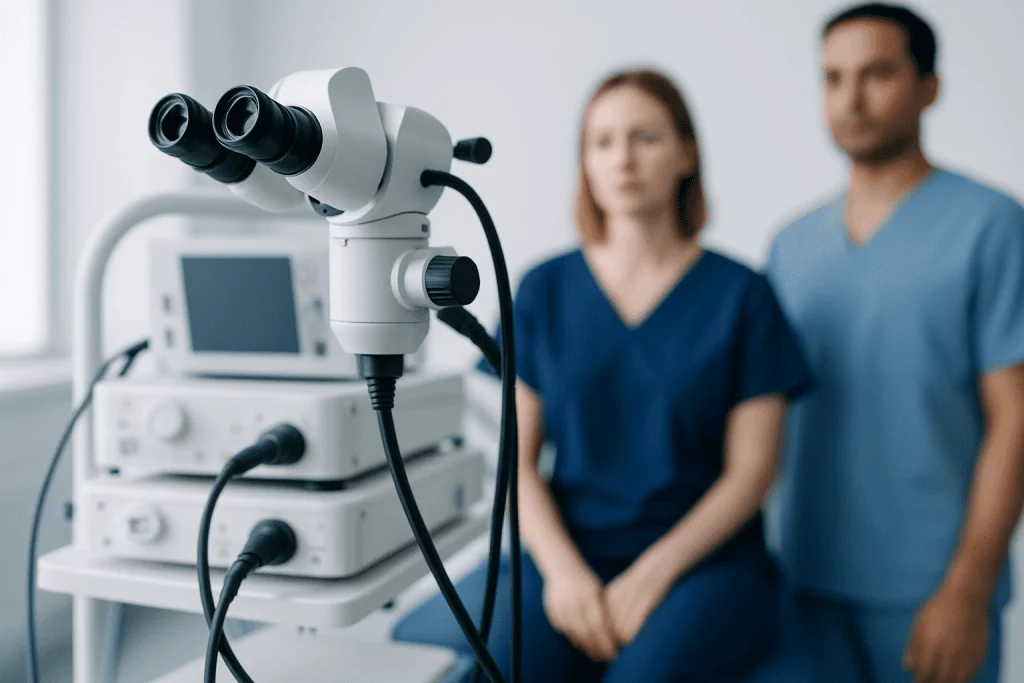
A physical examination may include inspection of the anal area and sometimes a gentle digital rectal examination. For internal haemorrhoids, a doctor may use a small instrument to view the lower rectum and anal canal. These assessments help distinguish haemorrhoids from fissures, skin tags, abscesses, or other causes of symptoms.
If there is bleeding, change in bowel habit, weight loss, anemia, or symptoms that do not fit a simple haemorrhoid pattern, further testing may be considered. The aim is not to alarm but to avoid missing another condition. Depending on age, risk factors, and symptoms, the doctor may recommend additional lower bowel evaluation, sometimes including colonoscopy.
Accurate diagnosis is important because the right treatment depends on the cause. A cream that is helpful for irritation may be unhelpful or even delaying care if the problem is actually an anal fissure, infection, inflammatory bowel disease, or another condition needing different management.
Treatment options when cream is not enough
If symptoms are mild, doctors often begin with conservative treatment: fiber, fluids, bowel habit changes, sitz baths, and short-term topical products. When these measures do not control symptoms well enough, treatment can be stepped up based on whether haemorrhoids are internal or external and how much they affect daily life.
Internal haemorrhoids that bleed or prolapse may be treated with office-based procedures such as rubber band ligation, injection treatment, or other techniques to reduce blood flow and support tissue position. These options are generally considered when symptoms recur or when home care gives only temporary relief. External haemorrhoids are managed differently, especially if a painful clot has formed.
For larger, persistent, or complicated haemorrhoids, surgery may be discussed. This is not needed for everyone, but it can be the most effective option in selected cases after specialist evaluation. People exploring next-step care may hear about haemorrhoid surgery when symptoms are advanced or repeated.
Near the end of the treatment pathway, multidisciplinary assessment can be helpful, particularly when bowel symptoms, skin irritation, and recurrent haemorrhoids overlap. Acibadem International’s multidisciplinary specialists and JCI-accredited hospitals diagnose and treat haemorrhoid conditions for international patients, with plans tailored to symptom severity and the underlying cause.
When to seek medical care
Medical care is advisable if a person has rectal bleeding, a new anal lump, severe pain, fever, drainage, or symptoms that last more than a short period despite self-care. A doctor should also assess symptoms that keep returning, especially when over-the-counter creams are being used repeatedly without clear benefit.
Urgent evaluation may be needed for heavy bleeding, dizziness, rapidly worsening pain, or signs of infection. Even when symptoms seem typical of haemorrhoids, it is safer to seek advice if the pattern changes or if there is any uncertainty about the diagnosis.
People with inflammatory bowel disease, those taking blood thinners, pregnant individuals, and older adults may need more individualized guidance. In some cases, haemorrhoid symptoms overlap with colon cancer warning signs, which is why persistent bleeding should not be ignored.
A qualified clinician can confirm whether cream for haemorrhoid is appropriate, whether another diagnosis is more likely, and whether additional treatment is needed. This can prevent prolonged discomfort and help avoid unnecessary or ineffective self-treatment.
Frequently asked questions
Does cream for haemorrhoid cure haemorrhoids?
Usually not. Cream for haemorrhoid mainly helps relieve symptoms such as itching, irritation, and soreness for a limited time. The underlying problem often also requires bowel habit changes, especially if constipation or straining is involved.
Which haemorrhoids respond best to cream?
Cream tends to help most with external haemorrhoids or irritation at the anal opening because it can be applied directly to the affected area. Internal haemorrhoids, especially those causing painless bleeding, may not improve much with cream alone.
How long should haemorrhoid cream be used?
It is usually best used for short-term relief and according to the instructions on the product or the advice of a doctor. Some medicated creams, particularly those containing steroids, are not ideal for prolonged use because they may irritate or thin sensitive skin.
Can haemorrhoid cream make symptoms worse?
It can in some people, especially if the skin becomes irritated or sensitive to one of the ingredients. Symptoms that worsen, spread, or fail to improve should be reviewed by a healthcare professional rather than treated repeatedly with different products.
What else should be done besides using cream?
Improving stool consistency and reducing straining are key. A higher-fiber diet, adequate fluids, regular physical activity, and avoiding long periods on the toilet often make a significant difference and may reduce future flare-ups.
When is bleeding likely to need medical attention?
Any new, persistent, or unexplained rectal bleeding should be assessed by a doctor. While haemorrhoids are a common cause, bleeding can also come from fissures, inflammation, polyps, or other bowel conditions.
References
- National Institute of Diabetes and Digestive and Kidney Diseases
- American Society of Colon and Rectal Surgeons
- National Health Service
- Mayo Clinic
- Cleveland Clinic
This article is for general information only and is not a substitute for professional medical advice. Please consult a qualified doctor about your individual situation.
Explore treatments in Turkey — costs, top hospitals & a free quote
JCI-accredited · board-certified surgeons · reply within 24h
Add us as a Preferred Source to see more of our trusted health content across Google Search, AI Overviews and Discover.