Cure Acne Vulgaris — Explained by Medical Evidence, Not Myths
Acne vulgaris is a common inflammatory skin condition, not a sign of poor hygiene. Effective treatment usually takes several weeks, and improvement is often gradual.
Key Takeaways
- Acne vulgaris is a common inflammatory skin condition, not a sign of poor hygiene.
- Effective treatment usually takes several weeks, and improvement is often gradual.
- Topical retinoids, benzoyl peroxide, azelaic acid, antibiotics, hormonal treatment, and isotretinoin may be used depending on severity.
- Avoid picking or squeezing spots, as this can increase inflammation, dark marks, and scarring.
- Early medical care is especially important for painful nodules, scarring acne, or acne affecting emotional wellbeing.
There is no instant or permanent cure that works for every person with acne vulgaris, but evidence-based treatment can often clear acne or keep it well controlled. The right plan depends on the type and severity of acne, skin sensitivity, pregnancy plans, and the risk of scarring.
Can acne vulgaris be cured?
A cure acne vulgaris search often reflects a desire for a lasting solution. Acne can sometimes settle completely, particularly as hormone patterns change with age, but it may also return or fluctuate. Medical treatment can reliably reduce breakouts, control inflammation, lower the risk of scars, and help many people achieve clear or nearly clear skin.
Acne is not caused by being unclean, and harsh cleansing does not cure it. It develops when hair follicles become blocked with oil and dead skin cells, with inflammation and skin bacteria contributing in some cases. A consistent, individualized plan is more useful than trying multiple strong products at once.
Because acne can persist for months or years, treatment is often viewed as management rather than a one-time fix. Once acne is controlled, maintenance treatment may help prevent new lesions. A dermatologist can adjust the approach as the skin and a person’s health needs change.
What acne looks and feels like
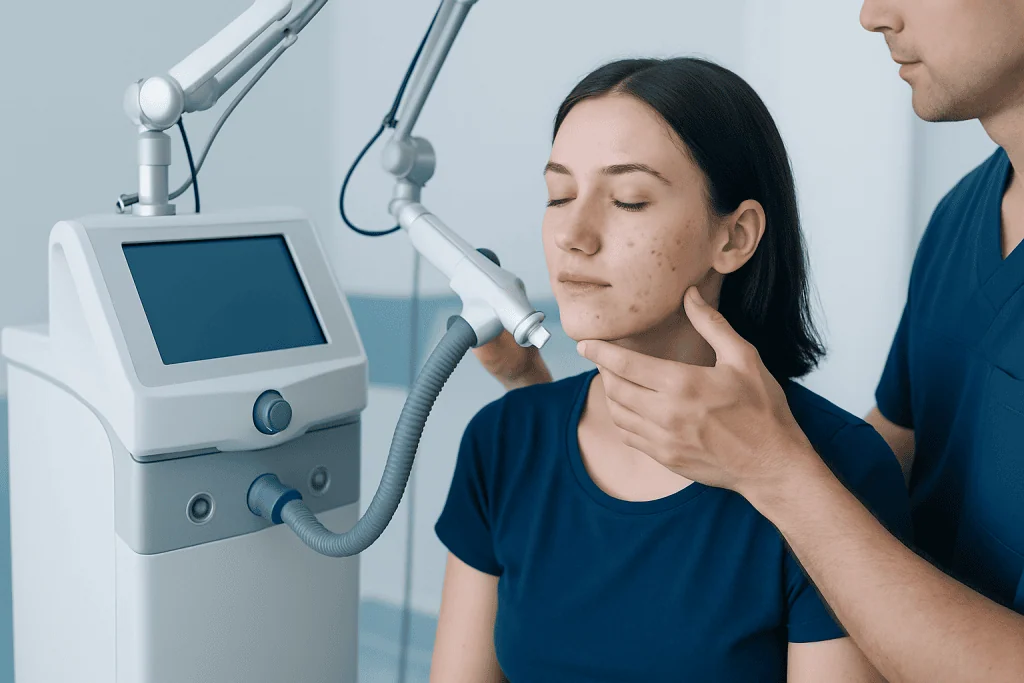
Acne vulgaris most often affects the face, chest, shoulders, and upper back. It can include blackheads, which are open clogged pores, and whiteheads, which are closed clogged pores. These are called comedones and may occur with or without redness.
Inflammatory acne can cause red bumps called papules, pus-filled spots called pustules, and deeper painful lumps called nodules or cyst-like lesions. Deeper acne has a higher likelihood of leaving scars or persistent dark or light marks after spots heal.
Acne severity is not determined only by the number of spots. Pain, location, scarring, repeated flares, and the effect on confidence or daily life all matter. Acne can affect people at any age, including teenagers and adults.
- Blackheads and whiteheads are usually non-inflammatory lesions.
- Red, tender bumps indicate inflammation.
- Deep, painful lesions need timely assessment because they can scar.
- Post-inflammatory color changes may remain after active acne has resolved.
Why acne develops and what can make it worse
Several biological processes work together in acne: increased oil production, abnormal shedding of cells within the follicle, blockage of pores, and inflammation. Hormones called androgens can increase oil production, which helps explain why acne commonly begins around puberty and why it can flare with menstrual cycles, pregnancy, polycystic ovary syndrome, or some medications.
Family history can influence a person’s tendency to develop acne. Emotional stress does not cause acne on its own, but it may worsen existing acne in some people. Friction and pressure from helmets, masks, tight clothing, or sporting equipment can also trigger breakouts in affected areas.
Some cosmetics, hair products, or sunscreens may contribute when they are oily or pore-clogging. Choosing products labeled non-comedogenic may be helpful. Certain medicines, including corticosteroids, lithium, and some hormonal treatments, can contribute to acne; prescribed medication should never be stopped without speaking with the clinician who prescribed it.
Dietary links are still being studied. Some people notice flares associated with high-glycemic foods or dairy, but there is no single acne diet that suits everyone. A balanced eating pattern is reasonable, while major dietary restrictions should be discussed with a qualified healthcare professional.
How acne is diagnosed
Acne is usually diagnosed through a clinical examination of the skin. A clinician considers the type of lesions, their distribution, severity, duration, previous treatments, skin care routine, medications, and any scars or dark marks. Laboratory tests are not routinely needed.
In some people, acne accompanied by irregular periods, increased facial or body hair, scalp hair thinning, sudden onset, or other hormone-related symptoms may prompt further evaluation. This can help identify conditions associated with androgen excess, such as polycystic ovary syndrome.
A dermatologist may also distinguish acne from conditions that can look similar, including folliculitis, rosacea, perioral dermatitis, and medication-related eruptions. An accurate diagnosis helps avoid treatments that may irritate the skin or delay improvement.
Evidence-based treatment options
Treatment is selected according to acne type and severity. For mild comedonal acne, topical retinoids are commonly used to prevent blocked pores and support maintenance. Benzoyl peroxide can reduce acne-causing bacteria and inflammation, while azelaic acid may be useful for acne and lingering discoloration. These treatments can cause dryness or irritation at first, so gradual introduction and moisturizer use are often advised.
For inflammatory acne, a clinician may recommend a combination of topical medicines. Topical or oral antibiotics may be used for a limited period when appropriate, usually alongside benzoyl peroxide to reduce antibiotic resistance. Antibiotics are not generally a long-term acne solution and should be reviewed regularly.
Some women may benefit from hormonal treatment when acne is linked to hormonal patterns. For severe, persistent, nodular, or scar-forming acne, oral isotretinoin can be highly effective under specialist supervision. It requires careful monitoring and strict pregnancy prevention because it can cause serious harm to a developing fetus.
Procedures such as comedone extraction, chemical peels, light-based treatments, and scar treatments may have selected roles, but they do not replace a medical acne plan. Care should be tailored to skin type and active inflammation. For patients needing specialist assessment, dermatology care can help establish a safe plan and address acne-related scarring.
A practical routine that supports treatment
Simple, gentle skin care supports acne treatment and helps reduce irritation. Washing the face once or twice daily and after heavy sweating with a mild cleanser is usually sufficient. Scrubs, astringents, alcohol-based toners, and frequent washing can damage the skin barrier and may make redness or dryness worse.
A non-comedogenic moisturizer is useful even for oily skin, especially when using retinoids, benzoyl peroxide, or azelaic acid. Daily broad-spectrum sunscreen can help limit darkening of post-acne marks and protect skin made more sensitive by treatment. Products should be introduced one at a time where possible.
Picking, squeezing, or using unsterile tools can push inflammation deeper and raise the risk of infection, marks, and scars. It is also sensible to clean items that contact the skin, such as phone screens, makeup brushes, pillowcases, helmets, and sports equipment, though these steps alone will not cure acne.
- Use acne medication exactly as directed and apply it to acne-prone areas, not only visible spots, when advised.
- Allow time for improvement; many treatments need six to twelve weeks for a fair assessment.
- Use gentle moisturizer and sunscreen to improve treatment tolerance.
- Choose non-comedogenic makeup, skin care, and hair products.
When to seek medical care
Medical advice is appropriate when over-the-counter treatment has not improved acne after a consistent trial, when breakouts are widespread or painful, or when acne is leaving scars or persistent marks. Prompt care is particularly helpful for deep nodules or cyst-like lesions because early control can reduce the chance of permanent scarring.
A doctor should also be consulted if acne is affecting mood, self-esteem, sleep, school, work, or social life. Acne is a medical condition, and seeking support for its emotional effects is an important part of care. Sudden severe acne or acne with symptoms suggesting a hormonal concern should also be assessed.
People who are pregnant, trying to conceive, or breastfeeding should ask a clinician before using acne medicines, including topical products, as some are not suitable. Acibadem International’s multidisciplinary specialists and JCI-accredited hospitals diagnose and treat acne-related concerns for international patients, with care planned around individual health needs.
Frequently asked questions
How long does it take to clear acne vulgaris?
Most acne treatments require consistent use for several weeks before noticeable improvement. A fair treatment trial commonly takes six to twelve weeks, although severe acne may need longer-term specialist care. Continuing maintenance treatment may help prevent recurrence after the skin improves.
Can acne vulgaris go away permanently?
Acne may go away with time for some people, while others experience recurring breakouts into adulthood. Treatment can clear or greatly control acne, but ongoing maintenance may be needed when a person remains prone to blocked pores or hormonal flares. The best long-term strategy depends on the individual.
Does washing the face more often cure acne?
No. Acne is not caused by poor hygiene, and excessive washing or scrubbing can irritate the skin and worsen dryness. Gentle cleansing once or twice daily, along with appropriate acne treatment, is generally more helpful.
Should people pop pimples?
It is best not to pop or squeeze pimples. This can increase inflammation and may lead to infection, dark marks, or scars. A clinician can safely treat stubborn comedones or deeper lesions when necessary.
Can diet cause acne vulgaris?
Diet is not the only cause of acne, and there is no universal acne diet. Some people may notice that certain foods appear to worsen their breakouts, but changes should be practical and balanced rather than restrictive. A doctor or registered dietitian can help when dietary concerns are significant.
Is isotretinoin a cure for acne?
Isotretinoin can lead to long-lasting clearance in many people with severe or treatment-resistant acne, but acne can recur for some. It must be prescribed and monitored by an experienced clinician because of important side effects and pregnancy-related risks. It is not suitable for everyone.
This article is for general information only and is not a substitute for professional medical advice. Please consult a qualified doctor about your individual situation.
Acne in Turkey — costs, top hospitals & a free quote
JCI-accredited · board-certified surgeons · reply within 24h
Add us as a Preferred Source to see more of our trusted health content across Google Search, AI Overviews and Discover.

More from the Health Library

Essence Vanilla Essence: An Evidence-Based Guide for Patients
Ossicles: What Patients Need to Know

Mydriasis: An Evidence-Based Guide for Patients

Bullae — Explained by Medical Evidence, Not Myths

Pomegranate: A Complete Medical Overview