Dark Blue Nails — Explained by Medical Evidence, Not Myths
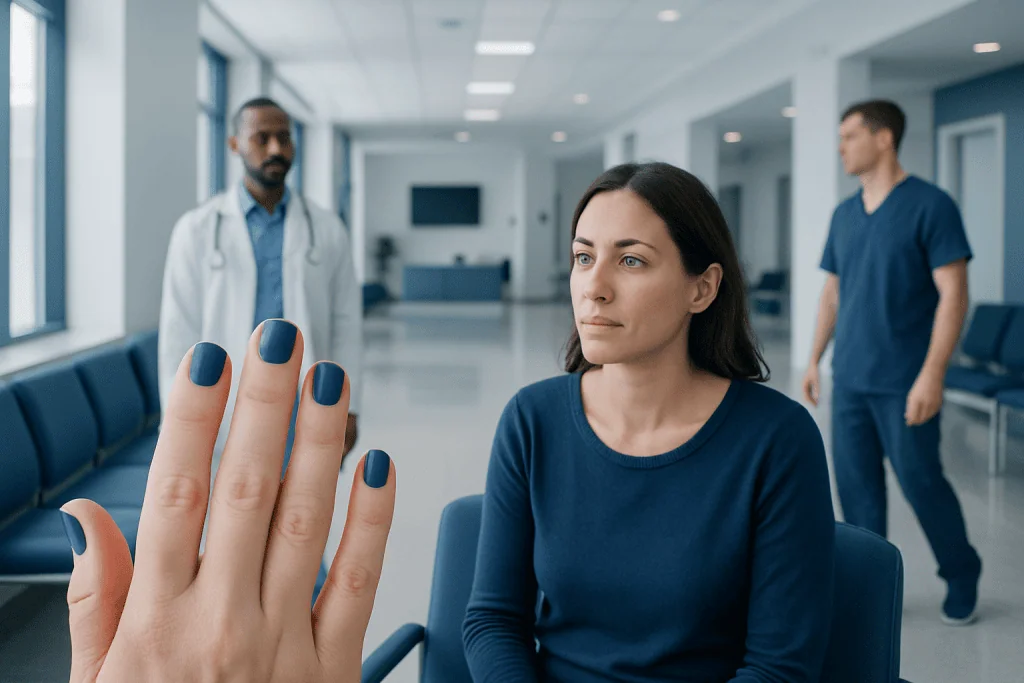
Dark blue nails are a sign, not a diagnosis, and may result from harmless or medically important causes. A temporary blue color after cold exposure may improve with warming, but persistent discoloration needs medical evaluation.
Key Takeaways
- Dark blue nails are a sign, not a diagnosis, and may result from harmless or medically important causes.
- A temporary blue color after cold exposure may improve with warming, but persistent discoloration needs medical evaluation.
- Blue color affecting several nails together can suggest circulation or oxygen-related problems rather than a local nail issue.
- One dark blue or purple nail after trauma often reflects bleeding under the nail.
- Urgent medical care is needed if blue nails occur with shortness of breath, chest pain, confusion, or lip discoloration.
Dark blue nails can happen for several reasons, including cold-related blood vessel changes, bruising under the nail, certain medicines or pigments, and less commonly, low oxygen levels in the blood. The color alone does not give the diagnosis, so the meaning depends on whether the change is sudden or persistent, whether it affects one nail or many, and whether other symptoms are present.
What dark blue nails usually mean
Dark blue nails usually mean that the nail bed or the tissue beneath the nail is reflecting less oxygen-rich blood, reduced blood flow, trapped blood from an injury, or a blue-black pigment change. In many people, the cause is minor and temporary, such as cold exposure or a bruise. In others, especially when several nails change color at once or symptoms involve the lips, skin, breathing, or circulation, the color can point to a broader medical issue that should be checked by a doctor.
The term often overlaps with cyanosis, which describes a bluish color caused by reduced oxygen in the blood or poor circulation near the skin surface. However, not every blue-looking nail is true cyanosis. Nail polish stains, certain medications, bleeding under the nail, and some skin or nail conditions can create a similar appearance.
Looking at the pattern helps. A single nail that turns dark after impact often suggests blood under the nail. Multiple nails becoming blue in cold weather may relate to blood vessel narrowing. Persistent dark blue nails without an obvious reason deserve a proper evaluation to identify whether the source is local to the nail or linked to the heart, lungs, blood, or circulation.
How the color can look and what symptoms may go with it

Dark blue nails do not always look the same. Some appear slate blue across the entire nail bed, while others look purple-blue, blue-gray, or nearly black. The color may affect fingernails, toenails, one nail, or many nails. It may also be constant or come and go with cold, stress, exercise, or body position.
Associated symptoms often provide important clues. A bruise under the nail may cause throbbing pain and tenderness. Cold-triggered color changes may come with numbness, tingling, or a sequence of white, blue, and red color changes in the fingers, as seen in Raynaud disease. Oxygen-related causes may come with shortness of breath, fast breathing, dizziness, fatigue, or bluish lips.
Other warning features include swelling, warmth, drainage, fever, finger pain, worsening discoloration, or changes in the shape of the nails. Sometimes dark blue nails are part of a wider pattern that includes pale skin, easy tiredness, or cold hands and feet, which can suggest blood or circulation problems. The nail change is only one part of the clinical picture.
- Single painful dark nail after injury: often bleeding beneath the nail
- Several blue nails in the cold: often reduced blood flow to the fingers
- Blue nails with breathlessness: may suggest a lung or heart-related problem
- Persistent blue-gray color without pain: may reflect pigment, medication, or chronic circulation issues
Common causes and risk factors
One of the most common causes of dark blue nails is exposure to cold. Cold temperatures narrow blood vessels in the fingers and toes, reducing warm blood flow to the nail beds. This can be more noticeable in people with circulation sensitivity or Raynaud disease. Once the hands are warmed, the color often improves.
Trauma is another frequent explanation. Hitting a finger in a door, sports injuries, or repeated pressure from tight shoes can cause bleeding under the nail, called a subungual hematoma. This often looks dark red, purple, blue, or black and may be painful at first. The mark usually moves outward as the nail grows.
Less commonly, dark blue nails can be linked to problems that reduce oxygen delivery or blood flow. These include severe lung disease, heart conditions, blood vessel disorders, and certain forms of shock or hypothermia. In some cases, doctors assess these changes alongside symptoms and may investigate for underlying heart failure or respiratory conditions. Some medications, heavy metal exposure, and benign pigment changes can also affect nail color. Rarely, a dark streak or patch may raise concern for nail melanoma, especially if it is new, irregular, and not explained by trauma.
Risk factors depend on the cause but may include smoking, cold climates, repeated hand vibration, poorly fitting footwear, known heart or lung disease, circulation disorders, and jobs or hobbies with frequent nail injury. People with darker skin tones can also have natural pigment variations around the nails, which should be distinguished from sudden blue discoloration.
How doctors evaluate dark blue nails
Evaluation begins with the history. A doctor usually asks when the color started, whether it followed an injury, whether it comes and goes, and whether one nail or many are affected. Questions about cold sensitivity, pain, breathlessness, chest symptoms, medication use, smoking, and previous heart, lung, or circulation problems help narrow the possibilities.
The physical examination focuses on the nails, fingertips, skin color, temperature, pulses, and oxygenation. Doctors often look for bluish color elsewhere, such as the lips or tongue, because true low-oxygen cyanosis tends to affect more than the nails alone. They may also compare fingers and toes and check for swelling, infection, tenderness, or changes in nail growth.
Further tests are guided by the likely cause. A pulse oximeter may be used to estimate oxygen saturation. Blood tests can assess anemia, infection, or other underlying problems. Imaging or heart and lung tests may be needed if symptoms suggest chest or circulatory disease. If the appearance points to a local nail problem, the doctor may recommend dermatologic review or, in selected cases, imaging of the finger. When there is concern about circulation, tests related to vascular care may be considered.
Treatment depends on the cause
There is no single treatment for dark blue nails because the right approach depends on why the color changed. If cold exposure is the trigger, gradual warming and protecting the hands usually help. If a bruise under the nail is responsible, treatment may be as simple as observation, though severe painful pressure beneath the nail can sometimes require drainage by a healthcare professional.
When circulation problems are suspected, treatment focuses on improving blood flow and managing the underlying condition. This may include avoiding triggers, stopping smoking, reviewing medications, and treating blood vessel disease. For some people with persistent circulatory symptoms, specialist evaluation may include cardiology care or vascular surgery depending on findings.
If low oxygen levels or breathing symptoms are present, urgent assessment is important. The priority is to identify and treat the cause rather than the nail color itself. That may involve evaluating the lungs, heart, or blood. Rarely, if the appearance raises concern for an abnormal pigmented lesion rather than cyanosis or bruising, referral to a dermatologist or surgeon may be advised for closer examination and possible biopsy.
Treatment should not start with guesswork based only on internet images. Dark blue nails can look similar across very different conditions, so safe care depends on matching the treatment to the diagnosis.
Prevention and self-care at home
Practical self-care can reduce episodes related to cold and minor trauma. Wearing gloves in cool weather, warming the hands gradually, and avoiding sudden temperature changes may help. People whose fingers change color in the cold often benefit from layers, hand warmers, and limiting direct contact with frozen or refrigerated items.
Protecting the nails from injury also matters. Well-fitting shoes can prevent repeated toenail trauma, and gloves may help during manual work or sports. Nail cosmetics should be used carefully because dark polish or staining can make true discoloration harder to spot. It is also helpful to note whether the color is in the nail plate itself or in the skin underneath the nail.
General circulation-friendly habits support long-term health. Not smoking, staying physically active, managing chronic conditions, and attending follow-up for known heart or lung disease can reduce the risk of circulation-related color changes. People with recurring color changes should consider taking photos during episodes to show their doctor, as the nails may look normal by the time of the appointment.
When to seek medical care
Dark blue nails need urgent medical care if they are accompanied by shortness of breath, chest pain, fainting, confusion, severe weakness, or bluish lips or tongue. These features can suggest a problem with oxygen levels, the heart, or the lungs. Sudden widespread discoloration is more concerning than a stable bruise on one nail.
Non-urgent medical review is sensible if the color does not improve after warming, keeps returning, affects multiple nails without a clear reason, or is associated with pain, swelling, cold fingers, or changes in sensation. A new dark streak, patch, or irregular nail discoloration that is not clearly from an injury should also be examined.
For patients who need specialist assessment, Acibadem International’s multidisciplinary specialists and JCI-accredited hospitals evaluate nail, circulation, heart, and respiratory causes in international patients. Depending on the findings, care may involve dermatology or cardiology care as part of a broader diagnostic plan.
Frequently asked questions
Are dark blue nails always a sign of low oxygen?
No. Dark blue nails can reflect low oxygen, but they can also result from cold exposure, bruising under the nail, pigments, or circulation changes in the fingers. The context matters, including whether one nail or many are affected and whether symptoms such as shortness of breath are present.
Can cold weather cause dark blue nails?
Yes. Cold can narrow blood vessels in the fingers and reduce blood flow to the nail beds, making them look blue or purple. This often improves after gradual warming, but repeated or severe episodes should be discussed with a doctor.
What if only one nail is dark blue?
A single dark blue nail is often caused by trauma and bleeding under the nail, especially if it is painful or appeared after an injury. If there is no history of injury, or if the color is irregular or does not grow out with the nail, medical evaluation is important.
How are dark blue nails diagnosed?
Doctors diagnose the cause by combining the history, physical examination, and selected tests. They may check oxygen levels, circulation, and signs of injury or skin disease, and order blood tests or heart and lung evaluations if needed.
Can dark blue nails go away on their own?
Sometimes they can. If the cause is cold exposure or a minor bruise, the color may improve with warming or slowly grow out as the nail heals. Persistent, unexplained, or recurrent discoloration should not be ignored.
When should someone worry about blue nails?
Blue nails are more concerning when they start suddenly, affect several nails, or occur with breathlessness, chest pain, dizziness, or blue lips. They also deserve prompt attention if they do not improve after warming or if there is severe pain, swelling, or signs of infection.
This article is for general information only and is not a substitute for professional medical advice. Please consult a qualified doctor about your individual situation.
Explore treatments in Turkey — costs, top hospitals & a free quote
JCI-accredited · board-certified surgeons · reply within 24h
Add us as a Preferred Source to see more of our trusted health content across Google Search, AI Overviews and Discover.

More from the Health Library
Crooked Toe Gout: What Patients Need to Know
Foot Problems — Explained by Medical Evidence, Not Myths
C D H: What Patients Need to Know

Potato Starch Substitute — Explained by Medical Evidence, Not Myths

Senile Purpura — Explained by Medical Evidence, Not Myths