Deep Brain Stimulation for Parkinson Disease: What Happens Step by Step
Deep brain stimulation does not cure Parkinson disease, but it can improve certain movement symptoms and reduce medication-related fluctuations. Careful patient selection is essential, and a detailed neurological, imaging, and cognitive evaluation is usually needed before surgery.
Key Takeaways
- Deep brain stimulation does not cure Parkinson disease, but it can improve certain movement symptoms and reduce medication-related fluctuations.
- Careful patient selection is essential, and a detailed neurological, imaging, and cognitive evaluation is usually needed before surgery.
- The procedure generally involves placing thin electrodes in specific brain areas and connecting them to a battery-powered pulse generator.
- Benefits are usually adjusted over time through follow-up programming and medication changes.
- Recovery continues after surgery, with regular monitoring to balance symptom control and side effects.
Deep brain stimulation for Parkinson disease is a well-established surgical treatment used to help manage movement symptoms when medication no longer provides steady control. Understanding each step of the process can help patients and families prepare for evaluation, surgery, device programming, and long-term follow-up.
Overview: What Deep Brain Stimulation Is
Deep brain stimulation for Parkinson disease, often called DBS, is a surgical treatment used to help control certain movement symptoms. In this procedure, very thin electrodes are placed in carefully selected areas of the brain. These electrodes are connected by wires to a small implanted device, similar to a pacemaker, usually placed under the skin in the chest. The device sends controlled electrical impulses that help regulate abnormal brain signals involved in movement.
DBS is most often considered for people whose Parkinson disease symptoms respond to levodopa or similar medicines but have become difficult to manage throughout the day. For example, a person may have troubling tremor, stiffness, slowness, involuntary movements called dyskinesias, or “on-off” fluctuations despite optimized medication. In these situations, DBS can sometimes improve daily function and quality of life.
It is important to understand that DBS is not a cure for Parkinson disease and does not stop the condition from progressing. It mainly helps selected movement-related symptoms. Symptoms such as balance problems, speech changes, swallowing difficulty, or memory problems may not improve as much and, in some cases, may continue to worsen over time because of the underlying disease.
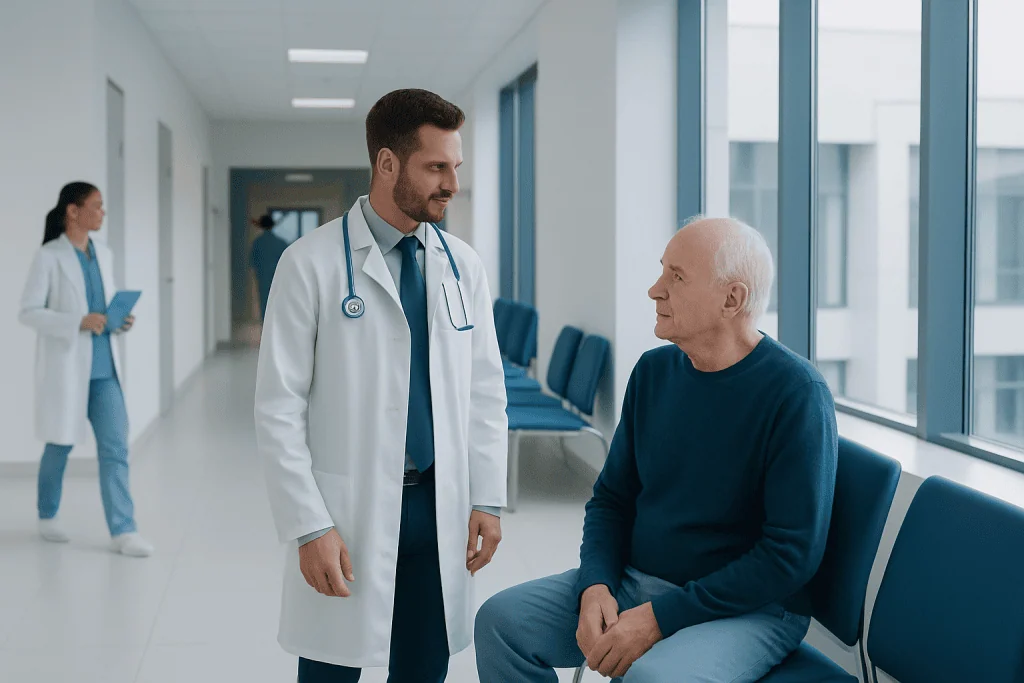
Because DBS is a highly specialized treatment, it is usually planned and delivered by a multidisciplinary team that may include a movement disorders neurologist, neurosurgeon, neuropsychologist, imaging specialists, anesthesiologists, and rehabilitation professionals. This team-based approach helps decide whether Parkinson disease symptoms are likely to improve with surgery and how to tailor treatment to each patient.
Who May Be a Candidate for DBS
Not everyone with Parkinson disease needs or benefits from DBS. In general, the best candidates are people who have had Parkinson disease for several years, still show meaningful improvement when they take levodopa, but have troublesome motor fluctuations, medication-related dyskinesias, or tremor that remains difficult to control. A good response to levodopa often suggests that symptoms may also respond to DBS.
Doctors also look at overall health, cognitive function, mood, and daily independence. People with severe dementia, uncontrolled depression, active psychosis, or major untreated medical problems may not be ideal candidates because the risks of surgery or the demands of follow-up care may outweigh the benefits. Age alone does not automatically rule out DBS, but older adults may need especially careful assessment.
The decision is individualized. Some patients are referred when symptoms begin to interfere with work, walking, sleep, or self-care despite the best medication plan. Others may need more time with non-surgical treatments before surgery is considered. An honest discussion about goals is important, because DBS can be very helpful for certain symptoms but is not designed to treat every feature of Parkinson disease.
Many centers also assess how much support a patient has at home. Programming visits, medication adjustments, and recovery are easier when family members or caregivers understand the process. Shared decision-making helps patients weigh the likely benefits, possible side effects, and long-term responsibilities of living with an implanted device.
Step by Step Before Surgery: Evaluation and Planning
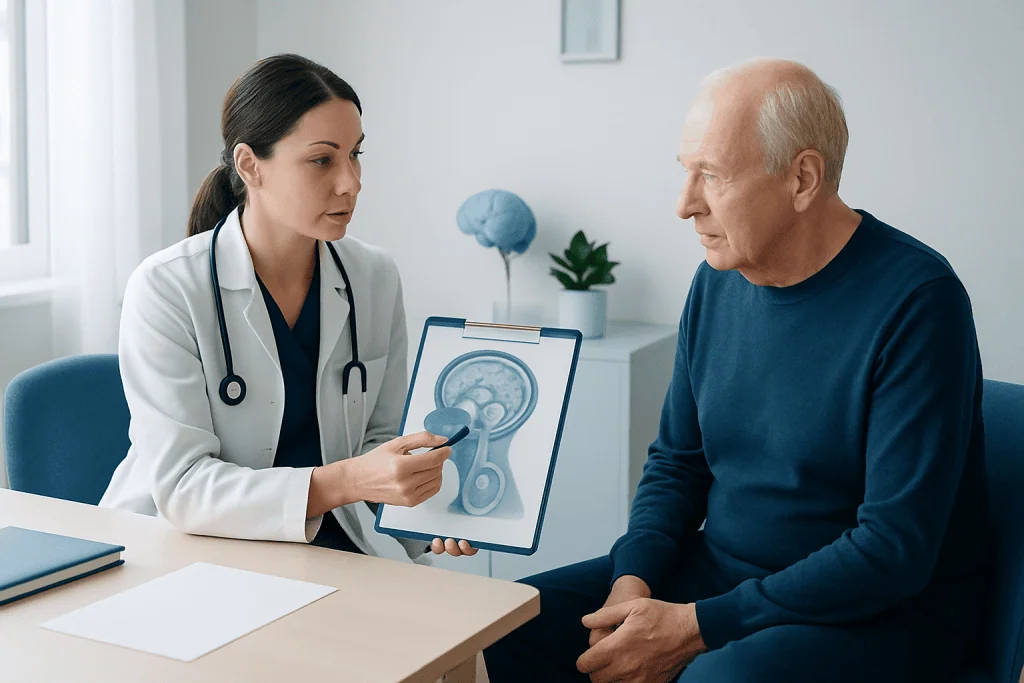
The first step is usually a detailed consultation with a movement disorders specialist. The doctor reviews symptoms, medicines, side effects, and how Parkinson disease affects daily life. A physical examination is often done both when medication is working well and when it is wearing off. This comparison helps the team understand which symptoms are likely to respond to DBS.
Most patients also undergo brain imaging, such as MRI or CT, to help map the brain and plan the safest path for electrode placement. Neuropsychological testing is commonly included as well. These tests assess memory, attention, language, mood, and problem-solving. They do not simply decide whether a patient is “good” or “bad” for surgery; rather, they help predict how a person may cope with the procedure and with long-term device management.
Medication review is another essential step. The team may ask the patient to keep a symptom diary or come in for formal testing after taking and withholding medication. Blood tests and other preoperative checks may be needed to make sure surgery can be performed safely. If the patient takes blood thinners or has other chronic conditions, those will be coordinated carefully before the operation.
Once the team decides that surgery is appropriate, they discuss the target area in the brain, the type of device, and the expected care pathway. Patients may hear about brain surgery in general terms, but DBS is a very specific form of functional neurosurgery designed to alter signaling rather than remove brain tissue. The team also explains practical details such as fasting, medication instructions, shaving or skin preparation, and what to expect on the day of admission.
What Happens During the DBS Procedure
DBS is usually done in stages, although the exact sequence varies by hospital and surgeon. One stage involves placing the electrodes into the target area of the brain. Another stage involves implanting the pulse generator under the skin of the chest and connecting it to the brain leads with extension wires tunneled under the skin of the neck. Some centers complete these steps on the same day, while others separate them.
On the day of electrode placement, the patient is positioned carefully so the surgical team can reach the planned brain target with great precision. Imaging guidance and specialized navigation systems are used to help confirm the location. Depending on the center and the patient’s needs, the procedure may be performed while the patient is awake for part of the surgery or under general anesthesia. When awake techniques are used, the team may ask the patient to move, speak, or report sensations so they can evaluate electrode effects during placement.
After the leads are placed, the surgeon secures them and closes the scalp incisions. In the chest stage, a small pocket is created under the skin to place the battery-powered neurostimulator. The leads are then connected to this device. The implanted system is entirely beneath the skin. Although the idea of brain surgery can feel intimidating, DBS incisions are relatively focused, and the goal is precise symptom control with as little disruption as possible.
As with any operation, there are risks. These may include bleeding, infection, stroke, hardware problems, temporary confusion, speech or balance changes, mood changes, or stimulation-related side effects. The care team explains these risks in advance and takes multiple steps to reduce them, including careful screening, sterile technique, imaging guidance, and close monitoring after surgery.
Recovery, Activation, and Programming
Recovery from the operation begins in the hospital, where staff monitor the patient for pain, nausea, confusion, headache, and any neurological changes. Some patients go home within a short time, while others stay longer depending on their health and the details of the procedure. Mild soreness around the scalp, chest, or neck is common in the early recovery period.
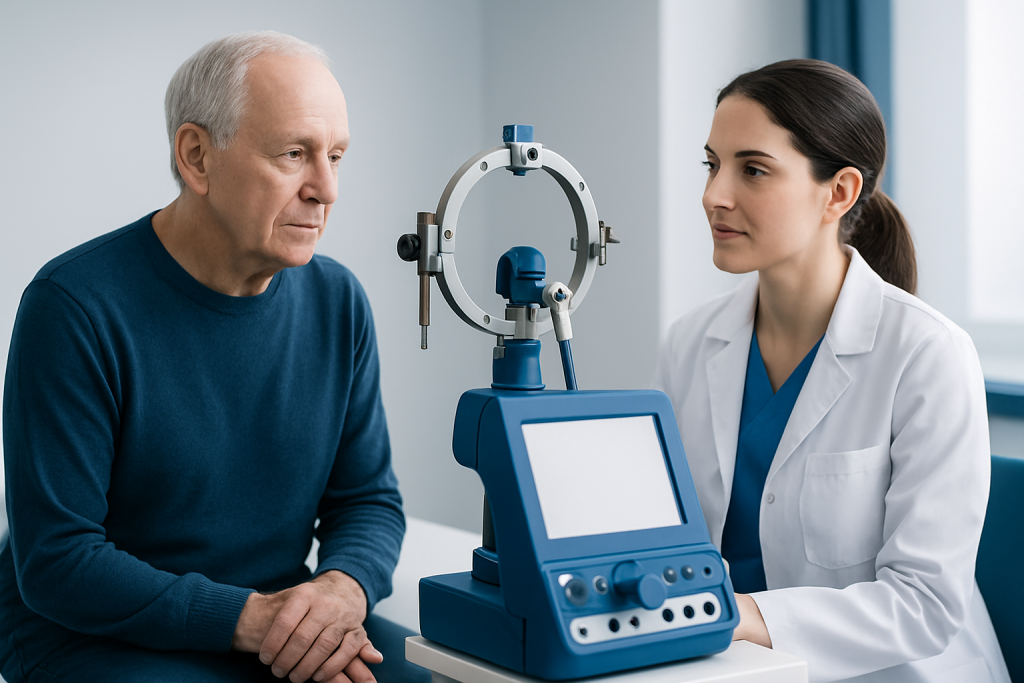
The device is usually not turned on immediately after surgery. Instead, there is often a short healing period before activation. At the first programming visit, a neurologist or trained DBS specialist uses an external programmer to communicate with the implanted device. Different settings are tested to find a balance between symptom relief and side effects. This first session can take time because stimulation must be adjusted thoughtfully.
Programming is one of the most important parts of successful DBS. The effect is not simply “on” or “off.” Voltage or current, pulse width, frequency, and active contacts can all be changed. Several visits may be needed over weeks or months to refine the settings. During the same period, Parkinson medication may also be reduced or adjusted, especially if dyskinesias improve.
Some patients notice improvement quickly, while others improve more gradually as programming continues. Tremor may respond dramatically, whereas walking, speech, or non-motor symptoms may need more careful expectation-setting. Follow-up is ongoing because symptoms and treatment needs can change over time. In some cases, support from neurological rehabilitation can help patients regain confidence in movement and daily activities after surgery.
Benefits, Limitations, and Long-Term Care
The main benefits of DBS are often better control of tremor, stiffness, slowness, motor fluctuations, and dyskinesias. Many patients experience more predictable daily function and fewer swings between good and bad movement periods. Some are able to lower certain Parkinson medicines, which can reduce medication side effects. These improvements can make eating, dressing, walking, writing, or sleeping easier for selected patients.
At the same time, DBS has limits. It does not cure Parkinson disease, restore the brain to normal, or replace all medications in every patient. It may not help symptoms that do not respond well to levodopa. It also requires ongoing management of the implanted device, including periodic checks, programming changes, and eventual battery replacement or recharging, depending on the type of system used.
Long-term follow-up is essential. If symptoms change, a doctor may adjust stimulation settings, review medications, or look for other medical issues that can affect function, such as infection, dehydration, or sleep problems. Hardware-related issues, though not common, can also arise over time, including lead movement, battery depletion, or discomfort around the implanted components.
For patients seeking care across borders, centers such as Acibadem International offer multidisciplinary evaluation and treatment for movement disorders in JCI-accredited hospitals, with coordinated support for international patients. In carefully selected cases, related specialist services such as Gamma Knife radiosurgery may be discussed for other neurological conditions, but DBS remains a distinct treatment pathway for Parkinson disease.
Preparing Well and Knowing When to Contact the Doctor
Good preparation can make the DBS journey smoother. Before surgery, patients are usually advised to bring an updated medication list, discuss all supplements, ask about driving and work restrictions, and arrange help at home for the first days after discharge. Writing down goals and questions can also help during appointments. Patients often feel more confident when they understand the expected timeline from evaluation to surgery to programming.
After surgery, incision care instructions should be followed closely. The patient should avoid manipulating the wounds and should ask before resuming strenuous exercise. It is also helpful to keep a diary of symptom changes after activation, noting when tremor, stiffness, slowness, or dyskinesias improve or worsen. This gives the DBS team useful information for future programming sessions.
Medical advice should be sought promptly if there is fever, increasing redness or drainage from the incision, severe headache, marked confusion, weakness, worsening speech, sudden balance changes, chest swelling near the device, or symptoms suggesting the device is not working properly. Even if a problem turns out to be minor, early review is the safest approach.
DBS is most successful when patients stay engaged in long-term care. Regular appointments, realistic expectations, physical activity, and communication with the care team all play a role. If symptoms continue to change, the doctor may explore whether the change is due to disease progression, medication timing, stimulation settings, or another condition such as essential tremor or a different movement disorder pattern.
Frequently asked questions
Is deep brain stimulation a cure for Parkinson disease?
No. Deep brain stimulation does not cure Parkinson disease or stop it from progressing. It is used to help control certain movement symptoms, especially when medications no longer provide steady relief.
How do doctors decide if someone is a good candidate for DBS?
Doctors look at how well symptoms respond to levodopa, what type of movement problems are present, and how much symptoms affect daily life. They also assess memory, mood, general health, and the ability to attend follow-up programming visits.
Will a person still need Parkinson medication after DBS?
Many people still need medication after DBS, although the amount or timing may change. Some patients can reduce certain medicines, but the goal is better symptom control rather than complete medication withdrawal.
Is DBS surgery done while the patient is awake?
Sometimes yes, and sometimes no. Some centers perform part of the procedure with the patient awake to test responses during electrode placement, while others use general anesthesia depending on the technique, the hospital, and the patient's needs.
What symptoms does DBS help most?
DBS most often helps tremor, stiffness, slowness, dyskinesias, and motor fluctuations. It may be less effective for symptoms such as balance difficulty, speech problems, swallowing issues, or memory changes, especially if these are not medication-responsive.
How soon does DBS start working?
The device is often activated after a short healing period rather than immediately after surgery. Some benefits may appear quickly after programming starts, but the best results usually require several follow-up visits to fine-tune settings.
References
- National Institute of Neurological Disorders and Stroke
- Parkinson's Foundation
- National Institute for Health and Care Excellence
- American Academy of Neurology
- International Parkinson and Movement Disorder Society
This article is for general information only and is not a substitute for professional medical advice. Please consult a qualified doctor about your individual situation.
Parkinson Disease in Turkey — costs, top hospitals & a free quote
JCI-accredited · board-certified surgeons · reply within 24h
Add us as a Preferred Source to see more of our trusted health content across Google Search, AI Overviews and Discover.

Neurology
Diagnosis and treatment of disorders of the brain, spinal cord, nerves and muscles.
51 specialists in this unit