Dementia vs Depression: How Neuropsychology Helps Clarify Symptoms

Depression can affect attention, memory, and decision-making, sometimes closely resembling dementia. Dementia usually causes progressive cognitive decline, while depression-related cognitive problems may improve with appropriate treatment.
Key Takeaways
- Depression can affect attention, memory, and decision-making, sometimes closely resembling dementia.
- Dementia usually causes progressive cognitive decline, while depression-related cognitive problems may improve with appropriate treatment.
- Neuropsychological testing measures different thinking skills and looks for patterns that help separate mood-related changes from neurodegenerative disease.
- A complete evaluation often includes medical history, medication review, laboratory tests, brain imaging, and input from family members.
- Early assessment is important because both dementia and depression benefit from timely care, planning, and support.
Dementia and depression can both cause forgetfulness, slowed thinking, low motivation, and changes in daily function. Neuropsychology helps clarify the pattern of symptoms so patients and families can receive the right diagnosis, treatment, and support.
Overview
Memory changes in an older adult can be worrying, especially when they affect conversations, appointments, finances, or daily routines. Two common possibilities are dementia and depression. They can overlap because depression may reduce attention and mental energy, while dementia can affect mood, motivation, and sleep. For this reason, it is not always possible to tell the difference from a brief conversation alone.
Dementia is not a single disease. It is a syndrome in which changes in the brain cause a persistent decline in cognitive abilities such as memory, language, planning, orientation, or judgment. Alzheimer’s disease, vascular dementia, Lewy body dementia, frontotemporal dementia, and other neurodegenerative conditions can all cause dementia. Depression is a mood disorder that can also change how the brain processes information, leading to slowed thinking, poor concentration, forgetfulness, and difficulty making decisions.
Neuropsychology is especially helpful when symptoms are mixed or unclear. A neuropsychological assessment looks at how different parts of thinking are working, not just whether a person passes or fails a simple memory screen. This can help clinicians understand whether the pattern is more consistent with depression, dementia, both conditions together, medication effects, sleep problems, or another medical issue.
Why Dementia and Depression Can Look Alike
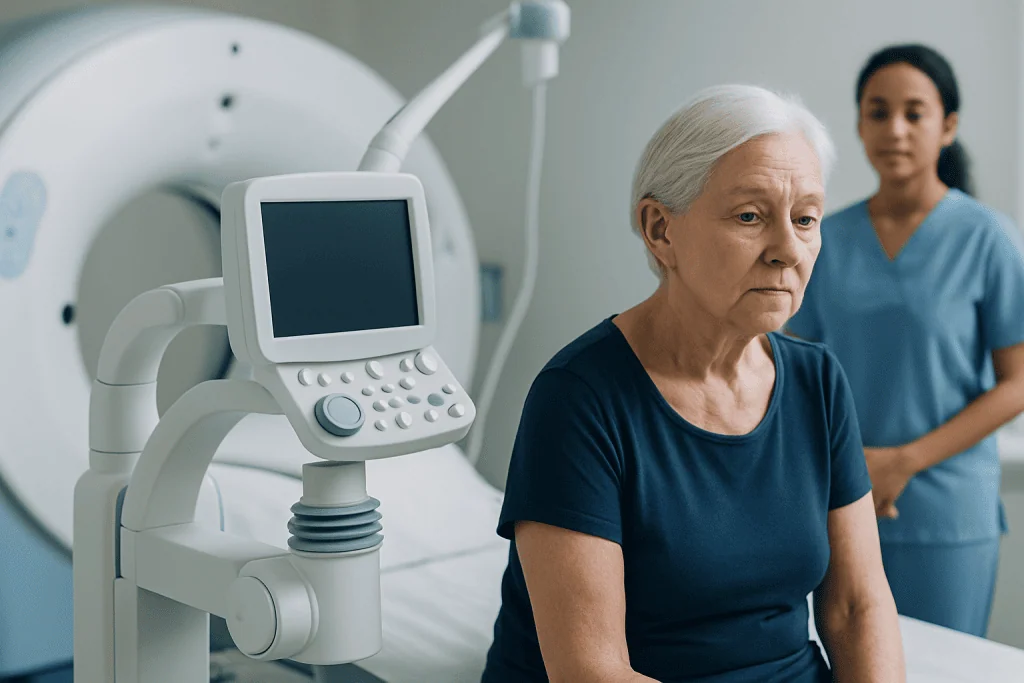
Depression can affect cognition in several ways. A person may have trouble concentrating, take longer to respond, forget details because they were not fully absorbed in the first place, or feel too fatigued to complete tasks. They may also describe themselves as unable to think clearly, often saying that their memory is poor. These symptoms can interfere with work, social life, medication management, and household responsibilities.
Dementia can also begin subtly. A person may repeat questions, misplace items in unusual places, struggle with directions, lose track of bills, or have difficulty finding words. Mood changes can occur as well, including apathy, irritability, anxiety, or sadness. In some people, depression appears before or during the early stages of dementia, which makes careful assessment even more important.
Clinicians sometimes use the term depressive cognitive disorder or, historically, pseudodementia to describe cognitive problems caused mainly by depression. However, the older term can be misleading because the symptoms are real and distressing. In addition, depression in later life can coexist with dementia or signal increased vulnerability to later cognitive decline. The goal is not to label symptoms quickly, but to understand their cause and treat what can be treated.
Key Symptom Clues Clinicians Look For

No single symptom proves that a person has dementia or depression. Instead, clinicians look for the pattern, timing, and impact of symptoms. Depression-related cognitive problems often appear over weeks or months and may fluctuate with mood, sleep, stress, or motivation. Dementia-related changes more often show a gradual, progressive decline, although some types, such as vascular cognitive impairment, may worsen in steps after strokes or small vessel changes.
In depression, a person may emphasize memory complaints and feel very concerned about their performance. They may answer “I don’t know” frequently during testing, but with encouragement or structure they may do better. In dementia, the person may be less aware of errors, may confidently give incorrect answers, or may have difficulty learning new information even when motivated and supported. Family members often notice that the person is repeating themselves or needing more help than before.
Common comparison points include:
- Attention: Depression often causes distractibility and mental slowing; dementia can also affect attention, especially in Lewy body dementia or vascular disease.
- Memory: Depression may affect recall because information was not encoded well; Alzheimer’s disease often affects learning and retention even after cues.
- Daily function: Depression may reduce activity because of low energy; dementia may cause errors in familiar tasks despite effort.
- Mood and motivation: Sadness, guilt, hopelessness, and loss of pleasure suggest depression, while apathy without sadness can be seen in several dementias.
- Course over time: Improvement with depression treatment supports a mood-related component, while ongoing decline suggests the need for further dementia evaluation.
How Neuropsychology Helps Clarify the Picture
A neuropsychological evaluation is a detailed assessment of thinking skills, mood, behavior, and daily functioning. It is usually performed by a neuropsychologist or a trained specialist working with a medical team. The assessment may include an interview with the patient, input from a family member or caregiver, standardized tests, symptom questionnaires, and review of medical records.
Testing may measure memory, attention, processing speed, language, visual-spatial skills, executive functions, problem-solving, and emotional symptoms. The pattern of strengths and weaknesses is often more informative than a single score. For example, a person with depression may show slow processing speed and inconsistent effort because of fatigue or low mood, while a person with Alzheimer-type dementia may show significant difficulty learning and retaining new information. Someone with frontotemporal dementia may have early changes in behavior, judgment, or language rather than memory.
Formal neuropsychology assessment can also establish a baseline. This is valuable because repeating selected tests later can show whether cognition is stable, improving, or declining. It can guide practical recommendations, such as medication reminders, driving evaluation, work accommodations, caregiver support, cognitive rehabilitation strategies, or safety planning at home.
Importantly, neuropsychological testing does not replace medical evaluation. It works best when combined with neurological examination, psychiatric assessment, laboratory testing, medication review, and sometimes brain imaging. Together, these findings help the care team make a more accurate and individualized diagnosis.
Medical Evaluation and Diagnosis
A thorough evaluation begins with listening carefully to the patient and family. The doctor may ask when symptoms started, whether they are worsening, how they affect daily life, and whether there are changes in sleep, appetite, mood, movement, personality, or balance. A family member’s observations are often helpful because some people may not notice the extent of their own cognitive changes, while others may underestimate the role of depression and anxiety.
Doctors also look for reversible or contributing causes of cognitive symptoms. These may include thyroid disease, vitamin B12 deficiency, anemia, infections, kidney or liver problems, medication side effects, alcohol or substance use, untreated sleep apnea, chronic pain, hearing or vision loss, and severe stress or grief. Reviewing all prescription medicines, over-the-counter drugs, and supplements is important because some medications can affect alertness, memory, or mood.
Brain imaging may be recommended when symptoms are new, progressive, unusual, or accompanied by neurological signs. Magnetic resonance imaging or computed tomography can help identify strokes, tumors, normal pressure hydrocephalus, significant atrophy patterns, or other structural changes. In some cases, specialists in neuroradiology help interpret imaging alongside the clinical history and cognitive test results.
Diagnosis may involve a neurologist, psychiatrist, geriatrician, psychologist, primary care doctor, and sometimes sleep or rehabilitation specialists. For older adults with overlapping mood and cognitive symptoms, geriatric neurology care can be especially useful because it considers age-related medical complexity, frailty, medications, and caregiver needs.
Treatment Options and Support
Treatment depends on the main cause of symptoms. If depression is contributing, care may include psychotherapy, antidepressant medication when appropriate, improved sleep, physical activity, social support, treatment of pain or medical illness, and reduction of alcohol or sedating medications. Cognitive symptoms related to depression may improve gradually as mood, sleep, and energy improve, although recovery can take time.
If dementia is diagnosed, treatment focuses on managing the specific condition, supporting independence, reducing risks, and planning ahead. Some medications may help symptoms in certain types of dementia, but they are not suitable for everyone and should be discussed with a qualified doctor. Non-medication strategies are also important, including structured routines, calendars, medication organizers, safe home design, hearing and vision correction, caregiver education, and meaningful daily activities.
When depression and dementia occur together, both should be addressed. Treating depression can improve quality of life, participation in care, sleep, appetite, and functioning, even if an underlying dementia is present. Behavioral symptoms such as agitation, apathy, anxiety, hallucinations, or sleep disturbance may require careful assessment because the safest approach depends on the type of dementia, the person’s medical conditions, and the specific symptom.
A multidisciplinary approach can be helpful for complex cases. Specialists in neuropsychiatry may evaluate the interaction between mood, behavior, and brain function, while neurologists assess possible neurodegenerative, vascular, or movement-related causes. The aim is to provide a clear plan that is realistic for the patient and supportive for the family.
Prevention and Self-Care Strategies
Not all causes of dementia or depression can be prevented, but many brain-health habits support both cognitive and emotional well-being. Regular physical activity, balanced nutrition, good sleep, social connection, treatment of hearing or vision problems, and management of blood pressure, diabetes, cholesterol, and heart disease can all support brain health. Avoiding smoking and limiting alcohol are also important.
For people with depression, early treatment matters. Persistent low mood, loss of interest, social withdrawal, sleep changes, guilt, hopelessness, or thoughts of self-harm should be taken seriously. Depression is a medical condition, not a personal weakness, and many people improve with appropriate care. Family members can help by encouraging medical evaluation, reducing isolation, and supporting regular routines without criticism.
For people with memory concerns, practical strategies can reduce frustration. Keeping a consistent place for keys and glasses, using a pill organizer, writing appointments on one calendar, setting phone reminders, simplifying finances, and maintaining a predictable daily schedule can help. These tools are useful whether symptoms are due to depression, mild cognitive impairment, or early dementia.
It is also helpful to monitor change over time. Families may keep a brief symptom diary noting memory lapses, mood changes, sleep quality, new medications, falls, confusion episodes, or changes in daily function. This information can make appointments more productive and help clinicians see patterns that may not be obvious during a short visit.
When to See a Doctor
A person should seek medical advice if memory or thinking changes interfere with daily life, work, driving, medication use, finances, cooking, or personal safety. Evaluation is also important when symptoms are worsening, when family members are concerned, or when mood changes are persistent. Early assessment can identify treatable causes and provide guidance before problems become more difficult to manage.
Prompt medical attention is needed for sudden confusion, new weakness or numbness, trouble speaking, severe headache, seizure, high fever, head injury, hallucinations with major distress, or sudden personality change. These symptoms may have urgent neurological or medical causes and should not be assumed to be dementia or depression.
International patients seeking evaluation can consider centers with coordinated neurology, psychiatry, psychology, imaging, and rehabilitation services. Acibadem International’s multidisciplinary specialists and JCI-accredited hospitals diagnose and treat cognitive and mood-related neurological conditions for international patients, with care plans tailored to the individual’s medical needs.
Frequently asked questions
Can depression really cause memory loss?
Yes. Depression can affect attention, processing speed, motivation, sleep, and the ability to learn new information. This can feel like memory loss and may interfere with daily life. In many people, thinking improves when depression is properly treated, although follow-up is important.
How is dementia different from depression-related cognitive problems?
Dementia usually causes a persistent decline in one or more cognitive abilities and often progresses over time. Depression-related cognitive symptoms may fluctuate and can improve with treatment of mood, sleep, and energy. Because overlap is common, doctors use history, examination, testing, and sometimes imaging to clarify the cause.
What happens during neuropsychological testing?
The patient completes standardized tasks that measure memory, attention, language, problem-solving, processing speed, and other skills. The clinician also considers mood, effort, education, cultural background, medical history, and daily function. The results show a pattern of strengths and weaknesses that helps guide diagnosis and care.
Can a person have both dementia and depression?
Yes. Depression can occur before, during, or after a dementia diagnosis. Treating depression remains important because it can improve comfort, sleep, appetite, participation in care, and overall quality of life, even when dementia is also present.
Is a normal memory screening test enough to rule out dementia?
Not always. Brief screening tests can be useful, but they may miss subtle or early cognitive changes, especially in highly educated people or those with complex symptoms. If concerns continue, a more detailed neuropsychological assessment or specialist evaluation may be recommended.
When should family members raise concerns with a doctor?
Families should seek advice when memory, judgment, mood, or behavior changes affect daily responsibilities, safety, finances, medication use, or driving. It is helpful to bring specific examples and a list of medications to the appointment. A calm, supportive approach usually works better than arguing about mistakes.
References
- World Health Organization
- National Institute on Aging
- American Psychiatric Association
- Alzheimer’s Association
- American Academy of Neurology
This article is for general information only and is not a substitute for professional medical advice. Please consult a qualified doctor about your individual situation.
Neuropsychology in Turkey — costs, top hospitals & a free quote
JCI-accredited · board-certified surgeons · reply within 24h

Related Treatments
Related Conditions
More from the Health Library



Related Specialists

Prof. Dr. Ayşe Sağduyu Kocaman
Neurology
Prof. Dr. Mehmet Zafer Berkman
Neurosurgery
Prof. Dr. Pınar Yalınay Dikmen
Neurology
Prof. Dr. Elif Ilgaz Aydınlar
Neurology