

Dental Bridge Cost: What Affects the Total Price and Long-Term Value

Dental bridge cost is influenced by the type of bridge, materials, and the condition of nearby teeth and gums. Additional procedures such as fillings, root canal treatment, gum care, or crowns can increase the total price.
Key Takeaways
- Dental bridge cost is influenced by the type of bridge, materials, and the condition of nearby teeth and gums.
- Additional procedures such as fillings, root canal treatment, gum care, or crowns can increase the total price.
- A lower upfront fee does not always mean better value if the bridge needs earlier repair or replacement.
- Good oral hygiene and regular dental checkups help protect the bridge and improve long-term value.
- A dentist can provide the most accurate estimate only after an exam and imaging.
Dental bridge cost varies from person to person because the total price depends on the bridge design, materials, supporting teeth, and any extra treatment needed before placement. Looking at long-term value, maintenance, and durability can help patients make a more informed decision than comparing fees alone.
Overview: What Dental Bridge Cost Really Includes
Dental bridge cost is the total expense of replacing one or more missing teeth with a fixed dental restoration that is supported by nearby teeth or, in some cases, implants. Many patients first focus on the quoted bridge fee, but the full cost often includes consultation, dental imaging, tooth preparation, laboratory work, fittings, and follow-up visits. This is why two people asking for the “same” treatment may receive different estimates.
A dental bridge is designed to restore chewing, speech, and appearance by filling the gap left by missing teeth. When a bridge is recommended, the dentist considers the number of missing teeth, the health of the surrounding teeth and gums, the bite, and the most suitable materials. In some situations, a standard dental bridge may be the most practical option, while in others, different restorative plans may be discussed.
Understanding cost also means thinking beyond the day of treatment. A bridge that fits well, uses durable materials, and is supported by healthy teeth may offer better long-term value even if the initial fee is higher. Patients usually benefit most from asking what is included, what additional treatment might be needed, and how long the restoration is expected to last with proper care.
Main Factors That Affect the Total Price
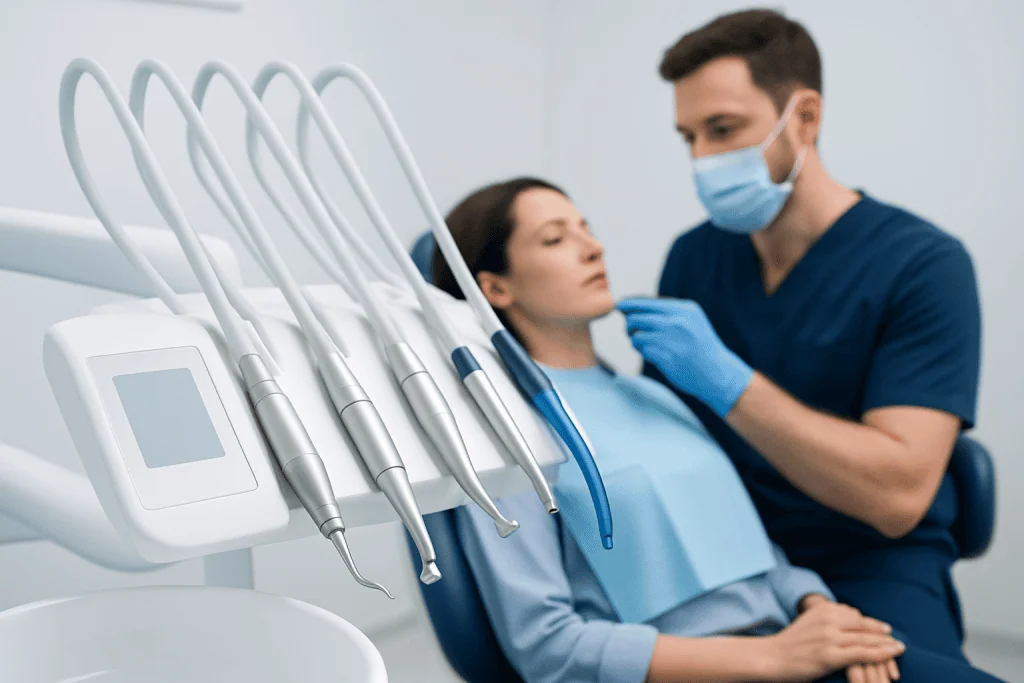
The type of bridge is one of the biggest cost factors. Traditional bridges, cantilever bridges, Maryland bridges, and implant-supported bridges differ in design, complexity, and the amount of preparation required. A bridge replacing one tooth may cost less than one replacing several teeth, but the final fee still depends on support, materials, and laboratory work.
Materials also matter. Porcelain-fused-to-metal, all-ceramic, zirconia, and metal-based restorations vary in appearance, strength, and production cost. More aesthetic materials may be preferred for front teeth, while durability may be the main priority for back teeth. The choice often depends on the location of the missing tooth, bite pressure, and patient expectations.
The skill and technology involved can also influence pricing. A clinic using advanced planning tools, digital scanning, or digital dentistry may offer improved precision and comfort, but this can affect fees. Geographic location, the experience of the dental team, and whether treatment is provided in a specialized center may also contribute to overall cost.
- Number of missing teeth
- Type of bridge used
- Bridge material and laboratory fabrication
- Condition of the supporting teeth
- Need for scans, impressions, or digital planning
- Clinic location and professional expertise
Pre-Treatment Needs That Can Increase Cost
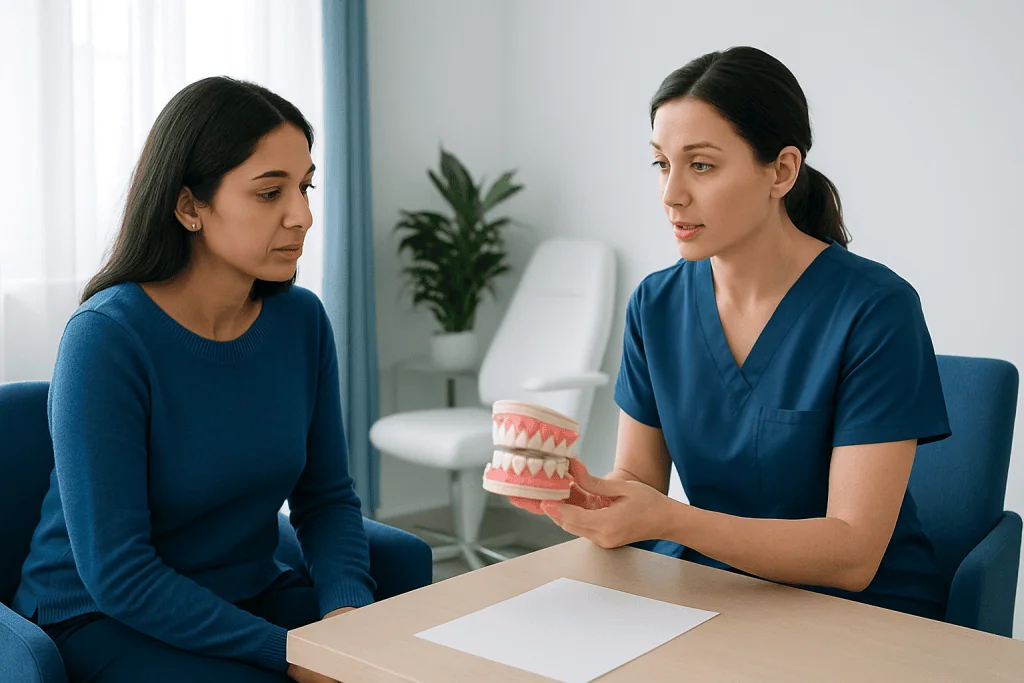
Many bridges cannot be placed safely until the mouth is healthy enough to support them. If the nearby teeth have decay, weak structure, or old restorations, they may need treatment first. For example, a patient may need dental fillings, root canal care, or replacement of damaged restorations before the bridge process can begin.
Supporting teeth are especially important because they may need reshaping and coverage with dental crowns as part of a traditional bridge. If these teeth are not strong enough, the long-term success of the bridge may be affected. This is why some treatment plans include extra steps that add to the total cost but improve reliability and function.
Gum health can also change the estimate. Active gum disease, plaque buildup, or inflammation may need to be managed first to reduce the risk of future complications. If a missing tooth has led to shifting, bite problems, or bone changes, the dentist may discuss alternative solutions or more extensive rehabilitation, which can further influence price.
Why Material Quality and Laboratory Work Matter
Dental bridges are not one-size-fits-all products. They are custom-made restorations designed to fit the patient’s mouth, bite, and appearance goals. Much of the value lies in the planning and laboratory work behind the final result. High-quality impressions or digital scans, careful shade matching, and precise fabrication can improve comfort and reduce the risk of poor fit.
Different materials come with different advantages. Ceramic and zirconia options can provide a natural look, especially in visible areas, while metal-supported bridges may offer strength in some cases. A dentist helps weigh appearance, function, and expected wear when recommending a material. A more expensive option is not automatically necessary, but the least expensive option may not suit every clinical situation.
Laboratory standards can affect both cost and outcome. A well-made bridge may feel more comfortable, look more natural, and place less strain on supporting teeth. This often contributes to long-term value by reducing the chance of early repair, repeated adjustments, or replacement. Patients can ask how the bridge will be made and what kind of durability is expected for their specific case.
Long-Term Value: Looking Beyond the Initial Fee
When comparing options, many patients ask not only “How much is a dental bridge?” but also “Is it worth it over time?” Long-term value depends on how well the bridge restores daily function, how long it is likely to last, and how much maintenance it may need. A bridge that allows comfortable eating, clearer speech, and a stable bite can offer important quality-of-life benefits.
Durability is influenced by oral hygiene, bite forces, smoking, gum health, and the condition of the supporting teeth. Even a well-made bridge may fail earlier if plaque builds up, the gums become unhealthy, or the abutment teeth develop decay. In this sense, the true value of a bridge is shared between the quality of treatment and the patient’s home care habits.
For some patients, alternatives such as removable dentures or implant-supported solutions may also be discussed. Each option has different costs, maintenance needs, and long-term considerations. A dentist may compare a bridge with broader restorative options available through general dentistry or more complex full-arch approaches in selected cases, helping the patient choose the most appropriate balance of cost, longevity, and comfort.
How Dentists Assess Cost and Recommend the Best Option
An accurate cost estimate usually starts with a full dental examination. The dentist checks the missing tooth area, the health of the gums, the strength of nearby teeth, and the way the upper and lower teeth meet. X-rays or other imaging may be used to identify hidden problems that could affect treatment planning and long-term success.
During the consultation, patients can expect a discussion about the type of bridge being considered, what appointments are needed, whether temporary restorations will be used, and what additional procedures may be necessary before placement. The most helpful estimates are itemized so patients can see what is included and whether there are possible extra costs if new findings appear during treatment.
In some centers, careful planning may involve digital workflows or multidisciplinary input, especially when missing teeth are combined with cosmetic, gum, or bite concerns. Near the end of care planning, patients may also wish to ask about expected lifespan, cleaning techniques, follow-up visits, and repair or replacement considerations. At Acibadem International, multidisciplinary specialists in JCI-accredited hospitals diagnose and treat dental restoration needs for international patients.
Protecting the Bridge and Improving Value Over Time
Once a bridge is in place, daily care plays a major role in protecting the investment. A bridge cannot get cavities itself, but the supporting teeth can still decay, and the gums around the bridge can become inflamed. Brushing twice daily, cleaning under the bridge as advised, and attending routine dental visits help lower the risk of complications.
Special cleaning tools may be recommended, such as floss threaders, interdental brushes, or water flossing devices. The exact method depends on the bridge design and the patient’s dexterity. Professional cleaning and early treatment of small problems can help preserve both comfort and function over time.
Lifestyle habits matter as well. Avoiding tobacco, managing teeth grinding, and being cautious with very hard foods may reduce strain on the bridge. Patients who clench or grind may be assessed for bite protection, especially if there is a history of bruxism. These steps do not guarantee a certain lifespan, but they can improve the chances of long-term success.
- Brush thoroughly along the gumline and around supporting teeth
- Clean under the bridge every day using the method advised by the dentist
- Attend regular checkups and professional cleanings
- Report looseness, discomfort, or food trapping early
- Use a night guard if grinding or clenching is present
When to Seek Dental Advice
A missing tooth should be assessed by a dentist even if it is not painful. Delaying treatment may allow neighboring teeth to shift, affect the bite, and make later treatment more complex. Early evaluation also helps identify whether a bridge is appropriate or whether another restorative option may be better suited to the patient’s needs.
Patients who already have a bridge should arrange review if they notice pain, bad odor, bleeding gums, food getting stuck, changes in bite, or any feeling that the bridge is loose or damaged. These signs do not always mean the bridge has failed, but they deserve prompt attention to prevent a small issue from becoming a larger one.
Anyone comparing treatment plans should feel comfortable asking what is included in the price, what materials are being proposed, how the bridge will be maintained, and what alternatives exist. Clear communication helps patients judge not only the initial dental bridge cost, but also the long-term value of the treatment recommended for their individual oral health.
Frequently asked questions
What is usually included in dental bridge cost?
Dental bridge cost often includes the examination, imaging, tooth preparation, impressions or scans, the bridge itself, fitting appointments, and some follow-up care. However, what is included can vary by clinic, so patients should ask for an itemized estimate.
Why can two patients get very different price estimates for a dental bridge?
Each patient has different oral health needs, and those differences affect treatment complexity. The number of missing teeth, bridge type, materials, supporting teeth, and need for additional care all influence the final cost.
Does a more expensive dental bridge always mean better quality?
Not always. A higher fee may reflect more advanced materials, more detailed laboratory work, or additional planning, but the best choice depends on the patient’s clinical needs. A dentist can explain whether a cost difference is likely to improve durability, fit, or appearance in that specific case.
Can extra dental problems increase the total cost of a bridge?
Yes. Problems such as tooth decay, weak supporting teeth, gum disease, or bite issues may need treatment before a bridge can be placed safely. These steps can increase the total cost, but they may also improve the long-term success of the restoration.
How long does a dental bridge usually last?
A dental bridge can last for many years, but there is no fixed lifespan for every patient. Its durability depends on material choice, bite forces, oral hygiene, gum health, and how well the supporting teeth remain healthy over time.
Is a dental bridge worth the cost?
For many patients, a bridge is worthwhile because it can restore chewing, speech, appearance, and bite stability. The value is often strongest when the bridge is well planned, properly maintained, and suited to the patient’s long-term oral health goals.
References
- American Dental Association
- National Institute of Dental and Craniofacial Research
- Mayo Clinic
- NHS
- FDI World Dental Federation
This article is for general information only and is not a substitute for professional medical advice. Please consult a qualified doctor about your individual situation.
Dental Bridge in Turkey — costs, top hospitals & a free quote
JCI-accredited · board-certified surgeons · reply within 24h
Add us as a Preferred Source to see more of our trusted health content across Google Search, AI Overviews and Discover.

Dental & Oral Health
Full-scope dental care from implants and aesthetics to oral and maxillofacial surgery.
158 specialists in this unitRelated Treatments
More from the Health Library



Related Specialists

Assoc. Prof. Dr. Ferit Bayram
Oral & Dental Health
Dt. Alara Naz Kenir
Oral & Dental Health
Dt. Gonca Katmer
Oral & Dental HealthDt. Doğa Baysal
Oral & Dental Health