

Dental Bridge Recovery: Eating, Cleaning, and Getting Used to Your New Bite

Most people need a short adjustment period after getting a dental bridge. Soft foods and careful chewing can reduce discomfort in the first days.
Key Takeaways
- Most people need a short adjustment period after getting a dental bridge.
- Soft foods and careful chewing can reduce discomfort in the first days.
- Cleaning around and under the bridge every day is essential to protect the supporting teeth and gums.
- A new bite should feel comfortable over time; persistent high spots or pain should be checked by a dentist.
- Regular dental follow-up helps detect problems early and supports long-term bridge success.
Dental bridge recovery is usually straightforward, but the mouth often needs time to adjust to changes in pressure, chewing, and daily cleaning. Knowing what to eat, how to clean, and when to ask for help can make the transition smoother and help the bridge last longer.
Overview: What to Expect During Dental Bridge Recovery
A dental bridge replaces one or more missing teeth by attaching an artificial tooth, or pontic, to nearby supporting teeth or implants. After placement, many people notice that the bridge feels different at first. This is normal because the tongue, cheeks, bite, and jaw muscles all need time to adapt to the new shape and contact points in the mouth.
Recovery is usually less about healing from a major procedure and more about adjusting to daily function. There may be mild gum tenderness, temporary sensitivity to temperature, or a sense that the bite feels slightly unfamiliar. These sensations often improve over several days to a couple of weeks, especially as chewing becomes more natural.
The exact experience depends on the type of bridge and the work done beforehand. If the supporting teeth were reshaped and covered with crowns, there may be some sensitivity from that preparation. If the bridge is part of a broader restorative plan, such as dental crowns or dental implants, recovery may involve additional instructions from the dentist.
Common Symptoms and the Adjustment Period
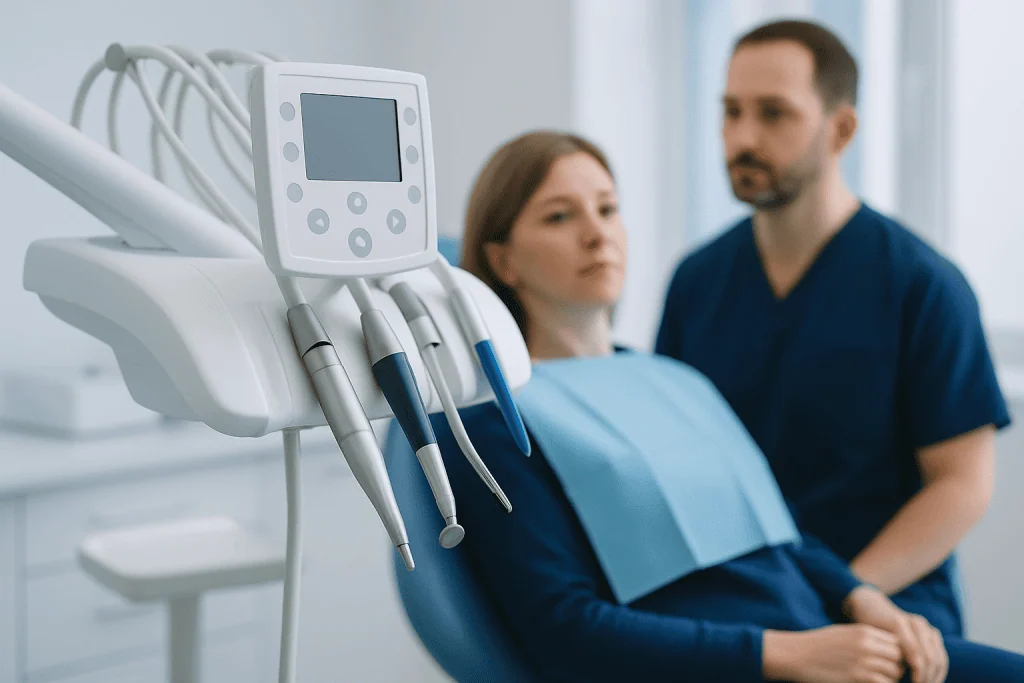
In the first days after a dental bridge is fitted, mild soreness or a feeling of pressure is common. The gums around the bridge may be tender, and some people notice increased awareness of the bridge while speaking or swallowing. This does not usually mean there is a problem. The mouth is highly sensitive, so even a well-fitted restoration can feel noticeable at first.
Some people also describe the new bite as “high,” “bulky,” or slightly uneven. A bridge should not cause ongoing pain, but it can initially feel different from natural teeth. Small changes in the way the upper and lower teeth meet may be enough to make chewing feel awkward until the brain and jaw muscles adjust.
A dentist should be contacted if symptoms are getting worse rather than better, or if there is sharp pain when biting down. Warning signs can include a bridge that feels loose, persistent gum swelling, trapped food that cannot be managed with cleaning, or a bite that still feels clearly off after a short adjustment period.
- Mild tenderness or sensitivity is often temporary.
- Speech may feel slightly different for a few days.
- Chewing should become easier as the mouth adapts.
- Persistent pain, looseness, or a painful bite should be evaluated.
Eating After a Dental Bridge

Eating with a new dental bridge is usually easiest when food choices are simple at first. Soft foods help limit pressure on the bridge and supporting teeth while the mouth adjusts. Good early options may include yogurt, eggs, soup, soft rice, pasta, cooked vegetables, fish, oatmeal, and tender fruits. Taking smaller bites and chewing slowly can also make meals more comfortable.
During the first days, it is often wise to avoid very hard, sticky, or chewy foods. Items such as ice, hard candy, crusty bread, chewing gum, caramel, and very tough meats may put extra stress on the bridge or pull at the restoration. Extremely hot or cold foods may also trigger sensitivity in some people, especially if the teeth under the bridge were recently prepared.
As comfort improves, most people can gradually return to a normal diet. Even long term, though, a dental bridge benefits from sensible eating habits. Limiting sticky sweets and very hard foods can reduce the risk of damage and decay around the supporting teeth. If a bridge is repeatedly exposed to heavy biting force, especially in people with bruxism, the dentist may recommend added protection such as a night guard.
How to Clean Under and Around a Dental Bridge
Cleaning is one of the most important parts of dental bridge recovery and long-term success. Unlike a natural tooth, the artificial tooth in a traditional bridge does not have a root, so food and plaque can collect underneath it. If this area is not cleaned well, the gums may become irritated and the supporting teeth may develop decay or gum problems.
Most people are advised to brush twice a day with a soft-bristled toothbrush and fluoride toothpaste. Brushing should include the gumline and all sides of the bridge and supporting teeth. Because a regular toothbrush cannot fully clean under the pontic, many dentists also suggest tools such as floss threaders, special bridge floss, interdental brushes, or a water flosser. The most suitable tool depends on the bridge design and the person’s dexterity.
A simple cleaning routine may include guiding floss or bridge floss under the false tooth once daily and gently moving it back and forth to remove debris. Care should be taken not to snap floss against the gums. People with a history of gum irritation, plaque buildup, or bleeding gums may need more personalized hygiene support and regular professional cleaning. Following guidance on daily dental hygiene can help keep both the bridge and the surrounding tissues healthy.
Getting Used to Your New Bite and Speech
A new bridge may briefly affect how the teeth come together, how the tongue rests, and how certain sounds are formed. This is especially true if the bridge replaces front teeth or changes the shape of the biting surfaces. Many people adapt naturally within days as the mouth learns the new contours.
Chewing evenly on both sides of the mouth, when comfortable, can help the jaw muscles settle into a balanced pattern. If the bridge is on one side, people sometimes avoid using it at first, which can prolong the feeling that it is unfamiliar. Starting with soft foods and gradually increasing use often helps build confidence.
Reading aloud for a few minutes a day may help if speech feels slightly different. However, the bite should not feel painful or unstable. If there is clicking, jaw fatigue, repeated cheek biting, or a consistent feeling that one tooth is hitting before the others, the bridge may need a small adjustment. This is usually a simple dental visit and should not be ignored if discomfort continues.
Follow-Up Care, Longevity, and Possible Problems
Dental bridges often need a follow-up visit after placement so the dentist can check comfort, fit, and bite balance. At this appointment, the dentist may adjust small high spots, review cleaning technique, and look for pressure areas on the gums. These visits are useful even when symptoms are mild, because small issues are easier to fix early.
Over time, the health of the supporting teeth and gums plays a major role in how long a bridge lasts. A bridge can fail if decay develops under the crowns, if the cement seal is compromised, or if gum disease weakens the surrounding tissues. Damage can also occur from trauma, clenching, or biting hard objects. In some cases, people may later discuss alternatives or future treatment plans involving dental bridge care or implant-based replacement.
Possible problems to watch for include persistent bad breath, a bad taste, visible gaps at the edge of the crowns, gum recession, recurrent sensitivity, or a sensation that the bridge moves during chewing. These symptoms do not always mean the bridge must be replaced, but they do warrant professional assessment. Early care may prevent more complex issues.
Prevention and Self-Care Tips
Good self-care can make recovery easier and help protect the bridge for years. In addition to brushing and cleaning under the bridge daily, regular dental checkups are important. Professional exams allow the dentist to monitor the margins of the crowns, the health of the gums, and the condition of nearby teeth.
It is also helpful to avoid habits that place extra force on the teeth. Nail biting, chewing pens, opening packages with the teeth, and crunching ice can all damage dental work. If a person grinds or clenches at night, a custom night guard may be recommended to reduce stress on the bridge and supporting structures.
General oral health also matters. Managing dry mouth, limiting frequent sugary snacks, and stopping tobacco use can support healthier gums and lower the risk of decay. For older adults or those with more complex oral care needs, specialized support such as geriatric dentistry may help maintain comfort and function over time.
When to See a Dentist
A dentist should be contacted if the bridge feels loose, cracks, or causes persistent pain. It is also important to seek care if there is gum swelling, bleeding that does not improve, trouble cleaning under the bridge, or a bite that still feels wrong after the first adjustment period. These symptoms can often be managed, but they should not be left to worsen.
Urgent dental attention may be needed if there is significant swelling, fever, pus, severe pain, or sudden inability to bite properly. These signs may point to infection, trauma, or a problem with the supporting tooth. If the bridge becomes dislodged, it should not be forced back into place at home.
For international patients who need assessment or follow-up, Acibadem International’s multidisciplinary dental specialists in JCI-accredited hospitals diagnose and treat bridge-related concerns as part of comprehensive oral care. A qualified dentist can determine whether simple adjustment, improved cleaning, repair, or replacement is the best next step.
Frequently asked questions
How long does it take to get used to a dental bridge?
Many people begin to feel more comfortable within a few days, although full adjustment can take one to two weeks. The mouth, tongue, and jaw muscles need time to adapt to the new shape and bite.
What foods are best after getting a dental bridge?
Soft, easy-to-chew foods are usually best at first. Examples include eggs, yogurt, soup, pasta, soft vegetables, fish, and oatmeal. Hard, sticky, or very chewy foods are better avoided until the mouth feels comfortable.
How do you clean under a dental bridge?
A bridge usually needs more than regular brushing alone. Dentists often recommend floss threaders, special bridge floss, interdental brushes, or a water flosser to remove plaque and food from under the false tooth. Daily cleaning is important to protect the gums and supporting teeth.
Is it normal for a dental bridge to feel strange at first?
Yes, it is common for a new bridge to feel bulky, slightly different, or unusual when biting or speaking at first. This sensation often improves as the mouth adjusts. If it remains uncomfortable or painful, the bridge may need a minor adjustment.
Can a dental bridge affect the bite?
A new bridge can temporarily change how the teeth meet, especially if it restores a missing chewing surface. The bite should feel balanced and comfortable after a short period. Ongoing pressure, jaw pain, or one-sided chewing should be checked by a dentist.
When should someone call the dentist after a dental bridge?
A dentist should be contacted if there is persistent pain, looseness, swelling, trouble biting, or difficulty cleaning around the bridge. Sudden severe pain, fever, pus, or a bridge that comes off needs prompt professional attention.
References
- American Dental Association
- National Institute of Dental and Craniofacial Research
- Mayo Clinic
- National Health Service
- FDI World Dental Federation
This article is for general information only and is not a substitute for professional medical advice. Please consult a qualified doctor about your individual situation.
Dental Bridge in Turkey — costs, top hospitals & a free quote
JCI-accredited · board-certified surgeons · reply within 24h
Add us as a Preferred Source to see more of our trusted health content across Google Search, AI Overviews and Discover.

Dental & Oral Health
Full-scope dental care from implants and aesthetics to oral and maxillofacial surgery.
158 specialists in this unitRelated Treatments
More from the Health Library



Related Specialists

Assoc. Prof. Dr. Ferit Bayram
Oral & Dental Health
Dt. Alara Naz Kenir
Oral & Dental Health
Dt. Gonca Katmer
Oral & Dental HealthDt. Doğa Baysal
Oral & Dental Health