Dental Crowns vs Veneers: Which Cosmetic Fix Matches Your Tooth Problem?
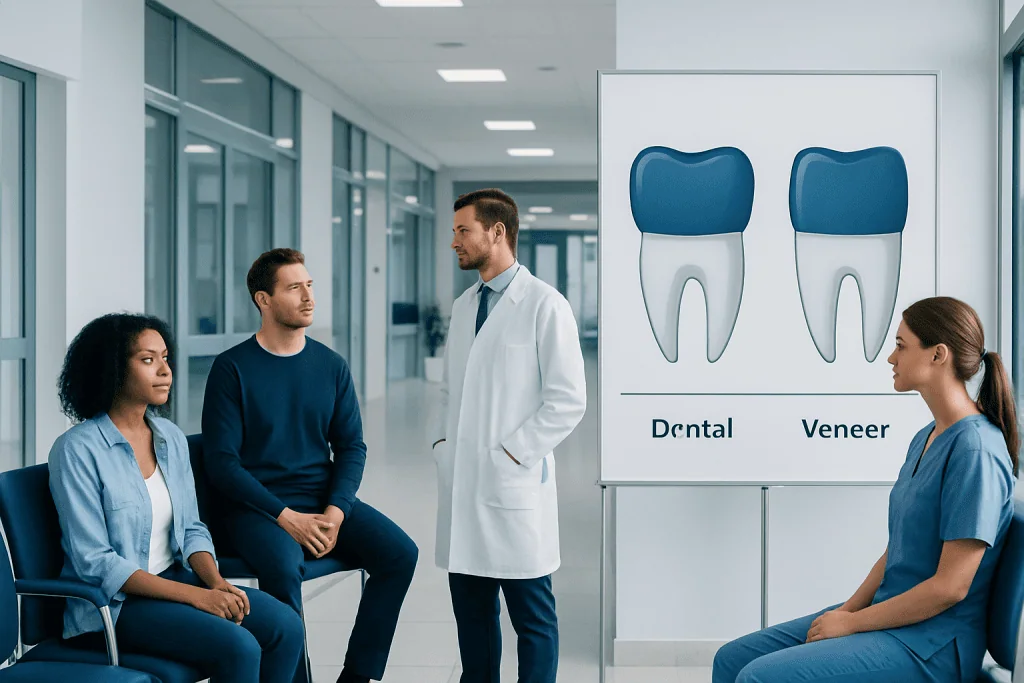
A crown covers the entire tooth, while a veneer covers only the front surface. Crowns are often used when a tooth is cracked, worn down, or weakened by decay or root canal treatment.
Key Takeaways
- A crown covers the entire tooth, while a veneer covers only the front surface.
- Crowns are often used when a tooth is cracked, worn down, or weakened by decay or root canal treatment.
- Veneers are mainly cosmetic and are best for discoloration, minor shape issues, and small gaps in suitable teeth.
- The right choice depends on tooth strength, bite, appearance goals, and how much natural tooth structure remains.
- A dental examination and imaging help determine whether a tooth needs protection, cosmetic enhancement, or another treatment first.
Dental crowns and veneers can both improve a smile, but they solve different problems. In general, crowns are better for teeth that are weak or heavily damaged, while veneers are usually chosen to improve the visible front surface of otherwise healthy teeth.
Overview: What Is the Difference Between Dental Crowns and Veneers?
Dental crowns and veneers are two common restorative and cosmetic dental options, but they are not interchangeable in every situation. A dental crown is a tooth-shaped covering that fits over the entire visible part of a tooth. It is designed to restore strength, shape, and function, while also improving appearance. A veneer is a thin shell, usually placed on the front surface of a tooth, mainly to improve the way it looks.
The main difference is how much of the tooth each option covers and why it is recommended. Crowns are often chosen when a tooth needs more support because it is broken, worn down, heavily filled, or structurally weak. Veneers are more often used when the tooth is generally healthy but has cosmetic concerns such as staining, slight unevenness, or small gaps.
In many cases, the decision is not simply about appearance. Dentists also consider bite forces, tooth position, enamel quality, gum health, and long-term durability. A treatment plan may include cosmetic dentistry options, but the safest and most lasting result depends on matching the procedure to the actual condition of the tooth.
When Veneers May Be the Better Choice

Veneers are usually best for front teeth with cosmetic concerns rather than major structural damage. They may be recommended for teeth that are discolored and do not respond well to whitening, slightly chipped, mildly misshapen, or uneven in size. Veneers can also help close small spaces between teeth and create a more balanced smile.
Because veneers cover only the front surface, they generally require less tooth coverage than crowns. This makes them a more conservative option in selected cases, especially when enough healthy enamel is present. Many patients choose veneers when their main goal is to improve color, contour, and smile symmetry rather than to repair a weak tooth.
However, veneers are not ideal for every person or every tooth. Teeth with large fillings, deep cracks, active decay, or significant wear may not have enough strength to support a veneer well. People who clench or grind their teeth may also place excess stress on veneers, so the dentist may first evaluate concerns such as bruxism before recommending this approach.
When a Crown May Be the Better Choice

A crown may be the better option when a tooth needs protection as well as cosmetic improvement. Dentists often recommend crowns for teeth that are fractured, severely worn, weakened by a large cavity, or heavily restored with fillings. A crown may also be used after root canal treatment, because these teeth can become more brittle over time.
Since a crown covers the full outer portion of the tooth above the gumline, it can help hold a damaged tooth together and improve chewing function. Crowns are commonly made from porcelain, ceramic, metal, or combinations of materials, depending on the location of the tooth and the needs of the patient. Front teeth usually require a natural appearance, while back teeth may need especially strong materials to handle heavy biting forces.
If the tooth damage started with decay, the dentist may need to remove the decay and rebuild the tooth before a final crown is placed. In some cases, another restorative treatment such as dental fillings may be enough for a smaller problem. When more support is needed, dental crowns can provide fuller coverage and long-term reinforcement.
How Dentists Decide: Tooth Condition, Bite, and Goals
Choosing between crowns and veneers involves more than picking the option that looks best in photos. The dentist first examines the tooth structure, enamel thickness, bite alignment, gum health, and any existing restorations. A tooth with strong enamel and only a cosmetic issue may be suitable for a veneer. A tooth with reduced strength may need a crown even if the patient mainly wants a cosmetic improvement.
Bite patterns matter because they affect how much force the restored tooth will have to handle. People who grind, clench, or have an uneven bite may place repeated stress on front teeth. In these situations, a veneer may chip or detach more easily unless the bite issue is managed. A crown may offer more protection in some cases, but treatment planning still needs to address the underlying cause.
Digital scans, photographs, and X-rays help the dental team assess the inside and outside of the tooth. Modern digital dentistry can support more precise planning, especially when shape, fit, and smile design are important. The final choice should balance appearance, durability, tooth preservation, and the patient’s expectations.
Procedure, Materials, and Recovery
The steps for crowns and veneers are similar in some ways, but the amount of tooth preparation is different. For both treatments, the tooth is examined, shaped as needed, and measured or scanned so the restoration can be custom made. A temporary restoration may be used while the final one is being prepared. At a later visit, the dentist checks the fit, color, and bite before bonding or cementing it in place.
Veneers are commonly made from porcelain or composite materials. Porcelain veneers are known for a lifelike appearance and resistance to staining, while composite veneers may be more suitable in selected cases or for smaller corrections. Crowns can also be made from porcelain or ceramic for a natural look, or from stronger materials when function is the main concern.
Recovery is usually straightforward. Some patients notice temporary sensitivity to hot or cold foods, especially in the first few days after preparation or placement. Dentists generally advise avoiding very hard foods at first and keeping the area clean. Any ongoing discomfort, a high bite, or a loose feeling should be checked promptly so the restoration can be adjusted if needed.
Benefits, Limitations, and Longevity
Both crowns and veneers can improve the appearance of teeth, but each has strengths and limitations. Veneers can create a natural, even smile and often preserve more of the tooth than a full crown. They are especially useful for cosmetic improvements on visible front teeth. Their limitation is that they do not strengthen a badly damaged tooth in the same way a crown can.
Crowns offer broader protection because they cover the whole visible tooth. This makes them useful for restoring function and supporting weakened teeth. Their limitation is that they usually require more reshaping of the tooth than veneers. For some patients, that trade-off is appropriate because stability and protection are the priority.
Longevity depends on the material used, the quality of placement, oral hygiene, and daily habits. Biting ice, opening packages with teeth, and untreated grinding can shorten the lifespan of either restoration. Good daily care and regular checkups can help detect early wear, gum irritation, or bonding problems before they become larger issues.
Caring for Crowns or Veneers and Preventing Problems
Daily oral care remains essential after either treatment. Teeth with crowns or veneers can still develop problems around the edges, including plaque buildup, gum inflammation, or decay in the natural tooth structure. Brushing twice a day with fluoride toothpaste, cleaning between the teeth, and attending regular dental visits help protect both the restoration and the surrounding teeth and gums.
It is also helpful to reduce avoidable stress on the teeth. Hard candy, ice, pens, and fingernails can chip restorations. If a person grinds their teeth at night, a dentist may recommend a protective night guard. Good habits and preventive care are part of long-term dental hygiene and can make a meaningful difference in how long restorations last.
Gum health is another important factor. Receding or inflamed gums can affect how a crown or veneer looks and fits over time. If bleeding, swelling, or sensitivity is present, that issue should be addressed rather than ignored. In patients who need highly customized smile planning, dentists may also consider surrounding tooth shape and gum contours to achieve a balanced result.
When to See a Dentist and How to Make the Right Choice
A dental assessment is the best way to decide between a crown and a veneer. Anyone with a chipped tooth, persistent discoloration, a worn edge, pain when chewing, or an old restoration that no longer looks or feels right should arrange an examination. Some problems that seem cosmetic are actually signs of structural weakness, bite issues, or hidden decay.
Patients may find it helpful to ask a few practical questions during the visit, such as whether the tooth is strong enough for a veneer, whether a crown would better protect it, what material is being recommended, and how the choice may affect nearby teeth. Understanding the reason for the recommendation often makes the decision clearer and more reassuring.
For international patients seeking evaluation and treatment, Acibadem International’s multidisciplinary dental specialists in JCI-accredited hospitals diagnose and treat a wide range of restorative and cosmetic dental concerns. Whatever option is chosen, the goal should be a treatment plan that protects oral health while achieving a natural, comfortable result.
Frequently asked questions
Are veneers better than crowns?
Neither option is universally better. Veneers are usually better for cosmetic changes on otherwise healthy front teeth, while crowns are better for teeth that need more protection and strength. The right choice depends on the condition of the tooth and the patient’s bite and goals.
Do crowns last longer than veneers?
Both crowns and veneers can last for many years with good care. Longevity depends on the material, oral hygiene, bite forces, and habits such as grinding or chewing hard objects. Regular dental follow-up helps identify wear or edge problems early.
Which option removes more natural tooth structure?
In general, crowns involve more reshaping because they cover the entire visible tooth. Veneers usually require less coverage and may be more conservative in suitable cases. However, the amount of preparation varies depending on the tooth’s position, condition, and the material used.
Can a badly broken tooth get a veneer?
A badly broken or structurally weak tooth usually needs more support than a veneer can provide. In many cases, a crown is the more appropriate option because it covers and protects the full tooth. A dentist may also need to treat decay or the tooth nerve before placing the final restoration.
Are crowns or veneers painful to get?
These procedures are usually done with local anesthesia, so the tooth can be prepared comfortably. Some temporary sensitivity or mild soreness can happen afterward, especially for a few days. Ongoing pain or bite discomfort should be reported to the dentist.
Can veneers and crowns stain over time?
Porcelain materials are generally more stain-resistant than natural enamel and some composite materials, but no restoration is completely immune to surface changes over time. Smoking, poor oral hygiene, and certain foods or drinks may affect appearance. Professional cleaning and regular reviews can help maintain the result.
References
- American Dental Association
- National Institute of Dental and Craniofacial Research
- Mayo Clinic
- FDI World Dental Federation
This article is for general information only and is not a substitute for professional medical advice. Please consult a qualified doctor about your individual situation.
Dental Crowns in Turkey — costs, top hospitals & a free quote
JCI-accredited · board-certified surgeons · reply within 24h
Add us as a Preferred Source to see more of our trusted health content across Google Search, AI Overviews and Discover.

Dental & Oral Health
Full-scope dental care from implants and aesthetics to oral and maxillofacial surgery.
151 specialists in this unitRelated Treatments
More from the Health Library



Related Specialists

Assoc. Prof. Dr. Ferit Bayram
Oral & Dental Health
Assoc. Prof. Dr. Yeliz Çavuşoğlu Yüce
Oral & Dental Health
Assoc. Prof. Dr. Mutlu Keskin
Oral & Dental Health
Prof. Dr. Ülkü Noyan
Oral & Dental Health