

Dental Implant Recovery Timeline: What to Expect After Surgery

Most people have the most noticeable swelling and discomfort during the first 48 to 72 hours after implant surgery. Gum healing often improves within 1 to 2 weeks, but full bone integration usually takes several months.
Key Takeaways
- Most people have the most noticeable swelling and discomfort during the first 48 to 72 hours after implant surgery.
- Gum healing often improves within 1 to 2 weeks, but full bone integration usually takes several months.
- Good oral hygiene, a soft diet, and avoiding smoking can support smoother recovery.
- Mild bleeding, soreness, and bruising can be normal early on, but worsening pain, fever, or pus should be checked promptly.
- Recovery time may be longer if bone grafting, multiple implants, or more complex procedures are involved.
A dental implant recovery timeline typically begins with mild soreness and swelling in the first few days, followed by gradual healing of the gums and slower bonding of the implant to the jawbone over several months. Knowing what is normal at each stage can help patients feel more prepared, comfortable, and confident during recovery.
Overview: How Dental Implant Recovery Usually Progresses
A dental implant is a small titanium or titanium-alloy post placed into the jawbone to replace the root of a missing tooth. After surgery, recovery happens in two overlapping phases: early healing of the gums and soft tissues, and slower healing inside the bone. This second phase, called osseointegration, is when the implant bonds securely with the jaw.
For many patients, the first few days bring the most noticeable symptoms, such as swelling, tenderness, and mild bleeding. These effects usually ease steadily. By contrast, the deeper healing process is less visible and takes longer, often several weeks to a few months depending on the person and the treatment plan.
The exact dental implant recovery timeline is not the same for everyone. It can vary based on the number of implants, where they are placed, whether a tooth was removed at the same time, and whether supportive procedures such as dental bone grafts were needed. General health, smoking, and oral hygiene also affect how smoothly recovery goes.
Most people can return to light daily activities within a day or two. Even so, it is important to remember that feeling better does not always mean the implant has fully healed. Follow-up visits and the dentist’s instructions remain an important part of a safe recovery.
The Dental Implant Recovery Timeline: Day by Day and Month by Month
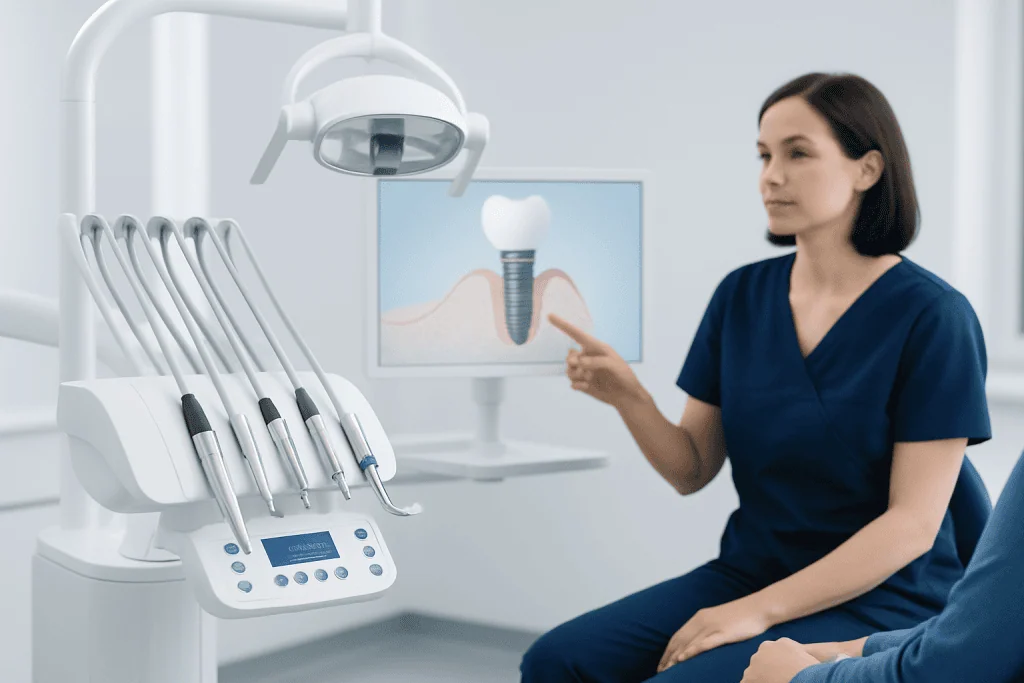
During the first 24 hours, some oozing of blood, numbness from local anesthesia, and tenderness around the implant site are common. Rest is usually recommended on the day of surgery. Patients are often advised to avoid vigorous rinsing, spitting forcefully, drinking through a straw, or smoking, since these can disturb the surgical site.
From days 2 to 3, swelling often reaches its peak. Mild bruising of the cheek or gums may appear, and chewing near the area can be uncomfortable. Cold compresses are often most helpful during this early period, and softer foods are usually easier to tolerate.
By days 4 to 7, many patients notice clear improvement. Swelling and soreness usually begin to settle, and the gums start to look less inflamed. If stitches were used, the dental team may check whether they are dissolving normally or if removal is needed. Many people can resume a more normal routine while still protecting the surgical area.
Over 1 to 2 weeks, soft tissue healing continues and day-to-day discomfort often becomes minimal. The longer phase is the next 2 to 6 months, when the implant integrates with the jawbone. Only after the implant is stable enough will the final crown, bridge, or a full-arch solution such as All-on-4 treatment or All-on-6 treatment be completed, depending on the treatment plan.
What Symptoms Are Normal After Implant Surgery?

Some symptoms are expected after dental implant placement. Common short-term effects include mild bleeding, gum tenderness, swelling of the face or gums, bruising, jaw stiffness, and temporary difficulty chewing. These symptoms are usually most noticeable in the first few days and then gradually improve.
It is also common to feel tired after the procedure, especially if sedation was used. The mouth may feel different because of stitches, temporary restorations, or the need to avoid chewing in one area. Some patients notice that the bite feels unusual at first, but this should be assessed by the dentist if it persists.
However, recovery should generally move in a positive direction. Pain that becomes worse instead of better, increasing swelling after several days, a bad taste with drainage, fever, or persistent heavy bleeding may suggest a complication. In those situations, contacting a dentist promptly is important.
Patients should also know that the implant itself should not feel loose. A temporary crown or denture may shift slightly depending on the design, but the implant post placed in bone should remain stable. Any feeling of movement should be reported without delay.
Factors That Can Affect Healing Time
Several factors can make recovery faster or slower. One of the most important is the quality and quantity of jawbone. If the bone is thin or has shrunk after tooth loss, the implant site may need additional preparation, and healing can take longer. This is one reason some patients have staged treatment rather than receiving the final tooth immediately.
The complexity of the procedure also matters. A single straightforward implant often heals more simply than multiple implants, immediate placement after extraction, or implant surgery combined with sinus lift or bone grafting. The location matters too, since back teeth usually take more chewing force and may need more protection during healing.
General health plays a role as well. Smoking, poorly controlled diabetes, certain medications, and conditions that affect the immune system or bone metabolism can slow healing and raise the risk of implant failure. This does not automatically rule out treatment, but it may change the timing and follow-up plan.
Good oral care strongly influences outcomes. Clean gums and healthy surrounding teeth reduce the risk of infection and inflammation. If gum problems need attention before or after surgery, broader support through general dentistry care may be part of the overall treatment journey.
Aftercare Tips: Eating, Cleaning, and Daily Activities
Careful aftercare can make recovery more comfortable and help protect the implant while healing begins. Patients are often advised to eat soft, cool, or lukewarm foods at first and avoid very hard, crunchy, spicy, or sticky foods near the surgical site. Hydration is important, but alcohol and smoking are usually discouraged, especially during early healing.
Oral hygiene remains essential, but it should be gentle. A dentist may recommend a specific mouth rinse or careful saltwater rinsing after the first day. Brushing the other teeth should continue as usual, while the implant area may need a softer technique until the gums are less tender.
It is usually best to avoid strenuous exercise, heavy lifting, and vigorous activity for at least the first day or two, or longer if the dentist advises it. Sleeping with the head slightly elevated may help reduce swelling. Patients who grind their teeth may also need to discuss protection for the new implant, as excess pressure can interfere with healing.
Regular follow-up is an important part of aftercare. The dental team checks how the gums are healing, whether the implant is stable, and when it is safe to move on to the next stage of dental implant treatment. Attending these visits can help identify small issues before they become bigger problems.
Possible Complications and Warning Signs
Dental implants have high long-term success rates when planned and maintained properly, but complications can still occur. Early problems may include infection, prolonged bleeding, delayed healing, injury to nearby structures, or poor implant stability. Later issues can include inflammation of the tissues around the implant, bite problems, or failure of the implant to integrate fully with bone.
One important condition to know about is inflammation around implants, sometimes called peri-implant disease around dental implants in general patient education. It can begin as irritation of the soft tissues and progress to bone loss if not addressed. Careful cleaning and routine dental reviews are important for prevention and early management.
Patients should contact a dentist if they have severe or worsening pain, swelling that increases after the third day, pus, fever, a foul odor, numbness that does not improve, or a loose-feeling implant. These signs do not always mean a serious problem, but they deserve prompt professional assessment.
In some cases, the final restoration may need adjustment, or the healing process may need more time before the next step. If a problem is identified early, there are often ways to manage it and protect the long-term result. Quick communication with the dental team is usually the safest approach.
When to See a Dentist and What Happens Next
Patients should attend all scheduled reviews even if recovery seems to be going well. Some aspects of implant healing cannot be judged by symptoms alone, and the dentist may use an examination or imaging to confirm that the implant is integrating as expected. This is especially important before the final crown, bridge, or full-arch prosthesis is placed.
After healing, long-term care is still necessary. Dental implants do not get cavities, but the gums and bone around them can still become inflamed if plaque builds up. Daily brushing, cleaning between teeth or under restorations, and regular professional checkups help protect the investment in treatment.
If a patient is considering implant treatment and wants a personalized recovery plan, a specialist evaluation is the best place to start. Acibadem International’s multidisciplinary specialists in JCI-accredited hospitals diagnose and treat dental conditions for international patients, including implant care and aftercare planning.
Every person’s recovery path is slightly different, but most patients do well with good preparation, careful home care, and timely follow-up. Knowing what to expect can reduce uncertainty and help patients recognize the difference between normal healing and warning signs that should be checked.
Frequently asked questions
How long does it take to recover from dental implant surgery?
Initial recovery from dental implant surgery often takes about 1 to 2 weeks, when gum tenderness and swelling usually improve. Full healing inside the bone takes longer, often several months, because the implant needs time to bond securely with the jaw.
How long will swelling last after a dental implant?
Swelling commonly peaks within 48 to 72 hours after surgery and then gradually starts to go down. Mild puffiness or bruising can sometimes last up to a week or a little longer, depending on the procedure.
When can someone eat normally after a dental implant?
Most patients start with soft foods and slowly return to a more normal diet as comfort improves. Hard, crunchy, or chewy foods are usually avoided until the dentist says the area is stable enough, especially if the implant is in a high-pressure chewing area.
Is pain after dental implant surgery normal?
Mild to moderate soreness is common for the first few days and should gradually improve. Pain that suddenly worsens, does not respond to the recommended plan, or appears together with swelling, fever, or discharge should be checked by a dentist.
Can a dental implant fail during healing?
Yes, an implant can sometimes fail to integrate with the bone, although many heal successfully. Risk may be higher with smoking, infection, poor bone quality, uncontrolled medical conditions, or excess pressure on the implant during healing.
When should someone call the dentist after implant surgery?
A dentist should be contacted if there is heavy bleeding, worsening swelling after several days, fever, pus, a bad taste, prolonged numbness, or any feeling that the implant is loose. It is also wise to call if something simply does not feel right, even if the symptoms seem mild.
References
- American Dental Association
- National Institute of Dental and Craniofacial Research
- Mayo Clinic
- National Health Service
- European Federation of Periodontology
This article is for general information only and is not a substitute for professional medical advice. Please consult a qualified doctor about your individual situation.
Explore treatments in Turkey — costs, top hospitals & a free quote
JCI-accredited · board-certified surgeons · reply within 24h
Add us as a Preferred Source to see more of our trusted health content across Google Search, AI Overviews and Discover.

Dental & Oral Health
Full-scope dental care from implants and aesthetics to oral and maxillofacial surgery.
158 specialists in this unitRelated Treatments
More from the Health Library



Related Specialists

Assoc. Prof. Dr. Ferit Bayram
Oral & Dental Health
Assoc. Prof. Dr. Yeliz Çavuşoğlu Yüce
Oral & Dental Health
Assoc. Prof. Dr. Mutlu Keskin
Oral & Dental Health
Prof. Dr. Ülkü Noyan
Oral & Dental Health