Dental Implants in Older Adults: Are Age and Health Conditions a Barrier?

There is no strict upper age limit for dental implants. General health, gum health, bone quality, and daily oral care are usually more important than age alone.
Key Takeaways
- There is no strict upper age limit for dental implants.
- General health, gum health, bone quality, and daily oral care are usually more important than age alone.
- Common conditions such as diabetes, osteoporosis, or heart disease do not always rule out implants, but they may require careful planning.
- A full dental and medical assessment helps determine whether implants are safe and likely to succeed.
- Alternatives such as bridges or removable dentures may be recommended when implants are not the best option.
Dental implants can be a suitable tooth replacement option for many older adults. In most cases, age by itself is not the main barrier; the more important questions are overall health, gum condition, bone support, medications, and the ability to heal well.
Overview: Can Older Adults Get Dental Implants?
Dental implants are artificial tooth roots, usually made of titanium or similar biocompatible materials, that are placed into the jawbone to support a crown, bridge, or full-arch restoration. They are designed to replace missing teeth in a stable, long-lasting way. Many people wonder whether implants are still an option later in life, especially if they have chronic health conditions or take several medications.
For most patients, the short answer is yes: older adults can often receive dental implants. Dentists and oral surgeons do not usually make decisions based on age alone. Instead, they focus on whether the mouth and body can support healing and long-term implant stability. A healthy person in their seventies or eighties may be a better candidate than a much younger person with severe gum disease, heavy smoking, or uncontrolled medical problems.
Implants can offer benefits that matter greatly in older age. They may improve chewing, support clearer speech, and help avoid the slipping that can happen with removable dentures. They also help preserve jawbone in the area of a missing tooth. In some cases, implants can support single-tooth replacement, while in others they can anchor more extensive restorations such as dental implants for multiple missing teeth or full-arch options like All-on-4 treatment.
Why Age Alone Is Usually Not a Barrier
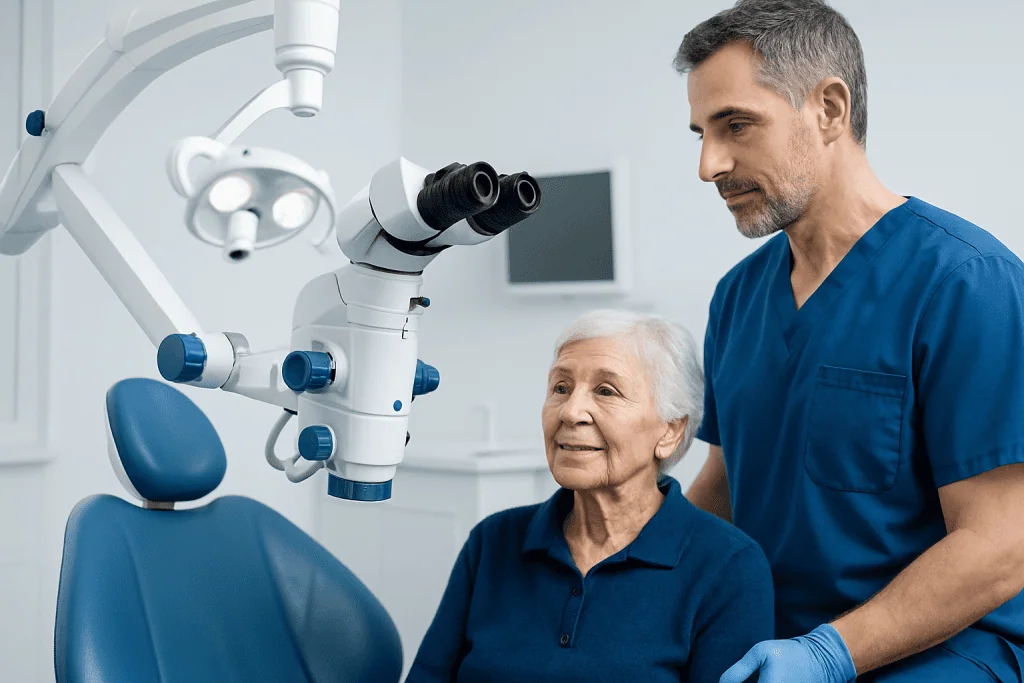
Chronological age does not always reflect biological health. Some older adults remain very active, maintain excellent oral hygiene, and have stable medical conditions. These patients may heal well after implant surgery and enjoy outcomes similar to those of younger adults. Because of this, dental teams assess the whole person rather than using a simple age cutoff.
What matters most is whether the patient has enough bone to support the implant, healthy gum tissue around the treatment area, and a medical profile that allows routine healing. The dentist also looks at hand dexterity, vision, and the ability to keep the implants clean over time. Daily care is essential because implants can develop inflammation if plaque builds up, just as natural teeth can.
Older adults may also value predictable function and comfort. If chewing is difficult with removable dentures, an implant-supported solution may improve confidence during meals and conversation. In other situations, a dental bridge or a well-fitted denture may still be the more practical option. The best choice depends on the patient’s goals, anatomy, and health status.
Health Conditions That May Affect Implant Candidacy
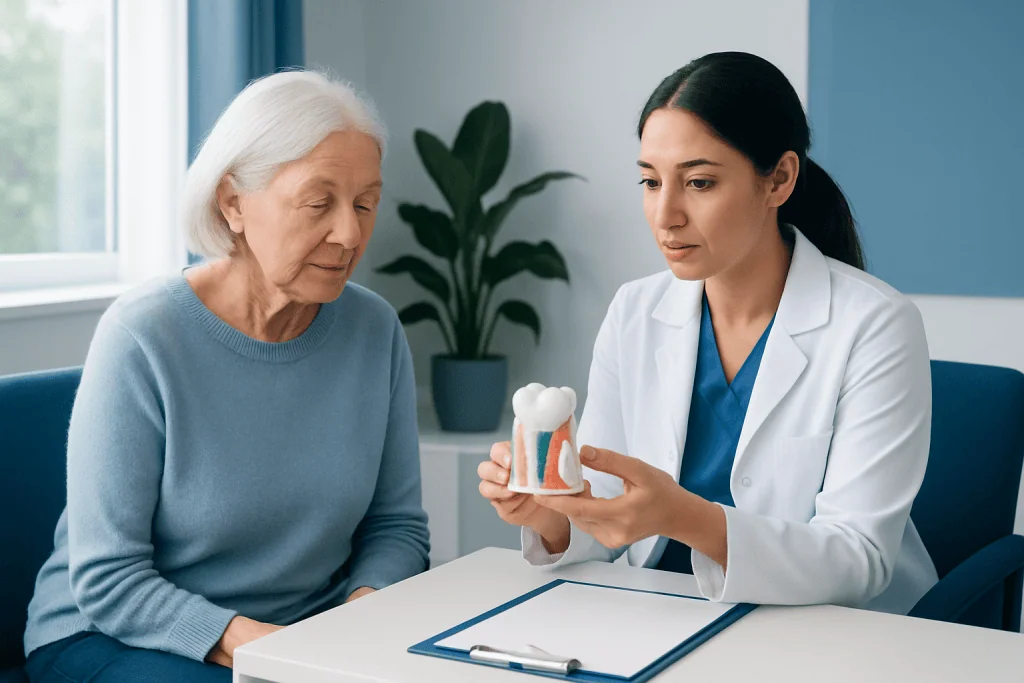
Several health conditions can influence whether implants are appropriate, but they do not always prevent treatment. Diabetes is a good example. Well-controlled diabetes may still allow successful implant treatment, while poorly controlled diabetes can raise the risk of infection and delayed healing. A dentist may ask for recent medical information and coordinate with the patient’s physician before planning surgery.
Osteoporosis, heart disease, autoimmune conditions, and a history of cancer treatment may also affect decision-making. Some medications, including certain drugs used for bone conditions, can influence bone healing or increase the risk of complications after invasive dental procedures. Blood thinners may require special planning, though they often do not mean implants are impossible. Dry mouth, which is common in older adults and can be linked to medications, may also increase the risk of oral health problems that need attention before implant placement.
Past radiation therapy to the jaw area, active periodontal disease, heavy smoking, and uncontrolled teeth grinding are other factors the dental team considers carefully. Gum disease is especially important because implants need healthy surrounding tissues to remain stable over time. If there are signs of gum inflammation, gum recession, or bone loss, these problems may need treatment first, sometimes alongside support from geriatric dentistry services tailored to older patients.
- Conditions often reviewed before implants include diabetes, osteoporosis, cardiovascular disease, and immune disorders.
- Medication review is essential, especially for blood thinners, steroids, and some bone-strengthening drugs.
- Smoking, poor oral hygiene, and untreated gum disease can lower implant success.
Bone, Gums, and Other Dental Factors
For an implant to remain secure, there must be enough healthy bone in the jaw. Bone naturally shrinks over time after a tooth is lost, and this process can be more noticeable if the tooth has been missing for many years. This does not automatically rule out implants. Imaging tests can show whether the available bone is enough or whether additional procedures may help prepare the area.
Gum health is equally important. Inflamed or infected gums can threaten both natural teeth and implants. Before treatment, the dentist may recommend cleaning, periodontal care, or treatment for problems such as gum recession or bleeding gums. A healthy foundation supports both healing and long-term maintenance.
If the jawbone is too thin or too short in a specific area, a bone graft may be recommended to create better support. This can add time to the treatment process, but it may make implant placement safer and more predictable. Some patients may benefit from dental bone grafts, while others may be better suited to alternative tooth replacement options. The shape of the bite, the condition of neighboring teeth, and habits such as clenching or grinding also influence planning.
How Dentists Assess Older Adults for Implants
A careful evaluation is the best way to answer whether implants are suitable. The appointment usually begins with a discussion of medical history, dental symptoms, medications, allergies, and previous surgeries or treatments. The dentist will also ask about smoking, alcohol use, sleep issues, and daily oral care habits. Older adults should bring a complete medication list, including supplements, because these details help guide safe treatment.
The clinical examination looks at the teeth, gums, bite, oral tissues, and jaw movement. X-rays or three-dimensional scans may be used to measure bone volume and identify nearby structures such as nerves and sinuses. These images help the team choose the size and position of the implant and decide whether additional procedures are needed first.
In many cases, dentists also assess whether the patient can care for the implant after it is placed. If arthritis, reduced mobility, or cognitive changes make cleaning difficult, the treatment plan may need to be simplified. Sometimes the team may suggest a solution that is easier to maintain. Older adults with multiple missing teeth may also be evaluated for implant-supported bridges, dental crowns, or other restorations depending on the number and location of missing teeth.
Treatment Options, Benefits, and Possible Risks
If a patient is a good candidate, implants may be used to replace one missing tooth, several teeth, or an entire arch. A single implant can support one crown without affecting nearby teeth. Multiple implants can support bridges, and full-arch systems can stabilize a complete row of replacement teeth. These approaches may provide stronger chewing and a more secure feel than removable dentures for some patients.
The benefits of implants can include improved comfort, better bite function, and support for jawbone in the treated area. Many older adults appreciate that implants do not rely on neighboring teeth in the way some bridges do. They may also help avoid the movement and sore spots that removable dentures sometimes cause. Even so, implants are not maintenance-free. They require regular cleaning, dental follow-up, and healthy gum tissue.
As with any procedure, there are potential risks. These include bleeding, infection, delayed healing, implant failure, nerve irritation in rare cases, and inflammation around the implant. The risk of complications may be higher if medical conditions are poorly controlled or if oral hygiene is difficult. This is why individualized planning is so important. For some patients, a dental bridge or removable denture may offer a safer or simpler path to restoring function.
Prevention, Self-Care, and Long-Term Success
Good long-term results depend heavily on daily care. Brushing twice a day, cleaning between teeth or around implants, and attending regular dental visits help keep the gums healthy and reduce plaque buildup. Older adults who wear partial dentures or full dentures along with implants may need specific cleaning instructions and tools to protect both the restoration and the surrounding tissues.
Smoking cessation is one of the most helpful steps for oral healing. Managing chronic conditions well is also important. Keeping blood sugar under control, taking medications as prescribed, and following the instructions of both the dentist and the physician can lower the risk of complications. If the patient grinds their teeth at night, a protective device may sometimes be advised to reduce pressure on implants and restorations.
Nutrition matters too. A balanced diet supports tissue repair and bone health, while adequate hydration may help if dry mouth is a concern. Dental reviews should continue after treatment so the team can look for early signs of gum inflammation or bite-related stress. Near the end of the care pathway, some patients may seek coordinated support through multidisciplinary dental teams; Acibadem International’s specialists in JCI-accredited hospitals diagnose and treat complex dental conditions for international patients when advanced assessment is needed.
When to See a Dentist or Specialist
Anyone considering implants should arrange a dental evaluation, especially if they have missing teeth, unstable dentures, or difficulty chewing. It is also wise to seek professional advice if there is jaw discomfort, gum bleeding, loose teeth, or signs of infection. These issues do not automatically prevent implants, but they do need attention before treatment planning.
Patients with chronic medical conditions should not assume that implants are impossible. Instead, they should discuss their full health history with the dental team and, when necessary, with their physician. A coordinated approach often helps clarify whether implants, a bridge, or another option would be safest and most effective.
Urgent assessment is important if there is swelling, severe pain, pus, fever, sudden denture intolerance, or a wound in the mouth that does not heal. For people who already have implants, persistent bleeding, bad taste, gum recession, or mobility around the implant should also be checked promptly. Early evaluation can help protect oral health and preserve treatment options.
Frequently asked questions
Is there an age limit for dental implants?
There is usually no strict upper age limit for dental implants. Dentists generally look at overall health, healing ability, jawbone support, and gum condition rather than age alone.
Can someone with diabetes still get dental implants?
Yes, many people with diabetes can receive implants, especially when blood sugar is well controlled. Poorly controlled diabetes may increase the risk of infection and slower healing, so careful planning is important.
Do older adults need enough bone for dental implants?
Yes, sufficient healthy jawbone is needed to support an implant. If bone has been lost after years without a tooth, imaging can help determine whether a bone graft or another option would be more suitable.
Are dental implants better than dentures for seniors?
Implants can feel more stable and may improve chewing for some older adults, but they are not automatically the best choice for everyone. Dentures, bridges, or implant-supported dentures may each be appropriate depending on health, anatomy, budget, and care needs.
What medical conditions can make implants more complicated?
Conditions such as uncontrolled diabetes, active gum disease, immune disorders, severe smoking-related damage, or certain bone and cancer treatments may make implant care more complex. These situations do not always prevent treatment, but they often require a detailed assessment and sometimes coordination with a physician.
How long do dental implants last in older adults?
Dental implants can last many years when they are well placed and well maintained. Long-term success depends on factors such as gum health, oral hygiene, bite forces, smoking status, and regular dental follow-up.
References
- American Dental Association
- National Institute of Dental and Craniofacial Research
- Mayo Clinic
- National Health Service
- European Federation of Periodontology
This article is for general information only and is not a substitute for professional medical advice. Please consult a qualified doctor about your individual situation.
Dental Implants in Turkey — costs, top hospitals & a free quote
JCI-accredited · board-certified surgeons · reply within 24h
Add us as a Preferred Source to see more of our trusted health content across Google Search, AI Overviews and Discover.

Dental & Oral Health
Full-scope dental care from implants and aesthetics to oral and maxillofacial surgery.
151 specialists in this unitRelated Treatments
More from the Health Library



Related Specialists

Assoc. Prof. Dr. Ferit Bayram
Oral & Dental Health
Assoc. Prof. Dr. Yeliz Çavuşoğlu Yüce
Oral & Dental Health
Assoc. Prof. Dr. Mutlu Keskin
Oral & Dental Health
Prof. Dr. Ülkü Noyan
Oral & Dental Health