Dental Office Near Me: What to Check Before Booking Treatment Abroad
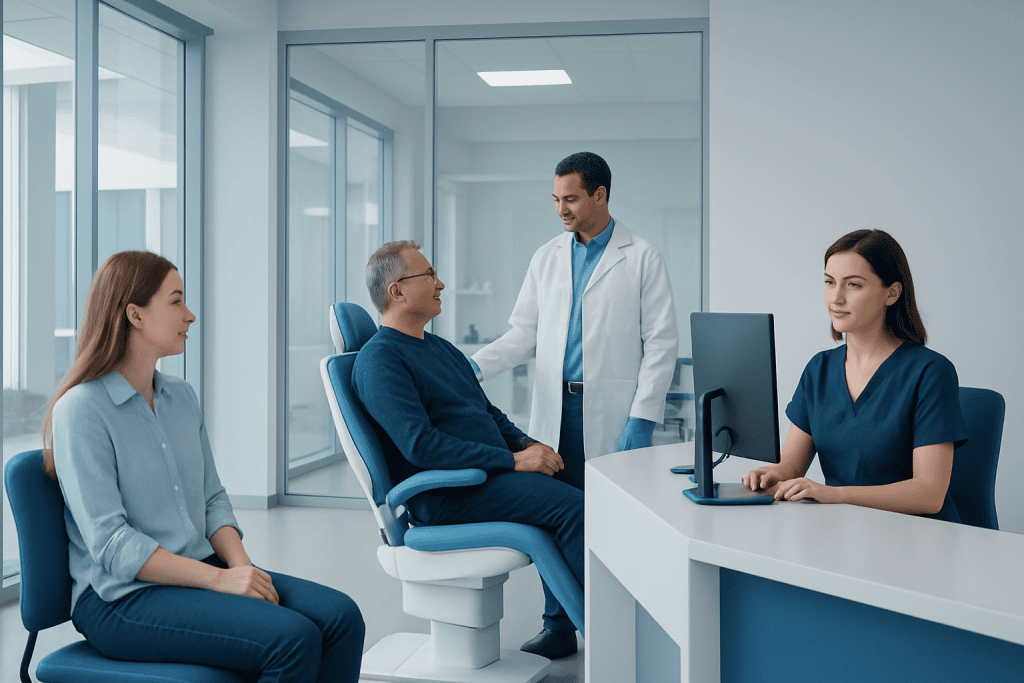
A dental clinic abroad should be evaluated for licensing, accreditation, infection control, and dentist credentials. Written treatment plans, transparent pricing, and clear information about materials and alternatives are important before travel.
Key Takeaways
- A dental clinic abroad should be evaluated for licensing, accreditation, infection control, and dentist credentials.
- Written treatment plans, transparent pricing, and clear information about materials and alternatives are important before travel.
- Patients should understand how diagnosis is confirmed, what the expected timeline is, and what aftercare will be needed at home.
- Travel plans should allow time for recovery, adjustments, and possible complications rather than only the procedure itself.
- Emergency support and communication in a language the patient understands can make treatment abroad safer and less stressful.
Searching for a dental office near me can lead some people to consider treatment abroad for convenience, access, or cost. Before booking, it helps to check clinic standards, dentist qualifications, treatment planning, and follow-up arrangements so decisions are informed and safe.
Overview: Why the Search Matters
When people search for a dental office near me, they may begin by looking for a convenient local practice, but some also expand that search to clinics abroad. Common reasons include access to specialist care, shorter waiting times, combining treatment with travel, or exploring different treatment options. Dental care can include routine services, cosmetic procedures, restorative work, and complex full-mouth rehabilitation.
Choosing a dental clinic in another country requires more than comparing price or reviewing photographs. Dental treatment often involves diagnosis, imaging, materials, sterilization standards, and follow-up care. A good decision usually depends on whether the clinic communicates clearly, documents its recommendations, and explains both benefits and limitations in a way the patient can understand.
It is also helpful to remember that not every treatment is urgent. Some people may benefit from a second opinion before committing to extensive work such as implants, crowns, veneers, or a full-arch restoration. Taking time to review options can reduce the risk of misunderstanding and help align treatment with long-term oral health goals.
What to Check First in a Dental Clinic Abroad
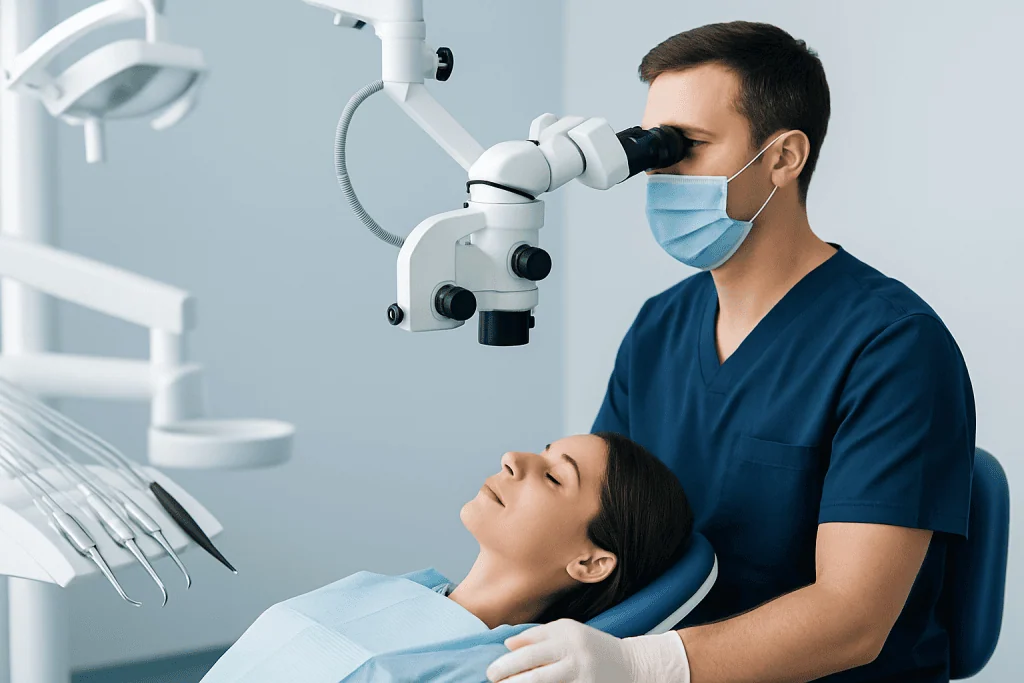
One of the first steps is confirming that the clinic and its dentists are properly licensed under the regulations of the country where care will be provided. Patients can ask whether the dentist is registered with a national or regional dental authority, what their specialty training is, and how often they perform the recommended procedure. Clinics should be willing to provide clear information about qualifications rather than vague claims.
Accreditation and quality systems are also important. International accreditation can indicate that a hospital or clinic follows recognized standards for safety and quality, although it should not be the only factor considered. If the dental service is part of a hospital setting, patients may also ask about emergency support, anesthesia capabilities, and access to other specialists if needed.
Infection prevention is a key safety issue in dental care. Patients can ask how instruments are sterilized, whether single-use items are used where appropriate, and how the clinic manages cross-infection risks. Useful points to review include:
- dentist and clinic licensing
- specialist training and experience
- infection control and sterilization standards
- quality accreditation or hospital affiliation
- language support and ease of communication
- availability of emergency care and after-hours contact
A professional clinic should answer these questions calmly and clearly. If answers are incomplete, inconsistent, or overly sales-focused, it may be wise to pause and seek more information elsewhere.
Questions About Diagnosis and Treatment Planning
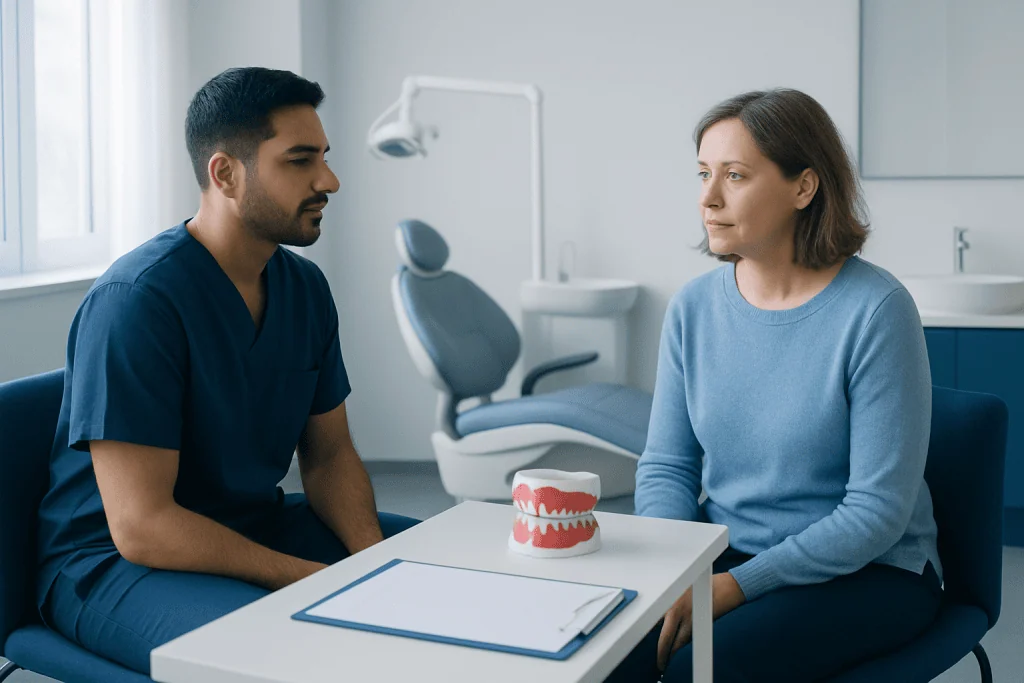
Safe dental care begins with a careful diagnosis, not just a quick quote. Before booking, patients should ask what records are needed, such as dental photographs, recent X-rays, or 3D imaging. In many cases, a remote review can give only a preliminary opinion. The final treatment plan may change after an in-person examination, bite assessment, gum evaluation, and updated imaging.
A written treatment plan should describe the diagnosis, the proposed procedures, alternative options, expected timeline, likely number of visits, and possible risks. This is especially important for more complex care such as dental implants, root canal treatment through endodontic care, or multiple restorations. Patients should know whether treatment is mainly functional, cosmetic, or both.
It is also reasonable to ask what happens if the findings on arrival are different from the remote estimate. For example, gum disease, bone loss, tooth cracks, or bite problems may affect whether crowns, fillings, extractions, or implant treatment are appropriate. A trustworthy clinic will explain why plans sometimes change and will discuss those changes before proceeding.
Patients should also ask about materials and laboratory work. Understanding what type of crown, implant system, filling material, or aligner is being used can be helpful, particularly if future maintenance is needed in the patient’s home country. Clear records make continuity of care much easier later on.
Understanding Costs, Packages, and Informed Consent
Cost is often a major reason people compare clinics abroad, but the lowest quote is not always the safest or most complete option. Patients should ask for an itemized estimate that separates consultation fees, imaging, laboratory costs, anesthesia or sedation, temporary restorations, final restorations, medications, and follow-up visits. It is also sensible to check whether airport transfers, hotel arrangements, or translation services are included or handled separately.
Before agreeing to treatment, patients should understand what is guaranteed and what is not. Dental outcomes can depend on healing, bone quality, gum health, oral hygiene, smoking, teeth grinding, and attendance at follow-up visits. No responsible clinic should promise perfect or permanent results. Instead, the focus should be on realistic expectations, likely benefits, possible complications, and available solutions if a problem occurs.
Informed consent should be more than a form signed on arrival. The patient should have time to read and discuss the proposed treatment, ask questions, and understand alternatives. This is particularly important for irreversible procedures such as tooth preparation for crowns or veneers, extractions, and implant placement. If a clinic pressures the patient to decide quickly, that can be a warning sign.
Travel Timing, Recovery, and Aftercare
Dental treatment abroad should be planned around healing, not only travel convenience. Some procedures can be completed in a short stay, while others require staged treatment over weeks or months. For example, a small filling may need little recovery time, but multiple crowns, gum procedures, implant surgery, or full-arch rehabilitation may need a longer schedule and later review appointments. A clinic offering digital dentistry may streamline planning and fabrication, but this does not remove the need for proper healing and checks.
Patients should ask how many days they should remain nearby after treatment, whether adjustments are commonly needed, and whether flying soon after a procedure is advisable. This can matter after extractions, sinus-related procedures, sedation, or more extensive oral surgery. It is generally safer to allow flexibility in travel plans in case swelling, discomfort, or unexpected findings require more time.
Aftercare planning is just as important as the procedure itself. Patients should leave with written records, copies of X-rays or scans when relevant, prescriptions if needed, and clear instructions on eating, brushing, oral rinses, and warning signs. They should also know who to contact if pain, bleeding, loosening, swelling, or bite problems occur after returning home.
Some people may need maintenance that continues long term, especially after implants, crowns, or treatment for gum disease. Preventive follow-up, including professional cleaning and dental hygiene support, can help protect results and reduce future complications.
Red Flags and Practical Safety Checks
There are several signs that a clinic may not be the right choice. Very low prices without a clear explanation, pressure to commit quickly, limited discussion of risks, and dramatic before-and-after marketing can all make it harder to judge quality. Another concern is a one-size-fits-all plan that recommends extensive treatment before a proper examination has taken place.
Patients should be cautious if they are told that healthy teeth must be extensively reduced for cosmetic reasons without a detailed explanation of alternatives. In many situations, more conservative approaches may be possible, depending on the tooth structure, bite, and goals. A balanced clinic should discuss when cosmetic dentistry is appropriate and when preserving natural tooth tissue is the better option.
Practical checks can also help. Reading recent reviews may offer insight, but it is best to look for patterns rather than relying on a few highly positive or negative comments. Patients can also ask for a video consultation, a sample treatment plan, and information on how complications are managed. If communication is difficult before booking, it may become even harder during treatment or recovery.
Finally, patients should consider how their care will continue at home. Some local dentists may be willing to provide routine follow-up, but not all will assume responsibility for complex work done elsewhere. Knowing this in advance can prevent gaps in care.
When to Seek Local or Urgent Dental Care Instead
Not every dental issue is suitable for planned travel. Severe toothache, facial swelling, fever, uncontrolled bleeding, trauma, or difficulty opening the mouth may require urgent local assessment. In these situations, delaying care for a planned trip can increase discomfort and may worsen the underlying problem. Immediate evaluation is especially important when infection is suspected.
People with significant medical conditions should also be careful about arranging dental treatment abroad without medical review. Heart disease, uncontrolled diabetes, bleeding disorders, recent surgery, pregnancy, immune suppression, or use of blood thinners may affect timing and treatment choices. Coordination between the dentist and the patient’s physician can be important.
Some conditions may need multidisciplinary care rather than a stand-alone dental visit. For example, advanced gum disease, jaw joint symptoms, sleep-related grinding such as bruxism, or recurrent gum bleeding such as bleeding gums may need broader assessment before major restorative work is planned. Seeking the right diagnosis first often leads to better long-term results.
For international patients who do choose treatment abroad, Acibadem International’s multidisciplinary specialists and JCI-accredited hospitals diagnose and treat a wide range of dental conditions, with attention to treatment planning and follow-up. Even so, patients should always discuss their personal situation with a qualified dentist or doctor before making travel decisions.
Frequently asked questions
How can someone judge whether a dental clinic abroad is trustworthy?
A trustworthy clinic should clearly explain dentist qualifications, licensing, infection control standards, and treatment planning. It should also provide written information, answer questions directly, and avoid pressuring the patient into quick decisions.
Is it safe to book treatment based only on photos or messages online?
Remote reviews can be useful for an initial opinion, but they are not a full diagnosis. Final recommendations often require an in-person exam, updated X-rays, and assessment of the gums, bite, and jaw.
What should be included in a dental treatment plan before travel?
A good plan should outline the diagnosis, the proposed procedures, alternatives, expected number of visits, likely recovery time, and possible risks. It should also explain costs, materials, and what follow-up will be needed after returning home.
Why is aftercare so important when having dental work abroad?
Many dental procedures need adjustment, monitoring, or hygiene support after the main treatment. Clear aftercare instructions and a plan for managing problems at home can reduce stress and help protect the result.
Are lower prices abroad always a good reason to choose a clinic?
Lower prices can be part of the decision, but they should not outweigh safety and quality. It is important to understand exactly what is included and whether the clinic has the right expertise and support if something changes or goes wrong.
When should a person avoid traveling and seek local dental care first?
Urgent symptoms such as swelling, fever, severe pain, uncontrolled bleeding, or dental trauma should usually be assessed locally without delay. People with complex medical conditions may also need medical clearance or coordinated care before traveling.
References
- World Health Organization
- FDI World Dental Federation
- American Dental Association
- Centers for Disease Control and Prevention
- National Health Service
This article is for general information only and is not a substitute for professional medical advice. Please consult a qualified doctor about your individual situation.
Explore treatments in Turkey — costs, top hospitals & a free quote
JCI-accredited · board-certified surgeons · reply within 24h
Add us as a Preferred Source to see more of our trusted health content across Google Search, AI Overviews and Discover.

Dental & Oral Health
Full-scope dental care from implants and aesthetics to oral and maxillofacial surgery.
151 specialists in this unitRelated Treatments
More from the Health Library



Related Specialists

Assoc. Prof. Dr. Ferit Bayram
Oral & Dental Health
Assoc. Prof. Dr. Yeliz Çavuşoğlu Yüce
Oral & Dental Health
Assoc. Prof. Dr. Mutlu Keskin
Oral & Dental Health
Prof. Dr. Ülkü Noyan
Oral & Dental Health