

Dental Sleep Medicine for Snoring and Sleep Apnea: Who May Benefit?
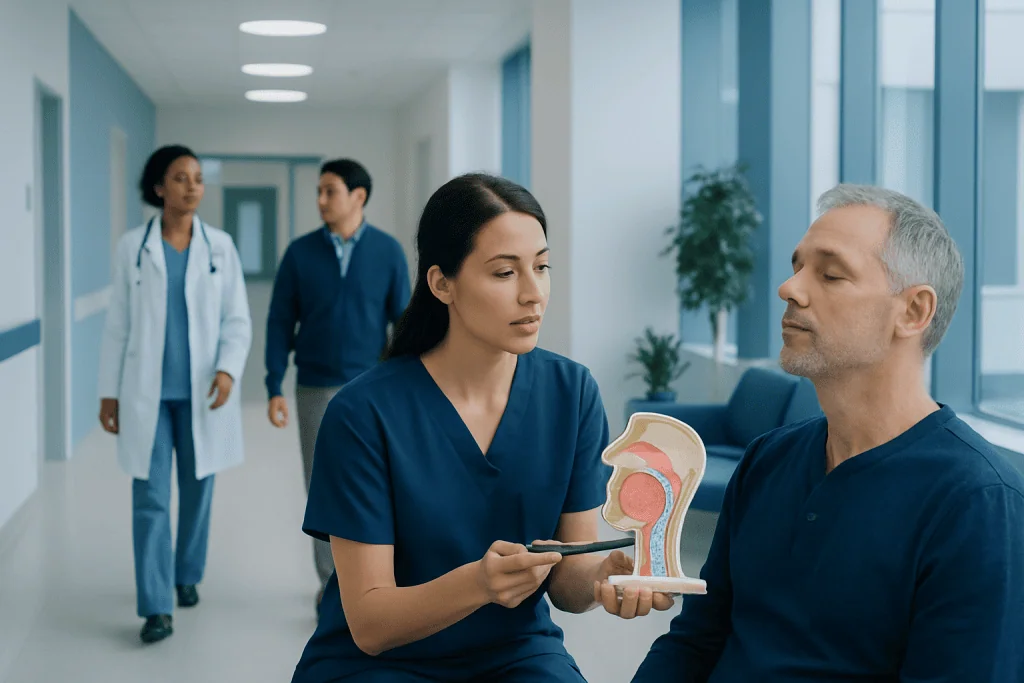
Dental sleep medicine uses custom-made oral appliances to help keep the airway open during sleep. It is most often considered for snoring and obstructive sleep apnea, especially mild to moderate cases.
Key Takeaways
- Dental sleep medicine uses custom-made oral appliances to help keep the airway open during sleep.
- It is most often considered for snoring and obstructive sleep apnea, especially mild to moderate cases.
- A proper diagnosis from a sleep specialist is important before treatment begins.
- Oral appliance therapy can be a good option for people who cannot use CPAP comfortably.
- Follow-up is essential to check symptom improvement, device fit, and dental or jaw side effects.
Dental sleep medicine focuses on oral appliance therapy and related dental care for people with snoring or obstructive sleep apnea. It may benefit those with mild to moderate disease, people who cannot tolerate CPAP, and selected patients as part of a broader sleep care plan.
Overview: What dental sleep medicine involves
Dental sleep medicine is an area of care that focuses on sleep-related breathing problems through the use of oral devices and dental expertise. The best-known use is treatment for snoring and obstructive sleep apnea, a condition in which the airway repeatedly narrows or closes during sleep. Dentists trained in this field work closely with sleep physicians, ear, nose and throat specialists, and sometimes pulmonologists to support diagnosis, treatment selection, and long-term follow-up.
The most common treatment in dental sleep medicine is a custom oral appliance, often called a mandibular advancement device. This appliance is worn during sleep and gently moves the lower jaw forward to help maintain a more open airway. By reducing airway collapse, it may lessen snoring and improve breathing interruptions for selected patients.
Dental sleep medicine is not a replacement for a medical sleep evaluation. Snoring can be a simple social issue, but it can also be a sign of obstructive sleep apnea, which may affect daytime function, blood pressure, and overall health. For that reason, treatment usually starts after proper assessment and testing, often with a sleep study ordered by a physician.
In practice, care may include examination of the teeth, gums, bite, jaw joints, and oral tissues to determine whether an oral appliance is suitable. Digital impressions, bite registration, and follow-up adjustments are commonly part of dental sleep medicine and may be supported by modern digital dentistry techniques for improved fit and comfort.
Who may benefit from dental sleep medicine
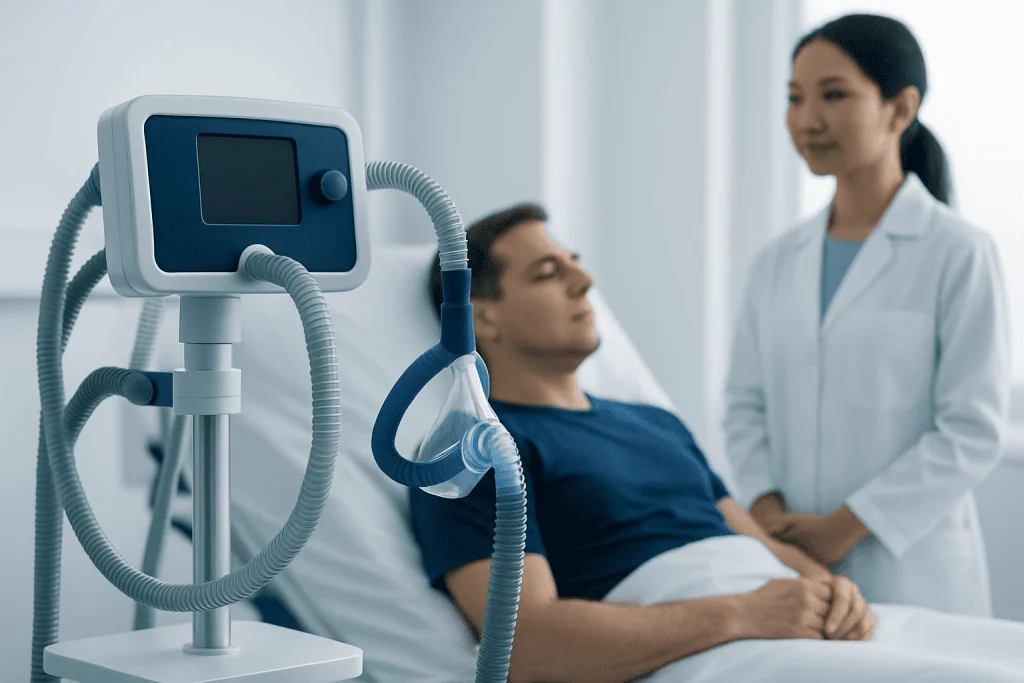
Dental sleep medicine may benefit adults who snore regularly, especially when snoring disturbs sleep quality for the patient or a bed partner. It is also commonly considered for people diagnosed with mild to moderate obstructive sleep apnea. In some cases, it can help people with more severe sleep apnea when they cannot tolerate continuous positive airway pressure, also known as CPAP, although this decision should be made with a sleep specialist.
People who travel often, prefer a smaller device, or struggle with mask fit may find oral appliance therapy appealing. It can also be useful for some patients who need a treatment that is portable, quiet, and easy to use consistently. A well-fitted device may improve comfort and make adherence easier compared with therapies some people find cumbersome.
Not everyone is a good candidate. A person usually needs enough healthy teeth or other suitable oral support for the appliance to fit securely. Significant gum disease, loose teeth, advanced jaw joint problems, or certain bite issues may limit options or require treatment first. In these situations, a dentist may recommend addressing dental health before considering an appliance, sometimes through general dentistry or dental hygiene support.
Children with snoring or suspected sleep apnea need a different evaluation pathway. In younger patients, enlarged tonsils and adenoids, facial growth patterns, allergies, or other causes may play a major role. Pediatric cases should be assessed by qualified specialists, and treatment decisions should be individualized rather than assuming adult-style oral appliance therapy is appropriate.
Symptoms and signs that should prompt evaluation

Many people first seek help because of loud, habitual snoring. Although snoring alone does not always mean sleep apnea is present, it should not be ignored when it occurs frequently or is accompanied by other symptoms. Pauses in breathing observed by a bed partner, gasping or choking during sleep, and restless sleep are especially important warning signs.
Daytime symptoms can also be clues. These may include waking unrefreshed, morning headaches, dry mouth on waking, trouble concentrating, irritability, or excessive daytime sleepiness. Some people notice they fall asleep easily during quiet activities, while others mainly report poor focus and low energy.
Physical findings may support concern for airway narrowing. A small or set-back lower jaw, crowding in the mouth, nasal blockage, obesity, and a large tongue can all contribute. Nighttime teeth grinding may occur in some people as well, although it does not by itself diagnose sleep apnea. If grinding is present, a dentist may also assess for bruxism while considering sleep-related breathing concerns.
Because symptoms overlap with other problems, self-diagnosis is not enough. A person with ongoing snoring, witnessed breathing pauses, or persistent daytime sleepiness should speak with a qualified clinician. Proper assessment helps distinguish simple snoring from a more significant disorder such as obstructive sleep apnea.
Causes and risk factors for snoring and obstructive sleep apnea
Snoring happens when airflow causes tissues in the upper airway to vibrate during sleep. Obstructive sleep apnea develops when those tissues narrow or block the airway enough to reduce or stop airflow repeatedly. The result can be fragmented sleep and drops in oxygen levels, which may place strain on the body over time.
Several factors increase risk. Excess body weight is a common one, because extra tissue around the neck and throat can make airway collapse more likely. Age, male sex, family history, alcohol use close to bedtime, sedative medications, smoking, and sleeping on the back may also contribute. Nasal congestion and structural airway differences can make symptoms worse.
Jaw and facial structure matter too, which is one reason dental professionals can play an important role. A lower jaw that sits farther back, a narrow dental arch, or certain tongue and palate features may reduce the available airway space during sleep. These anatomical factors help explain why moving the lower jaw forward with an oral appliance can improve breathing in selected patients.
Risk is often shaped by more than one issue at the same time. For example, a person may have a naturally narrow airway and also gain weight or develop chronic nasal blockage. Understanding these combined factors helps clinicians choose the most suitable treatment and identify when oral appliance therapy is likely to help.
How diagnosis and dental assessment are done
Diagnosis of obstructive sleep apnea should be made through medical evaluation, not by dental screening alone. A sleep physician may recommend a home sleep apnea test or an overnight laboratory sleep study, depending on the symptoms and the patient’s overall health. These tests help determine whether sleep apnea is present and how severe it is.
After a medical diagnosis, the dental assessment focuses on whether an oral appliance is appropriate and likely to be tolerated. The dentist checks the teeth, gums, restorations, bite relationship, jaw movement, and temporomandibular joints. They also look at the airway-related anatomy inside the mouth and discuss sleep symptoms, previous treatments, and treatment goals.
If the patient is a candidate, impressions or digital scans are taken to make a custom appliance. Custom devices are generally preferred over over-the-counter products because they are designed for the person’s anatomy and can be adjusted gradually. This improves the chance of comfort, retention, and clinical benefit.
Follow-up remains an essential part of diagnosis and treatment verification. Once the appliance has been adjusted to the target position, the sleep physician may recommend repeat sleep testing while the device is being worn. This helps confirm that symptoms and breathing disturbances have improved, rather than relying only on snoring reduction or how the patient feels.
Treatment options in dental sleep medicine
The main dental treatment for snoring and obstructive sleep apnea is a custom mandibular advancement device. It works by gently positioning the lower jaw forward, which can also bring the tongue forward and reduce airway collapse. The device is adjusted over time to balance symptom improvement with comfort and jaw tolerance.
Oral appliance therapy is often compared with CPAP. CPAP remains a standard and highly effective treatment for many people, particularly those with moderate to severe sleep apnea. However, some individuals cannot tolerate the mask, pressure, or dryness associated with CPAP. In those cases, an oral appliance may provide a practical and effective alternative or, in selected situations, a complementary treatment.
Other treatment options depend on the underlying cause and severity of the condition. These may include weight management, positional therapy, reducing alcohol before bedtime, treating nasal obstruction, or surgery in selected cases. A coordinated approach is especially helpful when more than one factor is contributing. Patients may also need management of related conditions such as snoring itself as a quality-of-life concern even when apnea is absent.
Oral appliances can have side effects, but these are often manageable. Temporary jaw soreness, tooth discomfort, excess saliva, dry mouth, or bite changes may occur. Long-term follow-up helps identify problems early and allows the dentist to adjust the device. If dental support is limited because of missing teeth, restorations such as dental crowns may occasionally be relevant as part of broader oral rehabilitation, though they are not a sleep apnea treatment by themselves.
Prevention, self-care, and living with treatment
Good self-care can improve symptoms and support professional treatment. Maintaining a healthy weight, avoiding alcohol close to bedtime, and trying not to sleep on the back may reduce snoring and airway collapse in some people. Managing allergies or nasal congestion can also make nighttime breathing easier.
People using an oral appliance should clean it regularly as instructed and store it safely when not in use. Keeping the teeth and gums healthy is important because the device depends on a stable oral foundation. Routine dental checkups help detect gum disease, tooth movement, or wear that could affect appliance fit over time.
Consistency matters. Even a well-designed appliance can only help if it is worn as prescribed. Patients should report discomfort rather than stop treatment on their own, since many issues can be solved by adjustment. It may take time to find the most effective and comfortable jaw position.
Near the end of the treatment journey, some patients benefit from care in centers where sleep medicine, dentistry, and related specialties work together. Acibadem International’s multidisciplinary specialists and JCI-accredited hospitals diagnose and treat sleep-related breathing disorders for international patients, with dental input available when oral appliance therapy is considered.
When to see a doctor or dentist
A person should seek medical advice if snoring is loud and persistent, if breathing pauses are witnessed, or if there is choking or gasping during sleep. Daytime sleepiness, morning headaches, poor concentration, mood changes, or high blood pressure can also justify evaluation. These features may suggest obstructive sleep apnea rather than simple snoring.
Anyone already diagnosed with sleep apnea who is struggling with CPAP should not assume there are no other options. A sleep physician and qualified dentist can discuss whether oral appliance therapy is appropriate. This is especially useful when treatment comfort and long-term use are major concerns.
Dental review is also important if an oral appliance causes jaw pain, loose teeth, bite changes, gum irritation, or breakage of the device. Early adjustments can often prevent minor problems from becoming more bothersome. Regular follow-up helps keep treatment safe and effective.
Emergency care is not usually needed for snoring alone, but severe daytime sleepiness can create safety risks, especially when driving or operating machinery. If symptoms are affecting daily function or causing concern, timely professional evaluation is the safest next step.
Frequently asked questions
What is dental sleep medicine?
Dental sleep medicine is the use of dental knowledge and custom oral appliances to help manage snoring and obstructive sleep apnea. It usually involves collaboration between a dentist trained in this area and a sleep physician.
Can a dentist diagnose sleep apnea?
A dentist may notice risk factors and symptoms, but obstructive sleep apnea generally requires medical diagnosis through a sleep evaluation and sleep testing. The dentist's role is often to assess whether an oral appliance is suitable after diagnosis.
Who is a good candidate for an oral appliance?
Many adults with snoring or mild to moderate obstructive sleep apnea may be good candidates. It can also help some people with more severe disease who cannot tolerate CPAP, provided they are evaluated and followed appropriately.
Is an oral appliance as effective as CPAP?
CPAP is often more effective at fully controlling breathing interruptions, especially in more severe sleep apnea. However, oral appliances can be very helpful for selected patients and may work well in real life when people use them more consistently.
Are there side effects from sleep apnea mouthpieces?
Possible side effects include jaw soreness, tooth discomfort, dry mouth, extra saliva, or gradual bite changes. Many of these issues can be improved with proper fitting, careful adjustment, and regular follow-up.
Can over-the-counter mouthguards treat sleep apnea?
Over-the-counter products are not a substitute for a custom appliance prescribed after proper evaluation. A custom device is usually safer, more adjustable, and more likely to fit correctly and provide meaningful benefit.
References
- American Academy of Sleep Medicine
- American Academy of Dental Sleep Medicine
- National Heart, Lung, and Blood Institute
- National Institute of Dental and Craniofacial Research
- Mayo Clinic
This article is for general information only and is not a substitute for professional medical advice. Please consult a qualified doctor about your individual situation.
Dental Sleep Medicine in Turkey — costs, top hospitals & a free quote
JCI-accredited · board-certified surgeons · reply within 24h
Add us as a Preferred Source to see more of our trusted health content across Google Search, AI Overviews and Discover.
Check your numbers in seconds
BMI, calories, due date, blood pressure and 30+ more clinical calculators — free, instant, doctor-reviewed ranges.

Dental & Oral Health
Full-scope dental care from implants and aesthetics to oral and maxillofacial surgery.
158 specialists in this unitRelated Treatments
More from the Health Library



Related Specialists

Assoc. Prof. Dr. Ferit Bayram
Oral & Dental Health
Dt. Alara Naz Kenir
Oral & Dental Health
Dt. Gonca Katmer
Oral & Dental HealthDt. Doğa Baysal
Oral & Dental Health