Dependent Edema: An Evidence-Based Guide for Patients

Dependent edema is gravity-related swelling, usually in the feet, ankles, or legs. Mild cases often improve with leg elevation, movement, and compression if recommended by a doctor.
Key Takeaways
- Dependent edema is gravity-related swelling, usually in the feet, ankles, or legs.
- Mild cases often improve with leg elevation, movement, and compression if recommended by a doctor.
- Persistent, one-sided, painful, or sudden swelling needs medical evaluation to rule out an underlying condition.
- Common causes include prolonged sitting or standing, venous insufficiency, certain medicines, and heart, kidney, or liver disease.
- Diagnosis focuses on identifying the cause rather than treating swelling alone.
Dependent edema is swelling that develops when fluid collects in parts of the body that hang downward, most often the feet, ankles, and lower legs. It can happen after long periods of sitting or standing, but it may also be linked to vein problems, heart, kidney, or liver conditions, medications, or reduced mobility.
What dependent edema is
Dependent edema is swelling caused by fluid building up in tissues in body areas that are lower than the heart and influenced by gravity. In most people, it affects the feet, ankles, and lower legs, especially after sitting or standing for long periods. In people who spend much of the day in bed, it may appear in the hips, lower back, or sacral area instead.
The term describes a pattern of swelling rather than a single disease. In other words, dependent edema is a sign that fluid is collecting in the tissues, and the next step is to understand why that is happening. Sometimes the cause is simple, such as long travel or reduced movement. In other cases, it can point to vein problems, medication side effects, or a condition affecting the heart, kidneys, liver, or lymphatic system.
Swelling may be mild and temporary, or it may become persistent. Some people notice shoes feeling tight at the end of the day, sock marks around the ankles, or a feeling of heaviness in the legs. When the cause is addressed, symptoms often improve.
Symptoms and what it can feel like
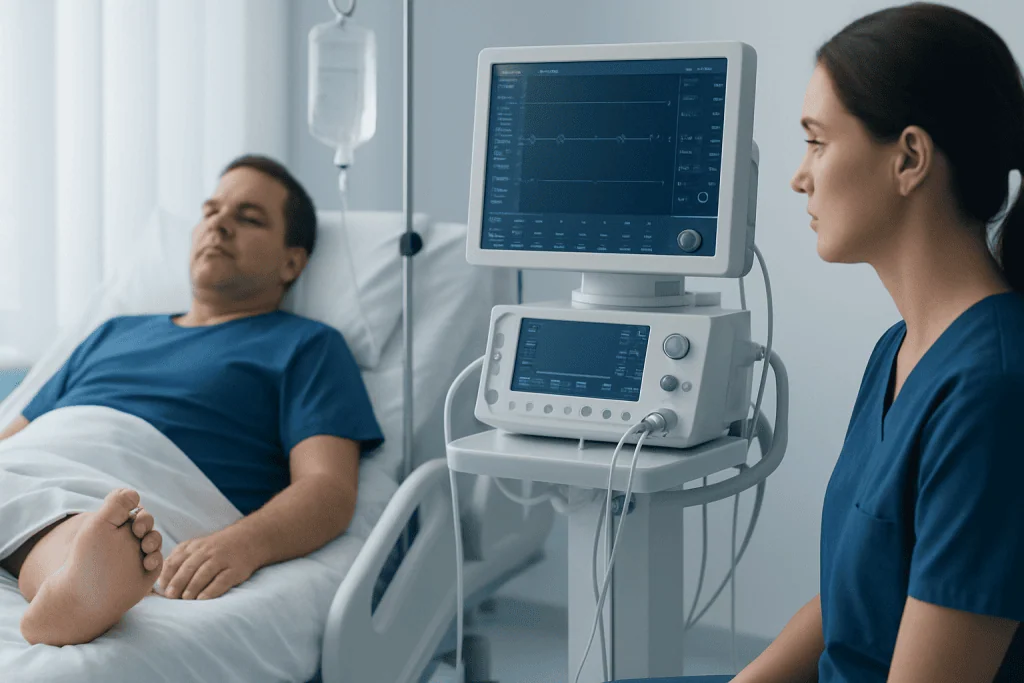
The most common symptom of dependent edema is visible swelling in the lower parts of the body. The skin may look stretched or shiny, and the area may feel heavy, full, or tight. Many people notice that swelling gets worse later in the day and improves overnight or after raising the legs.
One useful clinical feature is whether the swelling is pitting. In pitting edema, pressing a finger gently into the swollen area for a few seconds leaves a temporary dent. Not all swelling pits, but when it does, it can help clinicians narrow down possible causes.
Other symptoms can vary depending on the reason for the swelling. They may include aching legs, visible varicose veins, skin discoloration, shortness of breath, reduced exercise tolerance, or sudden weight gain from fluid retention. Symptoms that affect only one leg or come on suddenly deserve more prompt assessment.
- Swelling in the feet, ankles, or lower legs
- Tight shoes, rings, socks, or clothing
- Heaviness or aching in the limbs
- Skin that looks shiny or feels stretched
- Pitting after gentle pressure
- Symptoms that improve with elevation or walking
Common causes and risk factors

Dependent edema often happens because fluid leaks from small blood vessels into surrounding tissues or because fluid is not returned efficiently through the veins or lymphatic system. A very common benign trigger is staying in one position for too long, such as on a long flight, at a desk, or during recovery from illness. Heat, high salt intake, and reduced physical activity can make swelling more noticeable.
Vein-related problems are another frequent cause. In chronic venous insufficiency, blood has difficulty traveling back up the legs toward the heart, so fluid collects in the lower legs. This can happen along with varicose veins, skin changes, or leg discomfort. Some people may also develop swelling after surgery, injury, or a blood clot such as deep vein thrombosis, which requires prompt medical attention.
Systemic illnesses can also lead to dependent edema. These include heart failure, kidney disease, liver disease, low blood protein levels, thyroid disease, and some inflammatory conditions. Swelling may also be linked to medications, including certain blood pressure medicines, steroids, hormones, and anti-inflammatory drugs. People who are older, less mobile, pregnant, or living with obesity may be more likely to develop swelling, but these factors still need to be interpreted in the context of the full medical picture.
How doctors diagnose dependent edema
Diagnosis begins with a medical history and physical examination. A doctor will ask when the swelling started, whether it affects one leg or both, what makes it better or worse, and whether there are associated symptoms such as pain, redness, shortness of breath, chest discomfort, or recent changes in medicines. These details help separate common causes from urgent ones.
During the examination, the doctor may assess whether the swelling is pitting, check the skin and veins, look for signs of infection or ulceration, and evaluate the heart, lungs, and abdomen. The distribution of swelling matters: swelling in both legs often suggests fluid retention or venous insufficiency, while one-sided swelling may point to a clot, injury, or lymphatic blockage.
Tests are chosen based on the suspected cause. They may include blood tests to assess kidney, liver, thyroid, and protein levels; urine tests; chest imaging; or heart evaluation such as echocardiography when cardiac causes are suspected. If a clot or vein disorder is a concern, clinicians may use Doppler ultrasound to assess blood flow in the leg veins.
Treatment options and managing the underlying cause
Treatment for dependent edema depends on its cause. If the swelling is related to prolonged sitting, standing, travel, or mild venous pooling, simple measures such as leg elevation, walking, ankle exercises, and reducing time in one position may be enough. Compression stockings can help some people, but they should be used with medical guidance, especially if there is concern about poor arterial circulation.
When there is an underlying medical condition, that condition needs targeted care. For example, management may focus on venous disease, heart failure, kidney problems, liver disease, or medication adjustments. Doctors do not treat all edema with water tablets, because these medicines are not appropriate for every cause and can sometimes lead to dehydration or electrolyte imbalance if used unnecessarily.
Skin care is also important in persistent swelling. Keeping the skin clean and moisturized may help reduce dryness and cracking, while prompt attention to irritation or wounds lowers the risk of infection. In selected cases, further evaluation by specialists may be recommended, such as cardiology care for heart-related swelling or vascular assessment for chronic vein problems. Near the end of the care journey, some international patients may choose centers such as Acibadem International, where multidisciplinary specialists in JCI-accredited hospitals diagnose and treat conditions linked to dependent edema.
Self-care and prevention in daily life
Many people can reduce mild dependent edema with practical daily habits. Moving the calf muscles regularly is especially helpful because these muscles act like a pump to move blood back toward the heart. During desk work or travel, standing up every hour, flexing the ankles, and taking short walks can make a noticeable difference.
Leg elevation works best when the legs are raised above heart level for periods during the day, if comfortable and medically appropriate. Avoiding very tight clothing around the thighs or calves may also help. Some people find that symptoms worsen with high salt intake, so following a balanced eating pattern and staying hydrated can support overall fluid balance.
Prevention is not always possible if edema is caused by an underlying disease, but healthy routines can still reduce strain on the circulation. Weight management, regular physical activity, good diabetes and blood pressure control, and smoking cessation may all support vascular health. Compression garments should be fitted correctly and used according to medical advice.
- Change position often; avoid sitting or standing still for long periods
- Walk and do ankle pumps during travel or desk work
- Elevate the legs when resting
- Follow skin care measures if swelling is persistent
- Discuss compression stockings with a clinician before starting them
When to seek medical care
Medical assessment is important if dependent edema is new, persistent, worsening, or not clearly explained by a temporary trigger such as travel or prolonged standing. Swelling that affects only one leg, causes significant pain, or is associated with redness or warmth should be checked promptly because it may signal a clot, infection, or another localized problem.
Urgent care is needed if swelling occurs with chest pain, shortness of breath, fainting, coughing up blood, severe leg pain, or sudden rapid worsening. These symptoms can indicate a serious circulatory or heart-lung problem. People with pregnancy, cancer, recent surgery, known heart or kidney disease, or a history of blood clots should have a lower threshold for seeking medical advice.
Even when there is no emergency, repeated swelling is worth discussing with a doctor. The goal is not only to ease discomfort but also to identify and treat the reason behind the fluid buildup. Early evaluation may prevent skin complications, reduced mobility, and progression of an underlying condition.
Frequently asked questions
Is dependent edema serious?
Dependent edema is not always serious, and mild cases can happen after long periods of standing, sitting, or travel. However, it can also be a sign of vein problems, medication effects, or conditions involving the heart, kidneys, or liver, so persistent or unexplained swelling should be evaluated.
What is the difference between dependent edema and regular swelling?
Dependent edema refers specifically to swelling that develops in areas affected by gravity, such as the feet and ankles when a person is upright. "Regular swelling" is a broader term and can include swelling from injury, infection, inflammation, or lymphatic blockage in many parts of the body.
Does dependent edema go away on its own?
It can, especially when it is triggered by sitting or standing too long, hot weather, or temporary inactivity. If it improves with elevation and movement but keeps coming back, a doctor should assess whether there is an underlying cause that needs treatment.
Should a person with dependent edema drink less water?
Not usually. Restricting fluids without medical advice is not recommended, because swelling is often related to how the body handles fluid rather than simply drinking too much water. A doctor may advise fluid or salt changes only in certain conditions, such as heart, kidney, or liver disease.
Can compression stockings help dependent edema?
They can help some people, particularly when swelling is related to venous insufficiency or prolonged standing. But compression is not right for everyone, especially if there is poor circulation in the arteries, so it is best to ask a clinician before using them regularly.
When is leg swelling an emergency?
Emergency assessment is important if swelling is sudden, affects one leg, or comes with severe pain, redness, chest pain, shortness of breath, fainting, or coughing up blood. These symptoms may indicate a blood clot, heart problem, or lung complication and should not be ignored.
References
- National Heart, Lung, and Blood Institute
- Mayo Clinic
- Merck Manual Consumer Version
- National Institute for Health and Care Excellence
- American Heart Association
This article is for general information only and is not a substitute for professional medical advice. Please consult a qualified doctor about your individual situation.
Explore treatments in Turkey — costs, top hospitals & a free quote
JCI-accredited · board-certified surgeons · reply within 24h
Add us as a Preferred Source to see more of our trusted health content across Google Search, AI Overviews and Discover.
Check your numbers in seconds
BMI, calories, due date, blood pressure and 30+ more clinical calculators — free, instant, doctor-reviewed ranges.

More from the Health Library

Grapefruit liver detox: A Complete Medical Guide for Patients

Hyperextended Elbow — Explained by Medical Evidence, Not Myths

Hep a Transmission: What Patients Need to Know
Gallbladder Sludge: What Patients Need to Know

Antiemetic Drugs: What Patients Need to Know