Dermatomes: An Evidence-Based Guide for Patients

Dermatomes are predictable skin regions connected to individual spinal nerve roots. Symptoms that follow a dermatome can point to irritation, compression, inflammation, or infection of a nerve.
Key Takeaways
- Dermatomes are predictable skin regions connected to individual spinal nerve roots.
- Symptoms that follow a dermatome can point to irritation, compression, inflammation, or infection of a nerve.
- Doctors use dermatome patterns together with the neurological exam and imaging when needed.
- Common conditions involving dermatomes include shingles, herniated discs, and some nerve root disorders.
- New weakness, loss of bladder or bowel control, or severe worsening pain needs prompt medical evaluation.
Dermatomes are areas of skin mainly supplied by sensory fibers from a single spinal nerve root. Knowing how dermatomes work can help patients understand patterns of pain, numbness, tingling, or rash and why doctors use these patterns to identify nerve-related problems.
Overview: what dermatomes are and why they matter
Dermatomes are areas of skin that send sensation to the brain through one main spinal nerve root. In practical terms, they form a body map: if a certain nerve root is irritated or injured, symptoms often appear in a recognizable strip or region of skin rather than randomly. This is why dermatomes are useful in everyday medicine, especially when a person has pain, numbness, tingling, burning, or a rash that follows a specific pattern.
The body has spinal nerves that emerge from the cervical, thoracic, lumbar, and sacral spine. Each of these nerves supplies sensation to a typical skin area. Although individual anatomy varies and neighboring nerves overlap, the dermatome map remains a reliable clinical guide. Doctors do not use dermatomes in isolation, but they are an important clue during the neurological examination.
Dermatomes are different from myotomes. A dermatome relates to skin sensation, while a myotome refers to muscle movement controlled mainly by a spinal nerve root. When both sensation and movement are affected, clinicians may suspect a problem involving a nerve root, the spinal cord, or a peripheral nerve and then investigate further.
How the dermatome map is organized
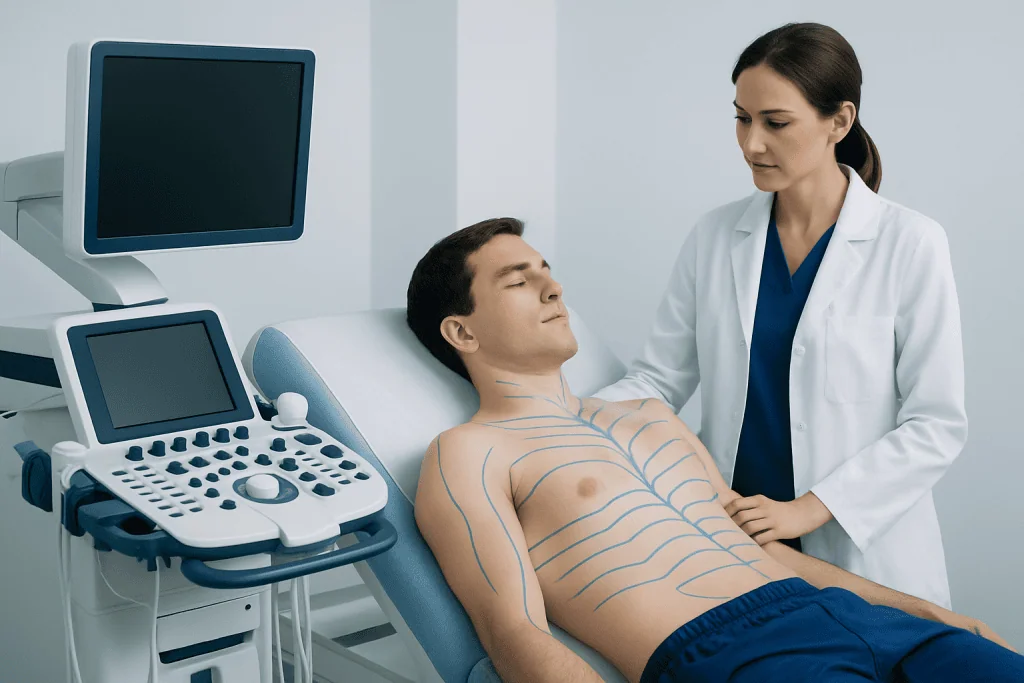
Dermatomes are usually grouped by the level of the spine. Cervical dermatomes affect parts of the neck, shoulders, arms, and hands. Thoracic dermatomes wrap around the chest and abdomen in band-like patterns. Lumbar dermatomes involve the front and sides of the legs, while sacral dermatomes affect the back of the legs, buttocks, and areas around the pelvis and feet.
There are a few well-known landmark areas that help clinicians orient the map. For example, the thumb commonly reflects the C6 dermatome, the middle finger often reflects C7, and the little finger often reflects C8. Around the trunk, the nipple line is often associated with T4 and the belly button with T10. The big toe is commonly linked with L5, and the outer foot may suggest S1 involvement.
These landmarks are helpful, but they are not absolute rules. Dermatome maps differ slightly across textbooks because real human anatomy overlaps from person to person. That overlap is normal and explains why symptoms may not fit a textbook diagram perfectly. Even so, a mostly dermatomal pattern remains clinically meaningful.
- Cervical: neck, shoulders, arms, hands
- Thoracic: chest and abdomen in horizontal bands
- Lumbar: front and inner parts of the legs
- Sacral: back of the legs, outer foot, buttocks, pelvic region
What symptoms can follow a dermatome pattern

When symptoms follow a dermatome, they often stay on one side of the body and trace a line, band, or patch that corresponds to one nerve root. Common symptoms include numbness, tingling, burning, electric shock-like pain, sensitivity to touch, reduced feeling, or less often, a painful rash. Some people notice symptoms only in the skin, while others also have neck or back pain near the affected spinal level.
A classic example is nerve root irritation from the spine, often called radicular pain. In the neck, this may send pain, tingling, or numbness down the arm into specific fingers. In the lower back, symptoms may travel from the buttock into the thigh, calf, or foot, depending on the nerve root involved. This pattern helps doctors distinguish nerve root symptoms from more generalized muscle aches or joint pain.
Another well-known dermatomal condition is shingles, which usually causes pain, burning, and then a blistering rash limited to one dermatome on one side of the body. Doctors may also consider dermatome patterns in some spinal cord problems, trauma, inflammation, and after certain surgeries. Still, symptoms alone do not make the diagnosis; they are one part of the full clinical picture.
Causes of dermatomal pain, numbness, or rash
The most common reason for dermatomal symptoms is irritation or compression of a spinal nerve root. This can happen when a disc bulges or herniates, when age-related changes narrow the spaces where nerves exit the spine, or when inflammation affects the nerve. Related conditions may include herniated disc and spinal stenosis, both of which can produce symptoms that match specific cervical or lumbar dermatomes.
Infections can also follow dermatomes. The best known is shingles, caused by reactivation of the varicella-zoster virus in a sensory nerve ganglion. This typically produces pain and a rash on one side of the chest, abdomen, face, or another localized area. Because it often stays within one dermatome, the pattern can be very distinctive.
Less commonly, dermatomal symptoms may be related to trauma, tumors, inflammation, scar tissue, diabetes-related nerve problems, or disorders affecting the spinal cord or nerve roots. Not every pain pattern is purely dermatomal, and some peripheral nerve conditions can mimic it. For this reason, persistent, severe, or unexplained symptoms should be assessed by a qualified clinician rather than self-diagnosed from an online map.
How doctors evaluate dermatome-related symptoms
Evaluation begins with a detailed history. The doctor usually asks where symptoms start, whether they spread, whether they affect one side or both, and whether they are linked to neck or back pain, recent infection, injury, or weakness. The exact location matters because a well-defined sensory pattern may point toward a specific nerve root level.
The physical examination often includes testing light touch, pinprick, reflexes, strength, and range of motion. A clinician may compare one side of the body with the other and look for signs of myotome involvement, altered reflexes, or gait changes. This combination is more helpful than a dermatome chart alone because neighboring nerve roots overlap.
If more information is needed, imaging or nerve testing may be recommended. Depending on the situation, evaluation may include MRI scanning to assess the spine and soft tissues, CT imaging, X-rays, or electrodiagnostic tests. In selected cases, care may involve specialists in neurology or neurosurgery when symptoms suggest significant nerve root or spinal cord involvement.
Treatment options and what recovery may involve
Treatment depends on the cause rather than on the dermatome pattern itself. If a compressed nerve root is responsible, care may include activity modification, physical therapy, posture guidance, and medicines recommended by a doctor for pain or inflammation. Some people improve with conservative treatment over time, especially when symptoms are mild and there is no progressive weakness.
When symptoms come from shingles, treatment is different and may involve antiviral medication started promptly, along with pain management and skin care advice. If there is severe compression, significant weakness, spinal instability, or a structural problem that does not improve, a specialist may discuss interventional or surgical options. The goal is to relieve pressure on the nerve, reduce pain, and protect function.
Recovery varies with the underlying condition, how long symptoms have been present, and whether there is nerve injury. Some sensory symptoms settle gradually over weeks to months. Ongoing follow-up is important if symptoms persist, spread, or begin to affect walking, hand use, sleep, or daily activities.
Self-care and everyday tips for patients
Self-care should be guided by the suspected cause and by medical advice. For spinal causes, it often helps to avoid activities that sharply worsen symptoms, use sensible posture and body mechanics, and stay as active as comfortably possible instead of prolonged bed rest. Gentle movement and an individualized rehabilitation plan may support recovery, but exercises should not be forced when pain is severe or symptoms are worsening.
For skin symptoms such as shingles, keeping the area clean and avoiding scratching can reduce irritation. People with a new rash, facial involvement, or eye symptoms should seek prompt care. Good sleep, hydration, and general health measures can also support recovery, though they do not replace diagnosis and treatment.
Patients should avoid assuming that every line of pain is a dermatome problem. Conditions involving joints, muscles, circulation, or peripheral nerves can feel similar. A symptom diary noting the location, triggers, time course, and associated weakness or rash can be useful during a medical appointment.
When to seek medical care
Medical assessment is appropriate when pain, numbness, tingling, or a rash follows a clear band-like pattern, especially if symptoms are new, persistent, or interfere with normal activities. It is also important to seek care if there is neck or back pain together with arm or leg symptoms, or if there is concern for shingles, since early treatment can be helpful.
Urgent evaluation is needed for red flags such as new or worsening muscle weakness, trouble walking, loss of coordination, numbness in the groin or saddle area, loss of bladder or bowel control, severe trauma, fever with back pain, or rapidly progressive symptoms. These features may point to significant nerve root or spinal cord problems that should not be delayed.
For international patients who need specialist assessment, Acibadem International’s multidisciplinary teams in JCI-accredited hospitals diagnose and treat nerve, spine, and rash-related conditions using coordinated neurological and imaging services. The best next step is a timely review with a qualified doctor who can match the symptom pattern to the underlying cause.
Frequently asked questions
What is the simple definition of dermatomes?
Dermatomes are areas of skin mainly supplied by sensation from one spinal nerve root. They help doctors understand why nerve-related symptoms often appear in a specific pattern rather than across the whole body.
Are dermatome maps always exact?
No. Dermatome maps are useful guides, but there is normal overlap between neighboring nerve roots and some variation from person to person. That is why doctors combine the map with an exam, medical history, and sometimes imaging.
Why do shingles symptoms often follow a dermatome?
Shingles develops when the varicella-zoster virus reactivates in a sensory nerve ganglion. Because the affected nerve serves one main skin region, the pain and rash usually stay on one side of the body within a dermatome.
Can a herniated disc cause dermatomal pain?
Yes. A herniated disc can irritate or compress a nearby spinal nerve root, causing pain, tingling, or numbness in the dermatome supplied by that nerve. The pattern often helps doctors identify whether the neck or lower back is involved.
What is the difference between a dermatome and a peripheral nerve area?
A dermatome is tied to one spinal nerve root, while a peripheral nerve area reflects the distribution of a named nerve after fibers from several roots have mixed together. This is an important distinction because symptoms from carpal tunnel syndrome, for example, do not follow a classic single-root dermatome.
When should someone worry about numbness or tingling in a dermatome pattern?
Persistent, severe, or spreading symptoms deserve medical review, especially if they are paired with neck or back pain. Urgent care is needed if there is weakness, trouble walking, saddle numbness, or loss of bladder or bowel control.
References
- National Institute of Neurological Disorders and Stroke
- American Academy of Neurology
- National Health Service
- Merck Manual Professional Edition
- Mayo Clinic
This article is for general information only and is not a substitute for professional medical advice. Please consult a qualified doctor about your individual situation.
Joint and spine care in Turkey — expert assessment & treatment
JCI-accredited · board-certified surgeons · reply within 24h
Add us as a Preferred Source to see more of our trusted health content across Google Search, AI Overviews and Discover.