Difference Between Headache and Migraine: Possible Causes and When to Seek Care

A headache is a symptom, while migraine is a specific neurological disorder. Migraine attacks often cause moderate to severe throbbing pain and may include nausea, vomiting, or sensitivity to light and sound.
Key Takeaways
- A headache is a symptom, while migraine is a specific neurological disorder.
- Migraine attacks often cause moderate to severe throbbing pain and may include nausea, vomiting, or sensitivity to light and sound.
- Tension-type headaches commonly cause a mild to moderate tightening or pressure sensation on both sides of the head.
- A sudden, severe headache or a headache with neurological symptoms needs urgent medical evaluation.
- Keeping a headache diary can help identify triggers and support an accurate diagnosis.
- Frequent use of pain medicines can sometimes worsen headaches over time.
The difference between headache and migraine is that a headache is a broad symptom of pain or pressure in the head, whereas migraine is a neurological condition that causes recurrent attacks and may include nausea, sensitivity to light, and other symptoms. Understanding the pattern and associated symptoms can help a person know when self-care may be appropriate and when medical assessment is needed.
Overview: What Is the Difference Between Headache and Migraine?
The key difference between headache and migraine is that headache describes a symptom—pain, pressure, or discomfort in the head or face—while migraine is a neurological condition with repeated attacks. A migraine attack commonly includes head pain, but it can also cause nausea, vomiting, sensitivity to light, sound, or smells, and changes in vision, sensation, speech, or energy.
Not every headache is a migraine, and not every migraine attack includes severe head pain. For example, some people experience a migraine aura, dizziness, or nausea before pain begins, while others may have migraine symptoms with little or no headache. Headaches can occur for many everyday reasons, including stress, poor sleep, dehydration, infection, skipped meals, eye strain, or muscle tension.
Most headaches are not caused by a dangerous medical problem. However, a new, sudden, unusual, or rapidly worsening headache should be assessed promptly, especially when it occurs with neurological changes, fever, confusion, or a head injury. A healthcare professional can distinguish between common primary headache disorders and headaches related to another health condition.
How Headache and Migraine Symptoms Compare
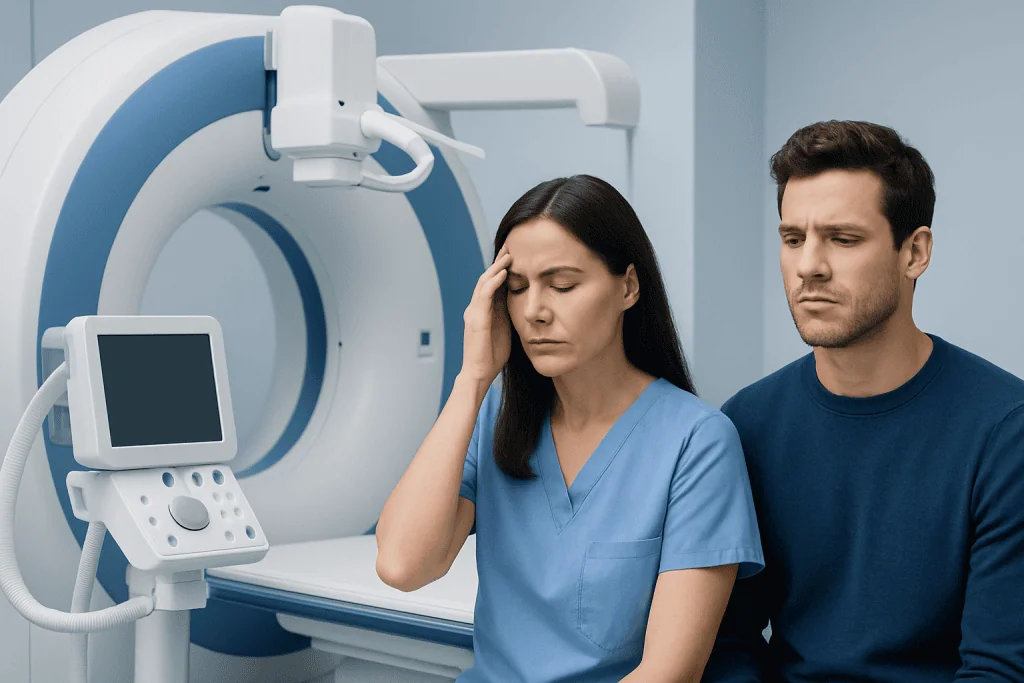
Common tension-type headaches often feel like steady pressure, tightness, or a band around the forehead or back of the head. The discomfort is usually mild to moderate and commonly affects both sides of the head. People may also notice tenderness in the scalp, neck, or shoulder muscles, but nausea and marked sensitivity to light or sound are less typical.
Migraine pain is often moderate to severe and may be throbbing or pulsating. It can occur on one side of the head, but it may affect both sides or shift sides between attacks. Physical movement, such as walking upstairs or bending over, can make migraine symptoms feel worse, and attacks can interfere with work, school, social activities, and sleep.
Symptoms that are more suggestive of migraine include:
- Nausea or vomiting
- Sensitivity to light, sound, smells, or touch
- Worsening pain with routine activity
- Visual symptoms such as flashing lights, zigzag lines, or blind spots
- Tingling, numbness, difficulty finding words, or temporary weakness in some migraine types
- Fatigue, yawning, mood changes, food cravings, or neck stiffness before or after an attack
Some symptoms overlap. For instance, a person with a tension-type headache may prefer a quiet room, and a person with migraine may feel neck pain. The overall pattern—how often symptoms occur, how long they last, their severity, and accompanying features—is usually more useful than any single symptom.
Common Types of Headaches and Migraine

Headache disorders are often grouped as primary or secondary. Primary headaches are conditions in their own right and are not caused by another disease. Migraine, tension-type headache, and cluster headache are examples of primary headache disorders. Secondary headaches arise because of another issue, such as a viral illness, sinus inflammation, medication effects, high blood pressure emergencies, head injury, or, less commonly, a neurological condition.
Migraine is not simply a severe headache. It is a disorder involving brain pathways that process pain and sensory information. Attacks may last hours to several days if untreated and can occur occasionally or frequently. Migraine may be described as migraine with aura or migraine without aura. Aura refers to temporary neurological symptoms, most commonly visual changes, that usually develop gradually and resolve.
Cluster headache is less common and differs from both migraine and tension-type headache. It typically causes very severe pain around one eye or temple, often with tearing, a red eye, nasal congestion, or restlessness. Attacks occur in repeated patterns, or clusters, and need medical evaluation because treatment differs from migraine treatment.
Another important pattern is medication-overuse headache. This may develop when medicines used for headache relief are taken too often over time. The result can be more frequent or near-daily headaches, making it important to discuss regular pain medicine use with a clinician rather than repeatedly increasing treatment without guidance.
Possible Causes, Triggers, and Risk Factors
A single headache may be linked to temporary factors such as inadequate sleep, dehydration, missed meals, alcohol, prolonged screen time, stress, poor posture, or a cold or flu-like illness. Muscle tension in the neck and shoulders may contribute to tension-type headaches. Identifying and addressing these factors can be helpful, although not every headache has a clear trigger.
Migraine has a strong biological and, often, family component. A person may be more likely to have migraine if close relatives have it. The nervous system of a person with migraine may be particularly sensitive to changes in routine or environment, including stress, hormonal shifts, changes in sleep, fasting, certain smells, bright or flickering lights, weather changes, and some foods or drinks.
Triggers are not the same as causes. For example, stress may trigger an attack in someone who already has migraine, but it does not mean that migraine is caused by stress alone. Triggers can also vary from one person to another and may change over time. A trigger is more likely when it repeatedly precedes attacks rather than after a single episode.
A headache diary can be useful for recording the date and duration of attacks, pain location and severity, associated symptoms, menstrual timing where relevant, sleep, meals, caffeine or alcohol intake, medicines taken, and possible triggers. This information may help a clinician make a diagnosis and develop a practical treatment plan.
How Doctors Diagnose Headache and Migraine
Healthcare professionals diagnose many headache disorders from a detailed history and physical examination. They may ask when headaches began, how quickly they come on, where they are felt, what the pain is like, how long episodes last, and whether nausea, visual symptoms, fever, weakness, or other symptoms occur. A review of medical conditions, medicines, family history, and recent injuries is also important.
For migraine, the pattern of repeated attacks and associated symptoms is central to diagnosis. There is no single blood test that confirms migraine. A neurological examination may be performed to check vision, movement, balance, reflexes, sensation, and mental status. The examination is often normal in people with migraine between attacks.
Brain imaging such as CT or MRI is not routinely needed for a long-standing, stable migraine pattern with a normal neurological examination. However, imaging or other tests may be recommended if a headache begins suddenly, changes significantly, follows trauma, occurs with abnormal examination findings, or raises concern for another cause.
People should tell their clinician about all non-prescription and prescription medicines, including how often pain relievers are used. This is particularly important when headaches occur on many days each month, because medication overuse may affect both diagnosis and treatment choices.
Treatment Options and Everyday Self-Care
Treatment depends on the headache type, severity, frequency, other health conditions, and individual preferences. For occasional mild headaches, resting in a quiet environment, drinking fluids if dehydration is possible, eating regular meals, using a cool or warm compress, gentle neck stretching, and appropriate non-prescription pain relief may help. A pharmacist or clinician can advise on the safest options for an individual, particularly during pregnancy or when kidney, liver, stomach, heart, or bleeding conditions are present.
Migraine care often includes treatments used during an attack and, for some people, preventive treatment to reduce how often attacks occur or how disabling they are. Acute migraine treatment may involve medicines for pain, nausea, or migraine-specific pathways. Preventive options may include certain daily medicines, periodic treatments, or newer targeted therapies. A doctor can tailor care based on symptom pattern and medical history.
Lifestyle measures do not replace medical treatment when migraine is frequent or disabling, but they can support symptom control. Regular sleep and meals, adequate hydration, gradual exercise, stress-management techniques, and limiting known personal triggers may be useful. Sudden changes in caffeine intake can trigger headaches in some people, so consistent and moderate intake is often preferable.
It is sensible to avoid using acute headache medicines more often than advised. Frequent use can contribute to medication-overuse headache and may make migraines more difficult to manage. If a person needs headache medicine regularly, experiences headaches on many days, or finds current treatment ineffective, they should arrange a clinical review.
When to Seek Medical Care
Medical care is appropriate for a new headache pattern, headaches that become more frequent or more severe, or headaches that interfere with daily life despite reasonable self-care. A clinician should also assess headaches that begin after age 50, occur during pregnancy or soon after delivery, develop in a person with cancer or a weakened immune system, or are accompanied by persistent vomiting.
Urgent medical assessment is needed for a sudden, extremely severe headache that reaches maximum intensity within seconds or minutes. Emergency care is also important if headache occurs with fainting, confusion, seizure, fever and a stiff neck, new weakness or numbness, facial drooping, difficulty speaking, vision loss, severe dizziness, a new imbalance problem, or after a significant head injury.
People with known migraine should seek prompt assessment if an attack is very different from their usual pattern, if aura symptoms are new or prolonged, or if neurological symptoms do not fully resolve. It is safer not to assume that every new severe headache is migraine, even in someone who has had migraine before.
Acibadem International’s multidisciplinary specialists and JCI-accredited hospitals assess headache and migraine symptoms for international patients, with care guided by an individual’s history, examination findings, and diagnostic needs.
Frequently asked questions
Is a migraine just a bad headache?
No. Migraine is a neurological condition, not simply a more intense headache. It can cause head pain along with nausea, sensitivity to light or sound, visual symptoms, fatigue, and other neurological features.
Can migraine occur without head pain?
Yes. Some people experience migraine aura or other migraine symptoms with little or no headache pain. New visual, sensory, or speech symptoms should still be assessed by a healthcare professional, particularly if they are unusual for the person.
How long does a migraine last?
A migraine attack may last from several hours to several days if untreated. The full experience can include early warning symptoms before pain, the main attack, and a recovery phase with tiredness or difficulty concentrating.
How can someone tell whether a headache is tension-related?
Tension-type headache commonly causes a steady, pressing or tightening sensation on both sides of the head. It is often mild to moderate and is less likely than migraine to cause vomiting or worsening with normal physical activity.
Can stress cause migraine?
Stress can trigger migraine attacks in some people, but migraine is a neurological disorder with biological and often inherited factors. Stress management may reduce attacks for some individuals, although it is not a complete explanation or cure.
When is a headache an emergency?
A sudden, severe headache that peaks quickly requires emergency assessment. Urgent care is also needed for headache with weakness, confusion, seizures, fever and neck stiffness, major vision changes, trouble speaking, or following significant head trauma.
This article is for general information only and is not a substitute for professional medical advice. Please consult a qualified doctor about your individual situation.
Migraine in Turkey — costs, top hospitals & a free quote
JCI-accredited · board-certified surgeons · reply within 24h
Add us as a Preferred Source to see more of our trusted health content across Google Search, AI Overviews and Discover.
Check your numbers in seconds
BMI, calories, due date, blood pressure and 30+ more clinical calculators — free, instant, doctor-reviewed ranges.

More from the Health Library

Is Shingles Airborne? Here Is What the Evidence Says

Is Broccoli and Cheese Healthy? Here Is What the Evidence Says

Does Peppermint Help with Nausea? A Doctor-Reviewed Answer

Miscarriage vs Menstruation: Key Differences and How Doctors Tell Them Apart

Stinging Nettle Rash: Common Causes, Related Conditions, and When to See a Doctor